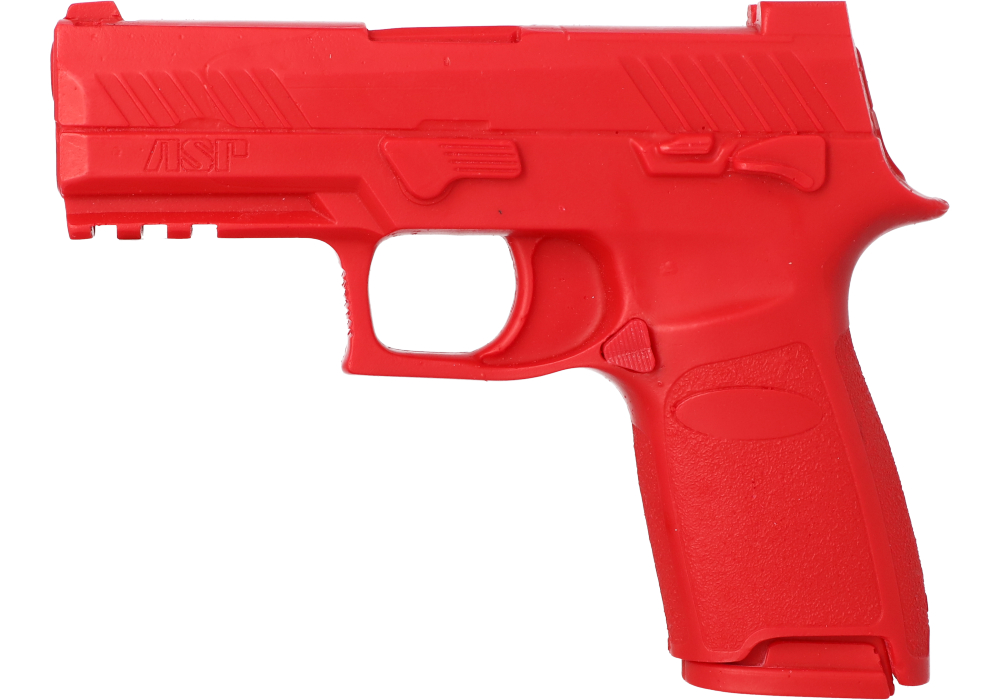
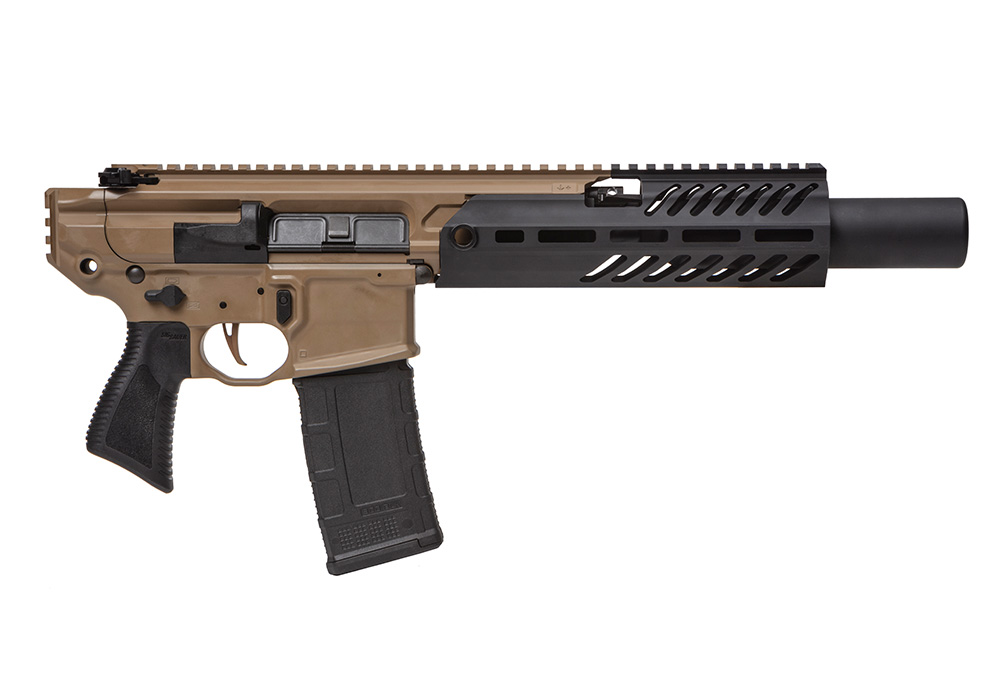
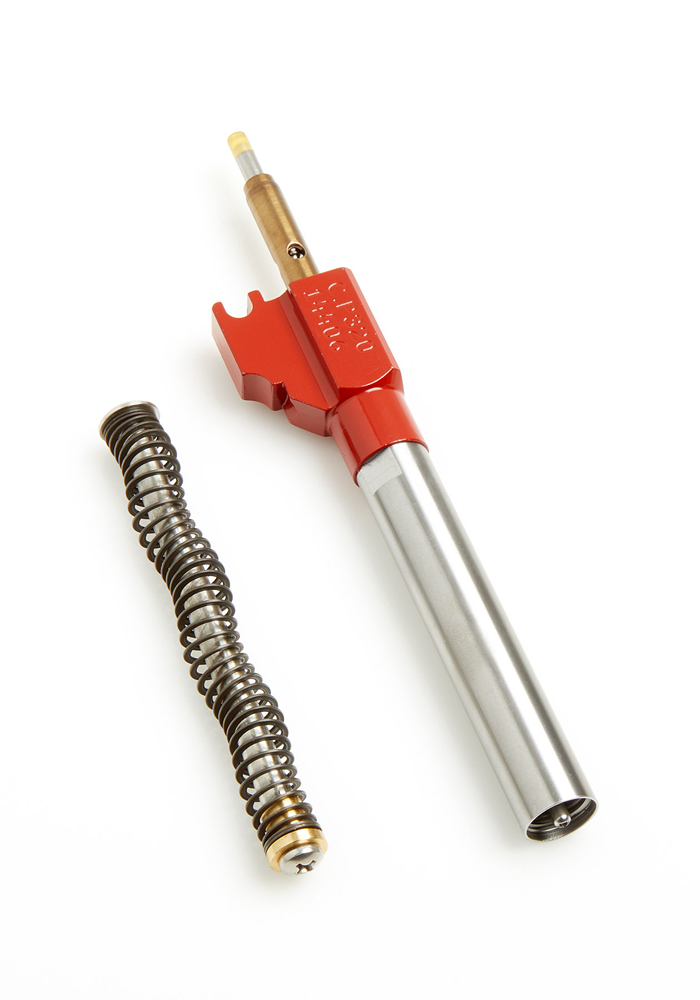
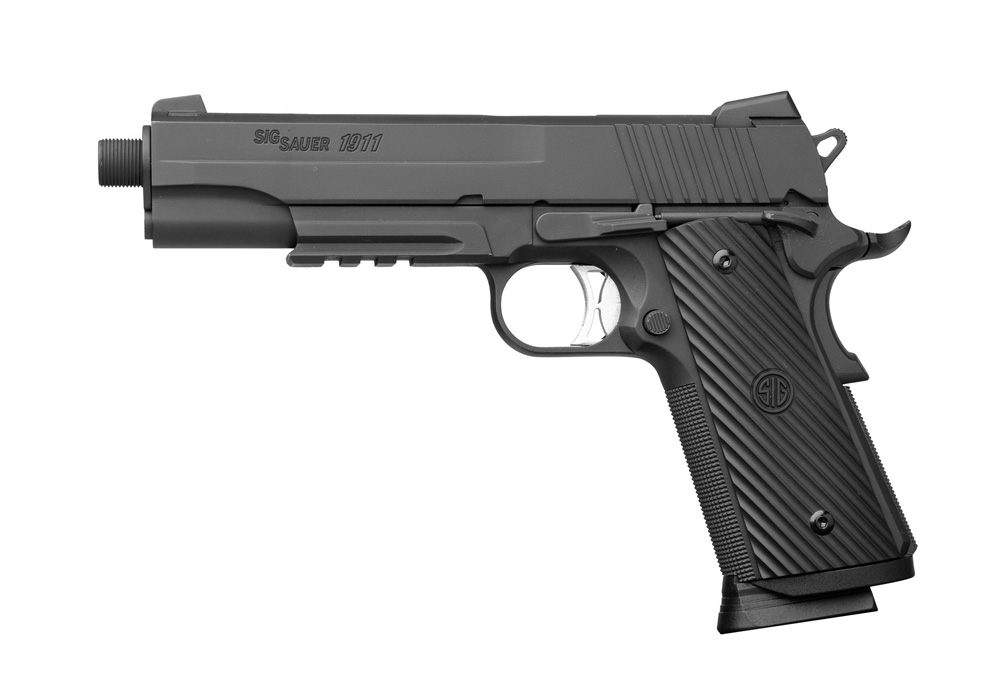
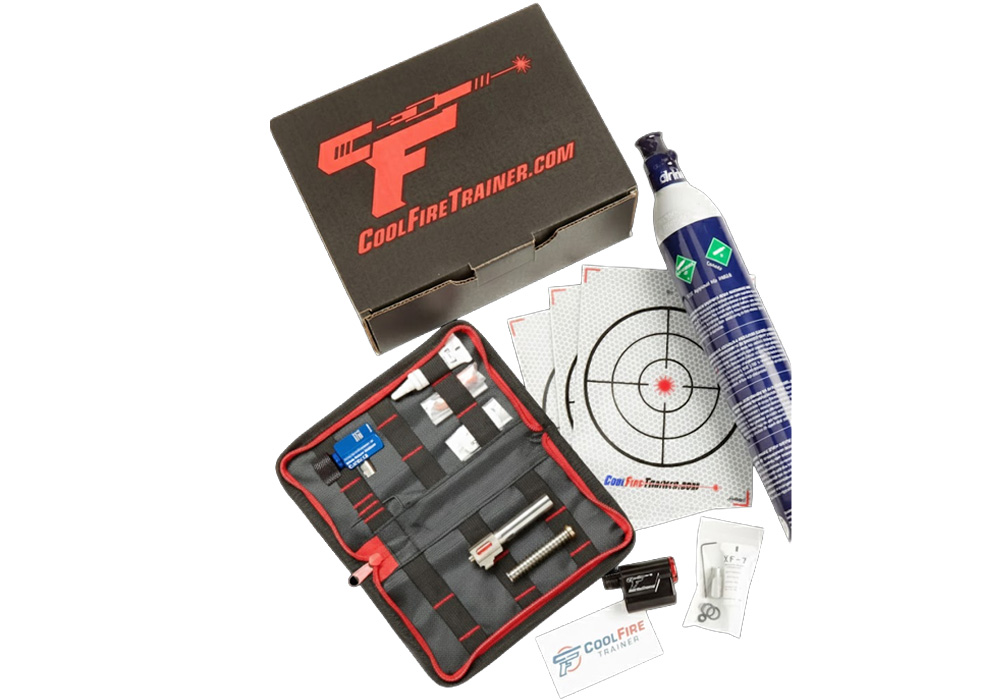
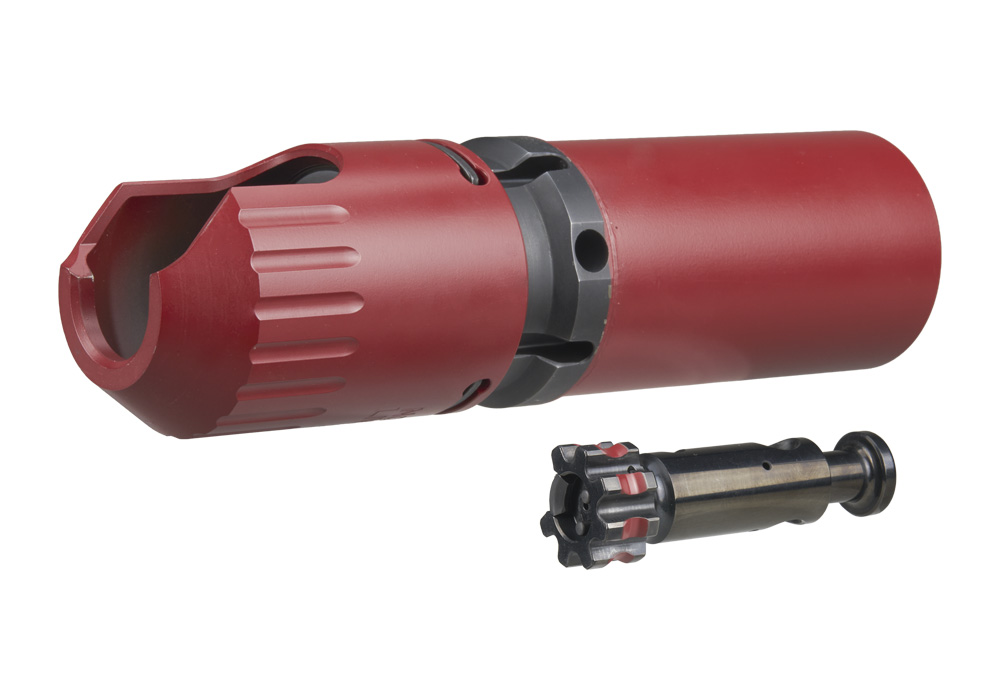
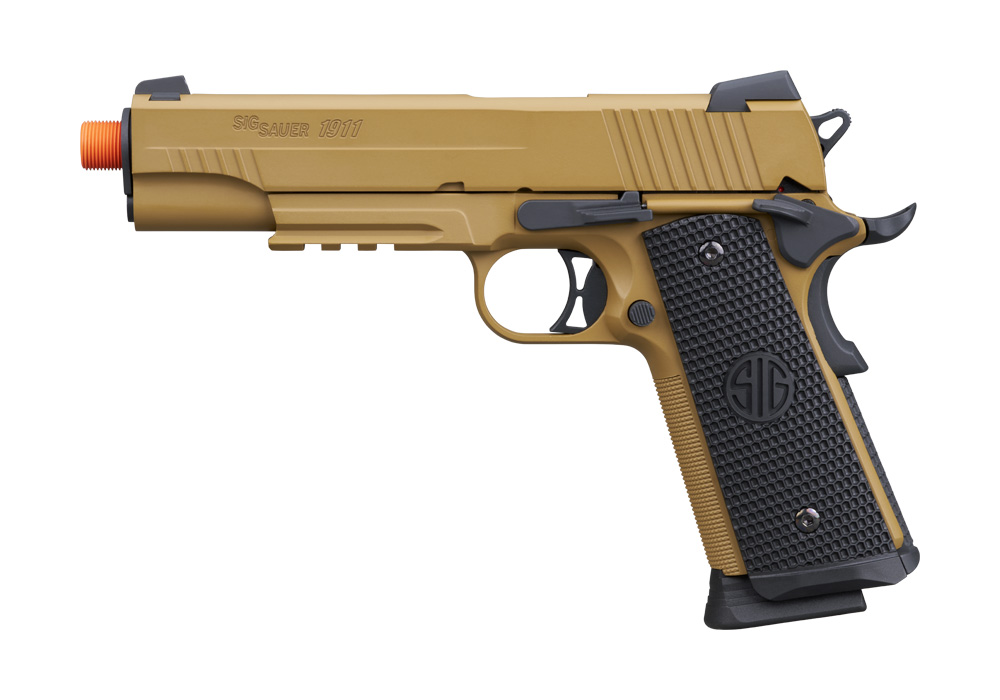
Realistic training tools help turn instruction into repeatable, measurable practice by giving users a way to rehearse skills without relying on live emergencies or live ammunition for every session. In firearms training, that may include inert replicas, non-live training platforms, recoil and cycling simulators, marking systems, target systems, and other equipment designed to reinforce safe handling, presentation, loading and unloading procedures, sight alignment, trigger control, movement, communication, and decision-making. These tools are useful for new firearm owners building a safe foundation, experienced shooters refining fundamentals, instructors creating structured lessons, and agencies or security professionals preparing for force-on-force exercises. A realistic training platform should match the size, controls, grip angle, balance, and operating sequence of the firearm or equipment being represented as closely as practical, since small differences can become noticeable when a user transitions back to a live-fire environment. Some systems emphasize the feel of recoil and slide or bolt movement, while others focus on visual feedback, marking capability, or scenario repetition. When comparing options, consider whether the tool is intended for dry practice, classroom instruction, close-quarters drills, force-on-force training, or a combination of uses. Check compatibility with existing holsters, magazine pouches, training ammunition, targets, protective equipment, and any electronic or compressed-air components. Clear manufacturer instructions, durable construction, replaceable wear parts, and a straightforward reset process can make the difference between equipment that stays ready on a shelf and equipment that becomes a regular part of a training routine. The most useful setup is often the one that can be brought out quickly, used safely in a controlled space, and incorporated into a consistent practice plan.
Realism matters, but it should always support sound judgment rather than replace it. Training with a non-live platform can help users build a calm, deliberate sequence: confirm the tool is safe, establish a secure grip, keep the muzzle pointed in a safe direction, keep the trigger finger indexed until the decision to fire has been made, identify the target and what lies beyond it, then complete the exercise and reset deliberately. Instructors may use these systems to demonstrate common errors, pause a scenario for discussion, and repeat the same exercise until the student can perform it without rushing. Force-on-force equipment can add movement, verbal communication, and time pressure, but it requires a clearly defined training area, protective equipment appropriate to the system, responsible supervision, and an understanding that realistic appearance does not make a training tool suitable for every environment. Electronic or augmented systems may add simulated threats and changing conditions to a physical space, helping users work on observation, communication, and response choices without constructing a full range or scenario site. Training aids can also extend beyond firearms. Medical simulation tools may represent lacerations, punctures, burns, or severe bleeding for tourniquet application, wound packing, pressure dressing, and triage practice. Venipuncture and injection trainers can help students recognize the feel and visual indicators associated with clinical procedures, while rescue dummies and weighted training forms support lifting, dragging, extraction, and patient-handling practice. These products may be selected by emergency medical students, first responders, outdoor professionals, workplace safety teams, coaches, or households assembling a practical emergency-preparedness kit. A well-designed training aid gives the user enough tactile and visual feedback to identify mistakes, while remaining portable enough for repeated sessions in a classroom, garage, range office, or other controlled setting. During the cooler months, portable equipment is especially useful when outdoor practice is less convenient, allowing fundamentals and emergency procedures to remain familiar between larger training events.
Before purchasing, define the skill the equipment is meant to build and the person who will use it. A beginner may benefit from a simple, clearly marked training aid that reinforces safe handling and basic mechanics, while an instructor may need multiple identical units for a class, durable materials for frequent handling, or a system that supports several scenario types. For a gift, realistic training tools can be a thoughtful choice for a new firearm owner, a range regular, a competitive shooter, an EMT student, a volunteer responder, or someone assembling a home emergency kit, provided the recipient has a suitable place to train and understands the safety requirements. Look for realistic dimensions, a reliable reset, visible status indicators, manageable maintenance, and storage features that help keep training equipment separate from live firearms, ammunition, and medical supplies. For firearms-related tools, verify whether the item is intended only for dry practice or also supports approved training ammunition, and follow all instructions regarding backstops, protective eyewear, hearing protection, ventilation, and safe distances. For medical and rescue trainers, consider the simulated body region, wound type, weight, fluid or replaceable-skin requirements, cleaning process, and whether the trainer supports the exact procedure being taught. Budget should include consumables and replacement components, not just the initial purchase price. A compact tool that is used often can be more valuable than a complex system that requires extensive setup, while a professional instructor may justify a more specialized platform because it supports repeatable evaluation across many students. Explore related Tactical Tools to build a more complete practice setup, then pair selected equipment with written procedures, qualified instruction, and a regular schedule. The goal is familiar, responsible performance: hands that know where to go, eyes that continue to observe, and decisions made with discipline when conditions become demanding.