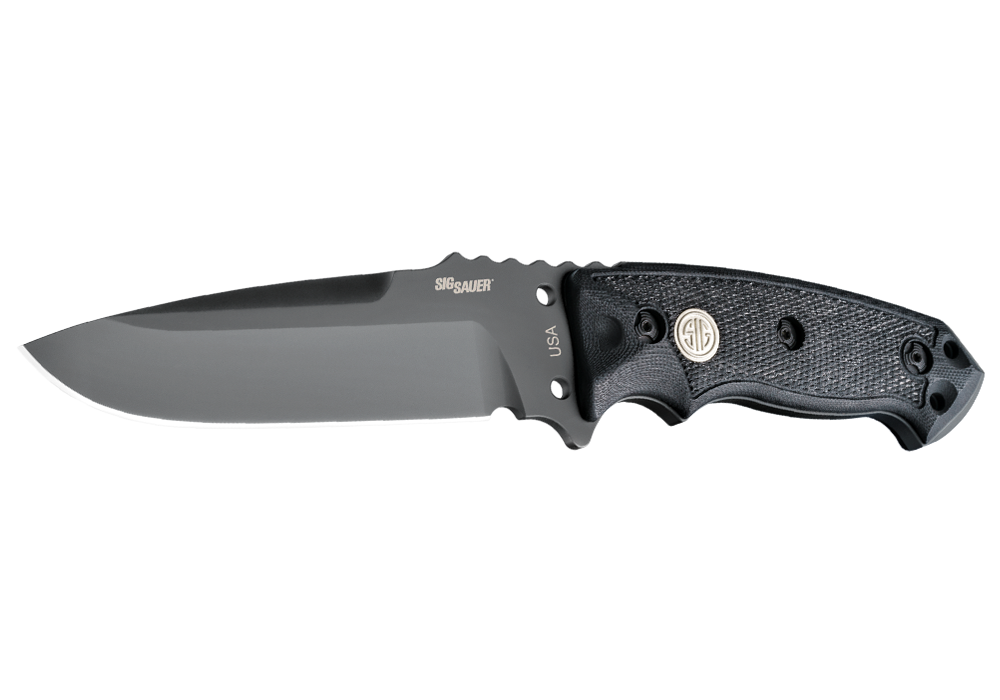
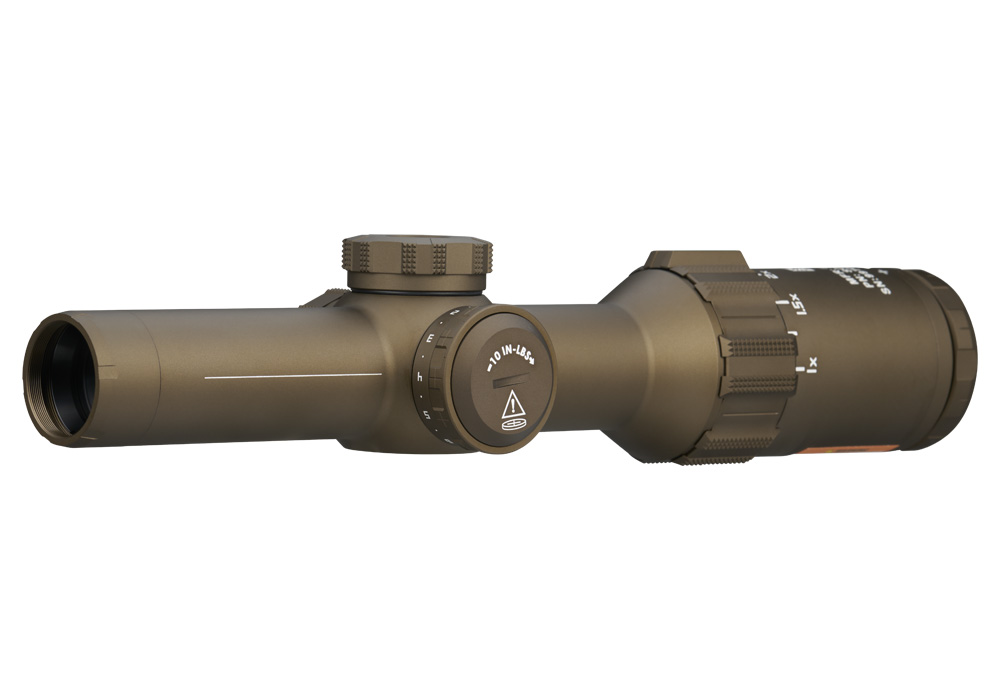
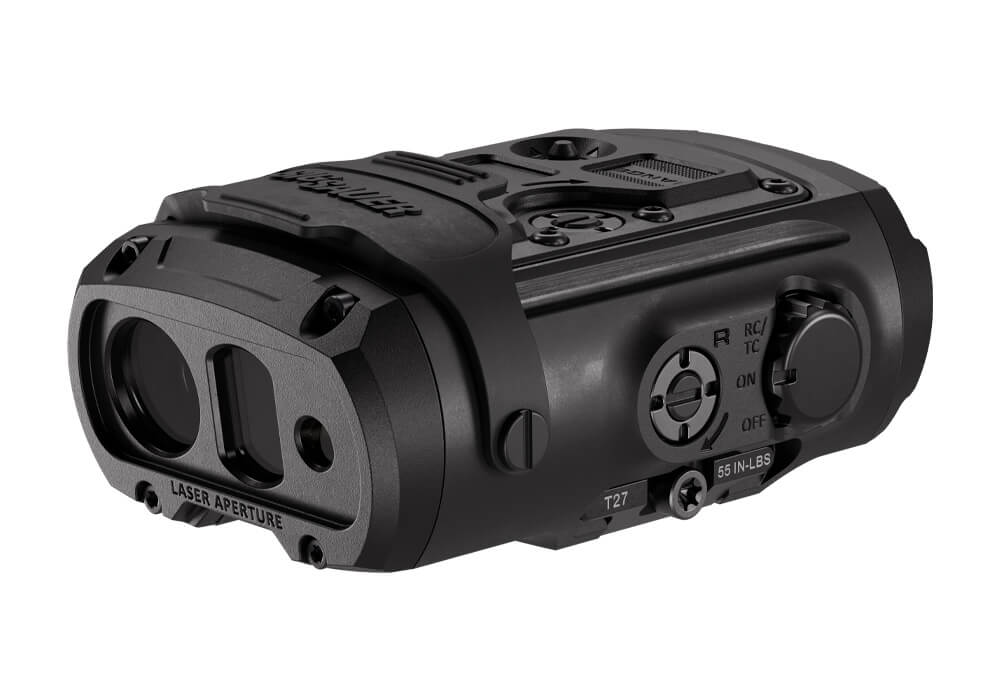
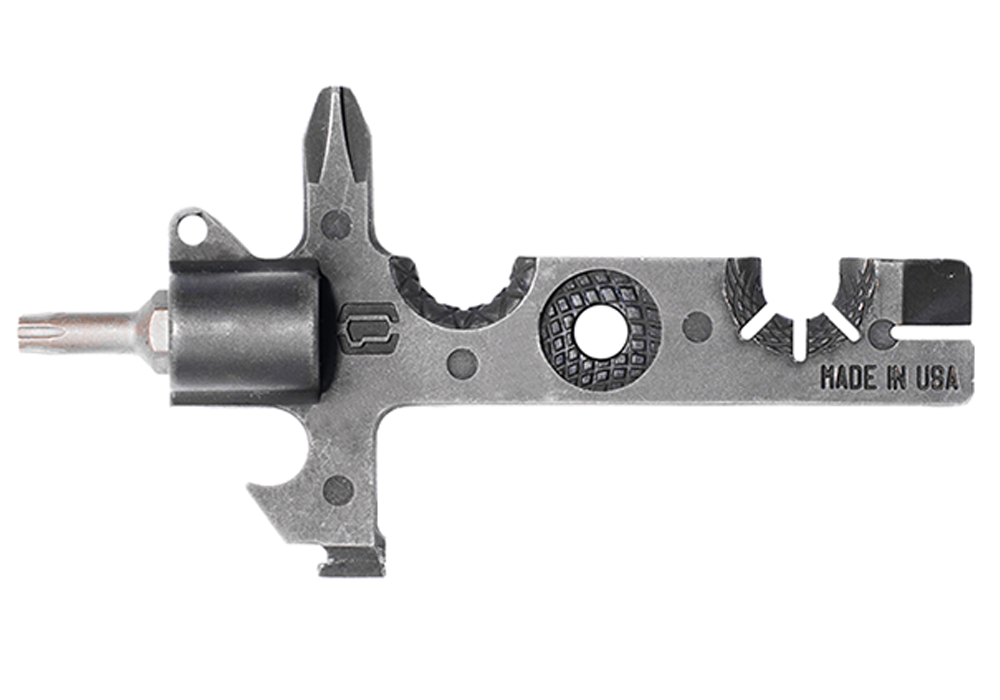
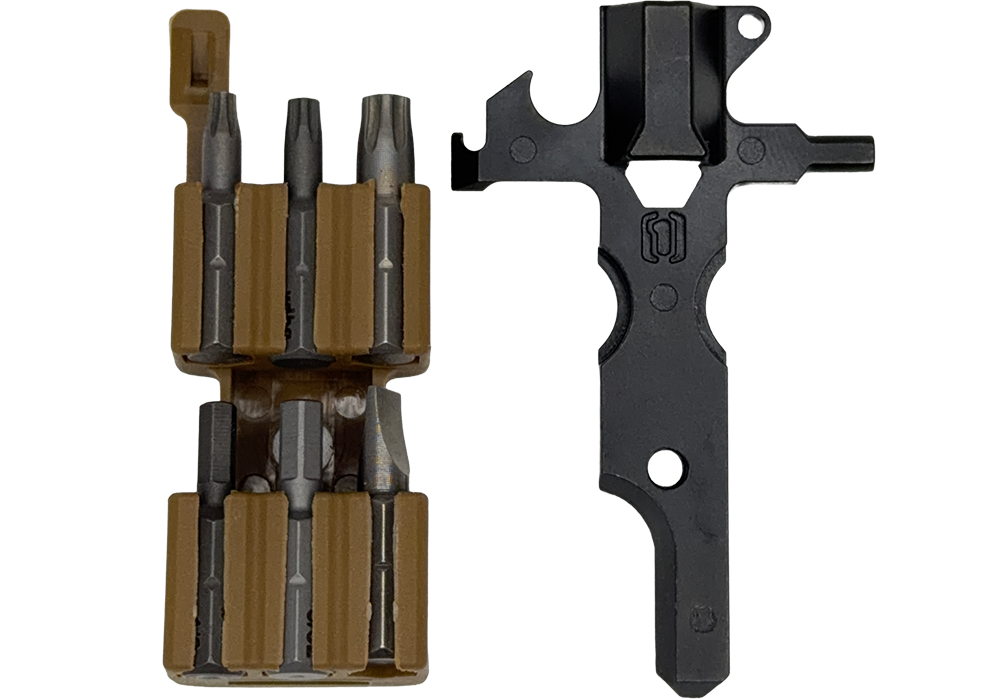
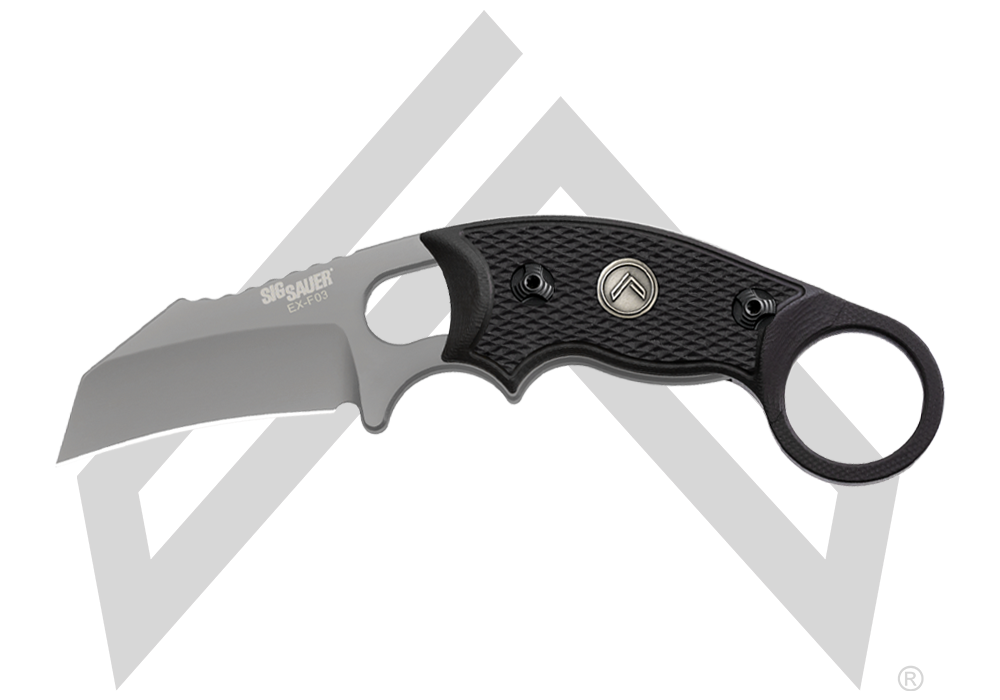
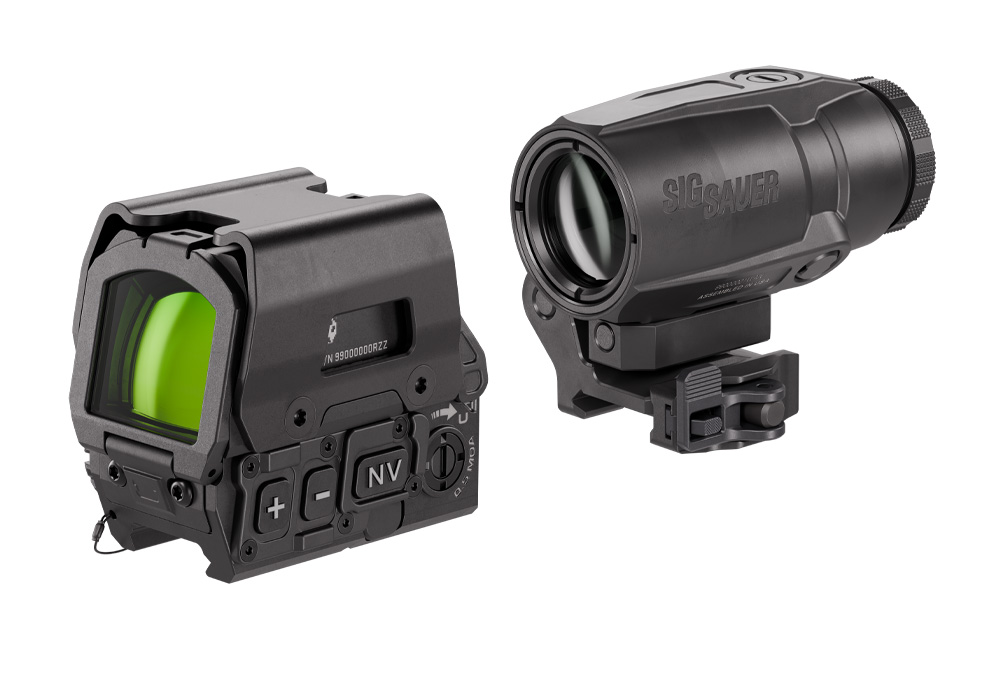
Tactical tools are durable utility and maintenance tools designed to support equipment care, routine repairs, and practical tasks at a workbench, on the range, or in the field. The category brings together compact multifunction designs, dedicated maintenance tools, and supporting gear that helps keep essential equipment organized and accessible. Their value comes from useful functions, dependable construction, and a size that suits the job—not simply a rugged appearance. For recreational shooters, outdoor enthusiasts, range personnel, and professionals who maintain equipment regularly, a well-chosen tool can turn an awkward task into a straightforward part of preparation. A compact format may suit someone who wants a few frequently used functions within reach, while a dedicated design can offer better leverage, clearer markings, or more comfortable handling during repeated work. Consider the difference between carrying a small utility tool for occasional adjustments and keeping a full maintenance setup at a bench: each serves a purpose, but neither automatically replaces the other. Practical details matter more than a long feature list. Handles should offer a secure, comfortable purchase; working surfaces should match the intended task; and folding or interchangeable components should engage positively without excessive play. Clear access to individual functions also matters when several components share a compact frame. A tool that is difficult to unfold, awkward to grip, or poorly matched to its hardware may see little use despite an impressive specification sheet. For equipment maintenance, compatibility with the manufacturer’s requirements is essential, particularly wherever a component calls for a specified fastener interface or controlled tightening force. General utility tools should not substitute for specialized equipment when precision is required. The strongest foundation for a tactical tool collection is a realistic view of daily tasks: what needs attention, where that work happens, and which functions deserve space in a pocket, pouch, or range bag. That approach favors equipment with a clear role rather than unnecessary duplication.
Materials and construction influence how tactical tools feel in the hand, withstand repeated use, and respond to routine care. Stainless steel is common in working components because it balances strength with resistance to corrosion, although its performance varies by alloy, heat treatment, and finish. Carbon steel can offer useful toughness and edge performance in suitable applications, but exposed surfaces generally need closer attention to cleaning and protective care. Aluminum can reduce weight in handles or housings, while reinforced polymers can provide grip and limit bulk without adding unnecessary metal. No material alone guarantees durability. Joint alignment, fastener quality, contact surfaces, and the way moving parts fit together all contribute to long-term performance. A protective finish can help resist surface wear, but it does not remove the need to inspect and maintain the tool underneath. Fit deserves equal attention. A handle that feels comfortable during a brief inspection may become tiring through repeated use if it has sharp corners, narrow pressure points, or an awkward opening span. Glove clearance can matter for users who wear protective equipment, and textured surfaces should improve control without becoming abrasive during extended handling. For interchangeable components, compatibility involves more than a similar appearance: dimensions, interface shape, and the intended application must align. A poorly fitting working end can damage hardware or slip under pressure. Purpose-built storage also helps preserve fit and finish by keeping components from rubbing together or collecting debris. After use, remove residue with a cleaning method appropriate to the material, dry components thoroughly, and follow the manufacturer’s directions for lubrication or surface protection. Check moving joints, locks, and working ends for wear before relying on them again. When maintenance involves a firearm, confirm it is unloaded, keep ammunition separate from the work area, and follow its manual. Work beyond routine owner maintenance belongs with a qualified professional. Careful handling and sensible upkeep support dependable service without treating any tool as indestructible.
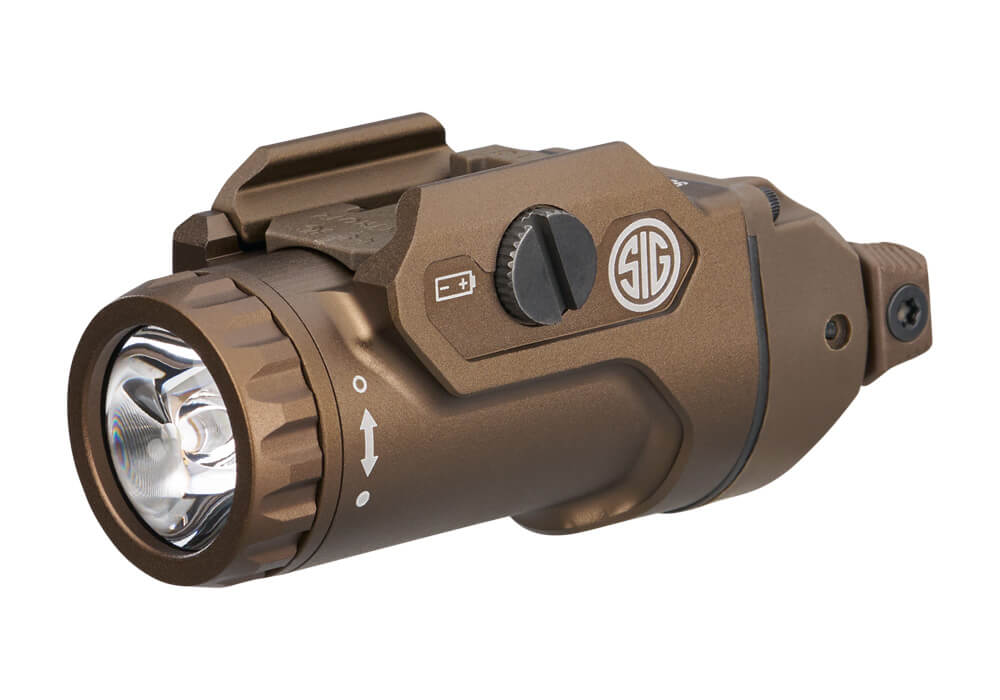
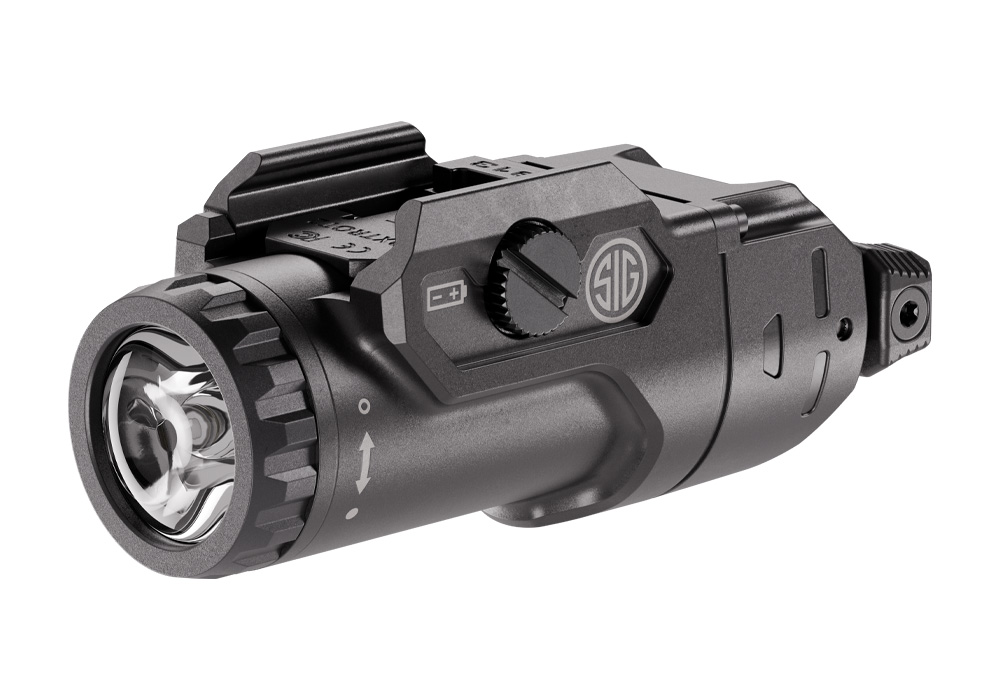
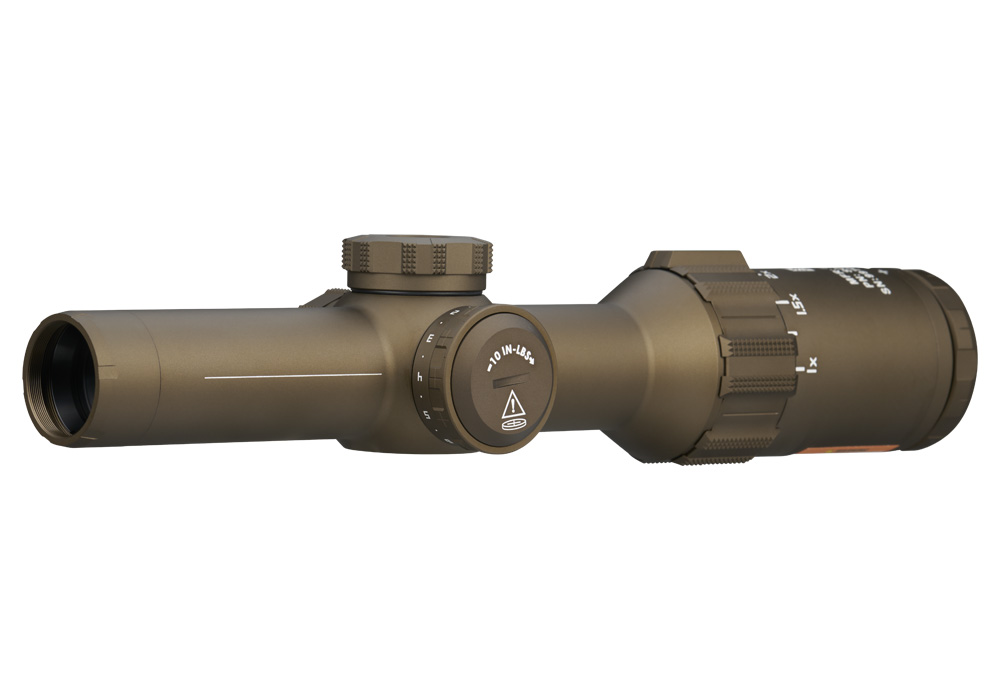
Intended use should shape both the tool selection and the way it travels. For everyday carry, compact dimensions, manageable weight, and secure retention often matter more than the greatest number of functions. A tool that rides comfortably and stays protected is more practical than one that catches on clothing or shifts loose among other belongings. For range use, organization may take priority: clearly separated components, readable markings, and a consistent place for each function help reduce time spent searching through a bag. At a workbench, there is usually more room to prioritize grip comfort, visibility, and dedicated tools suited to repeated tasks. Field use places its own emphasis on portability, straightforward operation, and components that remain together during transport. These are different needs, and a useful setup respects those differences instead of trying to solve every task with one compact design. Picture packing after a range session: the equipment has been checked, loose components have a designated compartment, and tools are secured rather than resting against finished surfaces. That small amount of organization protects the gear and makes the next inspection easier. Complementary Tactical Accessories can support a coordinated setup, with attention to dimensions, attachment compatibility, and how each addition affects access to existing equipment. Carry arrangements should also suit applicable rules for workplaces, facilities, and travel; permission to carry a tool in one setting does not establish permission elsewhere. As gifts, tactical tools are most useful when they reflect the recipient’s actual routines. Someone who enjoys careful bench maintenance may appreciate precision and comfortable handling, while a frequent range visitor may place greater value on compact organization and easy transport. Familiarity with the recipient’s equipment and preferences helps avoid incompatible or redundant choices. Across these uses, the best measure of a tactical tool is straightforward: it fits the task, works predictably, receives appropriate care, and earns its place through regular, practical service.