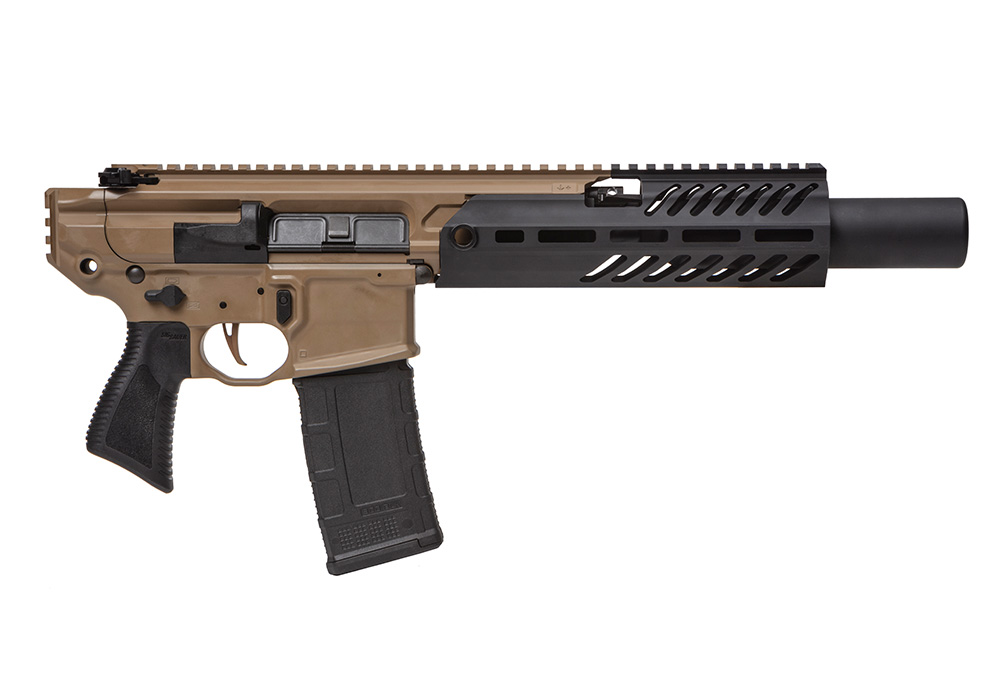
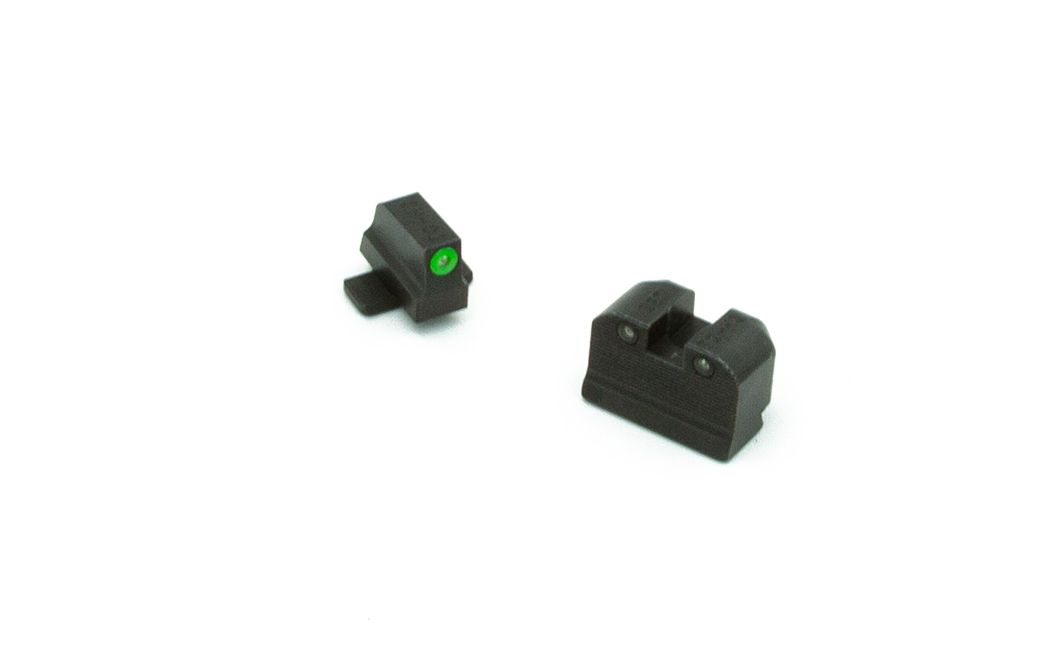
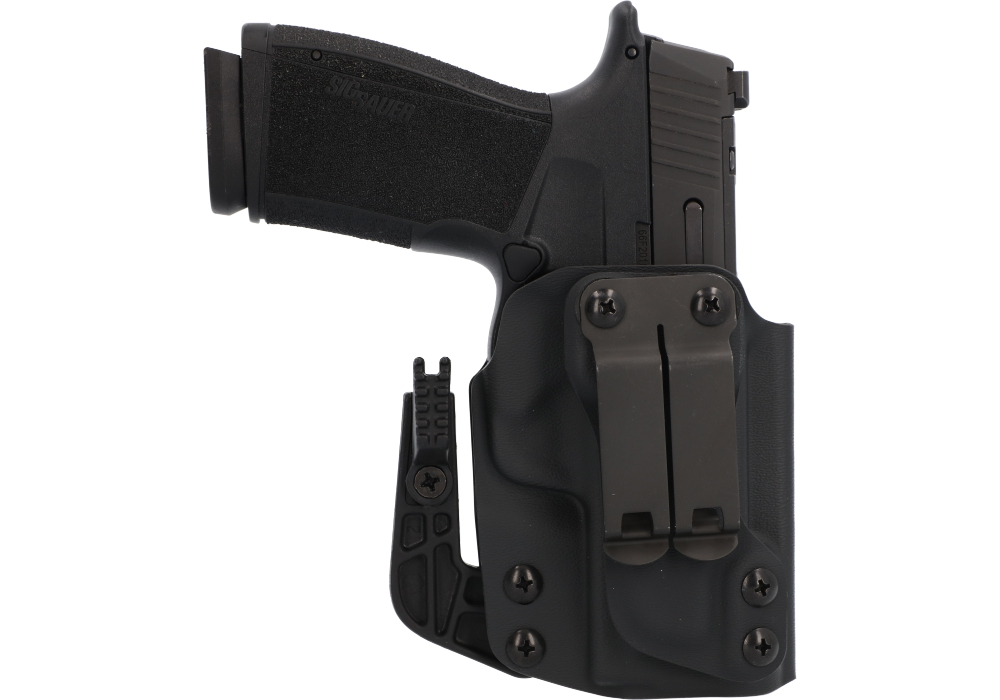
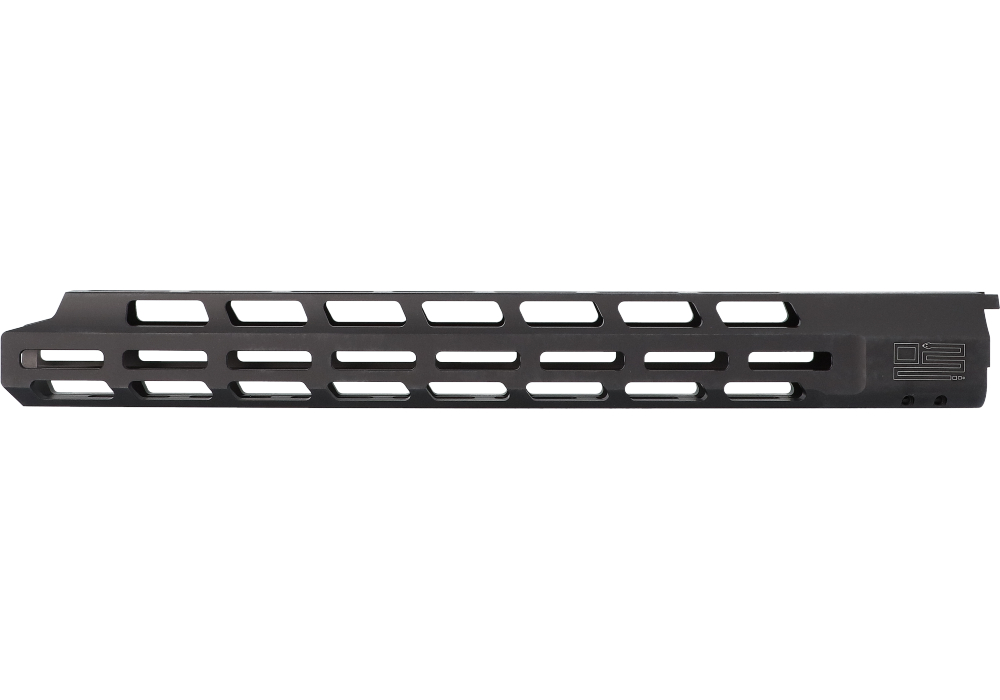
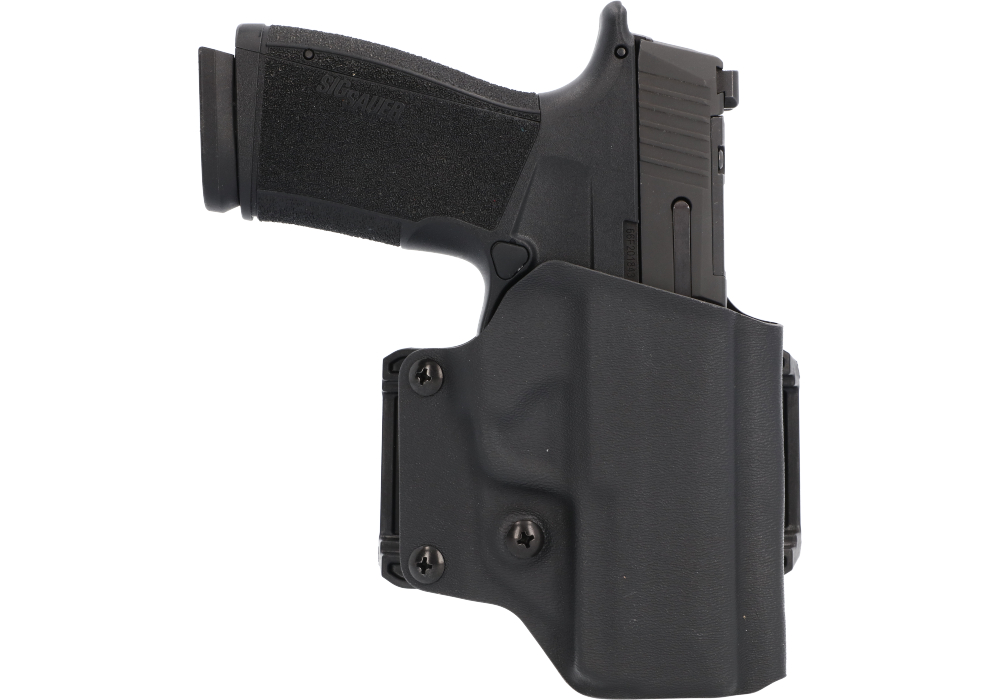
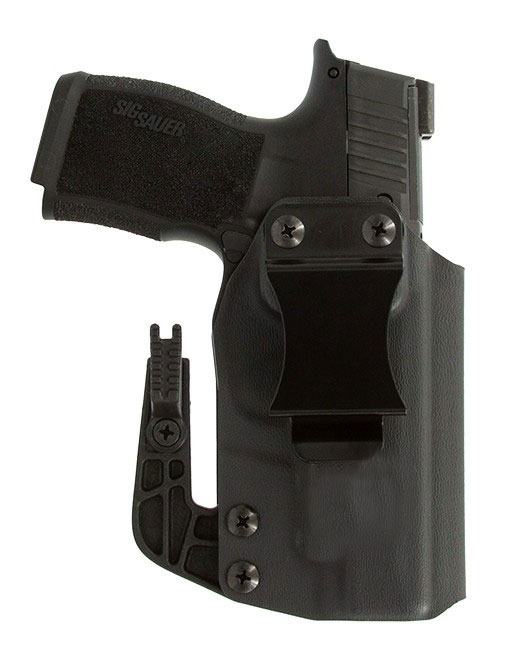
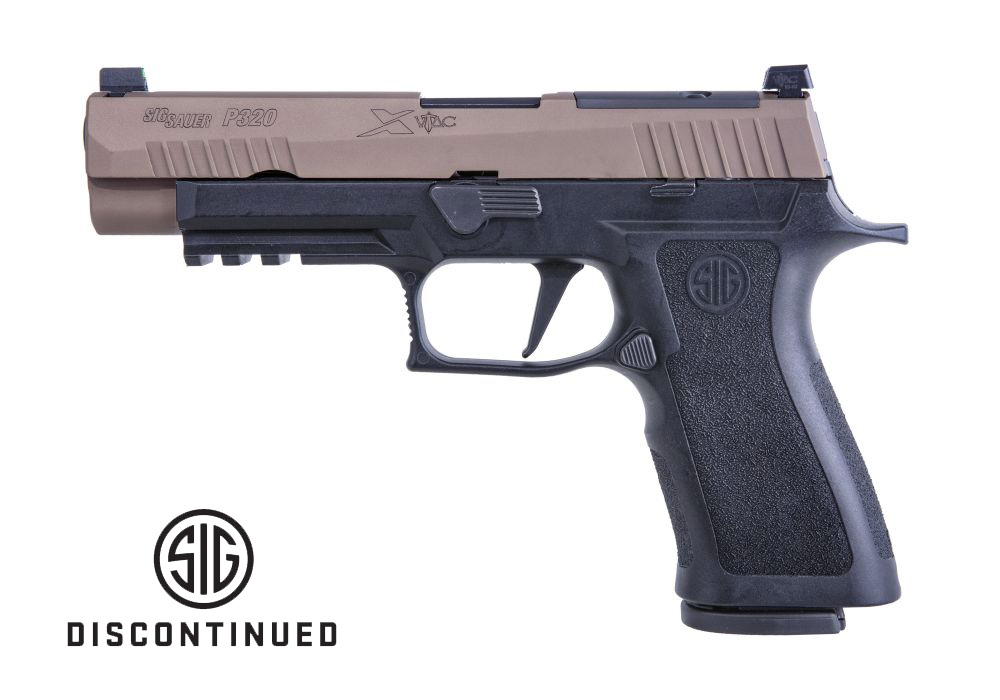
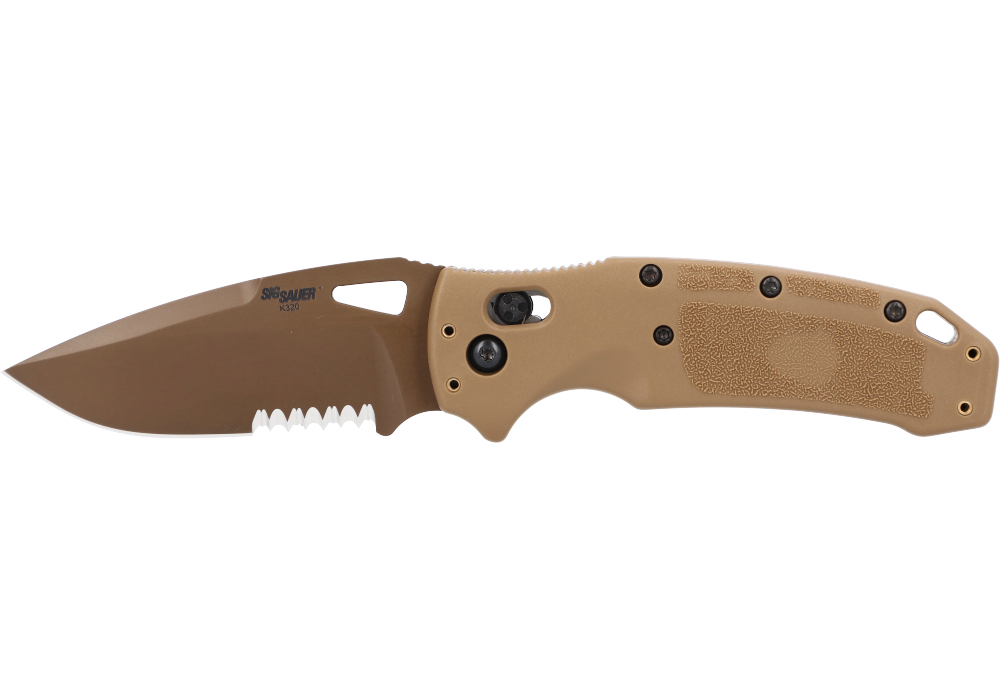
Tactical weapons are selected for dependable handling, practical performance, and readiness in demanding situations. On a product page like this, shoppers may find firearms and related equipment intended for personal protection, professional use, training, competition, field work, or secure home defense. The right choice depends on more than appearance or a short product description. Consider how the firearm will be carried, stored, transported, and used; whether its controls are intuitive; how comfortably it fits the shooter’s hands; and whether replacement magazines, compatible ammunition, holsters, cases, and maintenance supplies are readily available. A compact platform may be easier to carry and secure, while a larger frame can offer a steadier grip and more comfortable recoil management. Standard or extended capacity options may suit different applications, but capacity should always be considered alongside local regulations, overall dimensions, weight, and the shooter’s ability to operate the firearm safely. Optics, illumination, sling systems, protective equipment, and other accessories can also influence how effectively a setup performs in low-light conditions, confined spaces, or changing outdoor environments. Many buyers begin with a clear use case and then compare fit, controls, reliability features, and support rather than choosing solely on styling. That approach helps create a setup that feels natural during practice and remains manageable when conditions are less than ideal.
Tactical firearms may be used by trained professionals, responsible homeowners, recreational shooters, competitors, and prepared individuals who value a capable platform for lawful defensive purposes. Each group brings different priorities. A person building a home-defense setup may focus on secure storage, simple controls, dependable illumination, and a configuration that can be handled safely by every authorized adult in the household. A recreational shooter may place greater emphasis on ergonomics, range comfort, sight configuration, and the availability of training ammunition. A professional user may need equipment that integrates with established procedures, duty gear, and agency requirements. New owners should plan for instruction before relying on any firearm, including fundamentals such as safe handling, loading and unloading, sight alignment, trigger discipline, malfunction response, and safe decision-making under stress. A welcoming retailer and qualified instructor can make the process more approachable, especially for someone purchasing a first firearm or returning to shooting after time away. Training also provides an opportunity to test different grip sizes, sight arrangements, and accessory choices before investing in a complete setup. When selecting complementary equipment, explore Tactical Shooting Gear for items that can support range sessions, transport, storage, and responsible use. Every component should work together without interfering with safe access to controls or secure handling.
A tactical firearm can be a meaningful gift for an experienced adult shooter, but it should never be treated as an impulse purchase or a surprise for someone who has not expressed a clear interest in ownership. Firearm gifts and transfers must follow applicable federal, state, and local laws, and the recipient must be legally eligible to possess the item. In many cases, the most thoughtful gift is professional instruction, a secure locking device, a quality range bag, protective hearing and eye equipment, or a gift card that allows the recipient to select a platform suited to their hands and intended use. For anyone purchasing for personal ownership, safe storage deserves the same attention as the firearm itself. A locked container, rapid-access safe, or other appropriate security method can help prevent unauthorized access while protecting the firearm from damage. Ammunition should be stored separately when appropriate, and household members should understand that firearms are never toys and must not be handled without permission and supervision. Seasonal changes can also affect preparation: as outdoor conditions shift from warm days to cooler months, shooters may adjust clothing, gloves, lighting, and transport arrangements while continuing regular practice. Before completing a purchase, review product specifications, confirm compatibility, understand return and transfer requirements, and consult current laws in the jurisdiction where the firearm will be owned or used. Responsible ownership is an ongoing habit built through education, maintenance, secure storage, and consistent practice—not a single purchase.