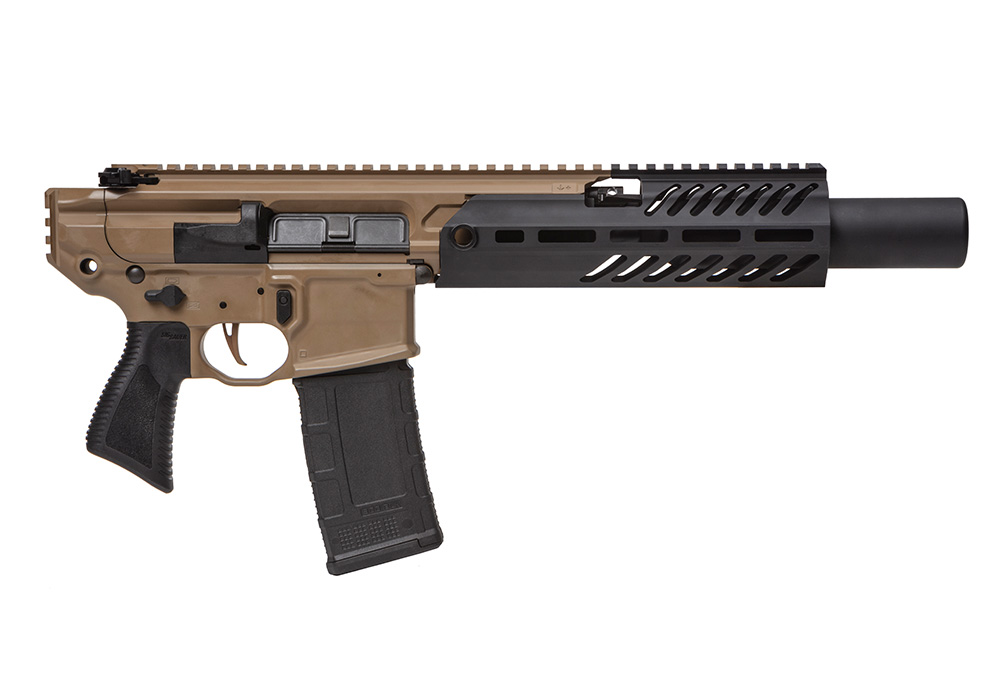
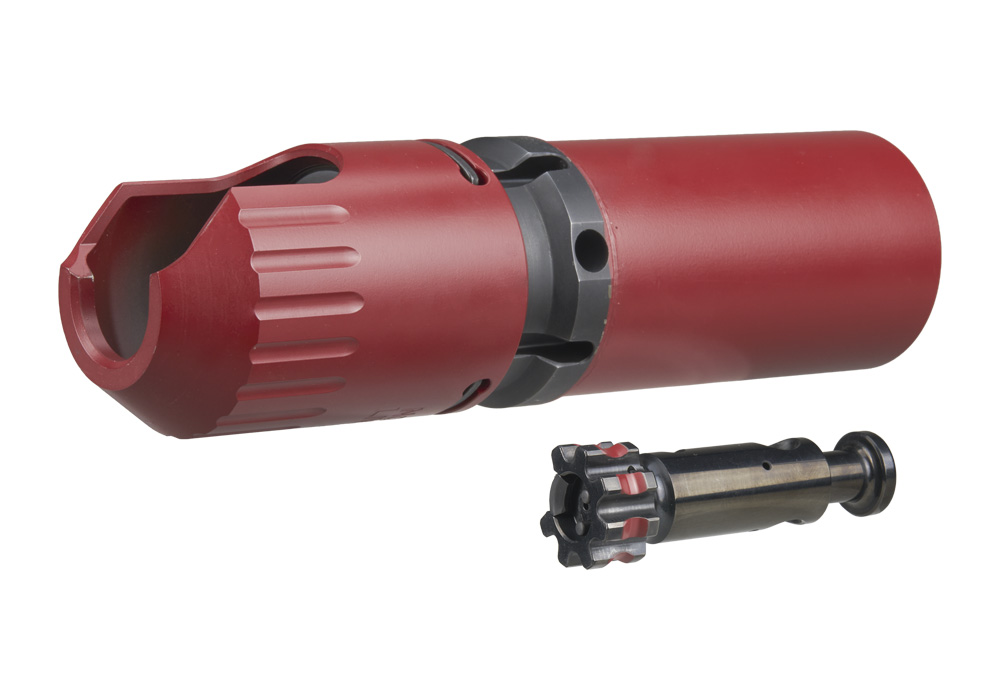
Training equipment gives shooters a practical way to build familiarity, consistency, and confidence before stepping onto a range or taking part in structured instruction. A well-chosen setup can support dry practice, safe handling drills, presentation work, sight alignment, trigger control, reload practice, movement exercises, and other fundamentals that benefit from regular repetition. These tools may include realistic replicas, inert accessories, target systems, protective equipment, storage solutions, timers, and other aids that help turn a small area into a focused practice space. Each category serves a different purpose, so the best choice depends on the user’s experience, training goals, available room, and preferred practice routine. Beginners often benefit from simple equipment that reinforces core habits without adding unnecessary complexity, while experienced shooters may seek more specialized tools for refining speed, transitions, accuracy, or decision-making. In every case, training should take place in an environment that is appropriate for the activity, with a clear backstop or safe direction, no live ammunition present during dry practice, and all applicable laws and range rules followed. The right equipment does not replace instruction, but it can help extend the value of a class by giving shooters a consistent way to revisit key skills at home or in another approved setting. For shoppers comparing options, look for durable construction, realistic dimensions, comfortable handling, clear instructions, and compatibility with the rest of the training setup. Equipment that is easy to inspect, organize, and store is more likely to become part of a lasting routine rather than sit unused in a drawer.
Realistic training tools can be useful for a wide range of people. A new firearm owner may use them to become familiar with controls, grip, stance, and safe storage procedures before visiting a range. A competitive shooter may use a timer, target system, or inert accessory to measure progress and identify small inconsistencies that are difficult to notice during casual practice. Instructors can incorporate training aids into demonstrations, classroom exercises, and supervised skill-building sessions, while families may choose age-appropriate safety education tools to help reinforce responsible habits without handling live firearms. These products can also be thoughtful gifts for a responsible shooter, instructor, outdoors enthusiast, or sport competitor, particularly when the purchaser selects equipment that matches the recipient’s interests and experience level. If the gift is intended for someone new to shooting, basic safety-oriented training gear may be more useful than advanced accessories. For a seasoned enthusiast, a specialized practice aid, upgraded target system, or organized storage solution may complement an established setup. When selecting a gift, consider whether the recipient practices indoors or outdoors, trains with a particular platform, prefers short sessions or extended drills, and has enough space for the equipment. Product descriptions, measurements, compatibility details, and care instructions are valuable points of reference. A compact tool can suit an apartment or office environment, while larger targets and movement-oriented equipment may work better in a private range or spacious training area. During cooler months, indoor practice equipment can help maintain a routine when outdoor sessions are less convenient, while portable gear remains useful whenever travel, instruction, or range access calls for a lighter setup. Browse Realistic Training Tools to explore options that support structured practice and responsible preparation.
A productive training session does not need to be long or elaborate. Many shooters begin with a brief inspection of the area, a review of the planned drills, and a few slow repetitions focused on technique rather than speed. From there, they may add a timer, target changes, movement, or other challenges one at a time, recording results so improvement can be measured over several sessions. This gradual approach helps reveal whether a problem comes from grip, stance, sight alignment, trigger control, timing, or equipment fit. A notebook or digital log can capture the date, drill, number of repetitions, observations, and any adjustments worth revisiting. Protective eyewear and hearing protection remain important whenever the training environment calls for them, and realistic replicas or inert components should be clearly separated from live ammunition and stored according to the manufacturer’s guidance. Secure storage is especially important in homes with children or visitors. Shoppers should also examine seams, fasteners, surfaces, and moving parts before each use, replacing items that show damage or no longer function as intended. Training equipment can support practice across many skill levels, but responsible habits remain the foundation: follow safe handling rules, keep the muzzle pointed in a safe direction, keep fingers outside the trigger guard until ready to fire, identify the target and what lies beyond it, and use qualified instruction when learning unfamiliar techniques. With thoughtful selection and steady practice, these tools can bring structure to a home routine, add purpose to range time, and help shooters approach each session with greater focus and preparedness.




![SIG SAUER-PHALANX SHORT SLEEVE RASH GUARDS [SM LEFT]](http://www.sigsauer.com/media/catalog/product/8/3/8301110_front_web.jpg)