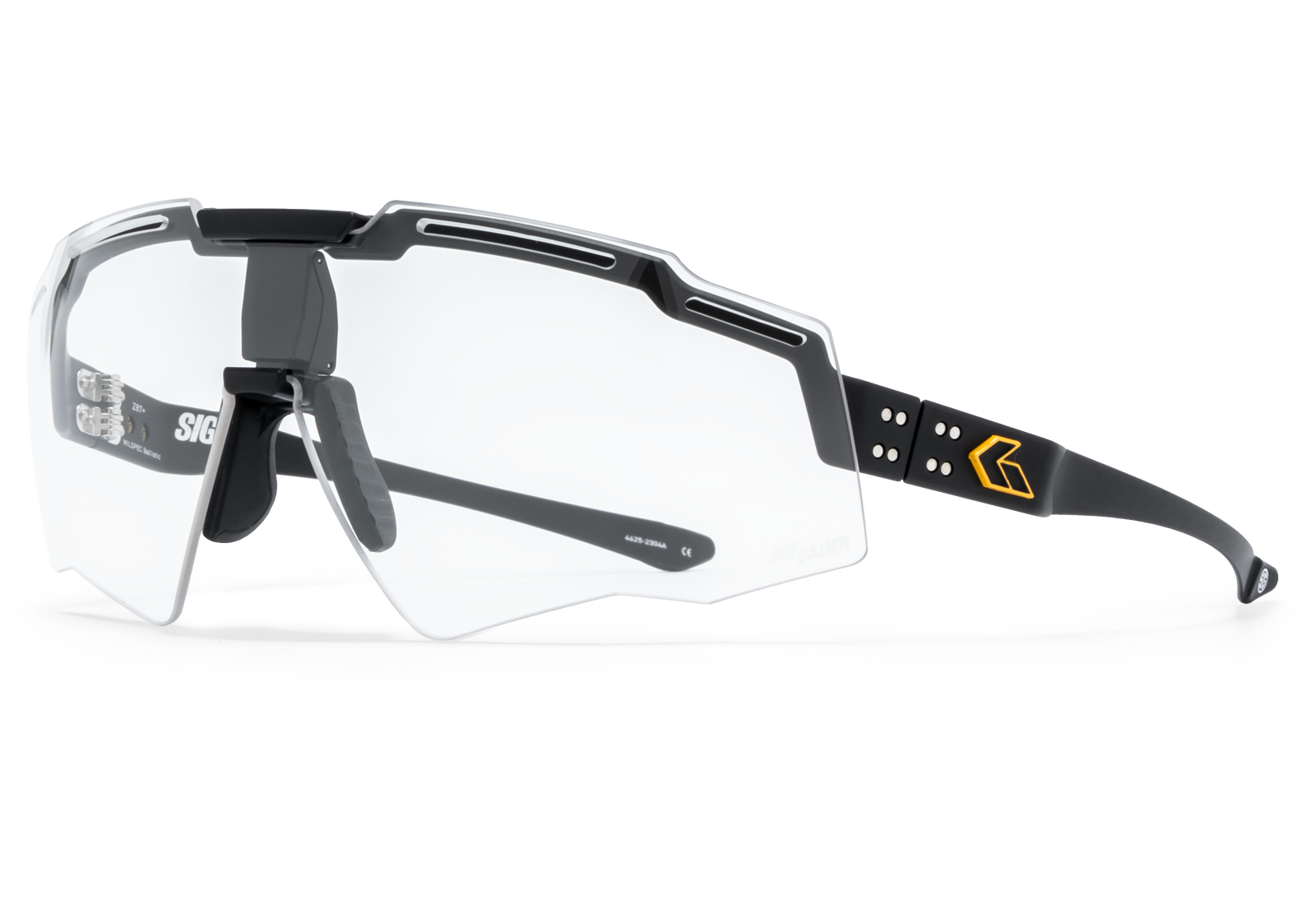
Safety equipment helps create a more controlled environment wherever people work with tools, handle firearms, spend time outdoors, or take on projects that involve noise, dust, flying particles, chemicals, heat, or uneven surroundings. Personal protective equipment, often shortened to PPE, is selected according to the hazard and the part of the body that needs protection. Eye and face protection helps shield vision from debris, sparks, splashes, and bright sources of light. Hearing protection helps reduce exposure to loud environments, whether that means a busy workshop, a range session, or extended work around powered equipment. Hand protection can help defend against abrasions, sharp edges, friction, heat, and challenging weather, while head protection supports greater safety around overhead hazards and impact risks. Respiratory protection may help filter certain airborne particles, fumes, or vapors when used for the specific environment and in accordance with the product’s instructions. Protective apparel, high-visibility layers, sturdy footwear, and equipment for fall protection can add another level of awareness and coverage for outdoor work, property maintenance, construction tasks, and other physically demanding activities. The Personal Protection Equipment selection brings these considerations together for shoppers who want practical ways to prepare for daily responsibilities, range time, home projects, travel, or seasonal changes. The right choice is rarely about selecting the most elaborate option; it is about matching dependable protection to the task, the surroundings, and the person who will use it.
When comparing safety equipment, begin by identifying the main risks rather than shopping by appearance alone. Consider whether the work involves flying particles, loud sound, sharp materials, moisture, heat, dust, low visibility, or contact with cleaning substances. Look for clear information about fit, intended use, protective ratings, materials, and care requirements. Eye protection should sit securely without creating distracting pressure, and hearing protection should seal or fit comfortably enough for consistent use. Gloves should allow the hand to move naturally while providing the level of coverage suited to the task; a glove intended for fine handling may not be the right choice for heavy abrasion or heat. Respirators and similar protective equipment require special attention to fit, filter type, facial hair, ventilation, and the surrounding hazard, and they should never be treated as a universal solution for unknown conditions. Protective footwear should offer stable footing and enough room for comfortable movement, especially during long hours on concrete, gravel, ladders, or uneven ground. Visibility matters as well: bright, reflective apparel can help others recognize a worker near roads, equipment, property entrances, or active work areas. Before use, inspect straps, lenses, closures, seams, filters, and other components for wear, and follow the care guidance supplied with each item. Store gear in a clean, dry place away from excessive heat, direct sunlight, chemicals, and crushing pressure. During the cooler months, layered clothing and gloves may need to work together without limiting dexterity, while changing weather can make visibility, footing, and moisture management more important than they are during a calm afternoon indoors. Buying thoughtfully at the start can help prevent discomfort that causes someone to remove protective gear halfway through a task.
Safety equipment can be a thoughtful gift for a new homeowner, an outdoor enthusiast, a range partner, a tradesperson, a workshop hobbyist, or anyone who spends time maintaining property and vehicles. A well-chosen set of protective essentials can show practical consideration without assuming that one style fits every person or every project. For a gift, focus on comfort, adjustability, clear sizing, and the recipient’s routine. Someone who works in a garage may value reliable eye and hearing protection, while a person who enjoys outdoor projects may benefit from visibility layers, hand protection, and weather-ready accessories. A new firearm owner or range visitor may appreciate equipment that supports careful, responsible habits alongside formal instruction and familiarity with all applicable laws and range rules. Households can also keep shared protective gear near a workshop, utility area, or designated storage space, provided each user receives the proper fit and understands its intended purpose. Safety equipment is most effective when it is available before the task begins, worn consistently, maintained with care, and replaced when its protective qualities or fit no longer meet the need. Whether preparing for routine chores, a professional assignment, a family project, or time outdoors as the seasons shift, choosing equipment with attention to the hazard, the user, and the conditions can make preparation feel natural and dependable.