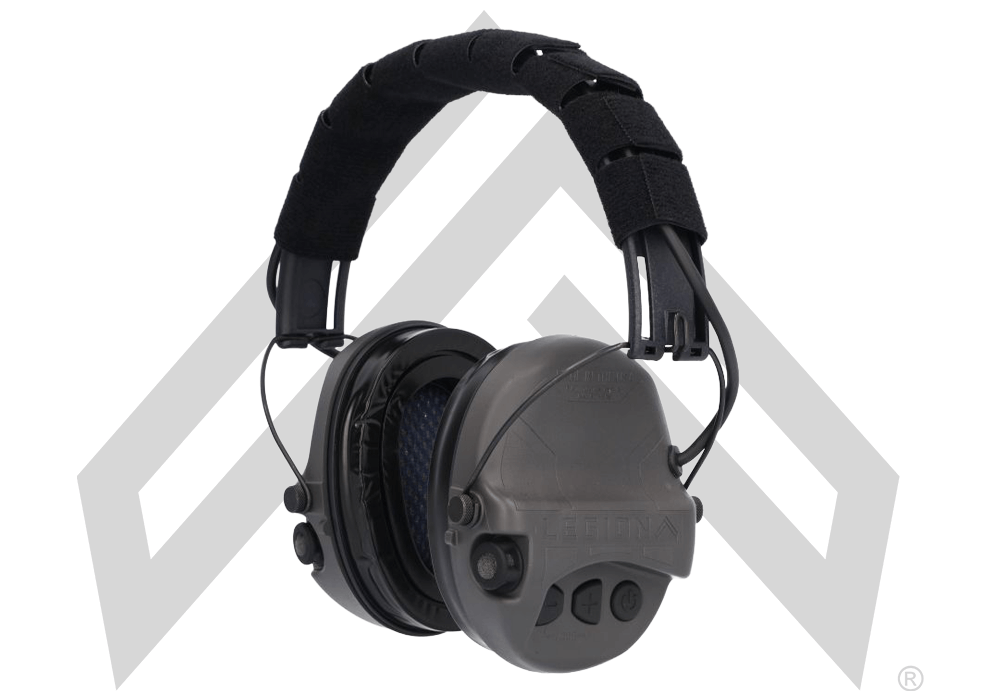
Personal Protection Equipment helps create a safer environment when people are exposed to noise, flying debris, dust, weather, impact hazards, or other conditions that can cause injury. The right equipment depends on the activity, the surrounding environment, and the level of exposure, so selection should begin with a simple hazard assessment. Consider what could reach the eyes or face, whether hands may encounter sharp edges or hot surfaces, how much noise is present, and whether footing, visibility, or changing weather could affect safe movement. In a workshop, protective eyewear can help guard against particles produced by cutting, drilling, or grinding. At an outdoor range, eye and hearing protection support safer, more comfortable practice by helping reduce exposure to spent debris, flying fragments, and sudden report. During property maintenance, gloves, sturdy footwear, and clothing suited to the task can add protection from rough materials, tools, and uneven ground. Personal protective equipment is generally considered the last line of defense after hazards have been removed, reduced, or controlled through safer procedures and equipment design. It should complement responsible handling, attentive supervision, appropriate training, and compliance with applicable workplace or range requirements rather than replace them. For those who spend time around loud tools, engines, machinery, or firearms, explore Protection For Hearing to find options intended to help reduce harmful noise exposure while preserving awareness of the surrounding environment. Choosing equipment that matches the task is more useful than choosing the most elaborate option; protection should be practical enough to wear consistently and suited to the conditions where it will be used.
Fit, comfort, and compatibility are central purchase considerations. Protective eyewear should sit securely without obstructing vision, leave enough room for normal movement, and remain comfortable during extended wear. Hearing protection should seal or fit as intended, stay in place during movement, and provide a level of attenuation appropriate to the noise involved. Gloves should allow the wearer to maintain dexterity and a reliable grip instead of creating bulk that makes tools or equipment harder to control. Footwear and other protective clothing should fit correctly, provide suitable traction, and work with the layers worn during cooler conditions. When several pieces are used together, check that they do not interfere with one another: eyewear should remain stable with headwear, hearing protection should not be displaced by other gear, and gloves should not restrict the safe operation of equipment. Look for clear product specifications, sizing information, care instructions, and any applicable safety markings or performance ratings. Requirements can vary by job, industry, facility, and jurisdiction, so employers and safety professionals should consult relevant OSHA, ANSI, ASTM, NFPA, or other applicable standards when selecting equipment for occupational use. PPE intended for a particular chemical, electrical, respiratory, or impact hazard must be appropriate for that hazard; general-purpose equipment should not be assumed to provide specialized protection. During the cooler months, changing temperatures and damp conditions can affect comfort, visibility, grip, and storage, making layered clothing and weather-appropriate accessories useful additions to a carefully selected setup. A person who works outdoors may appreciate equipment that can be adjusted without removing gloves, while someone who spends long sessions at a range may value lightweight protection that remains comfortable from the first preparation through cleanup. These practical details often determine whether protective equipment becomes a dependable part of a routine or gets left behind.
Personal protection equipment also makes a thoughtful gift for a new range visitor, a homeowner preparing for seasonal projects, a tradesperson, or anyone building a more complete safety kit. A useful gift does not need to be complicated: correctly sized protective eyewear, comfortable hearing protection, durable gloves, or other task-appropriate equipment can help someone approach familiar activities with greater care. Before giving PPE, consider the recipient’s typical environment, preferred fit, and any equipment they already use. Someone who spends weekends maintaining a workshop may need protection suited to dust, impact, and noise, while an outdoor enthusiast may place greater value on comfort, visibility, weather resistance, and easy storage. Families can also benefit from keeping designated protective equipment with workshop tools, range supplies, vehicles, or emergency kits so it is available before a task begins rather than after exposure has already occurred. Inspect equipment before each use for cracked lenses, torn materials, worn seals, loose fasteners, damaged straps, or other signs that performance may be compromised. Clean reusable items according to the manufacturer’s directions, allow them to dry fully, and store them away from excessive heat, moisture, chemicals, and direct sunlight. Disposable items should be replaced when soiled, damaged, or no longer able to provide the intended protection. Hearing and eye protection deserve particular attention because small changes in fit can reduce effectiveness, while shared equipment should be cleaned and maintained in a manner appropriate for repeated use. A well-organized kit, kept where it is easy to reach, supports consistent habits when the air turns crisp, daylight fades earlier, or an unexpected project appears on a weekend afternoon. Selecting PPE with the task, user, fit, maintenance needs, and applicable safety requirements in mind helps make protective equipment a practical part of responsible preparation.