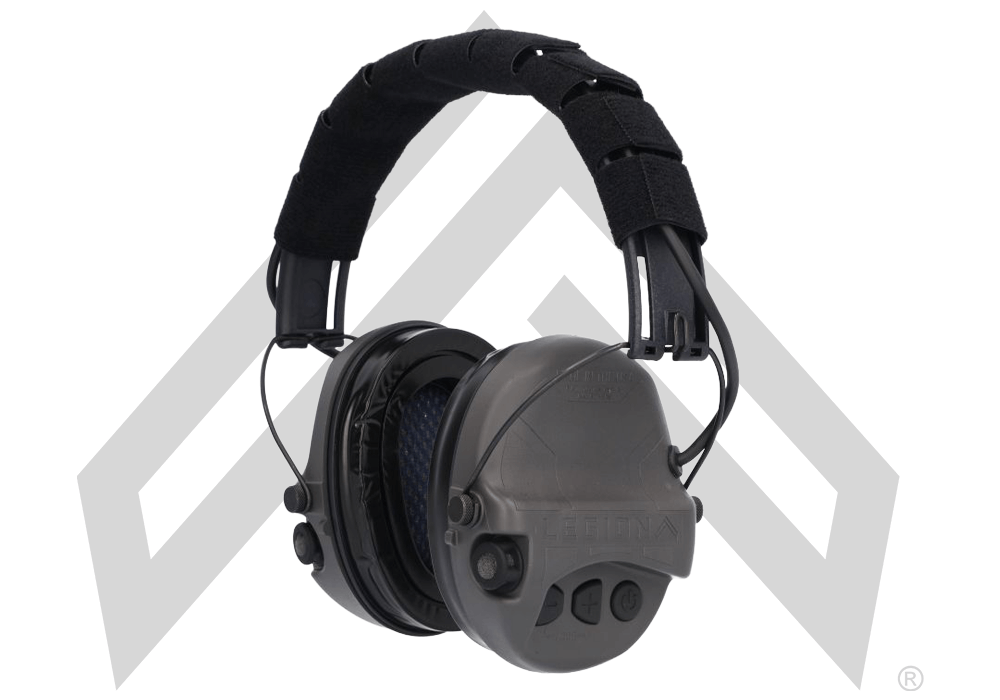
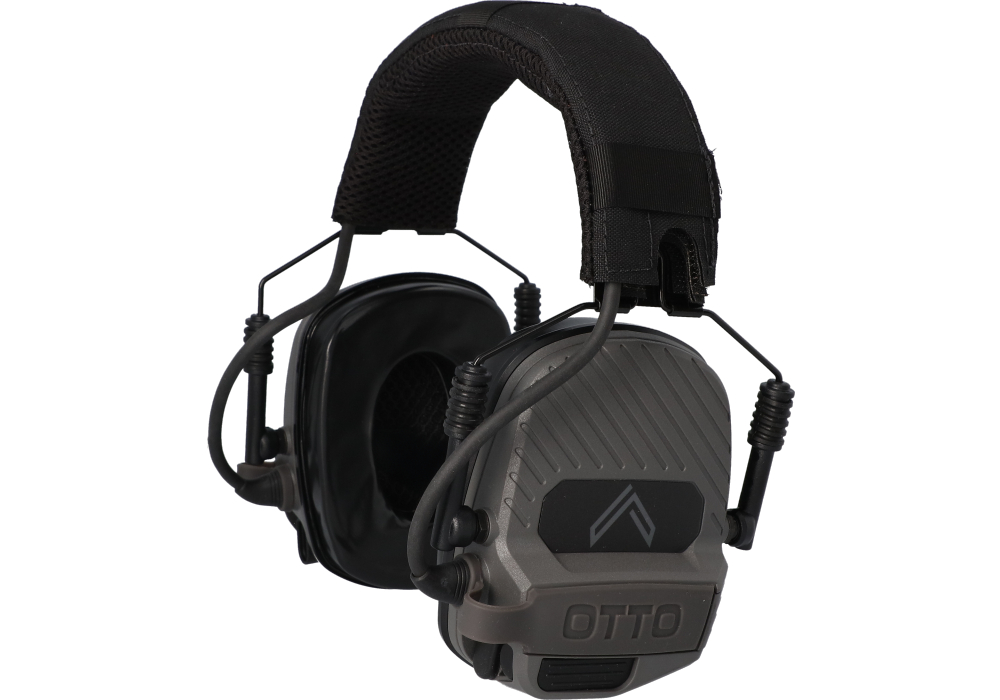
Protection for hearing starts with equipment that reduces the sound reaching the ears while fitting securely enough to stay in place. Earplugs and earmuffs serve the same basic purpose, but their shapes, materials, and wearing styles suit different activities and preferences. Earplugs fit inside the ear canal, keeping the space around the head clear for eyewear and other equipment. Disposable foam plugs compress for insertion, then expand to conform to the canal; reusable designs often use soft silicone or other flexible materials with flanges that form a seal. Custom-molded options follow the shape of an individual ear and require professional fitting. Earmuffs surround the outer ears with rigid cups, sound-absorbing material, and cushioned sealing rings held against the head by a band. Their visible, easy-to-check position appeals to people who prefer not to insert anything into their ears. Banded earplugs, sometimes called canal caps, connect small tips with a lightweight band for convenient handling, though their suitability depends on the noise exposure and their tested protection level. Across these categories, the best fit is one that provides suitable sound reduction and remains comfortable throughout the intended activity. A short visit to a woodworking shop presents different demands from several hours near loud equipment or an afternoon at a shooting range. Gunfire creates intense impulse noise that can permanently damage hearing, even when exposure is brief. For that setting, Shooting Ear Protection brings the focus to protective equipment suited to range use, where a dependable seal, compatibility with safety glasses, and adequate attenuation all matter. New participants, experienced target shooters, instructors, and spectators need to consider their exposure rather than relying on distance or familiarity with the sound. Hearing damage can develop without immediate pain, so comfort alone is not a reliable measure of whether a noisy environment is safe. Purpose-built hearing protection helps reduce that risk when correctly selected and worn.
The Noise Reduction Rating, or NRR, provides a useful starting point for comparing hearing protection. Expressed in decibels, it reflects performance under standardized laboratory test conditions; it is not a promise of the reduction every wearer will receive. A higher NRR generally indicates greater potential attenuation, but fit, wear time, and the characteristics of the surrounding noise affect actual protection. Simply subtracting the number on the package from a measured sound level does not reliably establish a safe exposure. For shooting and other very loud environments, earplugs worn beneath earmuffs can provide additional protection, although the two ratings cannot be added together. Indoor ranges warrant particular attention because reflected sound and nearby firing positions contribute to exposure. Passive earmuffs use their cups, internal acoustic material, and seals to reduce incoming sound without batteries. Electronic hearing protectors add microphones and circuitry that can reproduce quieter environmental sounds while limiting the electronically reproduced level of loud sounds. Depending on the design, this can help a wearer hear conversation or range commands without lifting an ear cup. The electronic features do not replace the physical protection supplied by the plugs or muff seals, and ordinary audio headphones or consumer noise-canceling headphones are not substitutes for hearing protectors rated for the activity. Some designs include communication or wireless audio features, but those functions deserve separate consideration from the protective rating. Fit becomes especially important when several pieces of equipment meet around the ears. Thick eyewear temples, hair beneath a cushion, or headwear caught under an ear cup can interrupt the seal. Slim eyewear temples may help, provided the glasses still meet the activity’s eye-protection requirements. Low-profile cups can reduce interference with other equipment, but cup size alone does not establish protective performance. For someone spending extended periods on a firing line, the practical details are easy to recognize: a headband that stays centered, cushions that surround rather than pinch the ears, and controls that are easy to identify by touch. Those qualities support consistent wear, which matters because even brief periods without protection can substantially reduce its overall benefit.
Materials and construction influence how hearing protection feels after the first few minutes and how well it holds up to repeated use. Soft foam earplugs are lightweight and compact, making individually packaged pairs convenient for a range bag or a guest who needs hearing protection. Their performance depends on correct insertion and sufficient expansion inside the canal, not simply resting them at the opening. Reusable plugs offer a different balance of convenience and upkeep, with washable designs suited to repeated use when cleaned according to their care instructions. Ear canal size varies, and a shape that seals comfortably for one person may feel loose or overly tight for another. With earmuffs, resilient cup shells, secure adjustment points, and replaceable cushions can support a longer service life. Cushion materials differ in softness and feel, while headband padding distributes pressure across the top of the head. A comfortable seal should remain stable during ordinary movement without needing constant repositioning. Care is straightforward but important: clean hands help keep earplugs free of dirt, and a protective case keeps reusable plugs from collecting debris in a pocket or bag. Earmuff cushions benefit from regular inspection for cracks, hardening, or deformation that could compromise contact around the ears. Cleaning methods should match the materials and electronics; immersion, harsh solvents, or unapproved treatments can damage components. Electronic designs also bring practical considerations such as battery type, accessible battery compartments, control layout, and automatic shutoff, where specified. Dry storage and attention to the manufacturer’s maintenance schedule help preserve reliable function between uses. Hearing protection can be a thoughtful gift for a range partner, shooting-sports participant, or someone who regularly works around loud tools, especially when the recipient’s preferred wearing style and fit are already known. For younger participants, appropriately sized protection and adult supervision are essential; an adult-size headband does not necessarily provide a secure seal on a smaller head. Whether selected for personal use or as a useful addition to someone else’s equipment, hearing protection earns its place through appropriate attenuation, a dependable fit, and comfort that encourages wearing it for the full duration of exposure.