Comfortable Hearing Protection
Stay focused on your range session with hearing protection that puts fit first. Explore over-ear and in-ear options with features such as gel ear cushions, comfortable headbands, and multiple ear tips. Compare each model’s fit, sound controls, and protection rating to find the right match for your range routine.
Read More




FAQ
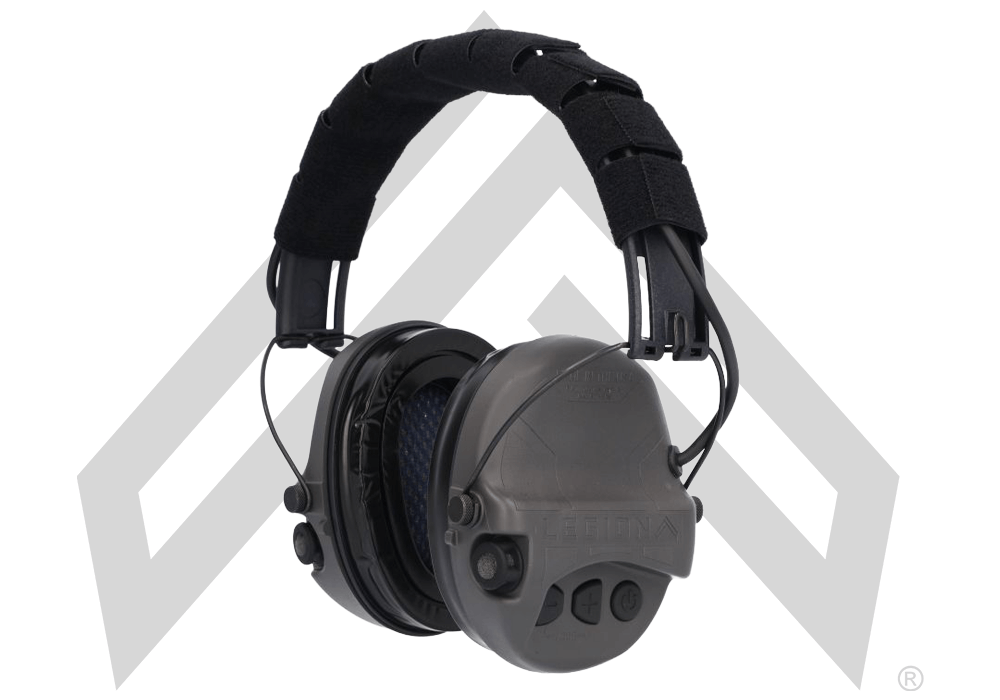
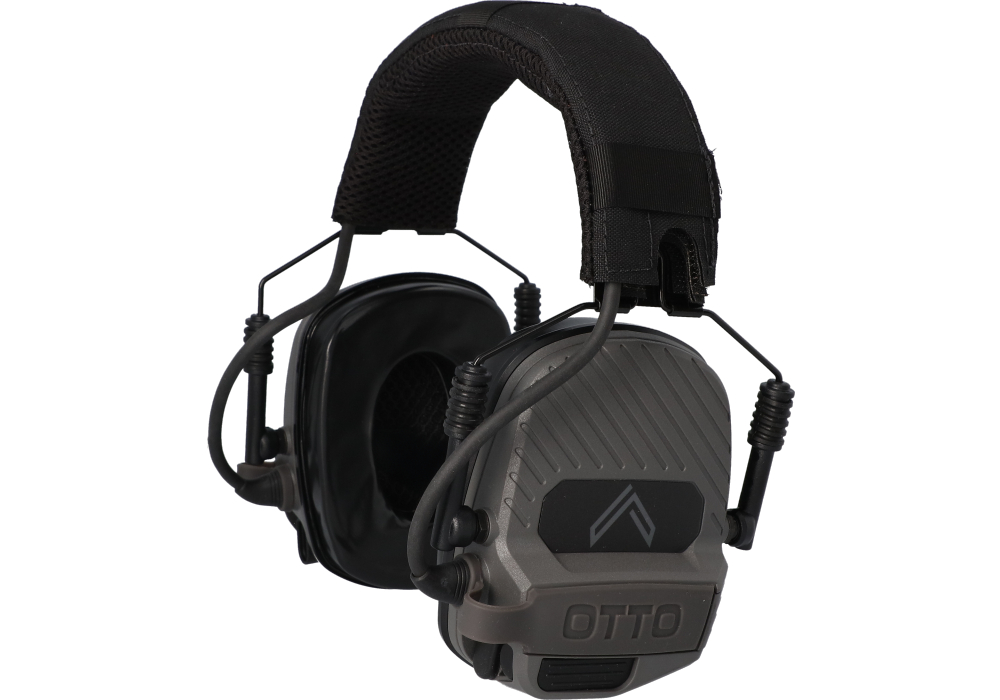
LEGION SAFARILAND CUSTOM ELECTRONIC HEARING PROTECTION features gel ear cushions, slim earcups, and an adjustable headband. ROSE EAR MUFFS feature a comfortable headband with a metal wire frame. SIG SAUER GS EXTREME 2.0 earbuds include eight pairs of ear tips and SportFit ear hooks. These features offer different ways to fine-tune fit; comfort still varies by wearer.
Ear muffs surround the ears and rely on a continuous cushion seal. In-ear protectors avoid an over-ear headband but require correctly fitted tips and proper insertion. Consider which format you can wear correctly and consistently, along with its protection rating and compatibility with your other gear. Electronic sound enhancement is available in both formats.
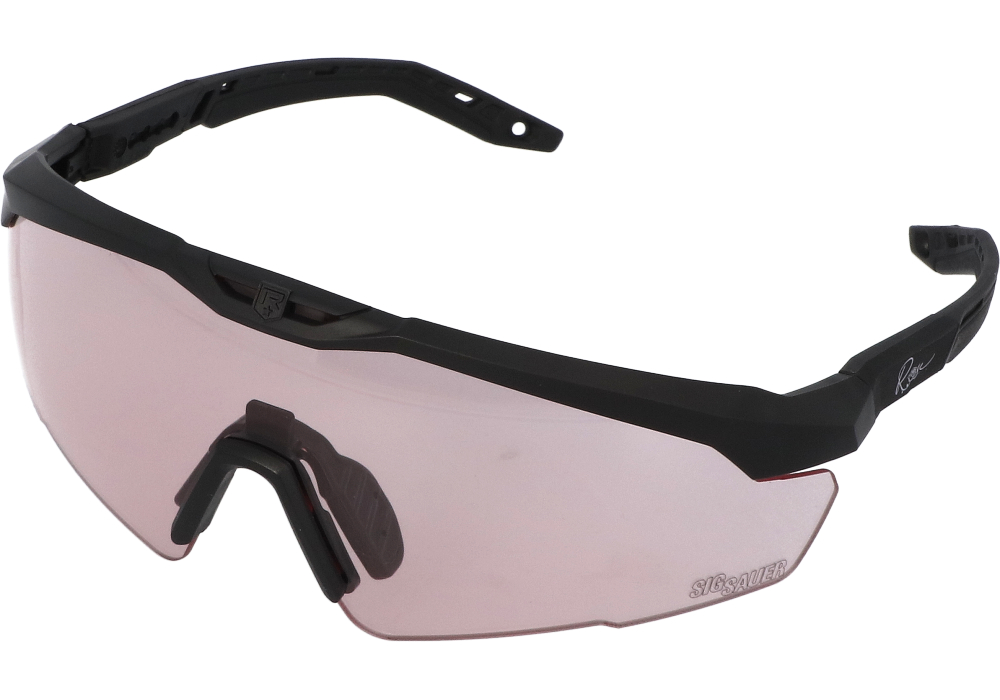
Try your hearing protection and shooting glasses together. Eyewear temples, hair, and headwear can interfere with an ear muff’s cushion seal. Check for even contact around each ear and follow the manufacturer’s fitting instructions. Do not loosen the fit simply to relieve pressure if that compromises the seal.
If you want to compare over-ear hearing protection and electronic sound features, explore tactical electronic ear muffs. If eyewear fit is your priority, explore adjustable shooting glasses. Evaluate both together before range use, since eyewear fit can affect an ear muff’s seal.
No. Noise Reduction Rating (NRR) and Single Number Rating (SNR) use different testing methods and are not interchangeable. Check each model’s stated rating, required tips, and fitting instructions rather than choosing by the largest number alone. Follow range rules and applicable hearing-protection guidance, including requirements to wear earplugs under ear muffs.
Best Sellers
Top Collections
High Performance 300 Blackout Rifles
AR 15 Rifles For Personal Safety
High Accuracy 308 Win Rifles
Maneuverable SBR Rifles
Firearms for Women Shooters
5.56 NATO Rifles for Target Shooting
9mm Pistols With Tactical Advantages
7.62 X39 Rifles for Target Shooting
Best 9mm Pistols
Colorful 9mm Pistols for Women
Compare Products
Items