Adjustable Shooting Glasses

Shop adjustable shooting glasses with a focus on fit and comfort at the range. Compare the adjustment options and lens details listed for each pair to find shooting eyewear that suits your shooting conditions and fits comfortably alongside your hearing protection.

per page
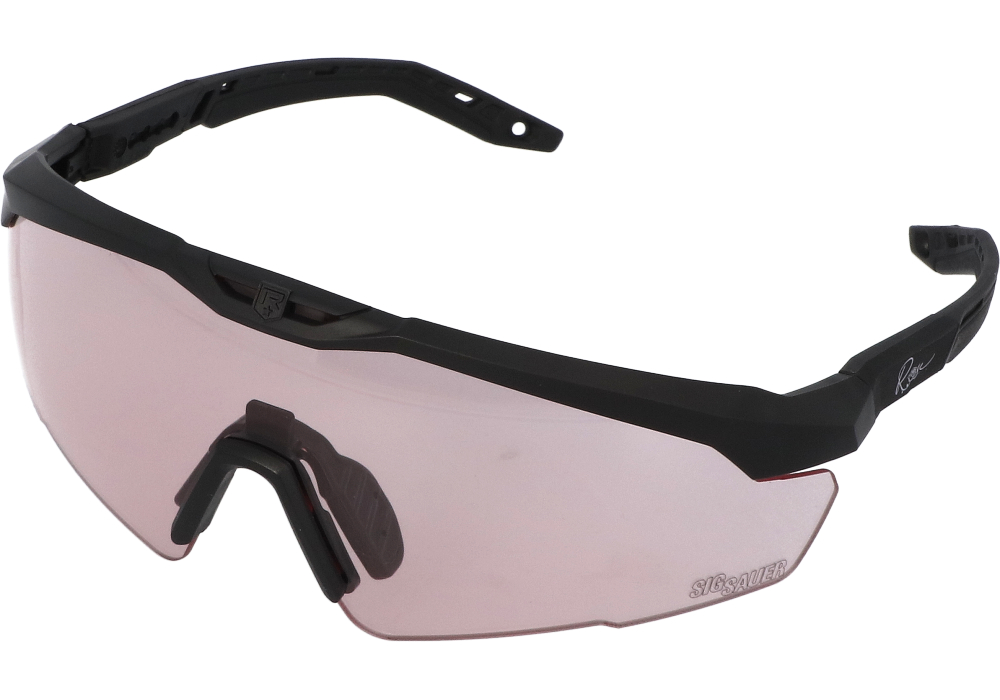
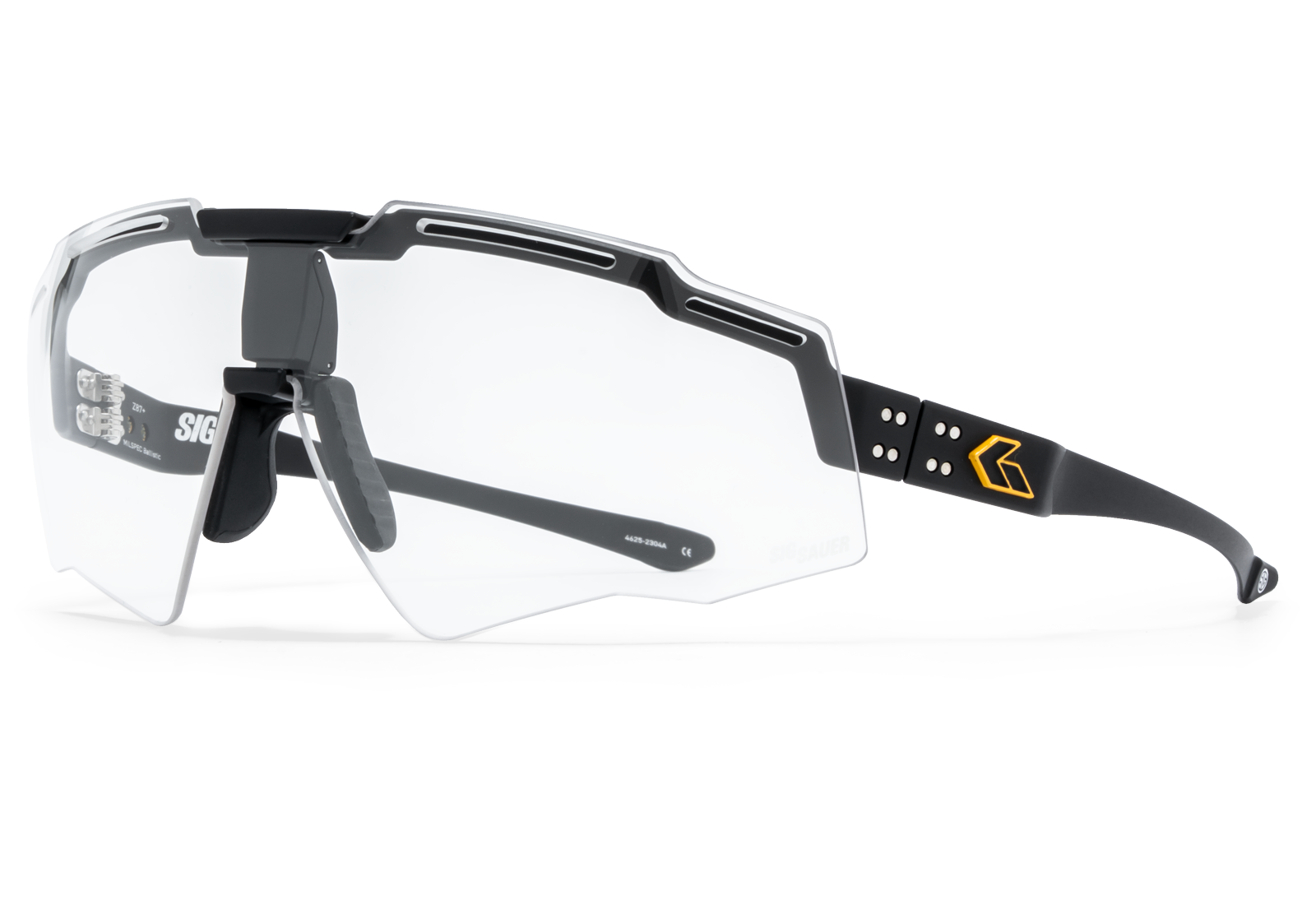
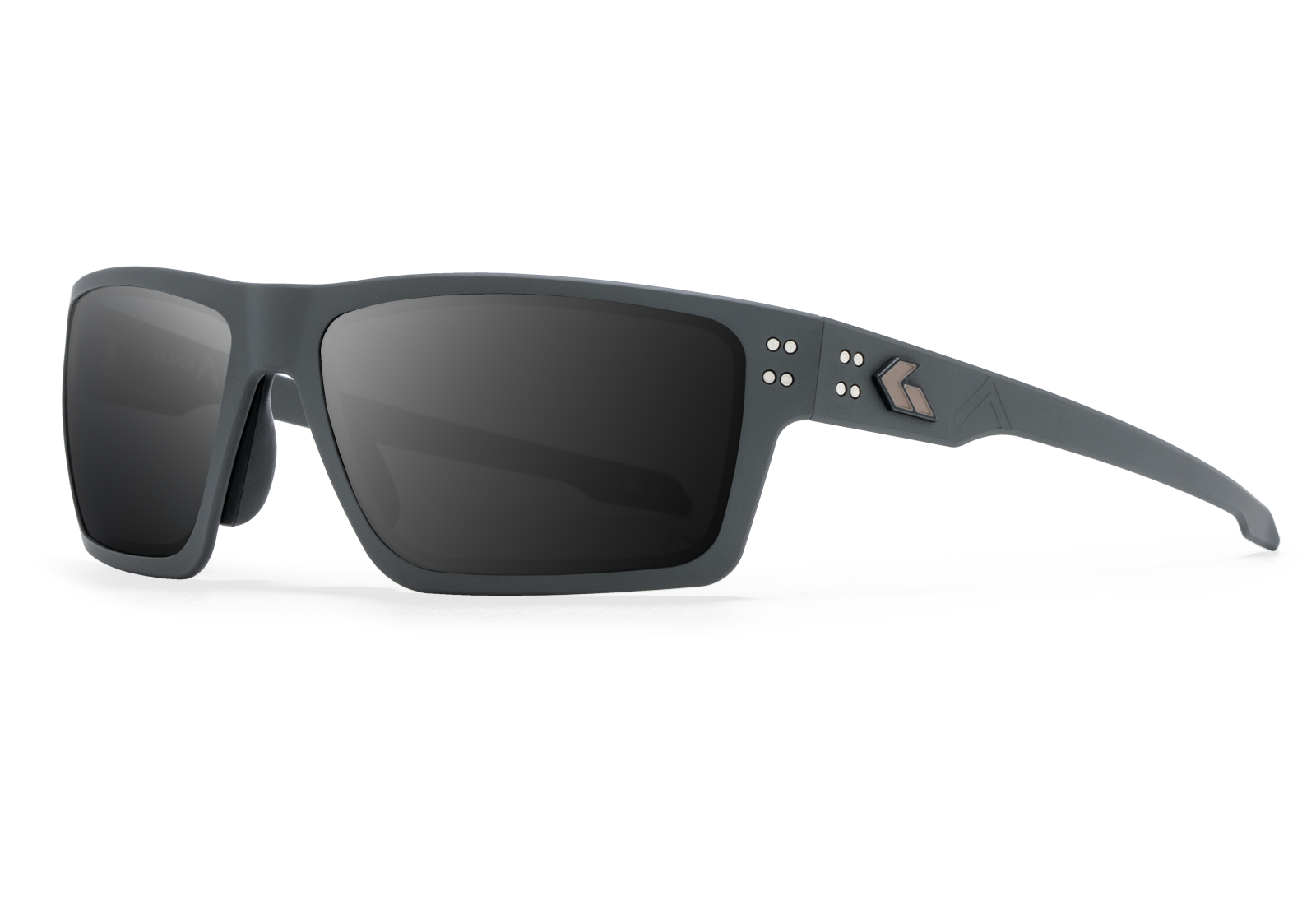
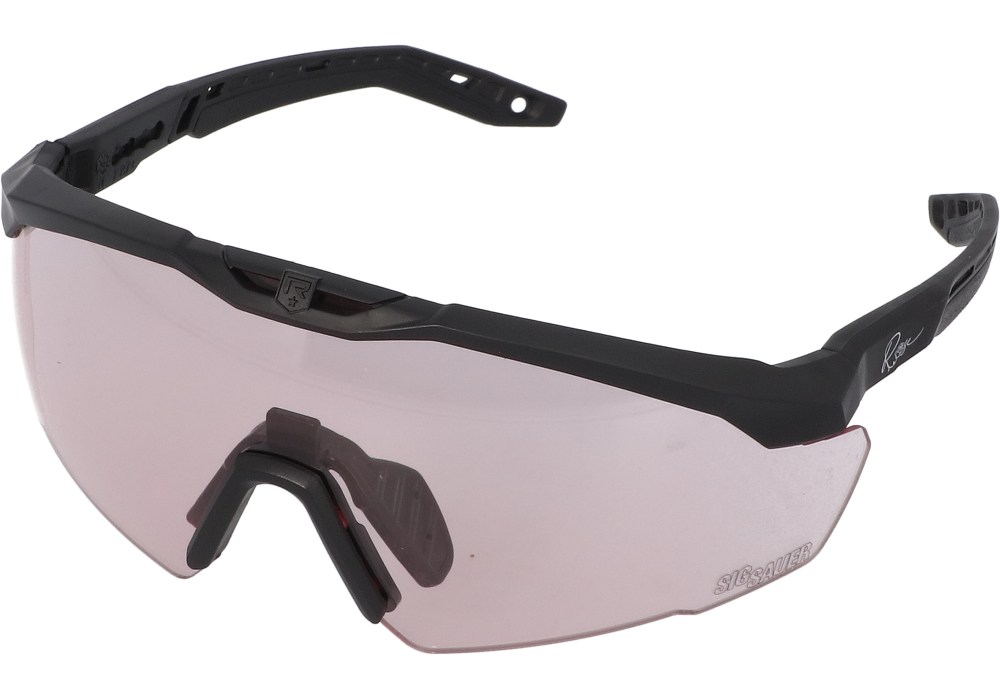
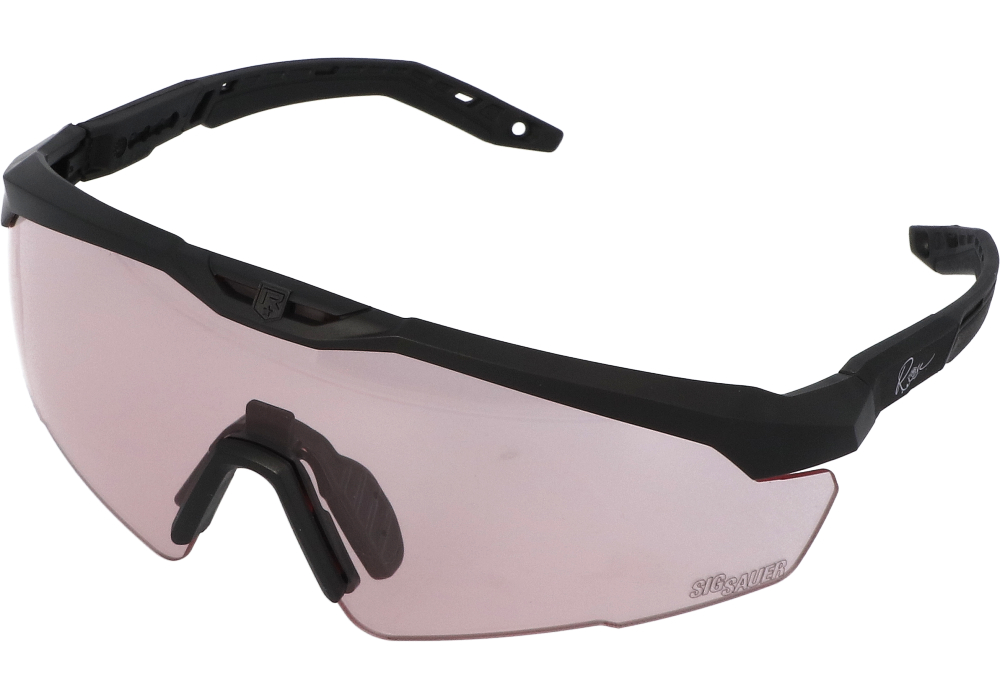
Adjustable shooting glasses are protective eyewear with fit features such as adjustable temple length, movable nose pads, or lens-angle settings that help position the lenses securely in front of the eyes. Depending on the design, those adjustments can change how the frame rests on the nose, where the temples sit behind the ears, and how closely the lenses follow the face. The benefit is a more personalized fit during shooting activities, when eye protection needs to remain in place through repeated movements. A frame that feels comfortable while standing at a counter may sit differently when the wearer leans forward at a shooting bench, turns toward a clay target, or settles behind a rifle. Adjustable components help accommodate those differences without relying on an overly tight frame. Temple length affects where the arms contact the head, while adjustable nose pads can help establish lens height and space around the bridge. Lens-angle adjustments, where included, allow the lens position to better match facial contours and shooting posture. The goal is stable coverage without pinching, excessive pressure, or frequent repositioning. Compatibility with hearing protection matters just as much: bulky temples can create pressure beneath earmuff cushions and may interfere with their seal, while slimmer temple profiles can feel less intrusive. Neither a tight fit nor a large lens alone guarantees suitable protection. Coverage, tested impact performance, and secure lens retention remain essential. For a shooter moving between a handgun stance and a rifle position, a well-fitted frame should remain steady without the upper rim crowding the sight picture. Adjustable shooting glasses can accommodate a wider range of facial shapes, but adjustment has limits; frame width, bridge shape, and lens dimensions still need to suit the individual wearer. A balanced fit keeps the lenses close enough for useful coverage while keeping eyelashes from brushing the inner surface and avoiding distracting contact with the cheeks.

Lens and frame construction influence comfort, clarity, and durability over repeated range visits. Polycarbonate is common in protective lenses because it combines low weight with impact resistance, although the material name alone does not establish the protective performance of a complete pair of glasses. Documented testing and appropriate markings are more meaningful than broad claims about toughness. For eyewear evaluated under ANSI/ISEA Z87.1, the Z87+ marking identifies high-impact performance under that standard; it should not be treated as interchangeable with a separate military ballistic rating. The applicable standard, lens markings, and manufacturer documentation help distinguish verified protection from an ordinary sunglass appearance. Lens shape also matters. Wraparound profiles and side coverage can help reduce exposure around the edges, while adequate upper coverage is useful when the head tilts forward behind a firearm. No eyewear eliminates every risk, and even a protective lens needs a suitable frame and secure retention system. Optical clarity deserves equal attention because distortion can make straight lines appear uneven or cause visual discomfort during extended practice. Clear lenses are often appropriate for indoor ranges and other settings where preserving light transmission is important. Tinted lenses may improve comfort in bright environments, while certain contrast-enhancing colors can change how targets and backgrounds appear. A darker lens is not inherently more protective against impact, and a tint that feels comfortable in one setting may obscure details in another. Anti-fog treatments and ventilation features can help manage lens fogging, but their effectiveness varies with fit, exertion, and the surrounding environment. Scratch-resistant coatings can extend usable clarity, though they do not make lenses scratchproof. For shooters who need vision correction, prescription-compatible frames or supported inserts can be relevant options. Adjustable fit is not the same as adjustable focus: moving the nose pads or temples changes positioning, not the wearer’s prescription. Any corrective arrangement needs to preserve the intended protective function and provide a clear view of the target and sighting system.

Adjustable shooting glasses suit a broad range of range routines, from a new shooter learning consistent positioning to an experienced competitor spending hours on a firing line. Instructors and frequent practice partners may particularly appreciate frames that stay comfortable through repeated demonstrations, observation, and shooting sessions. Clay-target sports place a premium on an unobstructed view as the eyes track movement, while precision practice can reveal small fit problems that become distracting during a sustained head position. A pressure point behind one ear or a frame that shifts whenever the wearer looks down can interrupt concentration long before the session ends. Secure adjustment mechanisms, smooth contact surfaces, and resilient frame materials contribute to everyday usability, especially when glasses share a range bag with hearing protection and other equipment. Care has a direct effect on how well that equipment holds up. Loose grit should be removed before wiping so that particles are not dragged across the lenses, and cleaning should follow the manufacturer’s recommendations for the lens material and coatings. A clean microfiber cloth and an approved lens cleaner are generally more suitable than a shirt hem, paper towel, or household solvent. A protective case helps prevent abrasion and keeps the frame from being compressed beneath heavier gear. Hinges, nose pads, temple adjustments, and lens-retention points also warrant attention over time; cracked components, deep scratches, or a loose lens can signal that eyewear needs replacement rather than another adjustment. Lenses that have sustained a significant impact should be evaluated or replaced according to the manufacturer’s guidance, even when damage is not immediately obvious. As a gift for a recreational shooter, adjustable eyewear offers a practical connection to time spent at the range, though personal fit and any prescription requirements deserve consideration. Across Shooting Eye Protection, the most useful combination is dependable coverage, verified protective performance, and comfort that encourages consistent wear. Adjustability supports that combination by helping the frame stay properly positioned through the movements of an ordinary shooting session.

FAQ

Related Pages

Compare Products
Items
Launch Compare

Zip Code Verification

Some localities have legal restrictions on products which requires the validation of your ZIP code

Age Verification

Some localities have legal restrictions on products which requires the validation of your age