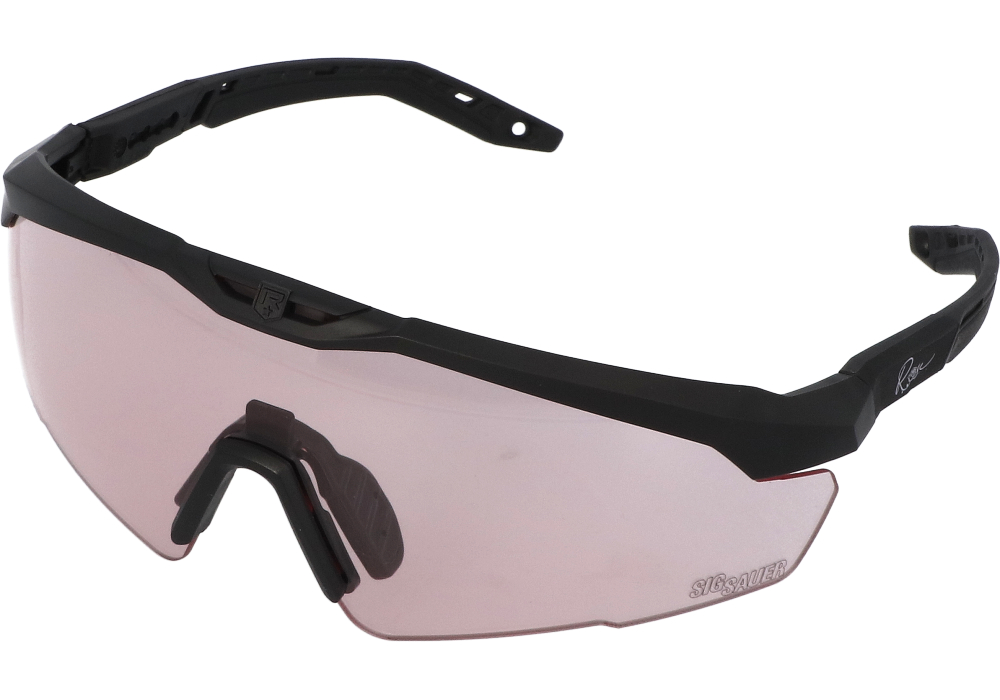
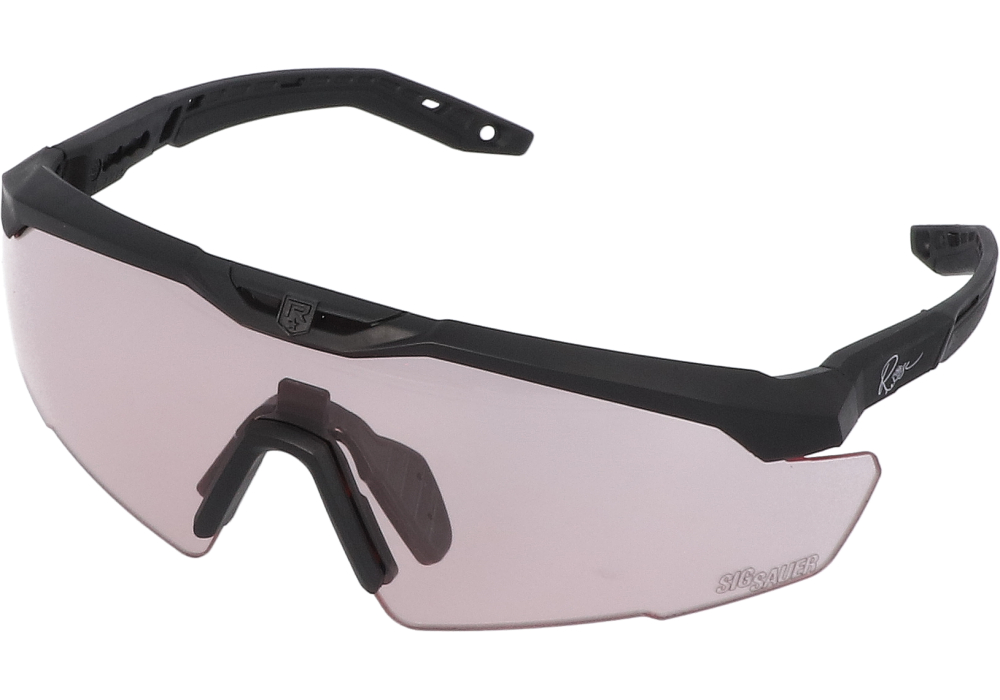
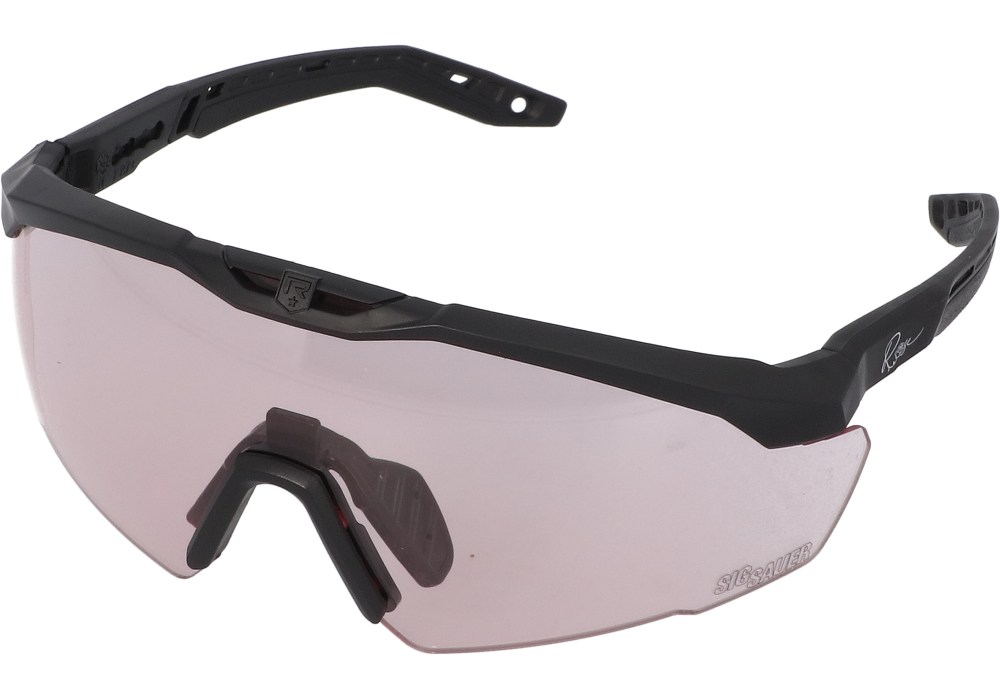
High-Contrast Shooting Glasses

Shop high-contrast shooting glasses to help distinguish targets from the background. Compare available lens and fit details to find shooting eyewear suited to your lighting conditions, and check stated protection ratings against your range’s eye protection requirements.

per page
High-contrast shooting glasses are protective eyewear with tinted lenses designed to improve the perceived separation between a target and its background. Yellow, amber, orange, and vermilion lenses selectively filter portions of visible light, which can help certain target edges, colors, and details stand out under suitable lighting. The benefit is not simply a brighter-looking view: it is a change in how contrasting elements appear together. A black aiming mark on pale paper presents a different visual challenge from an orange clay crossing a dark tree line, so the most useful tint depends on the shooting environment, target color, and individual vision. Yellow and lighter amber lenses are often associated with subdued or flat illumination, while deeper orange and vermilion tints produce a more pronounced shift in color balance. These effects are not universal, and a tint that feels comfortable to one shooter may seem distracting to another. Visible light transmission, the amount of light passing through a lens, is an important consideration alongside color. A darker lens can reduce overall brightness, but it may obscure useful detail on a dim indoor lane. A lighter tint may preserve more light without providing enough brightness reduction for an intensely illuminated setting. Colored lenses do not create light, provide night vision, or replace a needed vision prescription. Their value comes from matching the visual effect to the task while maintaining appropriate eye protection. For target shooters, clay enthusiasts, competitors, and people attending supervised range instruction, that balance can support a comfortable, readable view of the shooting area. Consistent optical clarity across the lens also matters, especially when the eyes move between a nearby sight and a more distant target. Distortion, distracting reflections, or an unsuitable tint can work against the contrast benefit. The strongest foundation is protective eyewear with documented performance, a suitable fit, and a lens color that supports the actual surroundings rather than simply looking vivid.

The construction of high-contrast shooting glasses matters as much as their tint. Polycarbonate is common in protective eyewear because it combines low weight with impact resistance, although the material name alone does not establish the protection level of a finished pair. Published ratings and manufacturer documentation provide a better basis for evaluation than a thick frame or a sporty appearance. Applicable ANSI/ISEA Z87.1 high-impact requirements are useful to consider, along with any additional requirements established by a range, instructor, or organized shooting activity. Lens darkness and color also do not establish ultraviolet protection; that is a separate specification. Coverage should account for the front and sides of the eyes without creating unnecessary obstruction around the sight picture. A wraparound shape can offer useful side coverage, but its curvature should remain compatible with the wearer’s prescription needs and visual comfort. Fit becomes especially noticeable during an extended practice session. A frame that seems comfortable for a few minutes can create pressure where its temples sit beneath earmuff cushions, while bulky temples may interfere with the hearing protector’s seal. A stable bridge and appropriately sized temples help keep the lenses aligned when the wearer looks down to handle equipment, turns toward an instructor, or settles into a shooting position. For rifle and shotgun use, frame height and brow placement deserve attention because a cheek weld can shift the line of sight toward the upper part of the lens. The goal is a clear view without having to lift the head or repeatedly reposition the glasses. Adjustable nosepieces and nonslip contact surfaces can help accommodate different facial shapes, though comfort depends on the complete frame rather than any single feature. Shooters who need vision correction may prefer prescription protective lenses, a compatible insert, or eyewear specifically designed to fit over prescription glasses. Each arrangement should preserve appropriate coverage and avoid contact between lenses. Lightweight construction is welcome, but dependable hinges, secure lens retention, and a fit that stays consistent are equally important to everyday durability.

Clear lenses stay useful longer when their surfaces and coatings receive appropriate care. Fine dust, residue, and grit can scratch a lens when wiped across it, leaving distracting marks precisely where a shooter needs an unobstructed view. Cleaning methods should follow the eyewear manufacturer’s directions, particularly when lenses have anti-fog, antireflective, or other specialized treatments. Where permitted, rinsing away loose particles before using a clean microfiber cloth helps limit abrasion; a shirt hem or used range towel can carry debris that is difficult to see. Strong solvents, household glass cleaners, and abrasive materials may damage certain lens materials or coatings. A protective case helps prevent contact with tools, loose ammunition, and other hard objects in a range bag, while a separate lens compartment can keep interchangeable lenses from rubbing together. Scratched, cracked, loose, or otherwise damaged components warrant attention because visual clarity and protective performance are both important. Moisture on the inside of a lens presents another concern: a useful tint cannot compensate for a view obscured by condensation. For shooters comparing ways to maintain a clearer view, Anti-Fog Shooting Glasses are a related consideration, particularly when protective eyewear is worn with other equipment close to the face. Coating care, frame fit, and airflow all influence that experience, and no treatment should be assumed to prevent fogging in every situation. Practical details such as an easy-to-clean frame, replaceable components where supported, and a case that fits comfortably into range equipment can matter over repeated use. High-contrast shooting glasses can also be a thoughtful gift for a regular range visitor, a clay shooter, or someone beginning formal instruction, provided their fit, prescription needs, and required protection standards are understood. Personal preference remains important because lens color changes the entire visual scene, not just the target. A well-suited pair brings together appropriate impact protection, comfortable coverage, dependable construction, and a tint that helps the wearer distinguish the details relevant to their shooting activity.

FAQ

Related Pages

Compare Products
Items
Launch Compare

Zip Code Verification

Some localities have legal restrictions on products which requires the validation of your ZIP code

Age Verification

Some localities have legal restrictions on products which requires the validation of your age