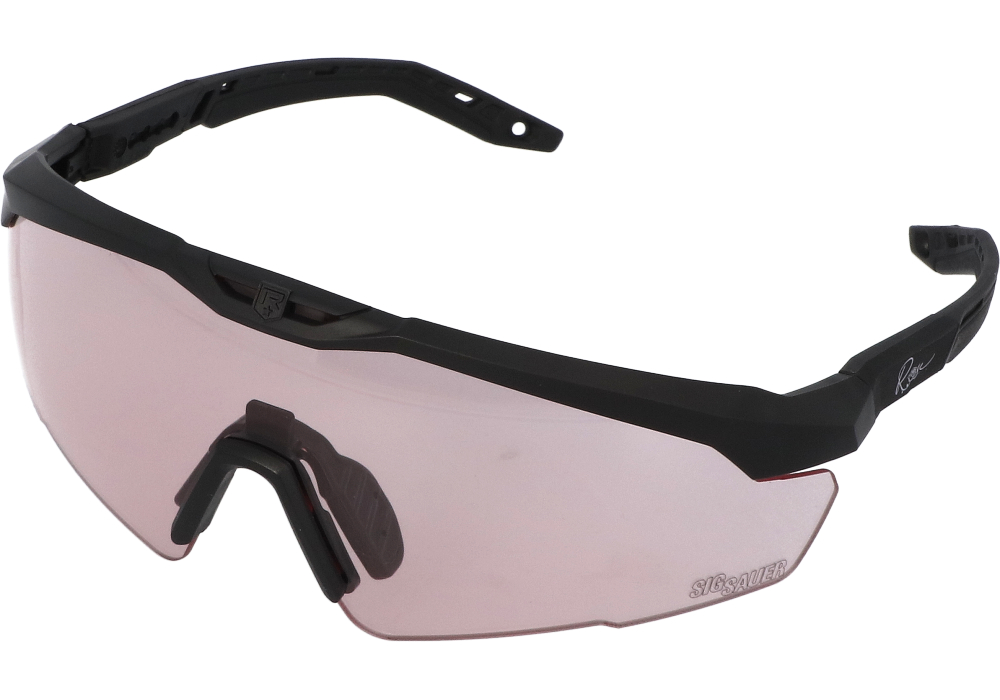
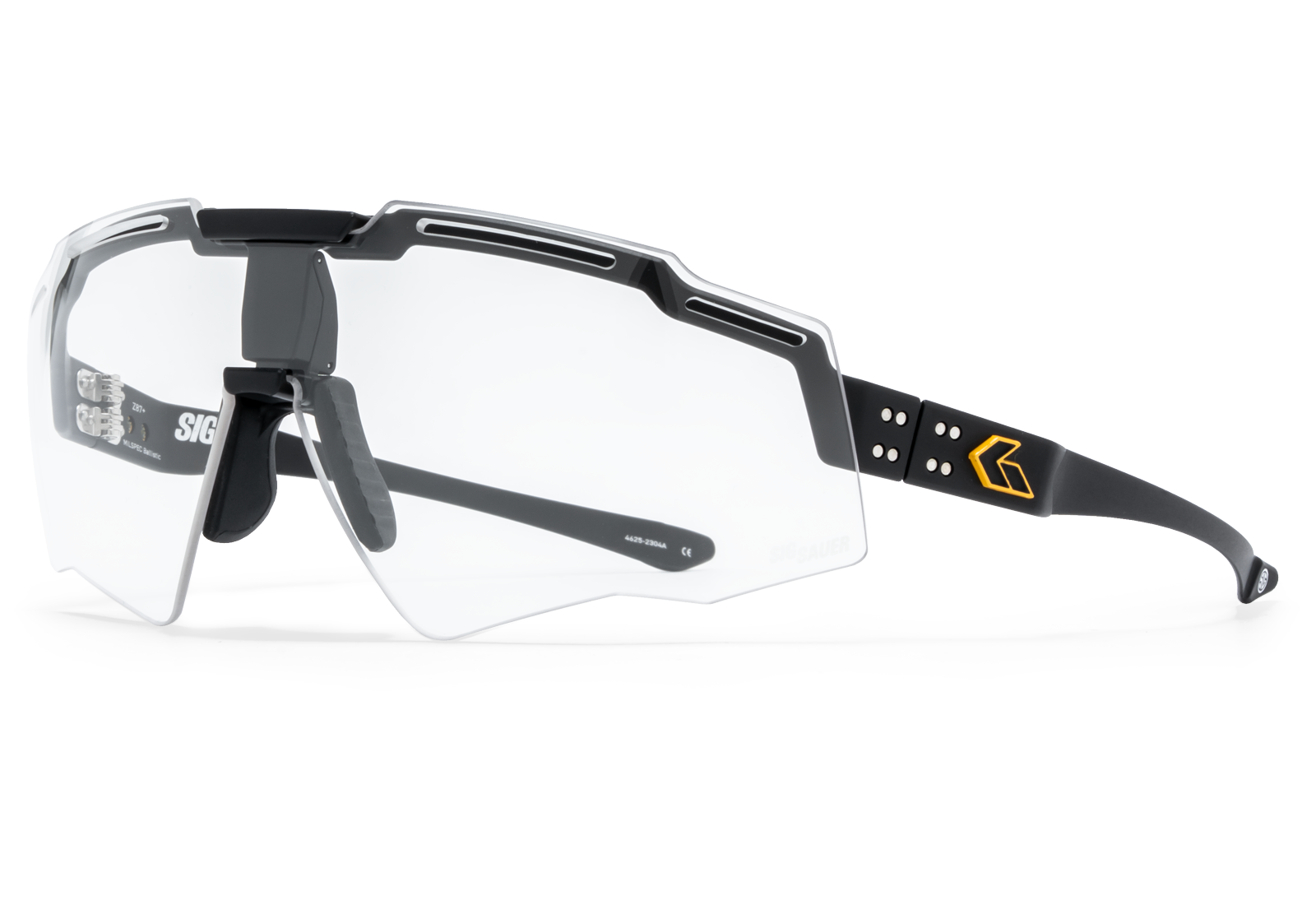
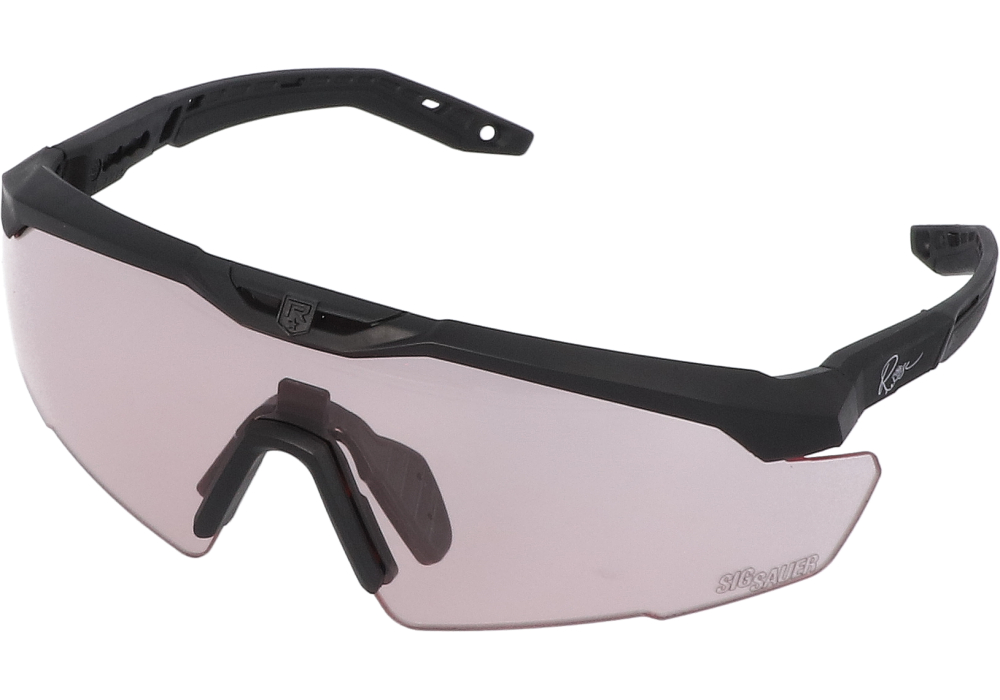
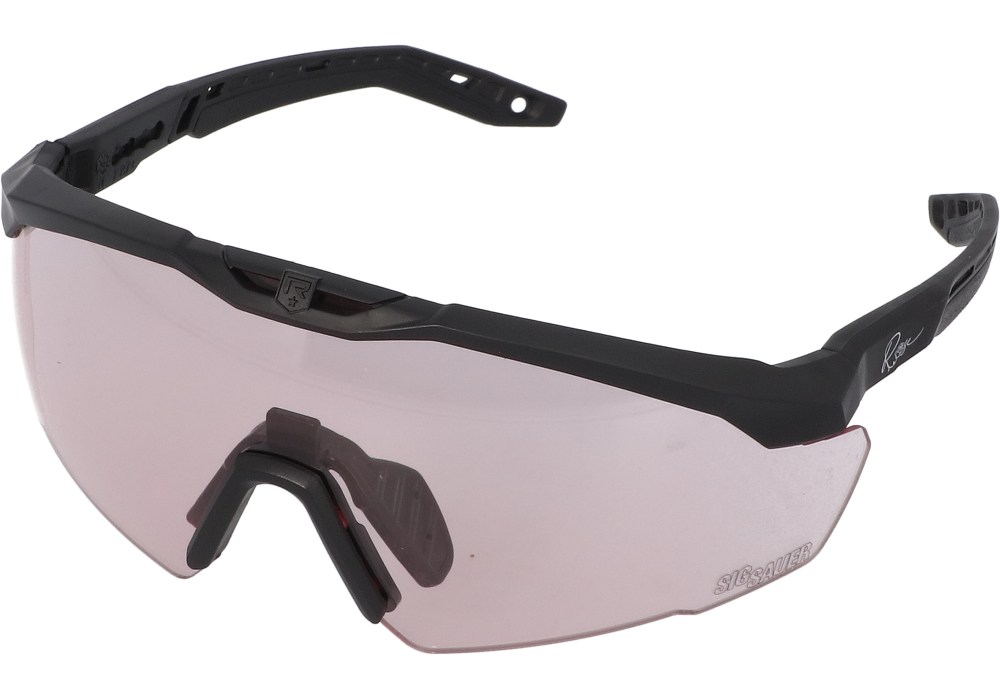
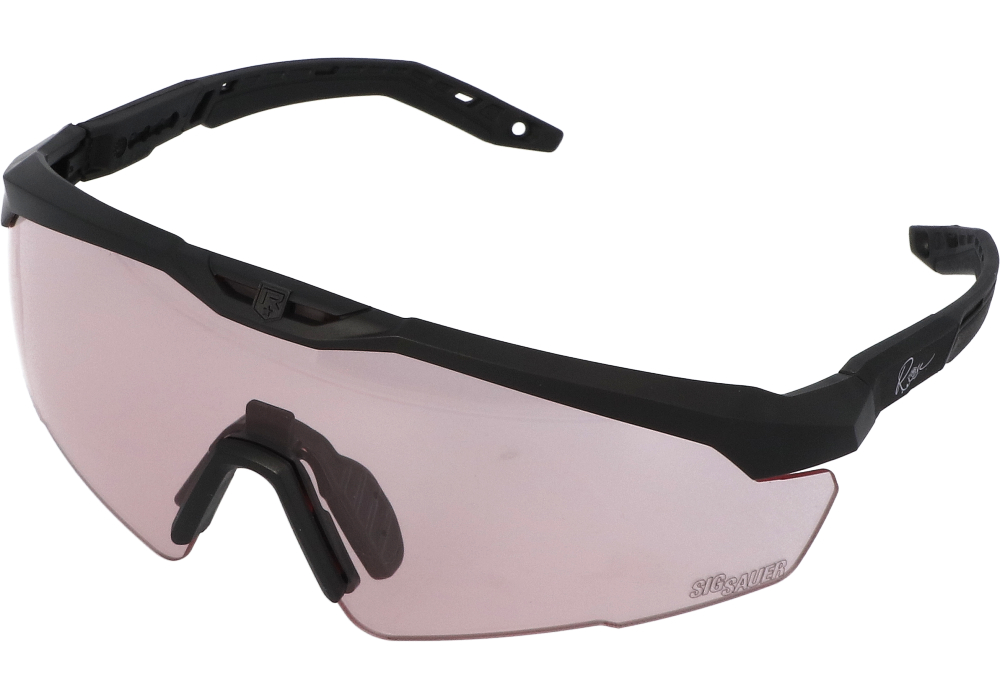
Anti-Fog Shooting Glasses

Explore anti-fog shooting glasses designed to help reduce lens fogging during range sessions. Compare fit details, lens specifications, and listed impact-protection ratings to find shooting eyewear that suits your lighting conditions and eye-protection needs.

per page
Anti-fog shooting glasses combine impact-resistant eye protection with lens treatments and frame designs that help manage moisture, supporting a clearer view of targets, sights, and the surrounding range. Fog forms when condensation gathers across a lens, scattering light and obscuring detail. Perspiration, exhaled breath, and limited airflow around the face can all contribute, particularly when protective equipment sits close to the cheeks or nose. An effective anti-fog design addresses that moisture while maintaining the protective coverage needed for shooting. Hydrophilic treatments help moisture spread into a more uniform film rather than collecting as tiny beads, while ventilated frames encourage air circulation around the lenses. Results vary with coating technology, frame shape, facial fit, and surrounding equipment. No treatment guarantees completely fog-free vision in every situation, and a coating’s performance depends in part on its condition and proper care. Anti-fog performance also does not establish impact protection: those are separate characteristics, and both deserve attention when comparing eyewear. Polycarbonate is common in protective lenses because it combines low weight with impact resistance, while frame construction and lens retention help determine how the complete assembly performs. Published specifications and recognized testing, such as applicable ANSI Z87.1 requirements, provide more useful information than appearance alone. The Z87+ marking identifies high-impact performance under that standard; military ballistic claims involve different testing and should be evaluated separately. Coverage matters as well, especially near the sides of the eyes, where wraparound lenses or purpose-designed side protection help shield against flying debris. Clear lenses suit many indoor settings, while tinted lenses may be appropriate for brighter environments. Lens color alone does not confirm ultraviolet protection, impact performance, or anti-fog treatment. Optical clarity remains important across these choices: a target edge should look defined, and the viewing area should be free of distracting distortion. Protective performance, appropriate coverage, and a consistently usable view matter more together than any single feature considered on its own.

A secure fit helps anti-fog shooting glasses function as intended throughout a range session, from checking a target to settling behind a sight. Eyewear that slides down the nose invites repeated adjustments, while an overly tight frame creates pressure at the temples and may become uncomfortable beneath hearing protection. A well-matched bridge supports the lenses without pinching, and temple arms should hold their position without forcing the frame against the face. Adjustable nose pads, flexible temples, and multiple fit settings offer different ways to refine that balance. For options centered on a more personalized fit, Adjustable Shooting Glasses provides a related category to explore. Fit is also closely connected to moisture control: glasses pressed against the cheeks may restrict airflow, but excessive gaps can compromise coverage. The goal is the fit specified for the protective design, not simply the largest opening around the lens. Compatibility with other equipment deserves equal attention. Broad temple arms may interfere with an earmuff cushion’s seal, and a hat brim or face covering may change how air moves around the lenses. Evaluating the complete combination helps reveal pressure points and interference that are easy to miss when glasses are worn alone. For prescription wearers, purpose-designed prescription safety eyewear or a compatible, tested over-glasses system offers a more appropriate approach than assuming ordinary corrective glasses provide shooting protection. Lens height and frame geometry also affect the view when looking through sights or using a shooting position that brings the brow closer to the upper frame. A comfortable pair should stay stable through normal head movement without forcing an awkward posture. For supervised first-time range visits, regular target practice, or organized competition, these practical details influence whether the glasses remain comfortable enough to wear consistently. They also explain why a frame that suits one shooter may not suit another, even when both pairs share similar lens materials and anti-fog features.

Durability depends on more than a sturdy frame, because scratches, worn coatings, and poor storage can gradually undermine the view through protective lenses. A hard coating may improve scratch resistance, but it does not make a lens scratchproof, and an anti-fog treatment may require its own cleaning routine. Dust and range grit should be removed according to the eyewear manufacturer’s directions before wiping; rubbing a contaminated lens with a shirt sleeve can leave fine scratches that become distracting under range lighting. Approved cleaning solutions and a clean, suitable lens cloth help preserve surface treatments, while household glass cleaners, solvents, and aftermarket anti-fog sprays should be avoided unless expressly permitted for that eyewear. Some coatings require particular drying methods, so a familiar cleaning habit from everyday glasses may not be suitable. A protective case keeps lenses from rubbing against keys, tools, or other equipment inside a range bag, and a dedicated storage spot makes it easier to keep the glasses clean between sessions. Before use, the lenses, hinges, nose supports, and retention points deserve a quick condition check. Cracks, loose components, deep scratches, peeling coatings, or persistent distortion are reasons to consult the replacement guidance rather than continue relying on compromised eyewear. Glasses subjected to a significant impact may need replacement even when damage is not obvious. If fog obstructs vision during shooting, following range procedures and pausing safely is preferable to continuing with an obscured view or removing protection on an active firing line. These considerations make anti-fog shooting glasses relevant to new shooters, frequent range visitors, instructors, and others who spend extended periods in designated shooting areas. They can also be a thoughtful gift for a target-shooting enthusiast when the recipient’s fit, prescription needs, and range requirements are known. Long-term usefulness comes from matching the protective specifications to the activity, choosing a comfortable fit, and maintaining the lenses so that both visibility and protection remain priorities.

FAQ

Related Pages

Compare Products
Items
Launch Compare

Zip Code Verification

Some localities have legal restrictions on products which requires the validation of your ZIP code

Age Verification

Some localities have legal restrictions on products which requires the validation of your age