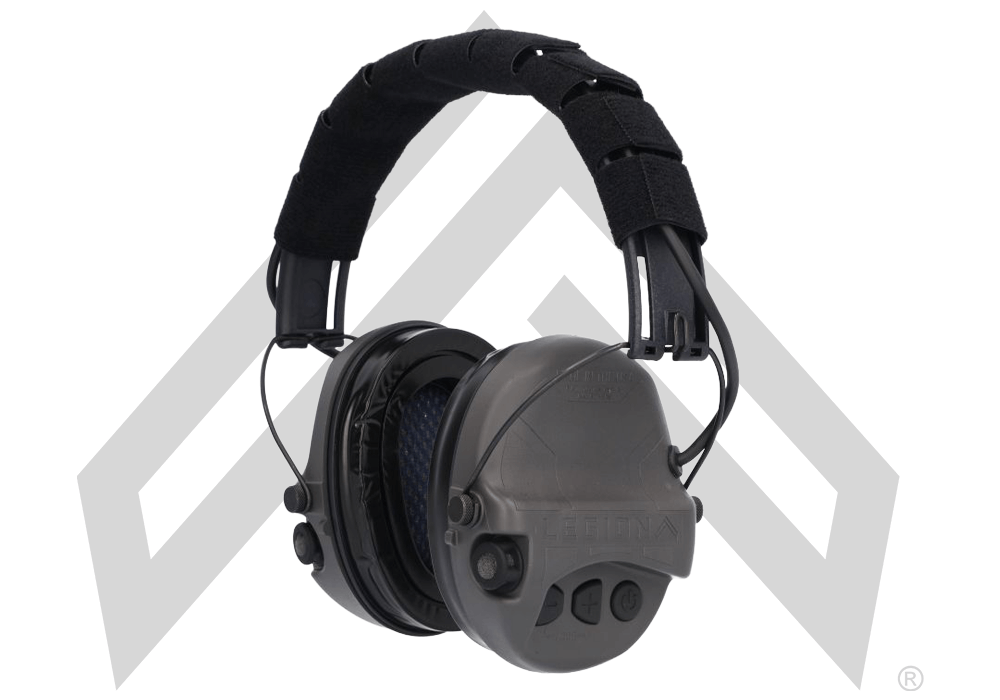
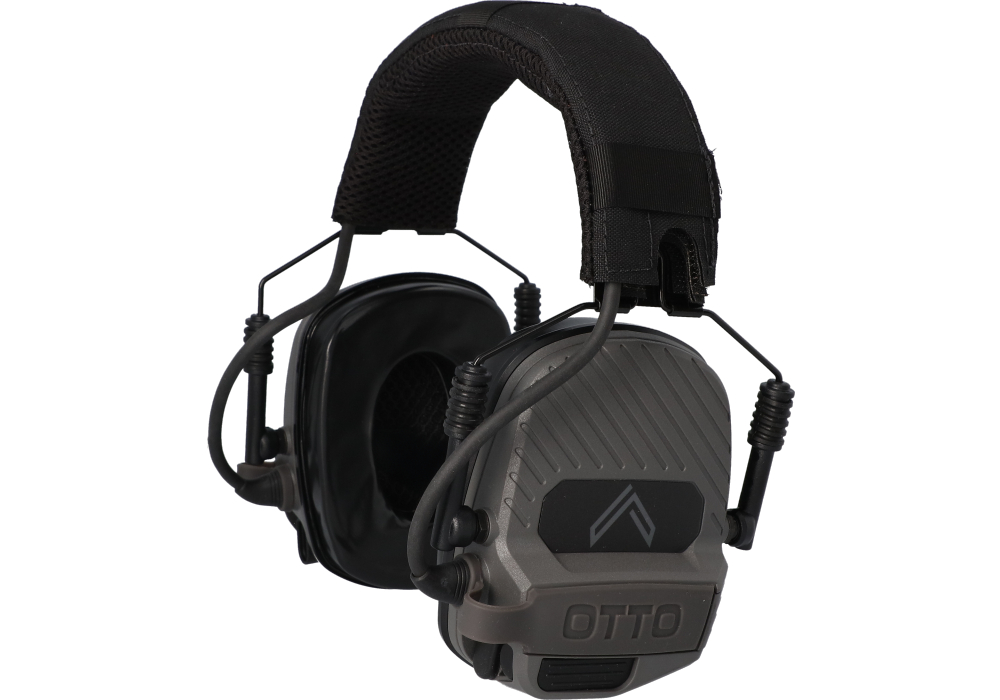
Tactical electronic ear muffs combine passive hearing protection with battery-powered microphones and speakers that help the wearer hear nearby speech and environmental sounds. Depending on the design, sound-activated compression or electronic limiting reduces amplified audio when noise rises, while the ear cups and cushions provide the physical barrier that helps reduce sound reaching the ears. That distinction matters: electronic listening features support communication and awareness, but they do not replace a secure fit or sufficient noise reduction for the setting. At a shooting range, this combination can make an instructor’s explanation or a range officer’s command easier to follow without repeatedly lifting an ear cup. Electronic shooting earmuffs suit recreational target shooters, competitors, instructors, and professionals whose training involves repeated exposure to firearm noise. Their usefulness depends on more than a fast response specification or a long feature list. The Noise Reduction Rating, or NRR, expresses laboratory-tested attenuation in decibels; it is not a promise that every wearer will receive that exact reduction in everyday use. Fit, eyewear, positioning, and the surrounding noise all affect practical performance. Indoor lanes and covered firing positions can create demanding sound environments, and earplugs worn beneath earmuffs may be appropriate or required by range rules. The ratings of plugs and muffs are not simply added together, so combined protection should follow established hearing-conservation guidance rather than an assumed total. Electronic amplification also cannot restore every sound masked by earplugs. Clear speech reproduction, manageable background hiss, and controls that are easy to distinguish by touch can be more useful than maximum listening volume. A well-suited pair balances protective performance with comfortable communication, whether the session involves a short introduction to range procedures or several hours of supervised practice. Turning up the microphones does not increase the protective rating, and no electronic earmuff eliminates every hearing risk. Reliable protection begins with the right attenuation for the environment and consistent wear throughout exposure.
Fit gives tactical electronic ear muffs much of their everyday character. Slim ear cups can provide more clearance around a rifle stock, helping limit contact that could shift a cushion away from the head. That clearance is valuable during a consistent cheek weld, although a low-profile shape should never be treated as a substitute for an appropriate protective rating. Deeper cups may offer additional internal room around the ears, while a compact profile may feel less cumbersome alongside other equipment. Neither shape is automatically the best choice for every head or shooting position. An adjustable headband should hold both cups evenly without concentrating pressure at the crown or squeezing the jaw. Too little tension can compromise the seal; excessive pressure becomes distracting over a longer session. Cushion materials influence that balance. Foam cushions offer a familiar, compressible contact surface, while gel cushions may distribute pressure differently and improve comfort for some wearers. Gel does not guarantee a better seal, particularly when cushion dimensions or headband tension are unsuitable. Eye protection deserves equal attention because thick temples can create gaps beneath the cushions. Slim eyewear temples, hair kept clear of the sealing surface, and headwear that does not bunch beneath the cups can help maintain more consistent contact. A comfortable fit should remain stable through ordinary head movement, not only while standing still. Durable polymer shells, reinforced adjustment points, and protected microphone openings are practical details for equipment that travels between a range bag, bench, and storage cabinet. Padded headbands can soften pressure, but the covering should also tolerate routine cleaning according to the manufacturer’s directions. Folding designs save space in a bag, while nonfolding designs avoid that particular hinge mechanism; the better choice depends on transport needs and personal preference. For anyone sharing a busy firing line, a secure seal and balanced pressure often matter more over time than an aggressive exterior shape or elaborate styling.
Electronic features shape how these earmuffs work within a full range setup. Controls with distinct positions can simplify operation when attention belongs on instructions rather than a tiny dial. Separate listening adjustments may suit some users, while a single control can keep operation straightforward. Multiple microphones can support a sense of direction, although actual sound localization depends on microphone placement, processing, fit, and the listening environment. An audio input or wireless connection may support compatible devices, but ordinary audio connectivity is not the same as a dedicated two-way communication system. Radio use can require specific connectors, cables, microphones, or push-to-talk accessories, and helmet mounting requires compatible hardware rather than an assumed universal fit. These distinctions matter most for organized training and professional use, where dependable communication has a defined role. Battery type, access to the battery compartment, automatic shutoff, and published operating time also influence convenience. An accessible compartment makes routine battery changes less awkward, while automatic shutoff can help conserve power between sessions. Electronic listening may stop when batteries are depleted, so a pre-session function check helps prevent an unexpected loss of that feature. Water-resistance ratings should be read according to their stated limits; resistance to splashes does not establish suitability for immersion or aggressive washing. Routine care generally centers on wiping approved surfaces, keeping microphone ports clear, and allowing cushions to dry before enclosed storage. Solvents, excessive heat, and unapproved cleaning chemicals can damage shells or sealing surfaces. Flattened, cracked, or stiff cushions deserve attention because deterioration can affect both comfort and fit, and replacement parts should match the original design. The broader Shooting Ear Protection category provides context for comparing electronic earmuffs with other protective formats. As a gift for a regular range visitor or a new shooter attending instruction, electronic earmuffs are most useful when the recipient’s fit, eyewear, and training environment are considered. Thoughtful selection favors dependable hearing protection, understandable controls, and comfort that encourages consistent wear.