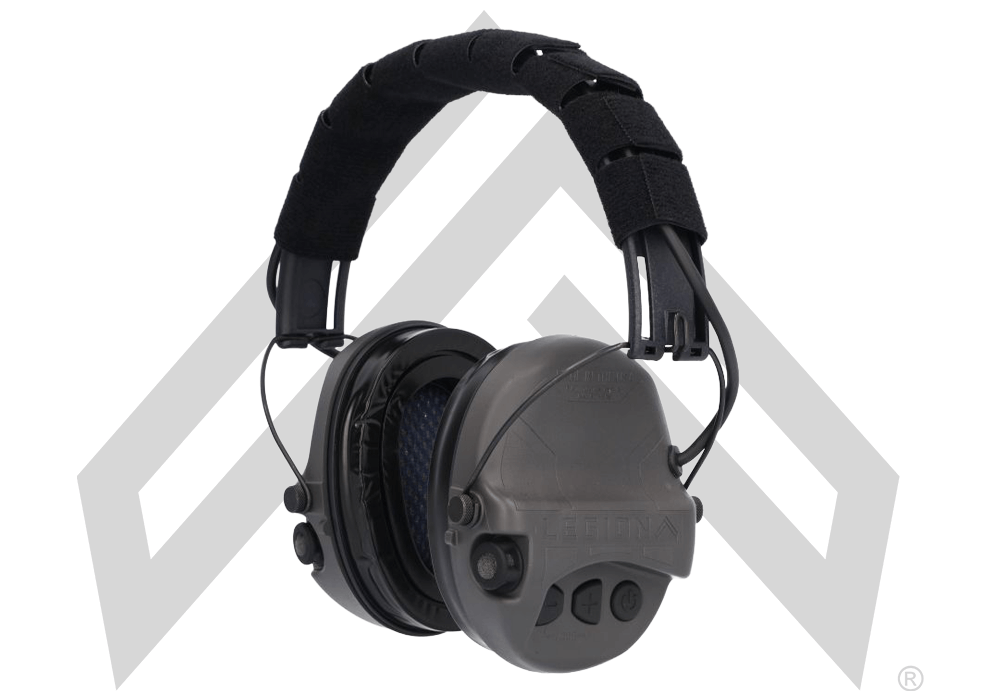
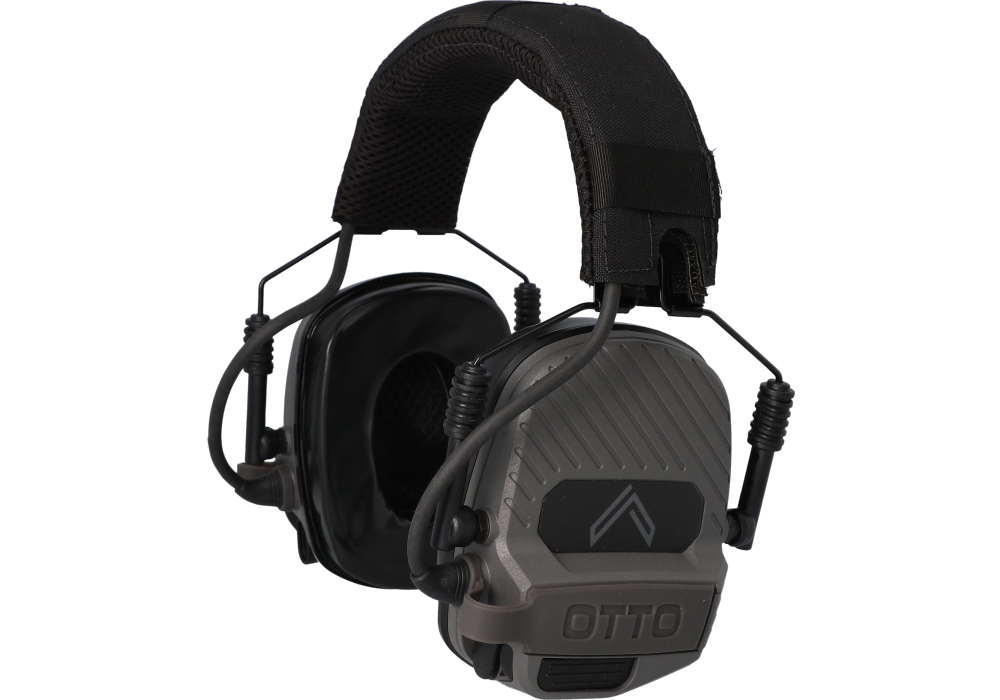
Shooting ear muffs are an important part of a well-prepared range setup, whether you spend an afternoon practicing with a rimfire rifle, sighting in a centerfire rifle outdoors, working with a shotgun, or training at an indoor range where sound can echo sharply from every surface. Unlike ordinary over-the-ear headphones, shooting earmuffs are designed to help reduce exposure to the intense impulse noise produced by firearms while remaining comfortable through extended sessions. When comparing options, start with the Noise Reduction Rating (NRR), which indicates the level of noise reduction provided when the product is fitted and worn as directed. A higher NRR can be especially valuable in enclosed spaces, around larger-caliber firearms, or anywhere several shooters are firing at once. Fit matters just as much as the printed rating: the cushions should form a complete seal around the ears, the headband should stay securely in place, and the earcups should not press uncomfortably against the sides of the head. Glasses, hats, protective eyewear, and other range equipment can create small gaps that reduce protection, so it is worth checking the fit before stepping up to the firing line. For particularly loud environments, many shooters choose to wear foam earplugs beneath earmuffs for an added layer of protection. Hearing safety is cumulative, and a few unprotected shots can contribute to ringing, muffled hearing, or lasting damage, making dependable ear protection a practical part of every range visit rather than an optional accessory.
The main choice is often between passive and electronic shooting ear muffs. Passive models use insulating materials and sealed earcups to reduce sound across the board, offering straightforward operation without batteries or electronic controls. They are a dependable choice for shooters who want simple protection, for use as a spare pair in a range bag, or for sharing with a guest who is new to firearms. Electronic models add microphones and sound-processing circuitry that can make quieter sounds—such as range commands, conversation, or movement in the surrounding area—easier to hear while compressing or limiting sudden loud sounds. This can make communication more convenient without requiring the shooter to lift an earcup or remove protection. Explore Tactical Electronic Ear Muffs for options built around that balance of awareness and protection. Electronic features vary, so review battery type, expected runtime, volume controls, microphone placement, and whether the design includes an auxiliary or audio connection. A low-profile earcup is another useful consideration, particularly for rifle and shotgun shooters. Bulky muffs may interfere with the stock as the firearm is mounted, while slimmer designs can provide better clearance and help the shooter maintain a consistent cheek weld. At the same time, a compact profile should not come at the expense of a reliable seal or comfortable padding. Look for adjustable headbands, folding components when storage matters, and cushions that remain comfortable during long practice sessions. Shooters who move between indoor and outdoor ranges may also appreciate controls that are easy to operate with gloves or cold hands, while those training with a partner may place a premium on clear voice pickup and natural-sounding ambient audio.
Shooting ear muffs can be a thoughtful gift for a new firearm owner, a family member joining a range trip, a hunter preparing for the cooler months, or an experienced shooter replacing worn equipment. They are useful for beginners because they make hearing protection easy to understand and wear, and they help establish safe habits from the first visit to the range. For an experienced shooter, a second pair can stay in a vehicle or range bag, preventing a forgotten set of muffs from becoming a reason to postpone a session. Before purchasing, consider where the ear protection will be used most often, how long it will be worn, whether electronic sound amplification is helpful, and how well the earcups will work with eyewear and a preferred shooting position. Indoor ranges generally call for especially careful protection because reflected sound can feel intense and prolonged, while outdoor ranges may require attention to wind, dust, rain, and changing temperatures. Regardless of setting, keep the cushions clean, inspect the headband and seals for wear, and replace components when they no longer maintain a comfortable, complete seal. Electronic models should be stored with batteries removed if they will sit unused for an extended period, and all earmuffs should be kept away from excessive heat and moisture. Pairing well-fitted shooting ear muffs with properly rated eye protection, safe firearm handling, and attentive range etiquette creates a more comfortable experience for everyone nearby. From a first trip with a friend to regular practice during the warmer season and the cooler months that follow, the right hearing protection helps shooters stay focused on safe, controlled, and enjoyable time at the range.