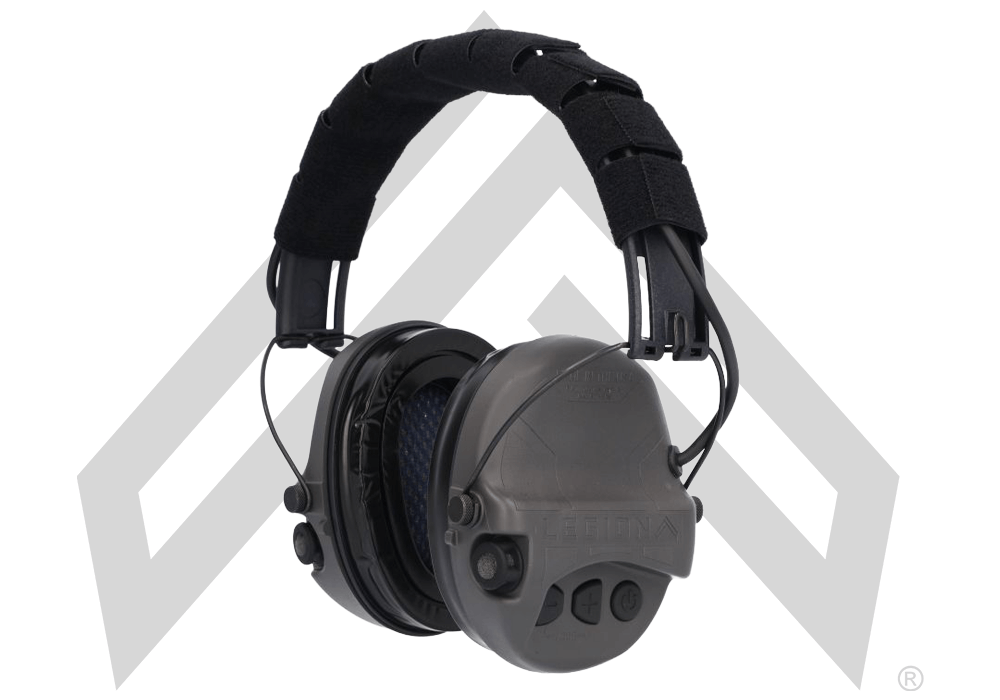
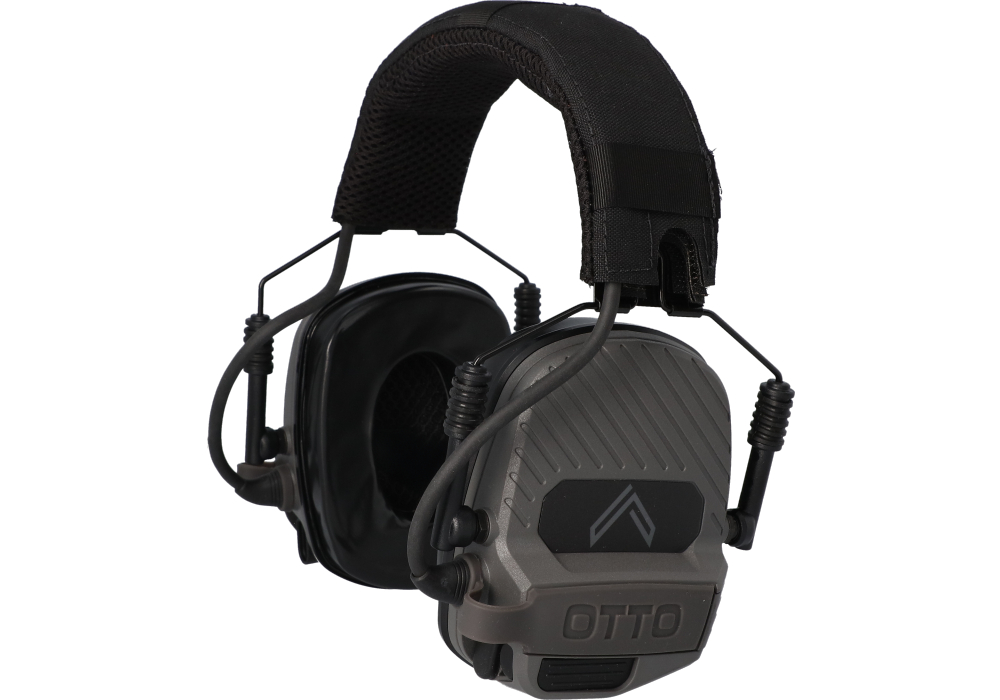
Ear muffs for Labor Day shooting events bring together hearing protection, a secure fit, and the comfort needed for time spent on the firing line. Whether the occasion is a club gathering, a family range outing, or a scheduled match, the right hearing protection needs to suit both the setting and the person wearing it. Passive ear muffs rely on their cups, cushions, and internal sound-absorbing materials to reduce incoming noise, while electronic ear muffs add microphones and speakers that can help make conversation and range commands easier to hear. Neither style should be judged by appearance alone. The Noise Reduction Rating, or NRR, provides a standardized laboratory measure of noise reduction, but actual protection depends heavily on fit and use. A higher rating can be a useful comparison point, not a promise that every firearm report will reach a safe level. Indoor lanes and covered firing positions can reflect sound, and an outdoor event can still expose participants and spectators to hazardous noise from nearby shooters. Properly fitted earplugs worn beneath ear muffs provide additional protection, although the two NRR numbers cannot simply be added together. Range requirements and the hearing protector manufacturer’s directions remain important for any setting. For someone attending a first organized event, straightforward controls and a comfortable seal may matter more than a long feature list. An experienced competitor may place greater emphasis on a compact cup shape, clear speech reproduction, or a headband that stays comfortable through repeated relays. Spectators, instructors, and volunteers also need hearing protection appropriate to their exposure; standing behind the firing line does not eliminate noise risk. Across these different uses, a dependable pair of ear muffs is one that can stay correctly positioned whenever firing is taking place, without constant lifting, shifting, or adjustment to relieve pressure.
Fit is where the construction of shooting ear muffs becomes especially noticeable. Cushions need to surround the ears fully and rest evenly against the head, with enough headband tension to maintain contact without creating painful pressure points. Foam-filled cushions are common, while some designs use gel cushions that conform differently around the ears and eyewear. Cushion softness alone does not establish protection: an uninterrupted seal matters, and worn, cracked, or flattened cushions can interfere with it. Adjustable headbands accommodate different head sizes, but the range of adjustment and the shape of the cups vary. A smaller wearer may need a properly sized design rather than an adult pair tightened as far as possible. Shooting glasses, hat brims, hair, earrings, and clothing can all affect the cushion seal. Protective eyewear must remain in place, so compatibility between glasses and ear muffs deserves attention rather than treating either piece of equipment as optional. Cup profile also influences comfort and intended use. Lower-profile shells can offer more clearance around a rifle or shotgun stock, while larger cups may feel entirely natural for handgun shooting or observing an event. A slim shape is not automatically better, and shell size alone does not reveal the NRR. Durable polymer housings, sturdy headband supports, and secure adjustment points are useful qualities for equipment that travels between a vehicle, a gear bag, and a busy range bench. Weight distribution matters as much as total weight during extended wear; a padded band can still feel uncomfortable if it presses against one narrow area. Folding designs can be convenient for transport, provided the hinges and adjustment points remain secure. For Labor Day events that include check-in, safety briefings, shooting sessions, and time watching other participants, practical comfort supports consistent use throughout the parts of the day when hearing protection is required.
Electronic features add another layer of choice without changing the importance of the physical seal. Depending on the design, external microphones can reproduce quieter sounds through internal speakers while circuitry limits the amplified audio when loud noise occurs. That processing does not replace the sound reduction supplied by the cups and cushions, and turning up conversation volume does not increase the hearing protection rating. Clear speech reproduction can help an attendee follow an instructor or understand a range officer, but no electronic feature guarantees that every command will be audible. Wind noise, microphone placement, control layout, and battery condition can all affect the experience. Controls that are easy to identify by touch are useful when attention needs to remain on the range. Battery life, automatic shutoff, and battery compartment access are practical considerations for longer events. Bluetooth or other audio connections, where included, should be evaluated against range rules and the need to stay attentive; entertainment audio is secondary to hearing instructions and recognizing what is happening nearby. Care between outings also contributes to long-term reliability. Cushions and exterior surfaces generally benefit from gentle cleaning according to the manufacturer’s directions, while electronic components need protection from moisture unless their specifications state otherwise. Harsh solvents, excessive heat, and storage beneath heavy equipment can damage materials or distort the fit. A protective case or a separate bag compartment helps keep cushions clean and prevents headbands from being crushed. For organizing hearing protection alongside eyewear and other range essentials, Backpacks for Labor Day Shooting Events offers a related category to consider. Ear muffs can also be a thoughtful gift for a regular range visitor or someone preparing for a first club event, especially when the choice reflects that person’s head size, eyewear, and preferred shooting setting. The most useful features are those that support a reliable seal, appropriate noise reduction, and comfortable, attentive participation.