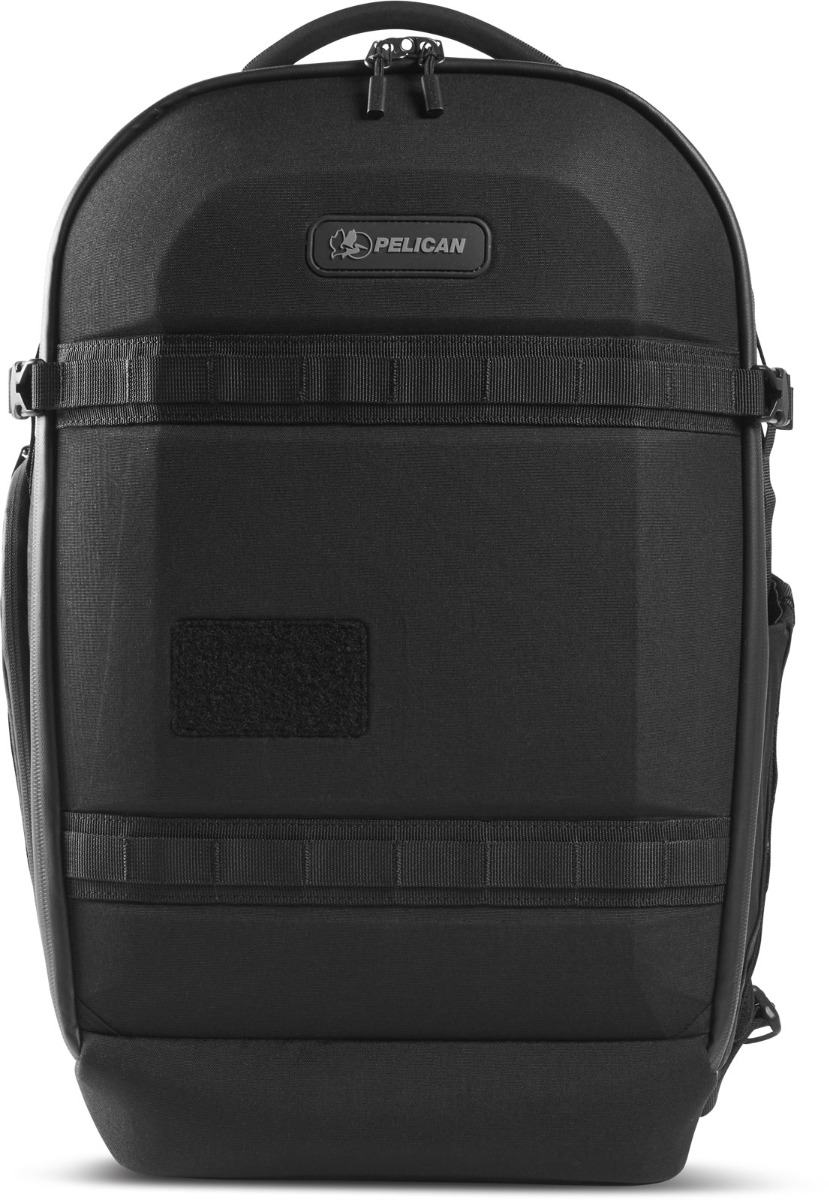
Backpacks for Labor Day shooting events bring range essentials together in a format that leaves hands free for check-in, opening gates, and carrying a separate equipment case. At a competitive match, club gathering, or holiday range session, the value of a purpose-built pack becomes clear between the parking area and the firing line: protective equipment stays organized, small accessories remain easy to locate, and the load travels close to the body. Useful range backpack features include padded compartments, reinforced bottoms, adjustable shoulder straps, and an interior layout that keeps heavier supplies from pressing against fragile gear. Structure matters as much as overall size. A supported base, firm divider panels, or an internal frame can help a pack retain its shape when loaded, although the level of support varies by design. A tall main compartment offers flexibility for larger accessories, while several smaller sections can make it easier to separate cleaning supplies, paperwork, and personal belongings. For someone spending most of the event at one bench, a broad-opening pack may provide convenient access without extensive unpacking. For a participant walking between several shooting bays, a narrower profile and secure compression straps may feel less cumbersome. Neither arrangement is universally better; the right balance depends on the equipment being carried and how often the bag needs to move. A backpack intended primarily for range use also benefits from a layout that is easy to recognize at a glance. Distinct compartments reduce the need to search through loose contents when a relay is called or a shooting partner needs a spare pair of protective glasses. Labor Day outings often bring together people with different levels of experience, from regular competitors to guests attending a club event for the first time. Clear organization is useful to both, turning a collection of separate essentials into a manageable load without requiring every pocket to be filled.
Materials and construction influence how a range backpack handles repeated travel, abrasive benches, and the weight of a full day's supplies. Tightly woven nylon and polyester are common choices because they balance durability with manageable bag weight, but fabric alone does not tell the whole story. Stitching at shoulder strap anchors, reinforcement around carry handles, zipper quality, and the attachment of interior dividers all deserve attention. A reinforced bottom is particularly useful when the bag regularly rests on gravel or concrete. Water-resistant fabric or a protective cover can help shield contents from light moisture, but neither should be assumed to provide waterproof protection unless the manufacturer specifies it. Inside the pack, padding and firm partitions serve different purposes: cushioning helps protect surfaces, while structural panels help keep neighboring sections from collapsing into one another. Where included, separate padded firearm sleeves can limit contact with other equipment during transport; they do not replace required cases, locks, or other safety measures. Firearms should be transported unloaded and secured in accordance with applicable laws and event rules. Fit becomes especially noticeable on a large event property, where the walk back to the vehicle may be longer than expected. Contoured shoulder straps, a padded back panel, and an adjustable sternum strap can help stabilize the load, while a supportive waist belt may improve comfort with heavier equipment. These features work best when the pack suits the wearer's torso rather than simply offering the greatest amount of storage. Dense contents belong close to the back and positioned so they cannot shift freely, with delicate protective gear kept out from under heavy boxes. Exterior attachment webbing can accommodate compatible accessory pouches, but an overloaded exterior may catch on chair backs or make a pack feel unbalanced. A useful fit leaves room for natural arm movement and allows the wearer to bend, sit, and pass through narrow spaces without the bag swinging away from the body. For a shared household pack or a gift, a broad adjustment range can be more practical than a highly specialized fit.
Organization is most valuable when it reflects the rhythm of the event rather than the number of pockets on the bag. A shallow accessory compartment can keep registration documents and a pen separate from the main load, while a clearly designated protective-equipment pocket gives glasses and hearing protection a predictable home. A structured or padded section is particularly helpful for ear muffs, which need enough room to sit without their cushions being compressed beneath heavier gear. Pairing a suitable backpack with Ear Muffs for Labor Day Shooting Events helps keep carrying comfort and hearing protection part of the same preparation. Removable organizers can be useful for participants who alternate between casual practice and organized matches, allowing the interior to change without replacing the entire bag. A light-colored lining can improve visibility inside deep compartments, and zipper pulls that are easy to grasp simplify access when hands are tired. Separate storage for refreshments and personal belongings helps keep those essentials apart from range equipment and cleaning materials. After an event, an easy-to-empty interior makes routine care less of a chore. Loose grit should be removed from seams and zipper tracks, and fabric should be cleaned according to its care label, generally with gentle methods rather than harsh solvents. The bag should dry fully before it is closed for storage, and straps, buckles, and stitching should be checked periodically for wear. Removable inserts can make cleaning easier, particularly when debris collects underneath them. These everyday details matter to frequent range visitors, competitive participants, instructors transporting personal equipment, and family members choosing a practical gift for a shooting-sports enthusiast. For gifting, a versatile layout, comfortable harness, and straightforward access often have broader appeal than a narrowly specialized arrangement. Beyond the Labor Day event itself, a durable range backpack can remain useful for regular practice and future club gatherings. Its lasting value lies in protecting essentials, carrying them comfortably, and making the familiar routine of packing and unpacking simpler.