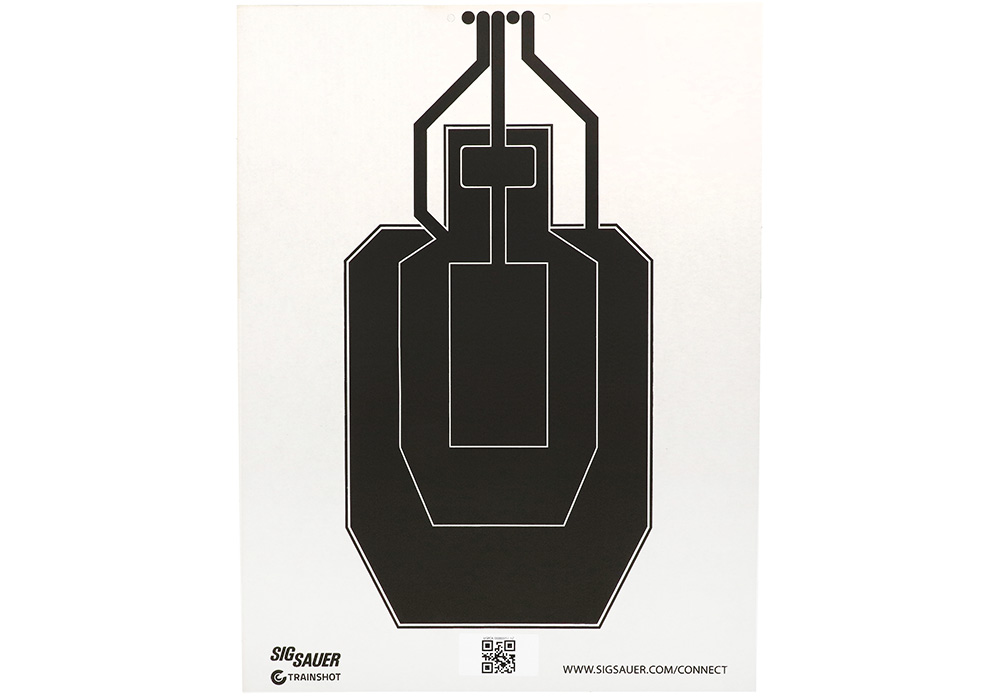
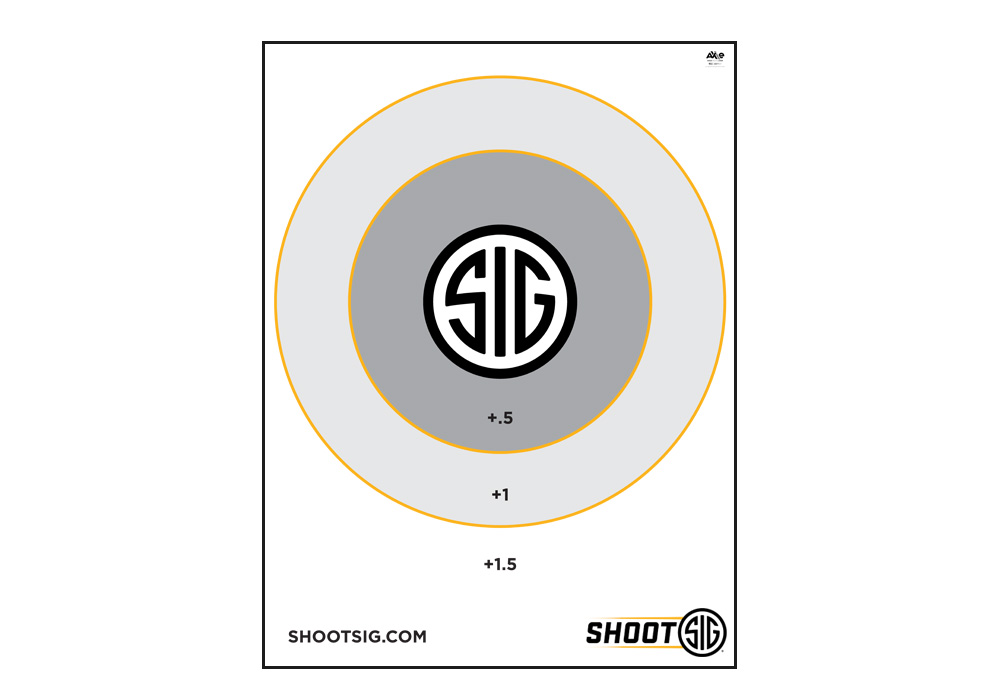
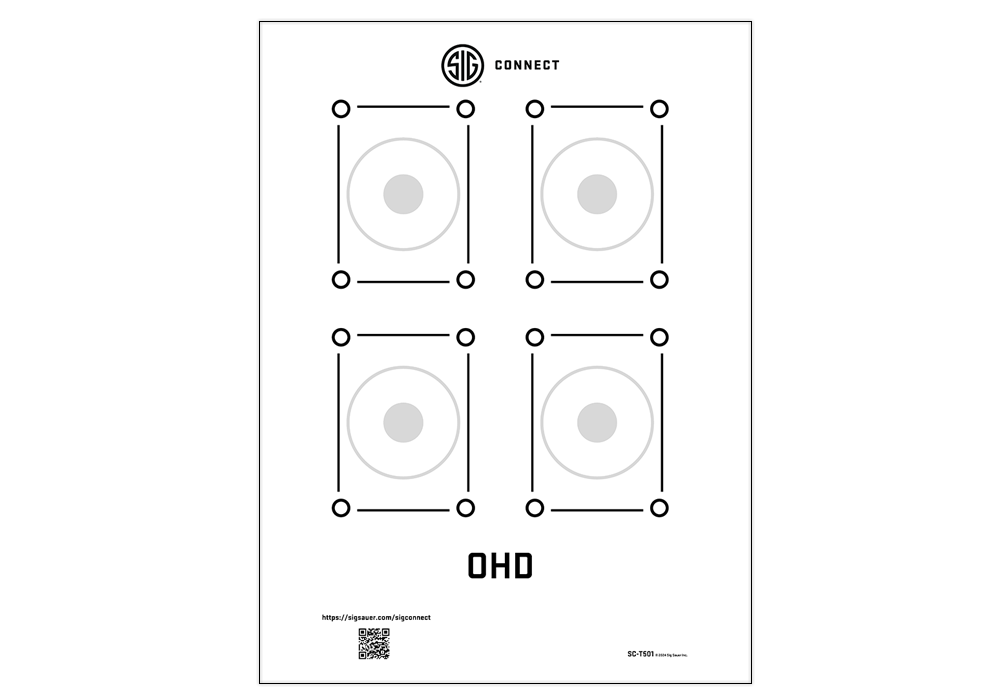
Targets for Labor Day shooting competitions range from paper bullseyes and cardboard scoring targets to reactive designs and steel plates, with the right choice depending on the event’s rules, scoring method, and range requirements. A traditional bullseye match calls for clearly defined rings and a consistent aiming point, while a timed club event may use larger scoring zones or multiple target shapes. Informal holiday competitions often favor straightforward layouts that participants can understand without a lengthy explanation. Across these formats, target dimensions, contrast, and compatibility with the planned activity matter more than decorative graphics. A bold central mark can remain easy to distinguish against a busy outdoor background, while crisp scoring lines help officials evaluate close shots consistently. For an organized match, the required target specification takes priority: similar-looking designs may have different ring measurements or scoring areas, and a practice target is not necessarily suitable for official results. Paper and cardboard provide a visible record that can be labeled, scored, and saved, making them useful for comparing results across relays or keeping a record of a holiday match. Reactive targets can offer more immediate visual or audible feedback where the facility permits them, but not every reactive format supports the same level of scoring detail. Steel, for example, can work well for hit-based events without providing the shot-by-shot record associated with paper. The distinction matters when a competition awards points for precise placement rather than simply registering a hit. Participants preparing for a local club event benefit from targets that match the organizer’s published requirements, while hosts planning a friendly gathering may prefer uncomplicated scoring and clear boundaries. For either setting, a well-chosen target helps keep the competition understandable, the results comparable, and the focus on a shared day at the range. Consistency across target faces also gives every participant the same visual reference, an important detail when several groups compete at different times or on separate lanes.
Material and construction influence how a target handles setup, scoring, and repeated use. Lightweight paper is easy to transport and store flat, while heavier paper and cardstock generally offer a firmer surface for handling and marking results. Corrugated cardboard provides additional structure, although its service life depends on mounting, handling, and exposure. High-contrast reactive paper typically reveals a contrasting area around a hit, which can make results easier to identify at an appropriate viewing distance; that effect does not replace the scoring standard required by a match. Adhesive-backed designs need a compatible surface, and their ability to stay secure can vary with surface texture and condition. Nonadhesive faces require a suitable mounting method approved by the facility. Fit includes more than the printed target’s overall size: the scoring area must remain unobstructed, and the face needs to sit correctly on the intended backer or stand. A target that extends beyond its support may curl or tear more easily, while poorly positioned fasteners can interfere with scoring or replacement. For steel targets, suitability depends on the manufacturer’s specifications, the ammunition permitted by those specifications, the mounting system, and the range’s rules. A plate intended for one application should not be assumed suitable for another, and all manufacturer requirements for placement and safe separation remain essential. Durability also means knowing when a target or support needs attention. Torn scoring areas can create uncertainty, damaged mounts can affect stability, and steel with a compromised surface may require removal from use under the manufacturer’s guidance. Between events, paper and cardboard benefit from clean, dry storage away from crushing or bending. Reusable components should be inspected and maintained according to their instructions rather than treated as permanently maintenance-free. Keeping target faces, approved repair materials, and scoring supplies organized can also make a busy match easier to manage without interrupting the rhythm of each relay. Clear labeling helps distinguish unused faces from scored results that need to be retained.
Labor Day shooting targets serve a broad group of participants, from established club members entering an annual match to newer recreational shooters joining a supervised event. Their needs are not identical. A competitor rehearsing for a formal discipline benefits from the correct scoring layout and repeatable presentation, while someone attending a relaxed club gathering may appreciate a bold, uncluttered design with results that are easy to interpret. Event organizers have another set of considerations: consistent target faces across lanes, room for required competitor identification, and a practical way to replace or preserve scored targets. Picture a holiday club match with several relays, a shared scoring table, and participants checking their results between turns. Clear printing and consistent dimensions make that process simpler, especially when a close score needs a second look. Targets can also be a thoughtful gift for a range partner or club volunteer when the recipient’s preferred discipline and facility rules are known. Familiarity matters more than novelty; the useful choice is one that fits the recipient’s regular practice or planned competition. For participants also considering sighting equipment for the same occasion, Red Dot Sights for Labor Day Shooting Events offers a related category to explore, with equipment choices still subject to the event’s rules. Target selection remains a separate decision grounded in scoring requirements, visibility, construction, and approved use. A highly visible face may help participants identify the aiming area, but it cannot compensate for an incorrect scoring pattern or an unsuitable mounting arrangement. Likewise, a reusable target is only a practical choice when the range permits it and its care requirements fit the event. Whether the occasion is a formal Labor Day competition, a club fundraiser, or a friendly holiday match, the strongest choices support a consistent experience from the first relay to the final score. Appropriate targets give organizers a dependable scoring surface and participants a clear record of the skills being tested, without unnecessary complexity.