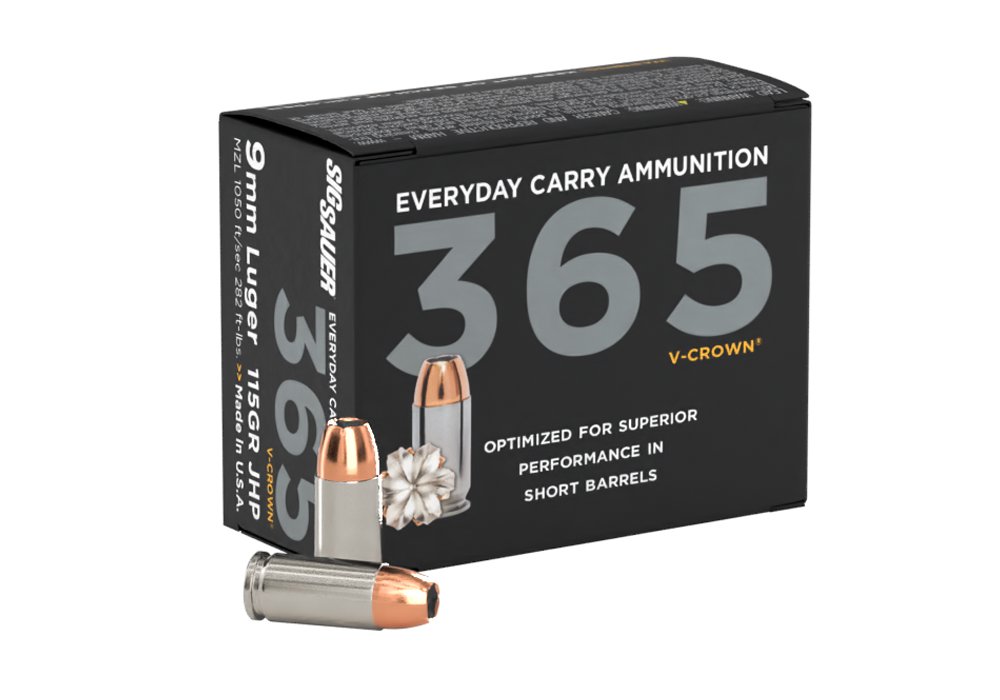
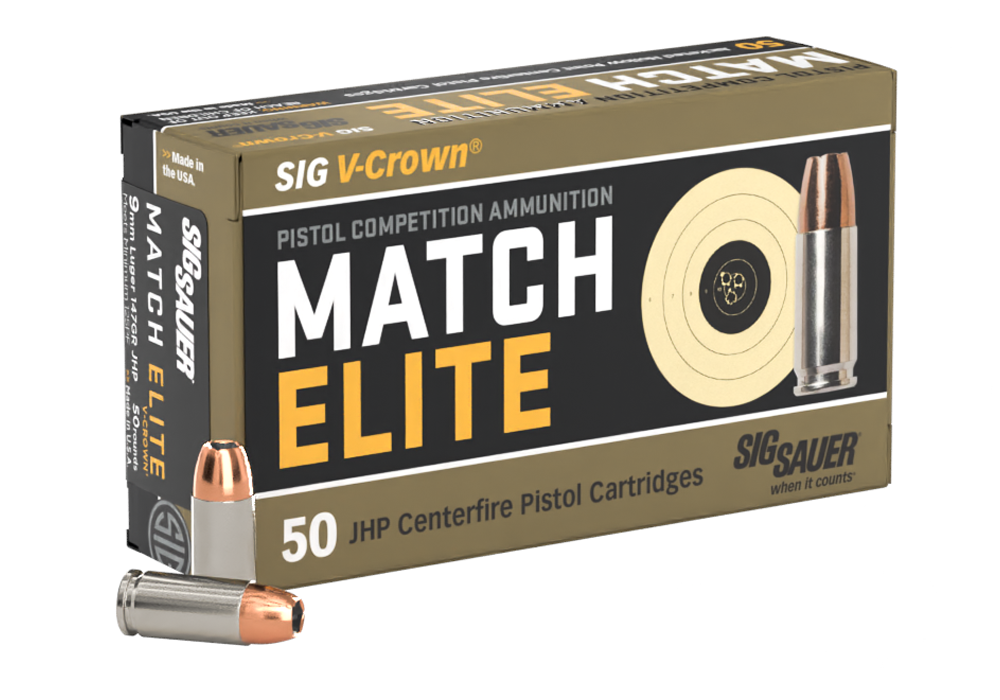
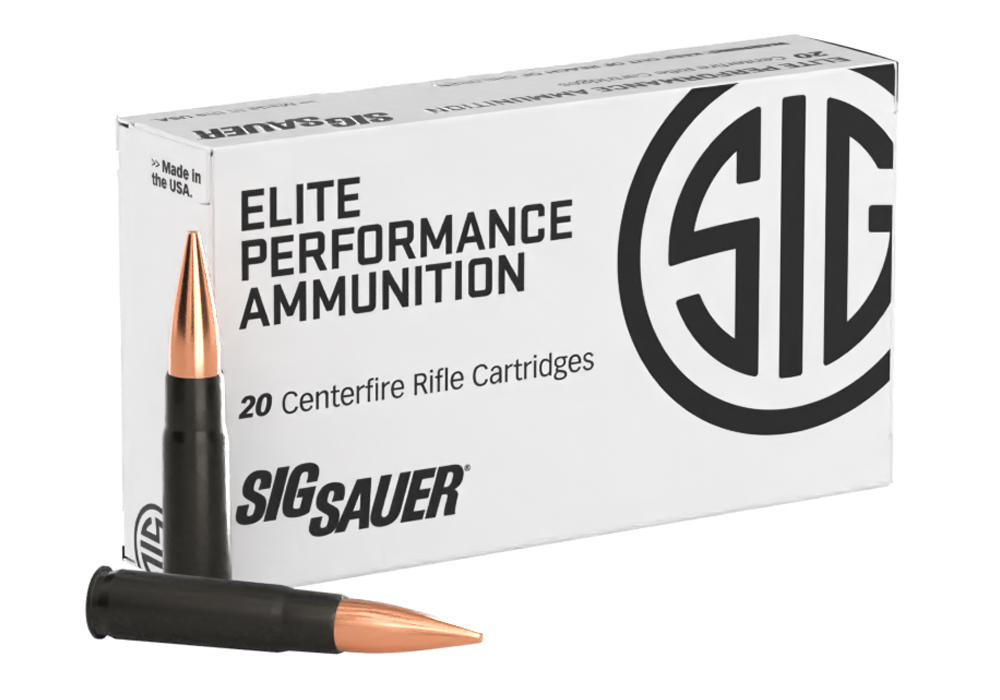
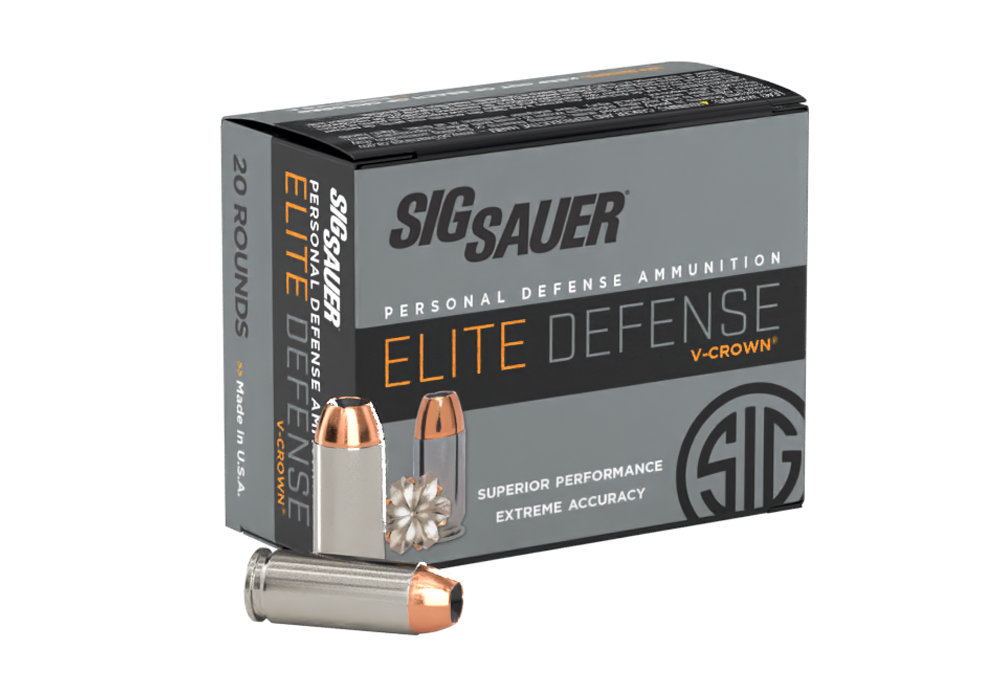
Labor Day shooting range ammunition belongs to a familiar kind of holiday outing: time reserved for target practice, a few paper targets, and a range bag packed for an unhurried session. Whether the occasion involves a longtime shooting partner, a family member who enjoys supervised target shooting, or an adult returning to a favorite recreational activity, suitable ammunition starts with the firearm and the facility where it will be used. Common handgun chamberings include 9mm and .45 ACP, while .223 Remington and 5.56 NATO are familiar rifle chamberings at facilities equipped for rifle shooting. These designations describe cartridge families, not interchangeable choices. The complete cartridge designation must match the firearm manufacturer’s specifications; a shared bullet diameter or similar cartridge appearance does not establish compatibility. In particular, .223 Remington and 5.56 NATO should not be treated as universally interchangeable. Within an appropriate chambering, bullet weight, projectile construction, and the firearm’s operating requirements help distinguish ammunition suited to routine paper-target practice from ammunition intended for other purposes. Full metal jacket, often abbreviated FMJ, is a common range-oriented projectile style because it generally suits conventional target practice, subject to individual facility rules. Some shooters prefer a familiar load for repeated sessions, while others look for ammunition appropriate to a particular range’s requirements or a firearm they already own. Consistency matters more than dramatic descriptions: comparable performance from one cartridge to the next supports a more useful practice session, although ammunition alone cannot determine accuracy. Firearm condition, sight alignment, shooter technique, and range conditions also affect results. For a casual Labor Day range visit, the practical appeal is straightforward—ammunition that fits the intended firearm, meets facility rules, and suits the targets and distances permitted there. Clear package labeling helps distinguish similar-looking cartridges and keeps the essential details easy to identify when several shooters or firearms are part of the same outing.
The materials in range ammunition deserve attention because the cartridge case and the projectile serve different purposes and may be evaluated differently by a shooting facility. Brass is a common cartridge-case material, while some ammunition uses steel or aluminum cases. Case material alone does not reveal the composition of the bullet. A steel case is not the same thing as a steel-core projectile, and range rules may address one, both, or neither. Conventional FMJ bullets commonly have a lead core largely enclosed by a copper or copper-alloy jacket. Copper-plated projectiles use a different construction, and some facilities specify which styles they accept. Many indoor ranges permit conventional FMJ ammunition, but there is no universal rule that every FMJ cartridge is acceptable indoors. Steel-core, armor-piercing, and tracer ammunition commonly faces restrictions because of concerns involving backstop damage, sparks, or fire. Some facilities also restrict steel-containing jackets, exposed-lead projectiles, or particular rifle cartridges. A range’s posted requirements therefore matter more than a broad label such as “target ammunition.” Rental firearms may have additional ammunition requirements, including the use of ammunition supplied or approved by the facility. For shoppers comparing general ammunition types, these distinctions connect construction to intended use without assuming that all indoor or outdoor ranges operate alike. Durability also means preserving the cartridge’s original condition rather than treating ammunition as ordinary loose hardware. Dented cases, corrosion, or other visible damage warrant evaluation under manufacturer guidance instead of use at the firing line. Ammunition does not need routine polishing or lubrication; contact with oils, solvents, or cleaning chemicals can compromise its condition. Original packaging protects cartridges during normal handling and keeps chambering, bullet weight, and lot information together. Proper firearm care remains important as well, since residue from shooting can accumulate even when ammunition is suitable for the firearm. Ventilation, handwashing after handling ammunition, and keeping food away from shooting and ammunition-handling areas are relevant considerations wherever lead exposure may occur. These details make material selection and care part of the overall range experience, not merely information printed on a box.
A Labor Day range outing can have different rhythms depending on the people attending. One shooter may spend most of the visit working with a familiar handgun at a permitted target distance; another may reserve time on a rifle lane where the facility allows the selected cartridge. A pair of friends may share the experience while keeping ammunition for different firearms clearly separated. In each case, useful ammunition is ammunition whose labeling, construction, and intended application remain easy to understand. Bullet weight is usually expressed in grains, a unit of mass, and a heavier bullet is not automatically the better choice for every firearm or every practice session. Manufacturer specifications and the firearm’s documented requirements provide more meaningful context than a single number on the package. Packaging also has a practical role beyond carrying cartridges to the range. Keeping ammunition in its labeled container helps preserve traceability and reduces confusion between similar cartridge types, especially when a range bag holds several boxes. Secure storage away from unauthorized access, excessive heat, moisture, and cleaning chemicals helps maintain ammunition condition between outings. Ammunition purchased for a holiday visit may remain useful for later recreational sessions when stored according to manufacturer guidance, so the occasion need not define its entire purpose. As a gift, ammunition is most appropriate for an eligible adult whose firearm chambering, range requirements, and preferences are already known; applicable purchase, possession, and transfer laws remain important. It is less suitable as a surprise when those details are uncertain. For a related form of recreational target shooting, Air Rifles For Labor Day Weekend Shooting connects the holiday occasion with a separate equipment category. Air rifles use the projectiles and power systems specified for that equipment, not firearm cartridges, and still require appropriate supervision, eye protection, safe handling, and a suitable backstop. Across either kind of outing, the appeal of Labor Day target recreation is time spent enjoying a familiar pastime with equipment appropriate to the setting. For firearm ammunition, compatibility, condition, clear identification, and facility acceptance remain the most useful foundations for that experience.