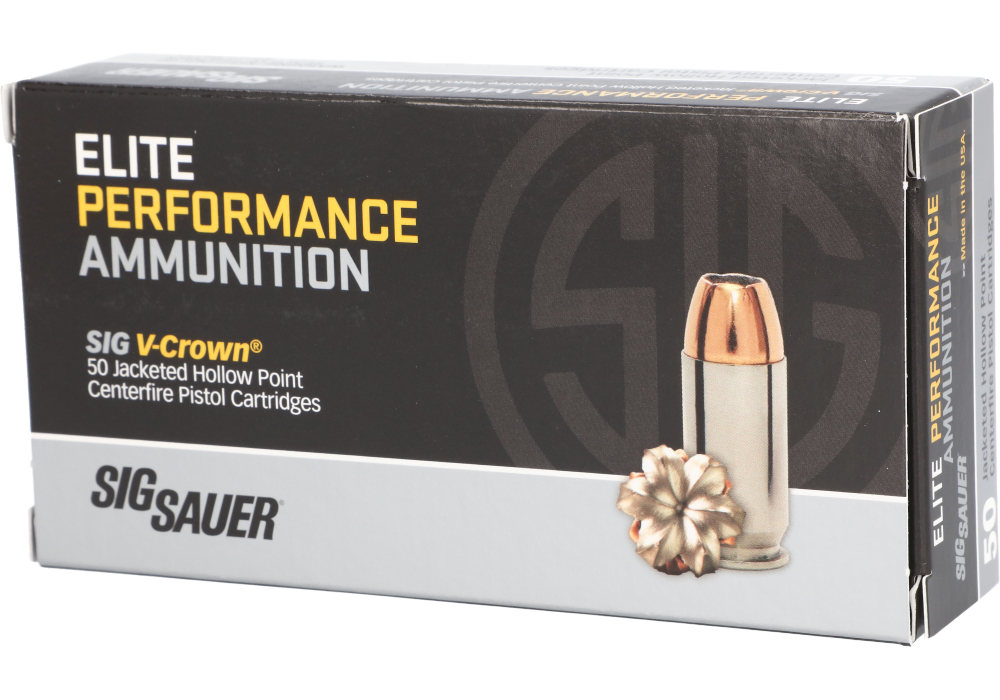
Labor Day ammunition shopping brings together the practical needs of recreational target shooters, sport competitors, and hunters preparing for time at the range or in the field. Ammunition is a consumable part of those activities, but its role goes beyond filling a range bag: the correct cartridge, suitable projectile construction, and dependable condition all contribute to a more predictable experience. A relaxed afternoon shooting paper targets has different requirements from an organized match or a hunting trip, and ammunition categories reflect those differences in intended use. Target ammunition generally emphasizes consistency for repeated practice, while hunting ammunition is designed for an appropriate sporting purpose and must comply with applicable regulations. For any category, compatibility begins with the firearm’s marked chambering and the ammunition specifications permitted by its manufacturer. Similar-looking cartridges or similar names do not establish interchangeability. Product descriptions and packaging provide useful details such as cartridge designation, bullet weight, projectile style, and case material; those details are more meaningful than appearance alone. Bullet weight is commonly expressed in grains, a unit of weight rather than a measure of the propellant inside the cartridge. Published velocity figures also need context because test equipment and barrel length can differ from an individual firearm. For shoppers comparing ammunition around Labor Day, these basic distinctions help explain why two boxes intended for the same broad activity may carry different specifications. The holiday can be an occasion for a family range outing, a club event, or simply setting aside time for an established hobby, but ammunition suitability remains the same regardless of the occasion. A new shooter attending a supervised range session may value straightforward labeling and clearly stated intended use, while an experienced participant may be looking for continuity with ammunition already familiar in a particular firearm. In either case, a useful selection is grounded in compatibility, the rules of the shooting venue, and the demands of the planned activity rather than a broad claim that one type suits every purpose.
Materials and construction help distinguish ammunition intended for different settings. A typical metallic cartridge combines a case, primer, propellant, and projectile, with each component contributing to the complete cartridge’s function. Brass is a common case material, while some ammunition uses steel or aluminum cases; the firearm manufacturer’s recommendations and the range’s policies remain important when considering any of them. Projectile construction is a separate characteristic from case material. A full metal jacket projectile has a metal jacket around its core, while other designs use different jackets, exposed surfaces, or specialized constructions for particular applications. The label should establish those characteristics, since a copper-colored exterior alone does not explain every material inside. This distinction matters at facilities that restrict certain projectile materials to protect equipment or meet site safety requirements. Indoor ranges may also have specific ammunition rules, and outdoor facilities can impose restrictions tied to their target systems or operating conditions. Checking those requirements before a visit prevents the frustration of arriving with ammunition the facility does not permit. Fit deserves equally careful attention: ammunition must match the approved chambering and any additional limitations stated in the firearm’s manual, including restrictions concerning pressure designations. The related Pistols for Labor Day Sales page provides a separate place to browse handguns, while ammunition compatibility always depends on the specifications of the individual firearm. Beyond fit, consistency is a practical consideration for anyone who enjoys structured practice. Using ammunition with familiar characteristics can make a session feel less variable, though no cartridge guarantees the same results across every firearm or shooter. Recoil feel, point of impact, and reliable function can vary with the firearm and the ammunition. A paper-target session, for example, is easier to keep organized when the boxes remain clearly labeled and different cartridge types stay separate. For organized competition, the governing rules may specify ammunition requirements; for hunting, local regulations may govern projectile materials and other characteristics. Those requirements are part of intended use, not interchangeable details, and they give shoppers a concrete basis for understanding the ammunition categories represented on a holiday-themed page.
Care and storage are just as relevant to ammunition as its initial specifications, especially when a range visit uses only part of a box. Durable packaging helps protect cartridges during ordinary handling, but neither a sturdy carton nor a metal case makes ammunition impervious to moisture, contamination, or physical damage. Original packaging preserves the cartridge identification, manufacturer information, and lot number, which can be useful for tracing a concern or checking a safety notice. Keeping that information with the ammunition also reduces confusion when several chamberings share a storage space. Secure storage should prevent access by children and unauthorized people, follow applicable laws, and meet the manufacturer’s recommendations for environmental conditions. Ammunition belongs away from solvents, oils, and other chemicals that can compromise components. Unlike the firearm itself, cartridges do not benefit from routine lubrication or polishing; their care centers on proper storage and careful handling. Visible corrosion, damaged cases, loose components, or unclear identification are reasons to set ammunition aside and consult the manufacturer or a qualified professional rather than assume it remains suitable. A dedicated storage container can help keep labeled boxes organized, while transport arrangements should satisfy local requirements and the policies of the destination. At the range, retaining the packaging until the session is complete keeps important information close at hand. Eye and hearing protection, responsible firearm handling, and compliance with range instructions remain essential companions to any ammunition selection. These practical details suit both occasional participants planning a Labor Day outing and regular shooters maintaining an established practice routine. If ammunition is being considered as a gift for an eligible adult, the recipient’s exact firearm specifications, preferences, and legal requirements matter more than a general interest in shooting sports. For many households, coordinating those details in advance is more useful than relying on a surprise. Across recreational shooting, competition, and lawful hunting, the lasting value of a thoughtful ammunition choice lies in clear identification, appropriate construction, correct compatibility, and sound care from storage through the planned activity.