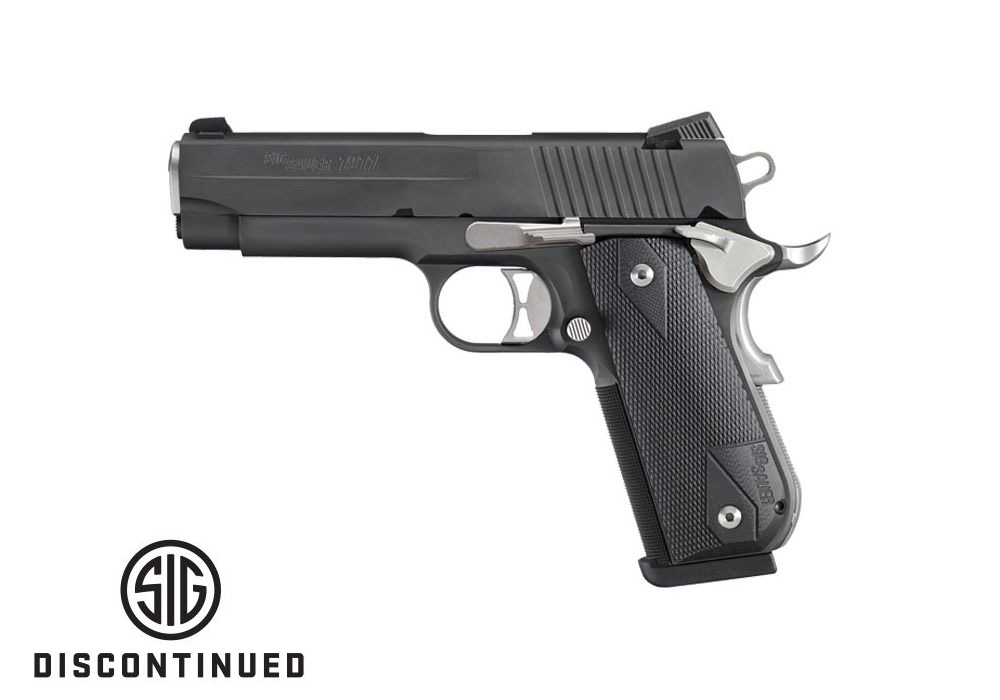
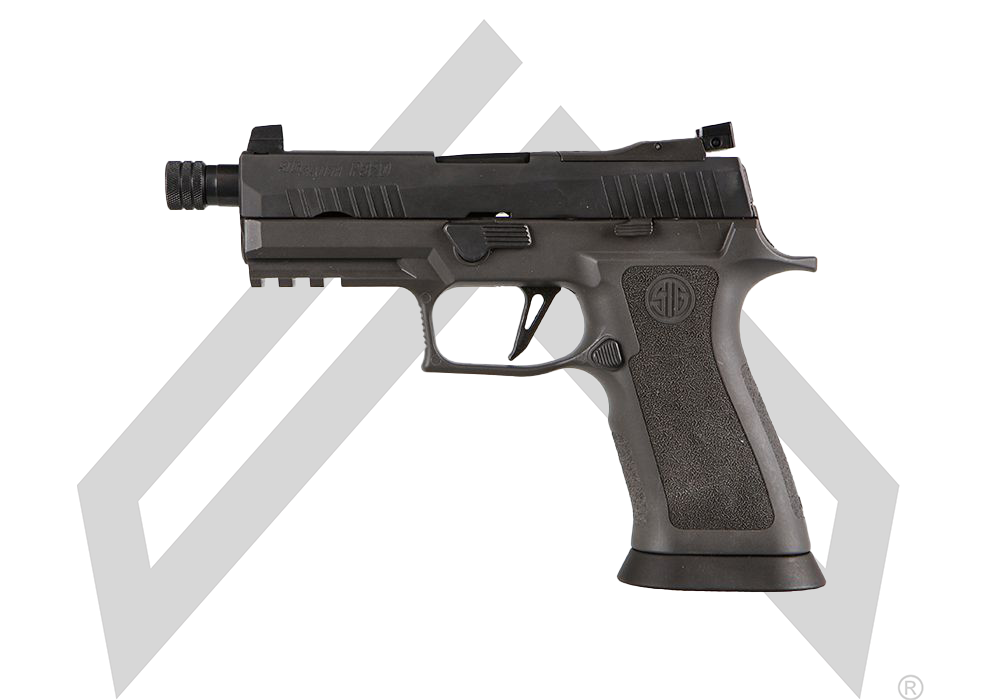
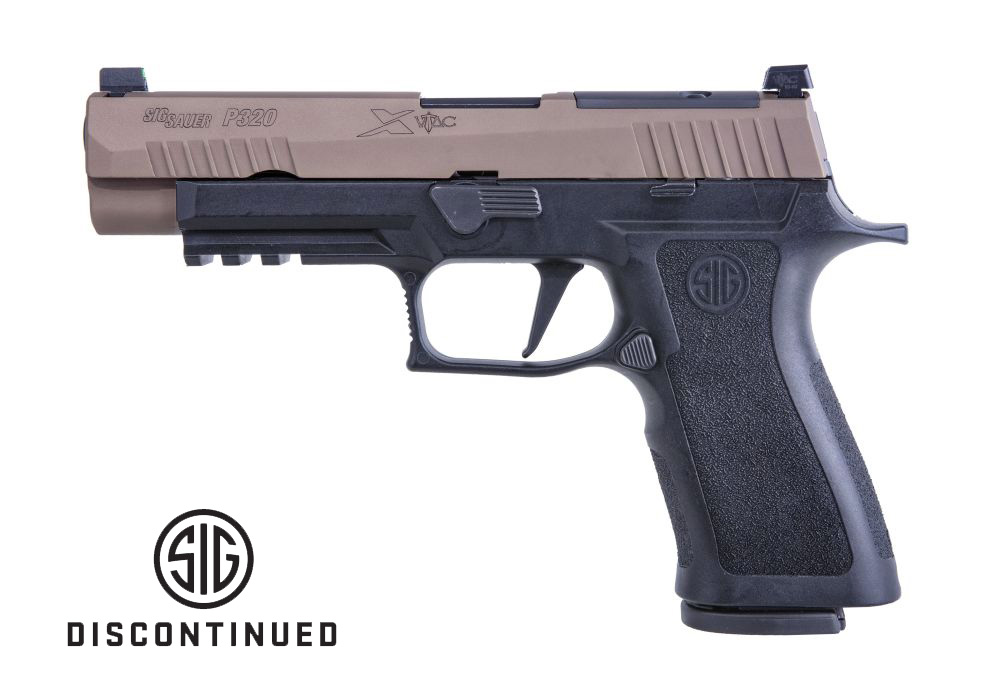
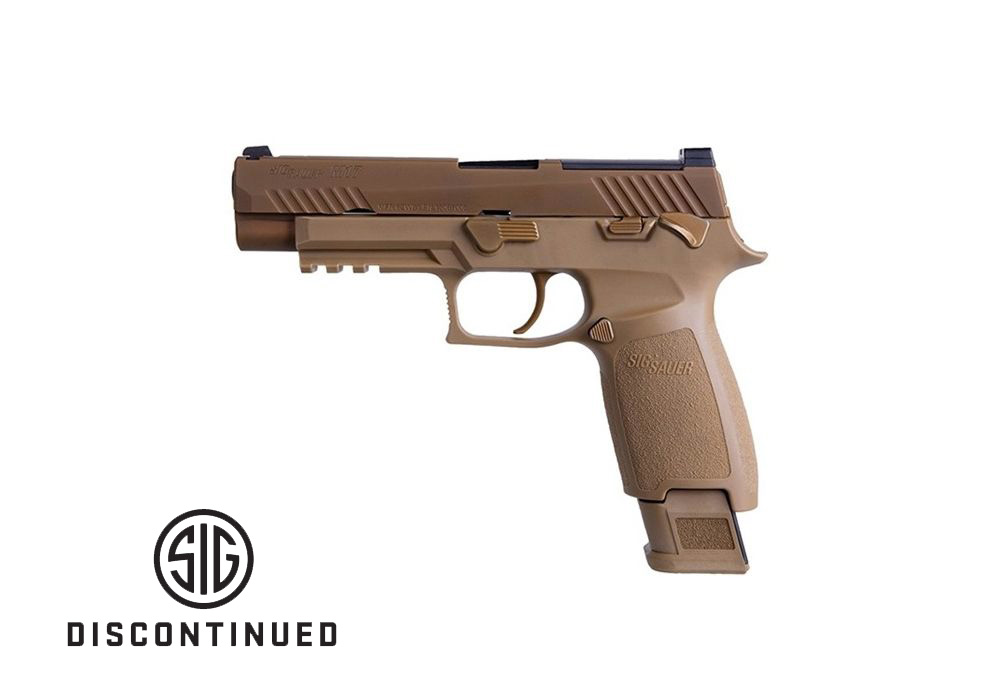
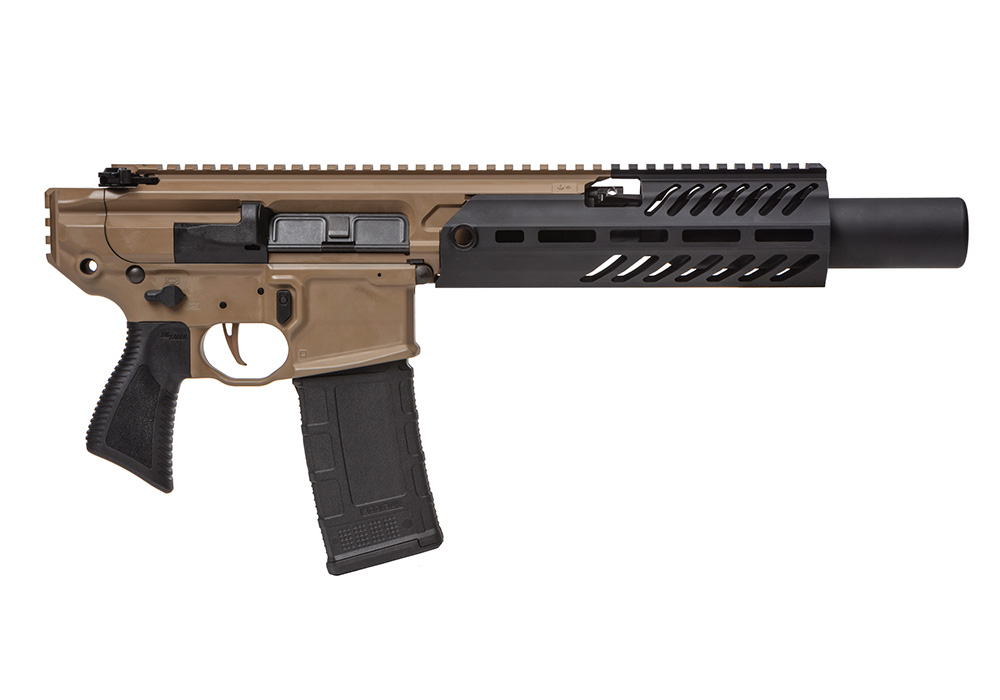
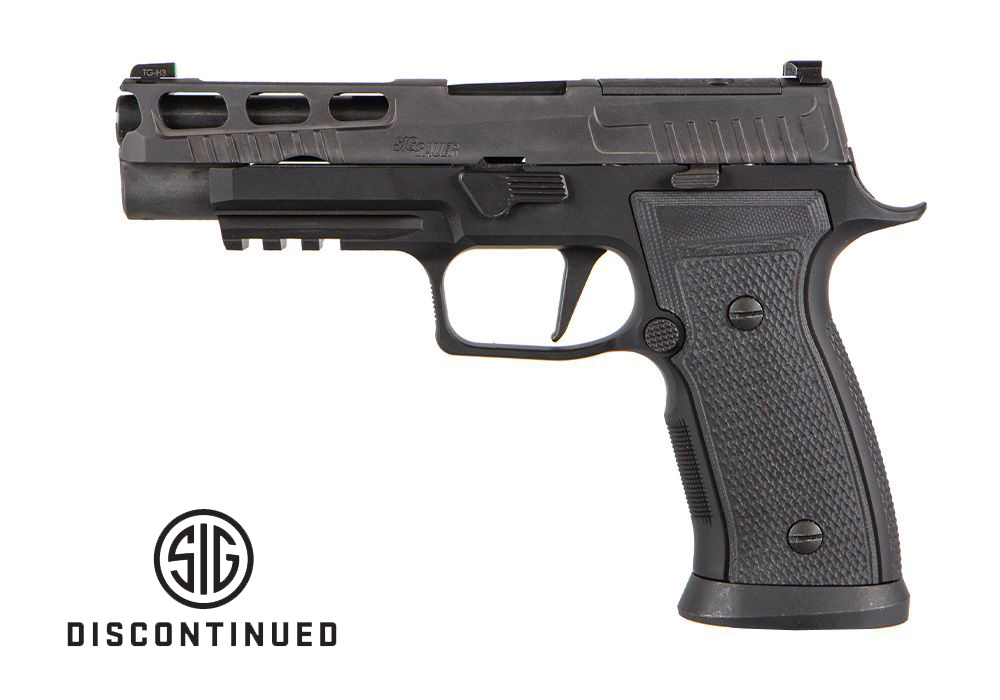
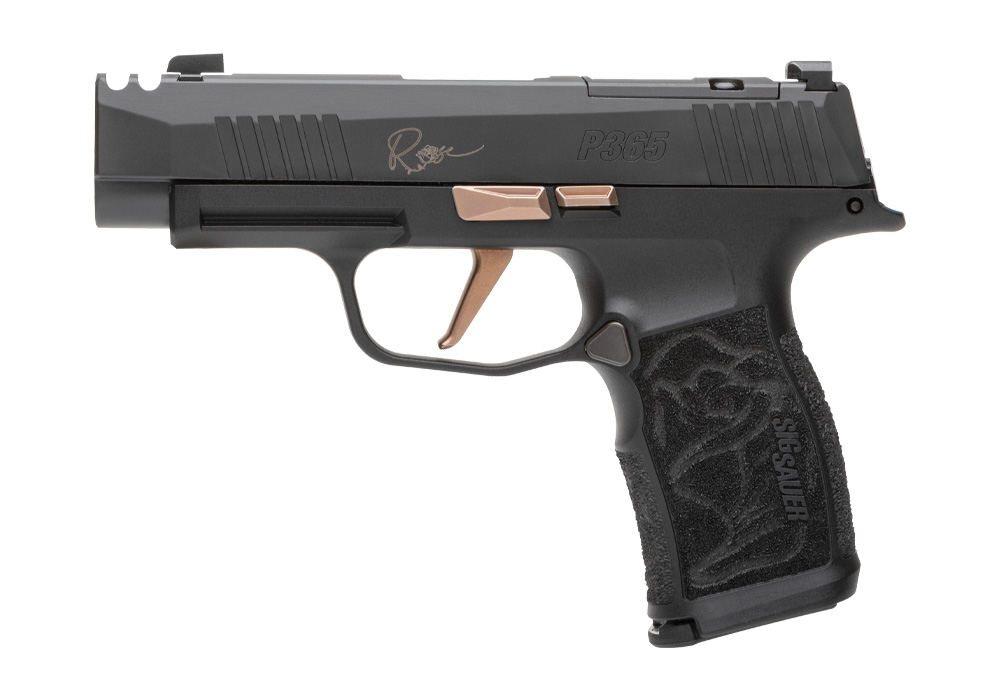
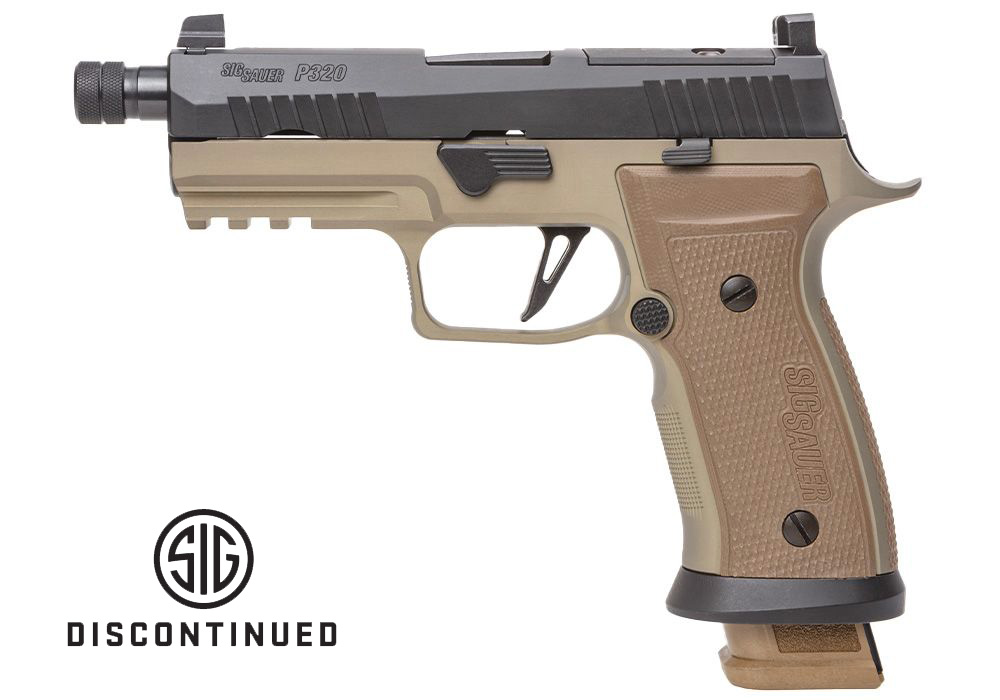
Firearm gifts for Labor Day can recognize a shared interest in target shooting, hunting, or responsible firearm ownership with something that has lasting practical value. The strongest choices reflect the recipient’s experience, intended use, and physical fit rather than appearance alone. Someone who enjoys deliberate practice at a target range may value comfortable handling and clearly visible sights, while a hunter may place greater emphasis on carry weight, weather-resistant finishes, and suitability for the game pursued. A firearm intended for lawful personal protection involves especially individual preferences, including control placement, grip dimensions, and the owner’s willingness to practice regularly. These differences matter because two firearms that look similar can feel very different in the hand or against the shoulder. Grip texture should provide a secure hold without creating uncomfortable pressure, and the distance to the trigger and other controls should suit the recipient’s hands. For shoulder-fired firearms, stock dimensions and overall balance affect how naturally the sights align and how comfortably the firearm can be supported. A recipient who wears prescription glasses, has limited hand strength, or prefers shooting from a seated position may have additional fit considerations that are easy to overlook when selecting a surprise gift. Familiarity also counts: an experienced shooter may appreciate controls that resemble those on equipment already used, while a newer owner benefits from a straightforward design and access to qualified instruction. Recoil tolerance, ammunition requirements, and the rules of the recipient’s usual range belong in the same conversation. A thoughtful Labor Day firearm gift fits into an established interest or a clearly expressed goal, whether that means more consistent range practice, preparation for a lawful hunting trip, or continued development of safe handling skills. The occasion gives the gift meaning, but its usefulness comes from how well it matches the person receiving it.
Materials, construction, and care help distinguish equipment that suits occasional recreation from equipment intended for frequent use. Steel, aluminum alloys, and reinforced polymers each serve different purposes in firearm construction, with weight, strength, surface protection, and handling characteristics influenced by the overall design. A lighter firearm can be easier to carry, but lower weight does not automatically mean greater shooting comfort; the relationship among weight, fit, ammunition, and recoil matters more than any single specification. Protective finishes can help resist wear and corrosion, although no finish removes the need for routine attention. Perspiration after a long practice session, moisture inside a carrying case, and residue from shooting can all affect equipment over time. A recipient who enjoys regular range visits may appreciate surfaces that are easy to inspect and maintain, along with a design supported by clear care instructions. Cleaning products and lubricants should be compatible with the firearm’s materials and finishes, and maintenance should follow the manufacturer’s directions with the firearm unloaded and ammunition kept away from the work area. Secure storage is equally important to the long-term value of a gift. Firearms should be stored unloaded and locked against unauthorized access, with ammunition secured separately, particularly in homes where children or visitors may be present. Protective cases help with transport and organization, but a carrying case is not necessarily a substitute for secure storage. Related shooting equipment also deserves attention to fit and compatibility: eye protection needs comfortable coverage, hearing protection must seal or fit correctly, and mounting interfaces must match the equipment involved. For someone who spends several hours at a range, pressure from eyewear beneath hearing protection or an awkwardly balanced setup can become more noticeable than a cosmetic detail. Durable materials and useful features matter most when they support comfortable, responsible use rather than adding complexity the recipient does not need.
A firearm can be a genuine gift only within the legal requirements that apply to the purchaser, recipient, and transfer. Federal, state, and local laws govern eligibility, age requirements, and how possession may be transferred, and a holiday does not create an exception. A bona fide gift is different from purchasing a firearm on behalf of another person who supplies payment or directs a purchase intended to bypass required procedures. Interstate gifts generally require a transfer through a federally licensed firearms dealer, subject to applicable exceptions, and some states also require dealer processing and a background check for gifts between residents of the same state. Permits, waiting periods, and restrictions on particular firearm types may apply as well. Confirming the requirements with a licensed dealer or qualified legal professional before arranging the gift helps prevent misunderstandings, especially when the giver and recipient live in different states. Required approvals and transfer procedures must be completed before possession changes hands. Legal eligibility is only part of a suitable match, however; the recipient should also want the responsibility of ownership and have an appropriate plan for training, storage, and ongoing care. A shared selection can be more meaningful than a surprise when it gives the recipient an opportunity to assess fit and ask informed questions. For someone interested in recreational air-powered target shooting, Air Pistols for Labor Day Gifts offers a related category to explore. Air pistols are not toys, and their ownership and use can involve separate legal restrictions, appropriate protective equipment, secure storage, and a suitable shooting area with a reliable backstop. They should not be treated as interchangeable with firearms or assumed to be suitable for every recipient. Whether the gift centers on an established shooting interest or a different form of target practice, its lasting value rests on personal suitability, lawful ownership, and the care taken to support responsible use.