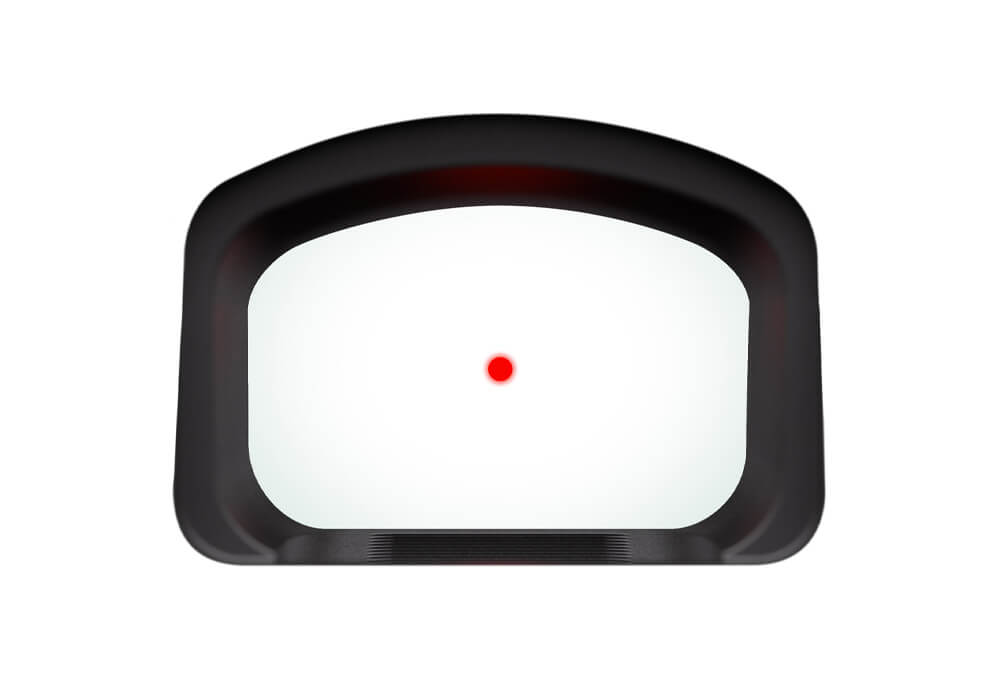
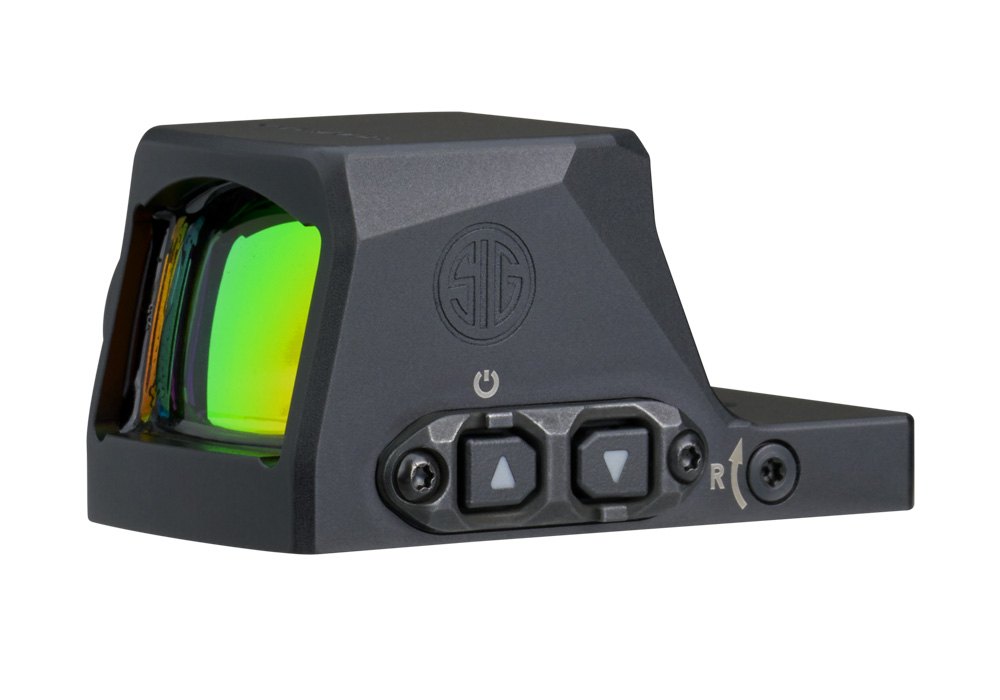
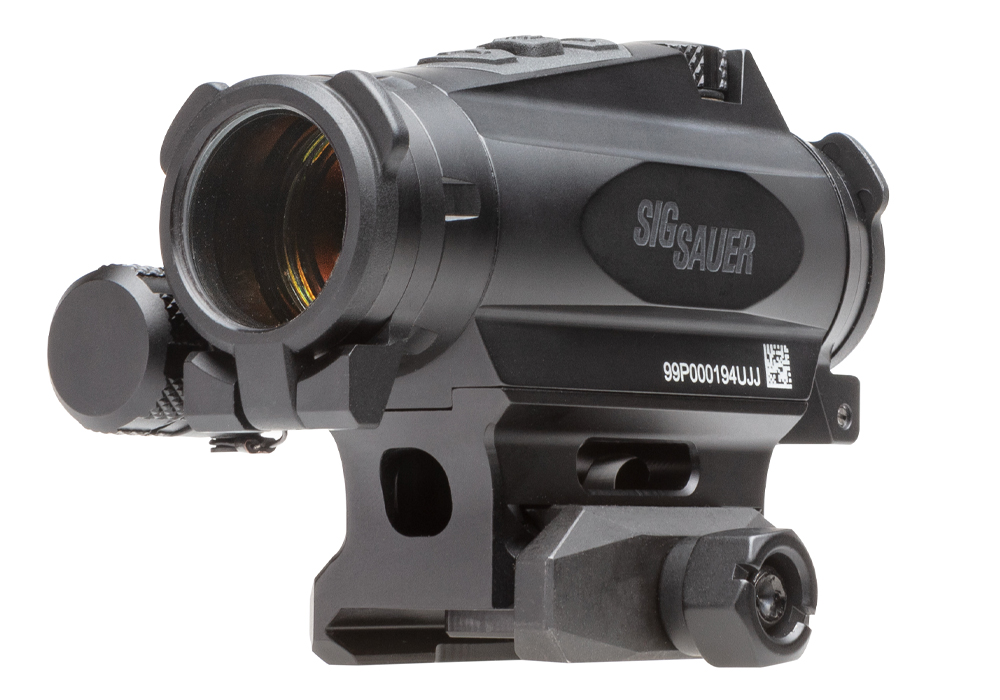
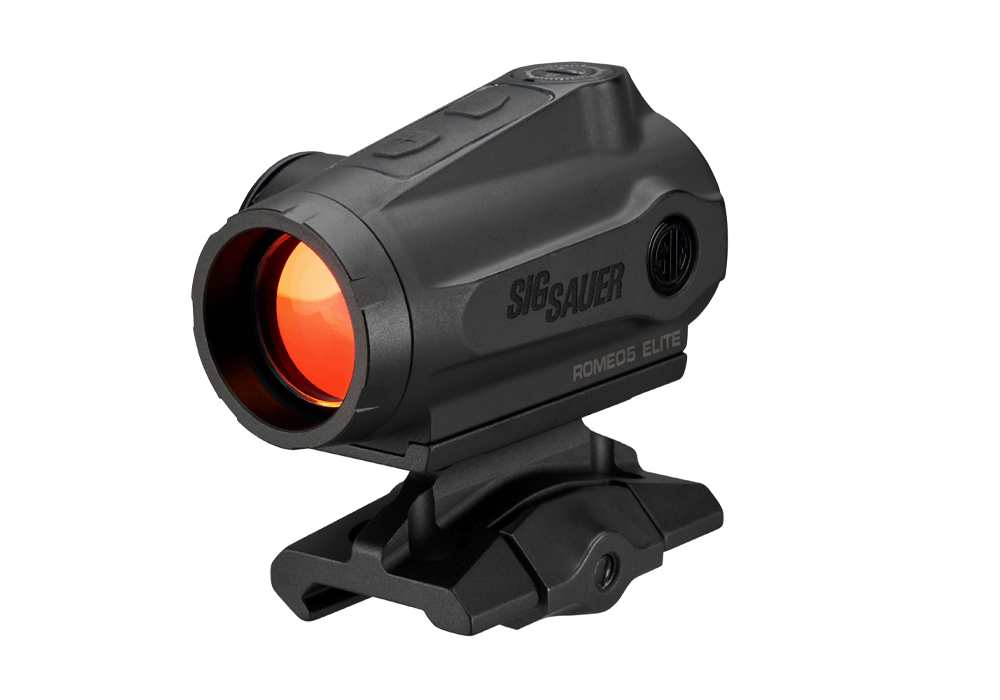
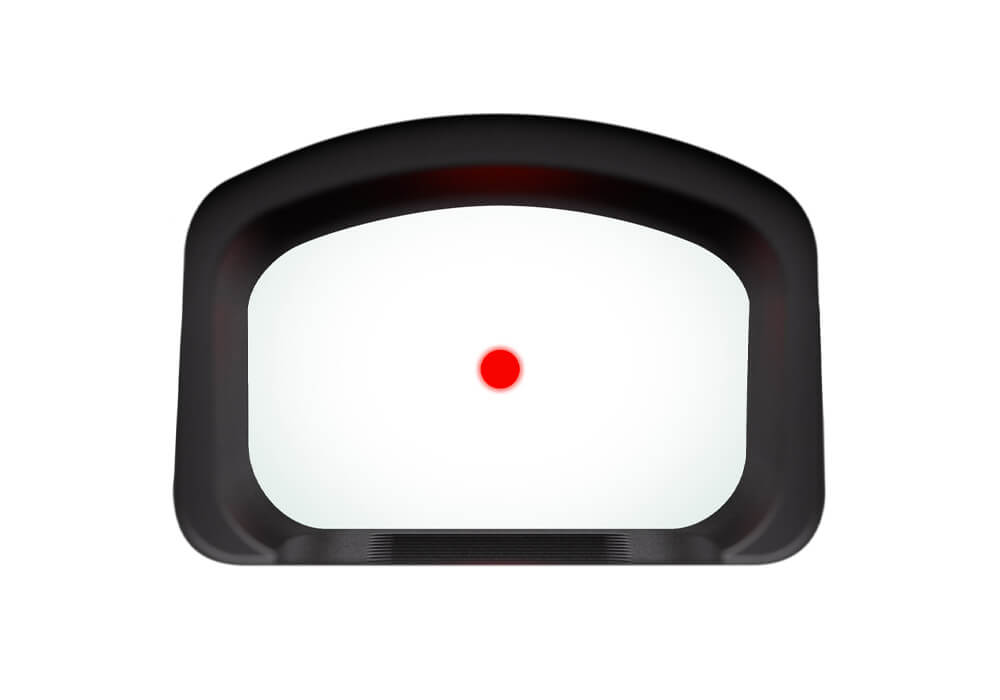
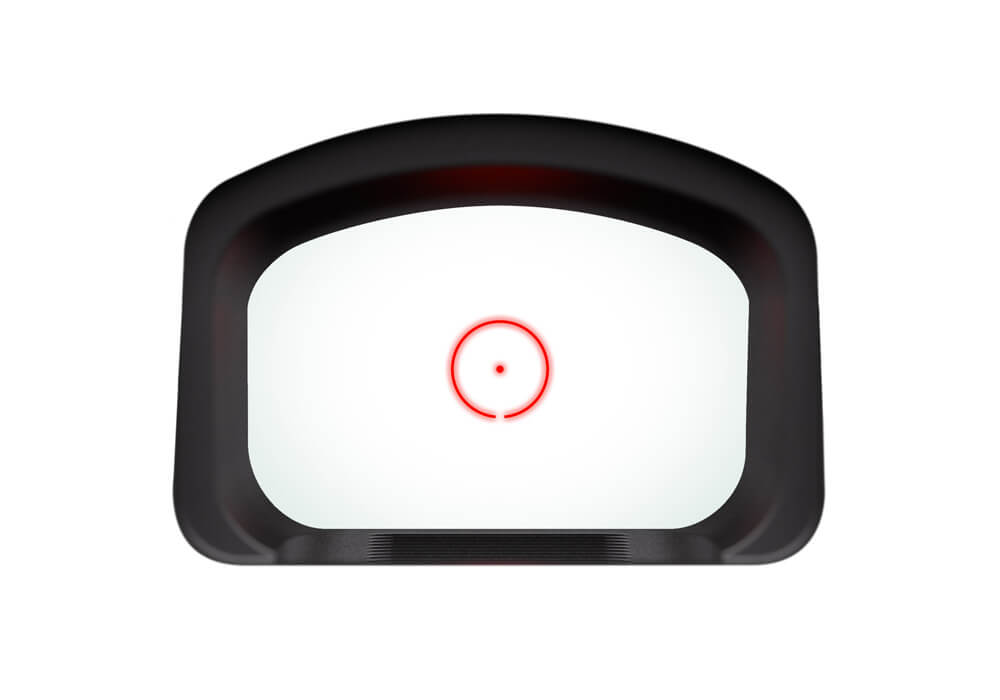
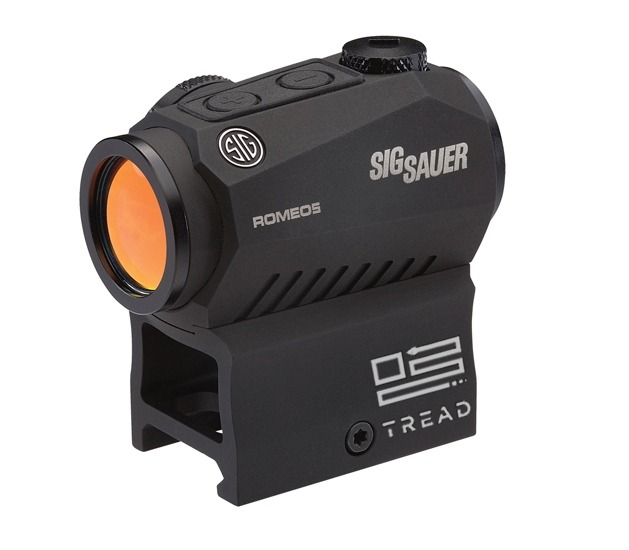
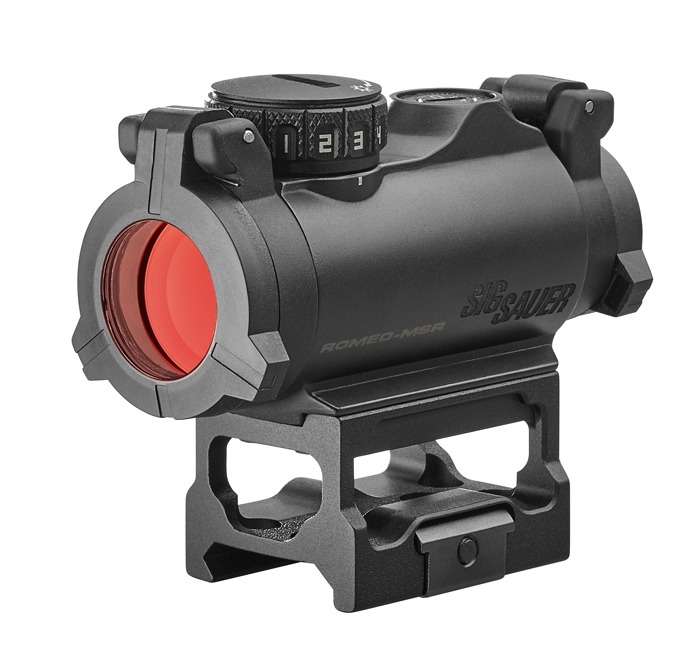
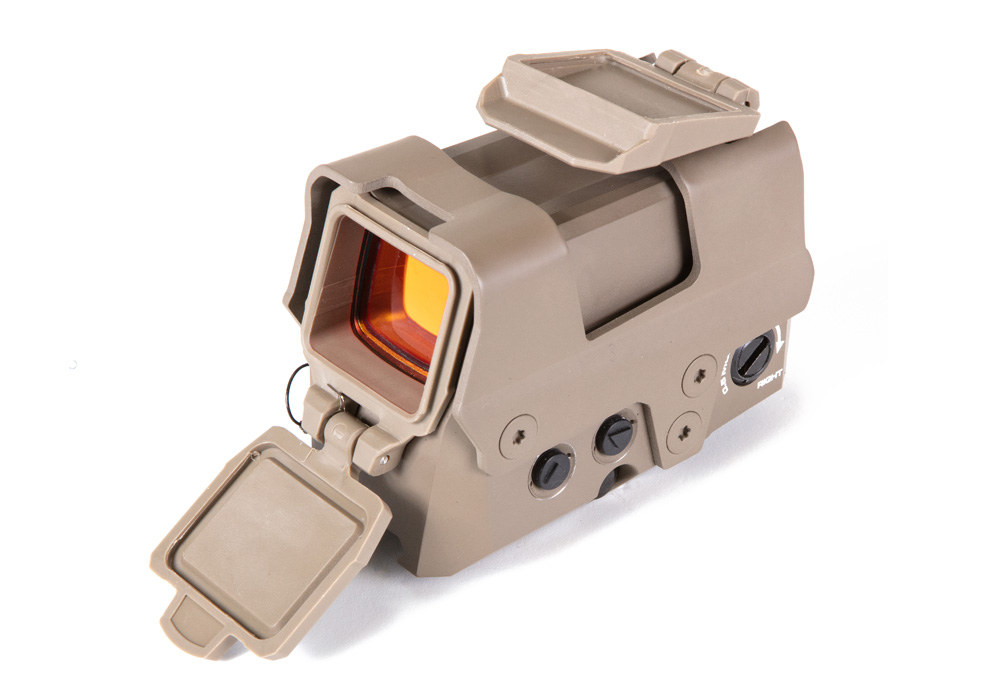
Red dot sights for Labor Day shooting events bring a clear aiming reference to recreational range visits, organized target matches, and holiday outings with friends or family. Rather than requiring the eye to align a rear sight, front sight, and target, a red dot optic presents an illuminated aiming point within its viewing window. That simpler sight picture can feel more approachable to newer shooters while giving experienced participants a familiar reference across different target presentations. Many shooters use these optics with both eyes open, although comfort and visual experience vary by person. The category includes compact sights suited to compatible handguns and larger configurations intended for rifles, carbines, or shotguns. Each application places different demands on mounting, viewing height, weight, and clearance, so the right choice begins with the firearm and the kind of range activity planned. A casual session on paper targets may favor an uncluttered dot and straightforward controls, while an organized match can put greater emphasis on a window that remains easy to see from the positions permitted by the event. Window size deserves attention, but it is only one part of the experience; frame thickness, lens clarity, and the relationship between the optic and the firearm also affect how naturally the sight picture appears. Reticle size is commonly expressed in minutes of angle, or MOA. A smaller dot covers less of the target, while a larger dot can be easier for some eyes to notice quickly. Neither is universally better, and personal vision matters as much as the specification. Brightness adjustment helps keep the aiming point visible against different backgrounds without turning it into a distracting glow. A dot that looks crisp indoors may appear different against a bright outdoor target or through tinted eye protection. Shooters with astigmatism may also perceive an illuminated dot as a streak or cluster rather than a neat circle, making an in-person look through an optic valuable when possible. For a Labor Day event, the most useful sight is one whose reticle, controls, and viewing window suit the participant’s vision and planned activity.
Construction and compatibility distinguish red dot sights just as much as the view through the lens. Aluminum housings are common because they balance structural strength with manageable weight, while protective shapes around the window help shield exposed glass from everyday handling. Lens coatings can support light transmission and resistance to reflections, though an illuminated reticle may still appear against glass with a slight tint. An open-emitter design leaves the path between the light source and viewing lens exposed; an enclosed-emitter design protects that path within a housing. Dust, moisture, and debris can therefore affect the two configurations differently, an important consideration for events held on outdoor ranges. Weather-resistance ratings, operating limits, and testing claims should be read according to the manufacturer’s specifications rather than treated as interchangeable promises. Recoil resistance also needs to match the intended firearm application, particularly when comparing a slide-mounted handgun optic with a sight attached to a rifle rail. A shared appearance does not establish compatibility. Mounting footprints, adapter requirements, rail interfaces, screw specifications, and sight height all influence whether an optic fits correctly. On a handgun, the relationship among the optic, slide, and any retained iron sights deserves attention. On a rifle or shotgun, mounting height can affect how comfortably the eye meets the window from the normal shooting position. Clearance around controls and access to the battery compartment matter as well, especially if battery replacement requires removing the sight. Professional assistance can help resolve uncertain fit questions without relying on guesswork. Before an organized event, a securely installed optic and a verified zero provide a more dependable starting point than an unfamiliar setup first used at the firing line. Event rules may also distinguish between sight types or equipment divisions, so compatibility includes the match format as well as the firearm. Range requirements for protective equipment, permitted targets, and participant conduct remain part of the occasion. A well-matched red dot complements those requirements; it does not replace safe handling, supervision where appropriate, or the need to understand the equipment.
Care between range visits helps preserve the qualities that make a red dot useful during a Labor Day shooting event. Dust on a viewing window can be especially noticeable when sunlight catches it, while fingerprints may turn a clean aiming point into a hazy reflection. Loose grit is best removed before the glass is wiped, and lens-safe cleaning supplies help avoid abrasion or damage to coatings. A clean microfiber cloth belongs with the optic’s care supplies, not loose in a bag where it can collect sand or residue. Cleaning methods, battery replacement, and mounting checks should follow the instructions for the particular sight and mount. Housing surfaces can be inspected for wear, while mounting hardware deserves periodic attention according to the specified maintenance schedule. Battery life varies with brightness settings, operating conditions, and electronic features, so a long advertised runtime is not a substitute for checking function before an outing. Motion-responsive activation and automatic brightness adjustment can be convenient, but their behavior should be familiar before an event begins. Protective covers and suitable storage help keep the lens from rubbing against other equipment during transport. These practical details also make red dot sights a thoughtful gift category for an adult recreational shooter who already has a compatible firearm and an established interest in target sports. Confirming the recipient’s mounting requirements and visual preferences is more useful than selecting solely by appearance. Someone who attends informal range gatherings may value simple controls and uncomplicated maintenance, while a regular match participant may prioritize a particular window shape or reticle presentation. The fit and durability considerations behind this category also apply to Memorial Day Shooting Red Dot Sights, particularly when an optic will serve across several organized outings rather than a single event. Labor Day can be one occasion among many for familiar equipment: paper targets on a supervised range, eligible steel targets at an organized match, or a relaxed session focused on consistent practice. Clear glass, dependable mounting, accessible controls, and a reticle that suits the shooter remain relevant long after the holiday gathering ends.