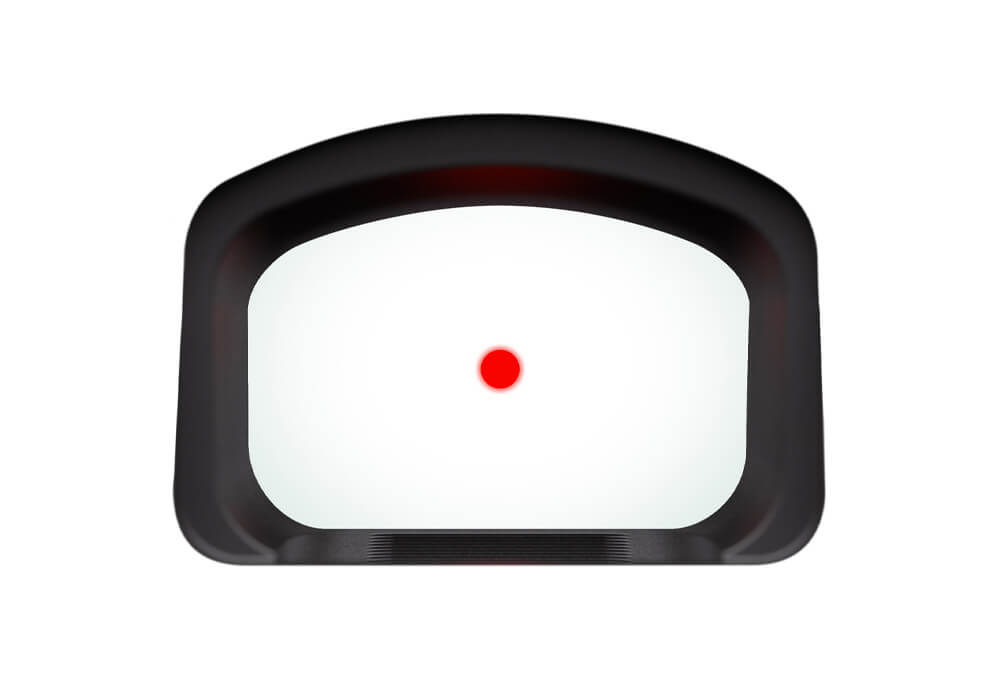
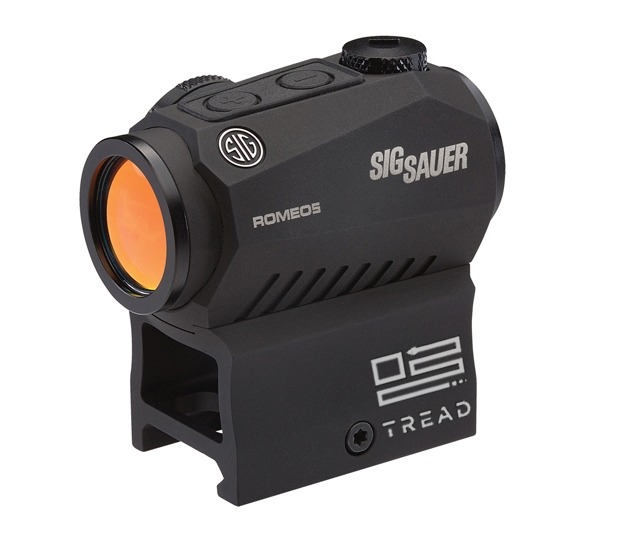
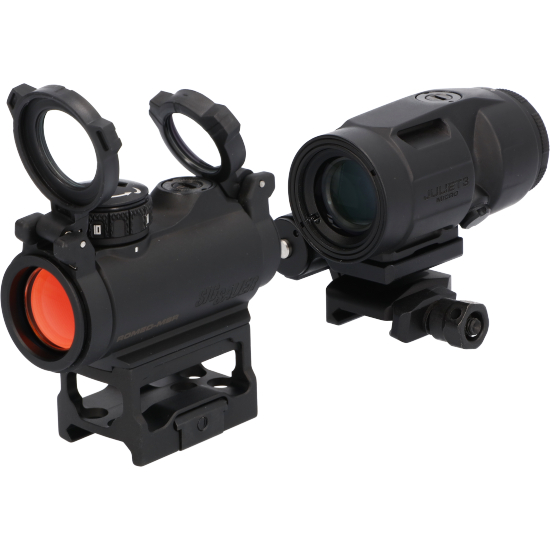
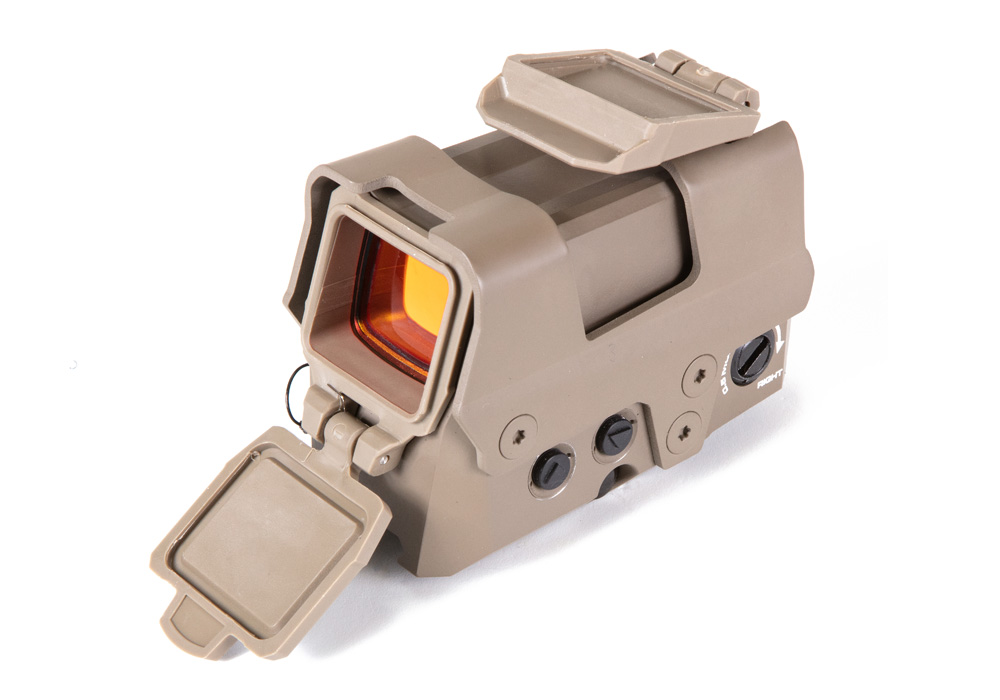
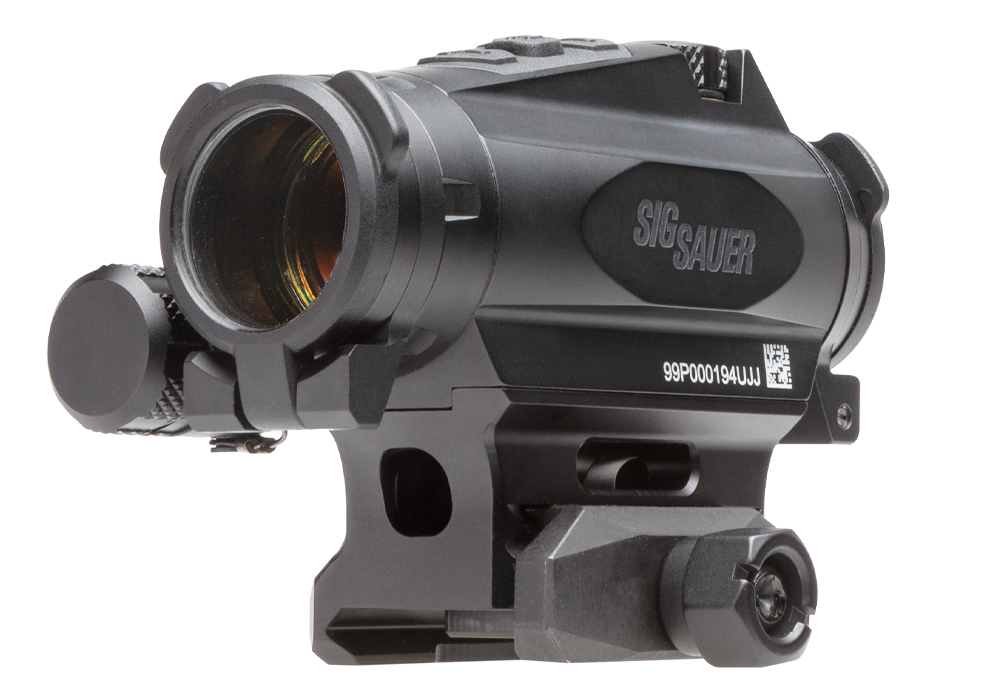
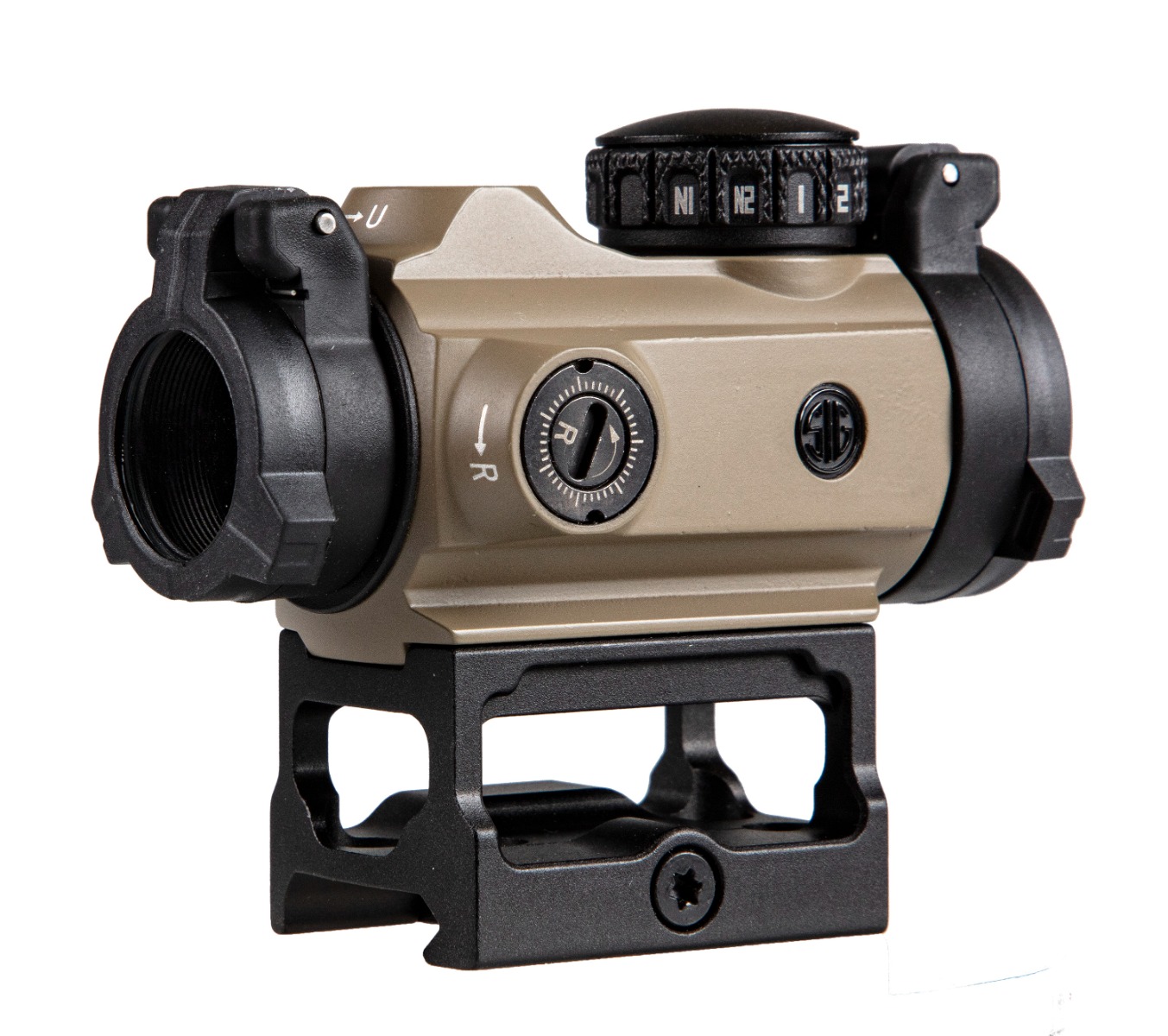
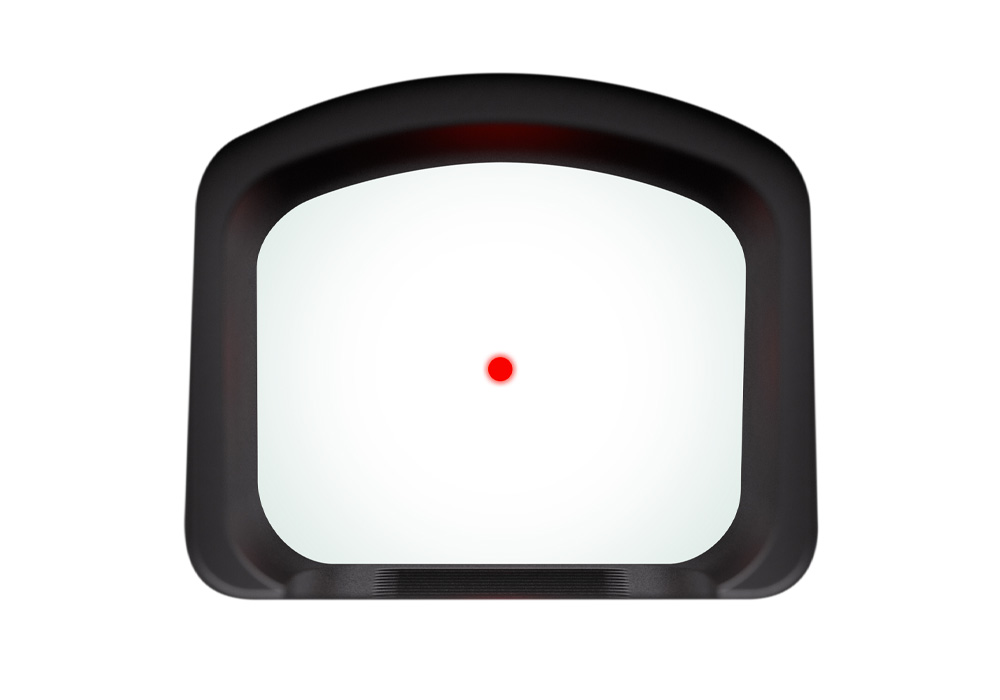
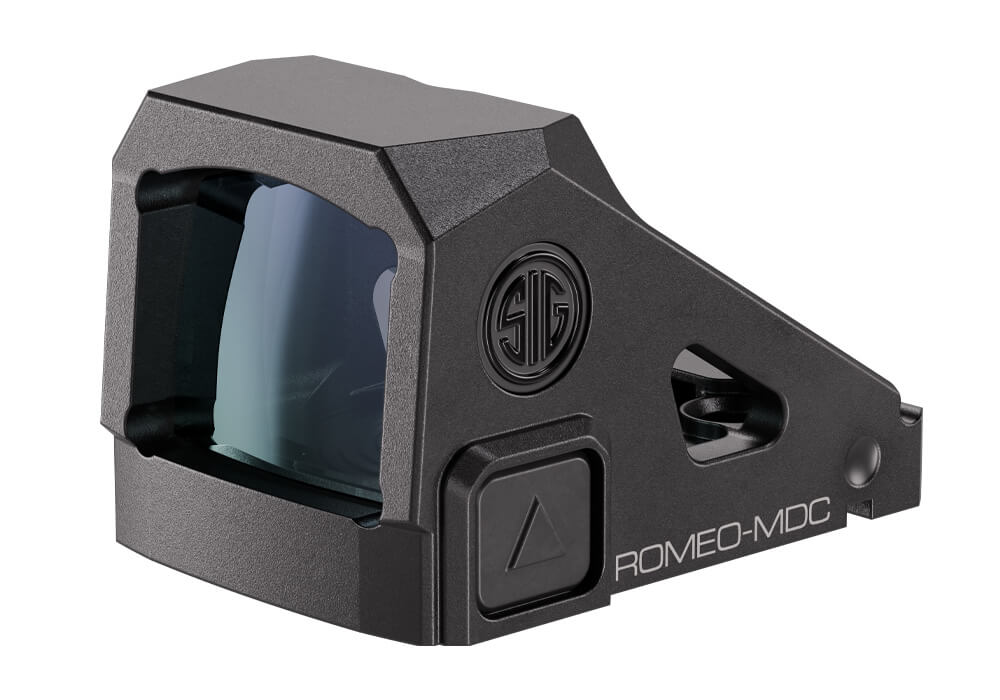
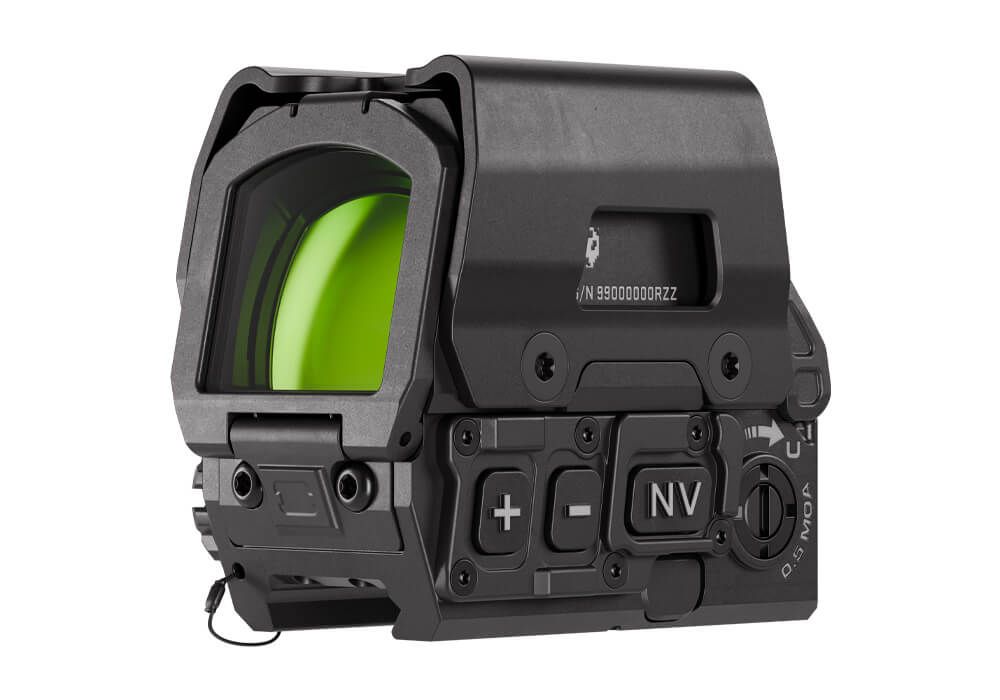
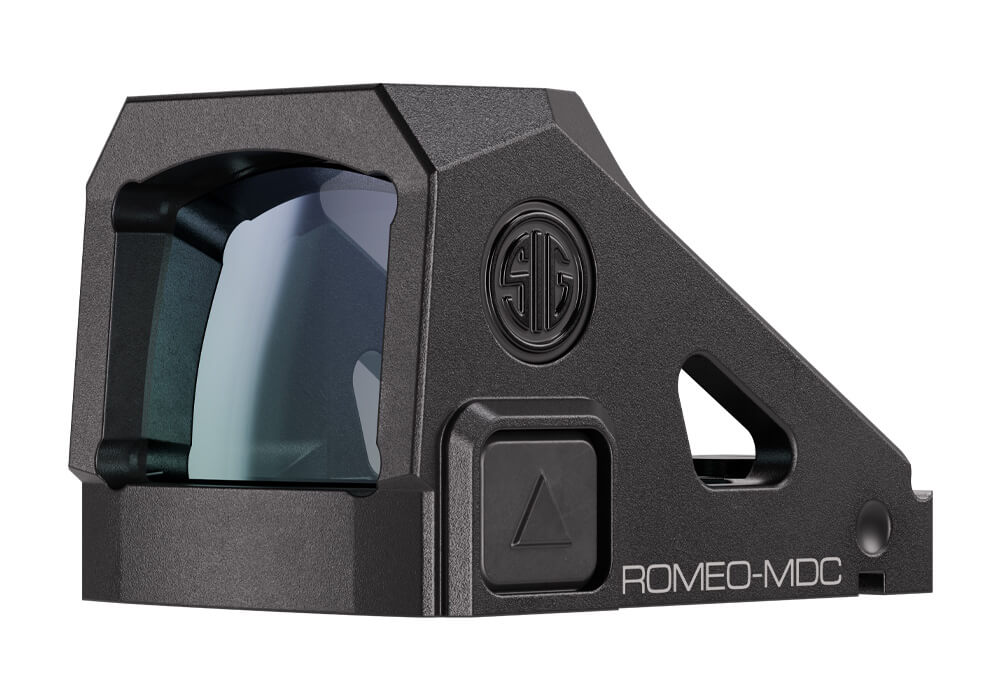
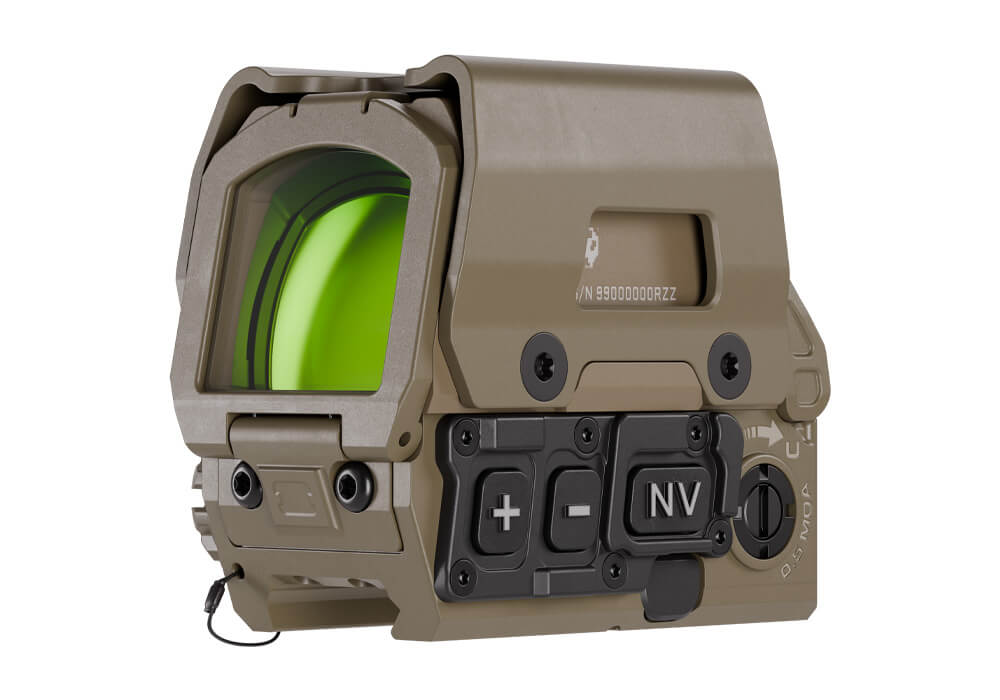
Red dot sights for July 4th shooting events offer a fast, intuitive way to bring a firearm onto target, whether the day includes informal range time, a friendly steel challenge, or a structured competition. Instead of aligning a front sight and rear sight separately, the shooter looks through the optic and places the illuminated aiming point where the intended point of impact should be. That simple sight picture can make target acquisition feel more natural, especially when moving between several targets or shooting from a supported position. During outdoor events, the sight may be used under a bright afternoon sky, in changing shade, or as the light begins to soften toward evening, so a clear viewing window and adjustable brightness settings are important considerations. A reticle that remains visible against sunlit steel, paper targets, and darker backstops gives the shooter a more consistent reference throughout the session. Red dot sights can be a practical choice for experienced range users, competitors refining transitions, or recreational shooters who want to modernize a compatible handgun, rifle, or shotgun. They can also make a thoughtful gift for a marksman who enjoys spending time at the range during holiday gatherings or cooler-season outings, provided the recipient’s firearm and intended use are understood before purchase. The best selection depends on more than appearance or price. Start by identifying the firearm platform, the optic-ready configuration, and the mounting footprint required by the slide, receiver, or adapter plate. Common footprints are not interchangeable, and even firearms that appear similar may require different mounting hardware. Confirm whether the firearm is cut for a direct mount, needs a plate, or requires a separate rail-mounted solution. A secure fit, proper screw length, and correct torque are essential for maintaining zero and preventing damage to the optic or firearm. When purchasing a sight as a gift, a discreet conversation about the recipient’s firearm model or a quick look at the owner’s manual can prevent an otherwise useful present from becoming an incompatible one.
The intended shooting style should guide the rest of the selection. A compact sight with a smaller profile may suit a concealed-carry-size handgun or a streamlined setup, while a larger viewing window can be appealing for competition, recreational practice, and fast transitions between targets. Shooters who spend long sessions engaging steel or paper at the range may appreciate a generous window that helps them find the reticle quickly after recoil. Those preparing a rifle or shotgun for practical drills may prioritize a durable housing, dependable controls, and a footprint that integrates cleanly with the existing rail system. Adjustable daylight brightness is especially useful for outdoor July 4th shooting events, where direct sun can wash out a dim reticle and heavy shade can make an overly bright aiming point bloom across the window. Automatic brightness adjustment can be convenient, but manual controls give the shooter more direct control when moving between bright and shaded positions. Battery access, estimated battery life, and the location of the controls also deserve attention. Some shooters prefer an optic that allows battery changes without removing the sight, while others place greater emphasis on a slim housing or enclosed construction. The sight should complement the firearm rather than interfere with the ejection port, charging handle, iron sights, or normal manipulation of the controls. Co-witness compatibility with backup iron sights is another useful feature for many setups, allowing the shooter to retain a familiar aiming reference if the optic is turned off or the battery needs attention. Before heading to an event, mount the sight according to the manufacturer’s instructions, confirm the fasteners are properly secured, and zero the optic from a stable position at a suitable distance. A few careful confirmation shots can reveal a loose mount, an unsuitable plate, or an aiming point that needs adjustment before the range becomes busy. Firearms should always be handled responsibly, with the action open when appropriate, the muzzle pointed in a safe direction, and eye and ear protection worn whenever shooting is underway.
Outdoor use also makes care and maintenance part of the buying decision. Dust from a dry range, humidity from a warm day, fingerprints, and powder residue can all reduce clarity if they collect on the lens or around the controls. After shooting, allow the firearm and optic to cool as needed, verify the firearm is unloaded, and wipe the exterior with a clean microfiber cloth. Lens surfaces should be cleaned gently with materials intended for coated optics rather than an abrasive fabric or household cleaner. Inspect the mounting screws and housing for signs of movement, impact, or unusual wear, particularly after transport in a range bag or after a long session on steel targets. A protective cover can help keep the window clean between shooting stages, while a spare battery stored according to the manufacturer’s guidance can add convenience during travel. Shooters building a complete setup may also consider how the sight works with other accessories, including a properly positioned Vertical Grips for July 4th Shooting Events for compatible long-gun configurations and lawful applications. Accessories should never obstruct safe handling, interfere with controls, or encourage a rushed shooting position. As outdoor conditions shift from warm holiday gatherings to cooler months, a red dot sight remains useful for range practice, informal target work, and organized events when it is correctly mounted, properly zeroed, and maintained. Selecting the right footprint, window size, reticle brightness system, battery arrangement, and durability features helps ensure the optic feels like a natural part of the firearm. With a clear sight picture and a setup matched to the shooter’s experience and equipment, these sights can support confident, deliberate target engagement from the first round of the day through the last.