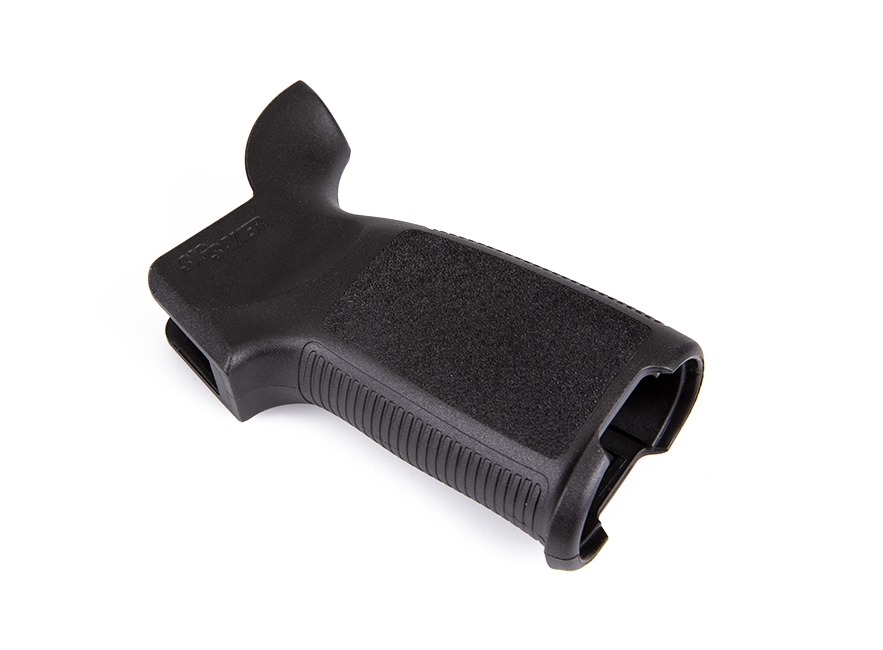
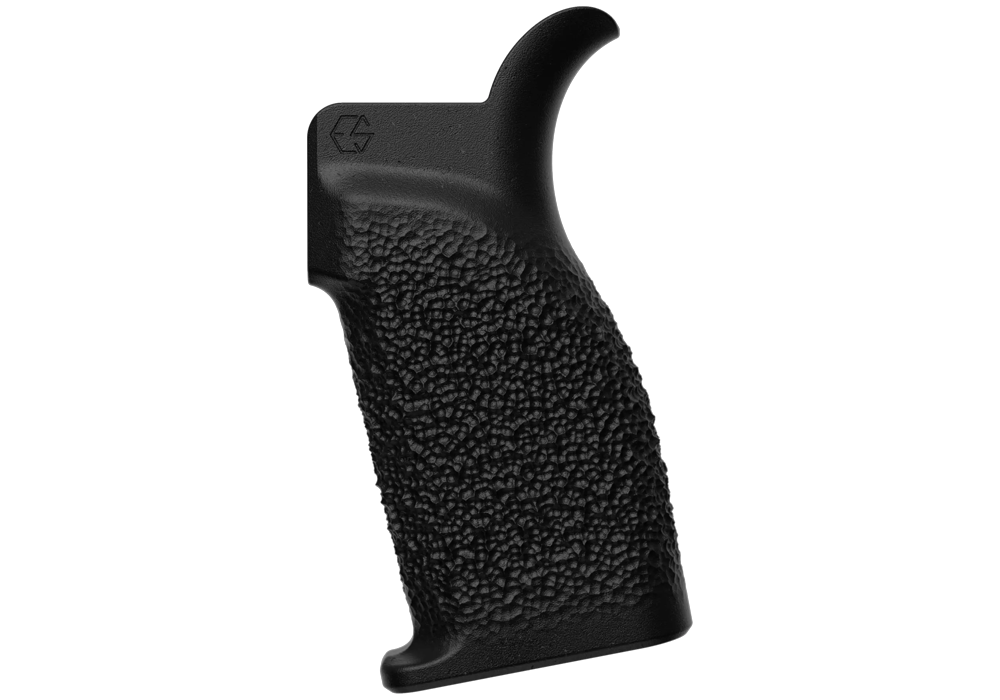
Vertical grips are a practical addition for many modern sporting rifles used during July 4th shooting events, including organized matches, carbine courses, club demonstrations, and informal range sessions. By creating a more defined support-hand position, a vertical grip can help a shooter maintain consistent control while moving between targets, changing shooting positions, or working through a longer string of fire. It also gives the support hand a comfortable point of contact away from the hottest portions of the handguard, which can be especially useful during extended outdoor sessions as temperatures rise. Some shooters prefer a full-hand grasp around a traditional vertical grip, while others use a shorter design as a reference point or hand stop with a thumb-forward hold. Neither approach is universally best; the right choice depends on hand size, shooting stance, rail length, firearm balance, and the rules of the event. A grip should allow the support arm to remain relaxed rather than forcing the wrist into an awkward angle, and it should complement the way the rifle is already shouldered. When browsing vertical grips for July 4th shooting events, consider the grip’s height, shape, texture, weight, and mounting interface, along with the available space on the handguard. A compact model may preserve room for a light or other accessory, while a longer model may provide a more substantial purchase for shooters who prefer a traditional grip. Textured polymer can keep weight down, while reinforced construction may appeal to users who expect frequent training and transport. The goal is a secure, repeatable support-hand position that feels natural from the first stage or shooting string through the last.
Compatibility deserves careful attention before adding any firearm accessory. Vertical grips are commonly designed for either M-LOK or Picatinny mounting systems, and the correct interface must match the rail on the firearm. A grip that appears similar may not attach properly without the appropriate mounting hardware, so shoppers should confirm the rail standard, available slots, and manufacturer installation requirements before purchasing. It is also worth checking whether the grip will interfere with a sling mount, weapon light, handguard accessories, or the shooter’s preferred support-hand placement. A properly fitted grip should lock securely in place and remain stable under normal handling, but installation should always be performed with the firearm unloaded, cleared, and pointed in a safe direction. Users should follow the accessory instructions, use the recommended tools, and inspect the mounting hardware periodically, particularly after transportation or repeated range use. Event rules can also affect which accessories are permitted. Some competitions establish limits on grip configuration, overall equipment, or the ways a firearm may be supported against a barricade, while a casual club event may have a different set of requirements. In addition, the legal classification of the firearm matters: attaching a conventional vertical grip to a firearm classified as a pistol can create regulatory concerns under federal law, depending on the firearm’s configuration. Anyone using an AR-style pistol or another compact firearm should review applicable federal, state, and local laws and seek qualified legal guidance when needed before selecting a vertical grip. For related components and accessories, explore Firearm Parts for July 4th Events while keeping the complete setup, intended use, and event requirements in mind.
A vertical grip can also be a thoughtful gift for a recreational shooter, match participant, or range enthusiast who has recently updated a compatible firearm. It is a useful choice when the recipient spends time practicing from standing, kneeling, or supported positions and wants a more consistent place for the support hand. Because preferences vary, gift buyers should first confirm the recipient’s rail type and learn whether they prefer a full-length vertical grip, a compact grip, or a low-profile hand stop. A quick look at the firearm’s handguard or a discreet conversation about preferred accessories can prevent an otherwise well-intended gift from being incompatible. Shooters who attend Independence Day events may appreciate a grip that offers a secure feel during a busy day at the range, while those who train throughout the cooler months may value durable construction, a comfortable texture, and a profile that remains easy to use with gloves. The best accessory is not necessarily the largest or most feature-filled option; it is the one that fits the firearm, suits the shooter’s technique, and supports safe, controlled handling without adding unnecessary bulk. Before heading to an event, users should confirm the grip is firmly installed, verify that the firearm operates safely with the new accessory, and review the range’s rules regarding equipment and shooting positions. Proper eye and ear protection, muzzle awareness, safe storage, and careful handling remain essential at every gathering, whether the day includes a formal match or relaxed practice with friends. As outdoor conditions shift from warm afternoons to cooler days, a well-chosen vertical grip can remain a dependable part of a thoughtfully configured firearm setup.