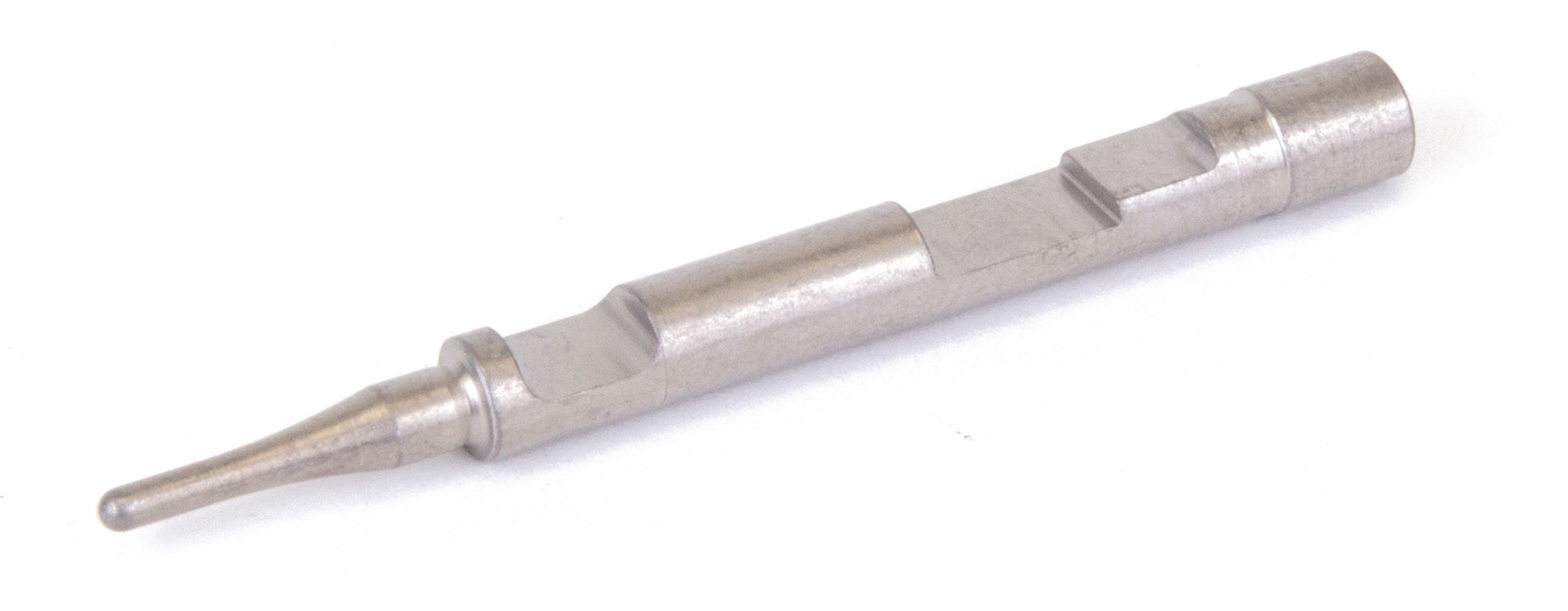
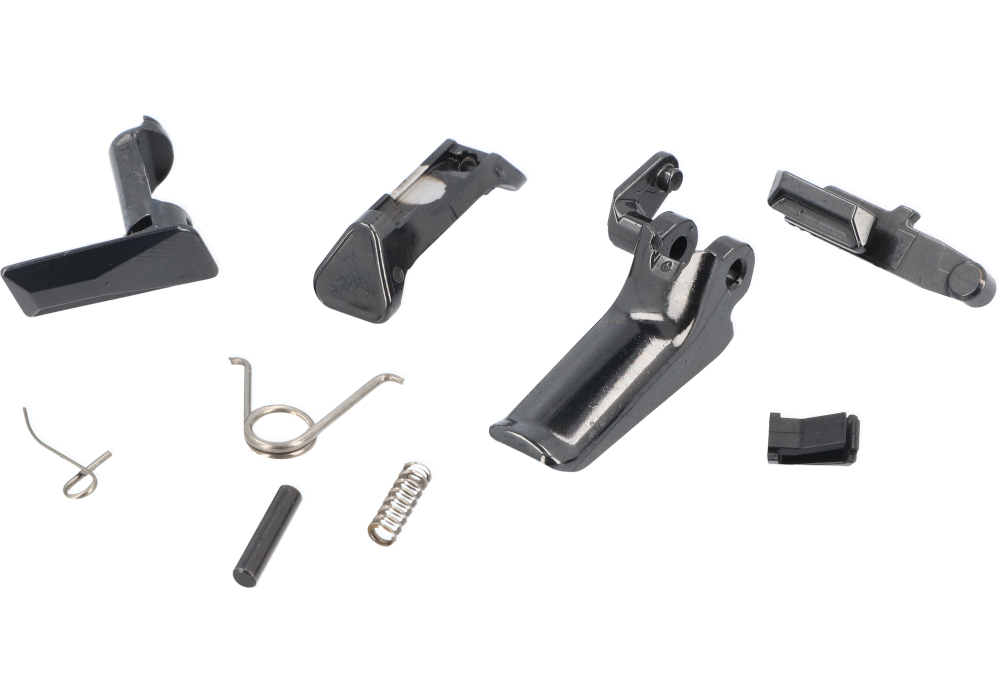
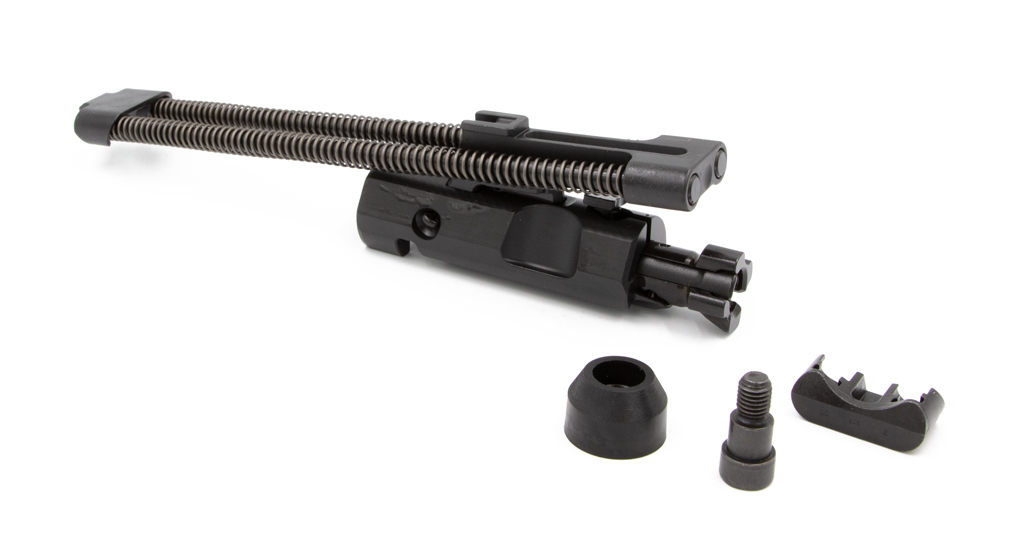
Firearm parts selected for July 4th events can support a wide range of lawful, responsible activities, from routine maintenance and repairs to supervised range practice and careful preparation for a day outdoors. Parts are often chosen to restore a firearm to dependable operating condition, replace worn components, refine fit and function, or personalize a setup for a particular shooter. Because compatibility matters, begin with the exact firearm model, chambering, generation, configuration, and manufacturer specifications before placing an order. Even components that appear similar may differ in dimensions, interfaces, materials, or required hardware. A receiver component, operating assembly, trigger component, sighting system, stock, grip, or small replacement part should be evaluated as part of the complete firearm rather than as an isolated item. Owners who keep a simple record of their firearm’s model designation and existing configuration usually find the selection process much easier, especially when comparing standard and extended capacity options or determining whether a component is intended for a specific platform. It is also wise to review applicable federal, state, and local laws before purchasing, installing, transporting, or using firearm parts. Some components may be regulated differently depending on where they are shipped or installed, and requirements can change across jurisdictions. When a part affects firing, locking, cycling, ignition, or other critical functions, installation should be handled by a qualified gunsmith or another trained professional. A careful inspection, proper torque, and a function check performed in a safe setting can make the difference between a satisfying upgrade and an avoidable problem.
For many firearm owners, the days surrounding Independence Day provide a natural opportunity to organize equipment before heading to an approved shooting range or private property with a suitable backstop. A replacement part can be useful for an experienced owner who has identified a specific maintenance need, while a thoughtfully selected accessory or non-critical component may make a practical gift for a family member or friend who already owns a compatible firearm and understands safe handling. Gifts involving firearm parts deserve extra care: confirm the recipient’s platform, preferences, and legal eligibility before buying, and avoid guessing when a small difference in fit can prevent proper installation. A conversation about the intended use—such as target practice, training, competition, hunting where lawful, or general upkeep—can help narrow the choices without turning a holiday purchase into a frustrating exchange. Shooters who spend time at an outdoor range may prioritize durable materials, weather-resistant finishes, straightforward maintenance, and controls that can be used consistently with gloves or wet hands during changing conditions. Someone preparing for cooler months may instead be looking for replacement components that support a reliable cleaning routine or help keep a familiar firearm in service through regular practice. For new owners, the most useful purchase may be a basic maintenance-related part selected with guidance from a qualified professional, rather than an installation-sensitive upgrade. Whatever the purpose, every component should be treated as part of a complete system. Read the manufacturer’s instructions, retain any supplied hardware, inspect for damage when the package arrives, and do not modify a part beyond approved specifications.
Safety is especially important when firearm-related products appear alongside July 4th planning. Firearms should never be discharged into the air, toward fireworks, across roads, near homes, or in any setting where a safe direction and dependable backstop cannot be established. Bullets fired upward can travel long distances before returning to the ground, creating a serious risk of injury and property damage; celebratory gunfire is dangerous and may be illegal. Lawful shooting belongs at a certified range or on private property where local rules are followed and the entire shooting area can be controlled. Keep firearms unloaded until they are ready for use, point the muzzle in a safe direction, keep the action open when practical, and store firearms and ammunition securely when they are not being handled. Eye and hearing protection should be used at the range, and children or inexperienced guests should receive age-appropriate instruction and close supervision from a responsible adult. If a newly installed part produces unusual noise, resistance, inconsistent cycling, or any uncertainty about safe operation, stop using the firearm and seek professional inspection. Those shopping for related equipment for air-powered practice can also explore Airgun Supplies for July 4th as an option for controlled training and recreational use where permitted. With careful compatibility checks, responsible storage, professional installation when needed, and a commitment to approved shooting locations, firearm parts can support reliable ownership and enjoyable range time long after the holiday decorations have been packed away and the cooler months have settled in.