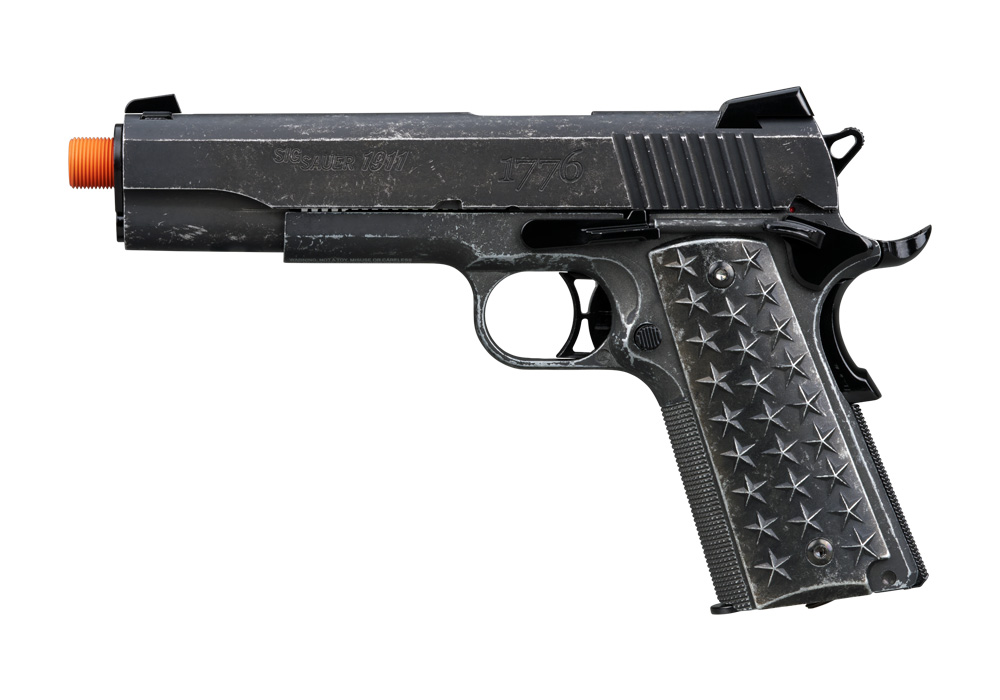
Airgun supplies for July 4th can make backyard target practice, informal plinking, and outdoor range sessions more organized and enjoyable when selected with the intended shooter and airgun in mind. A thoughtful setup usually begins with the right ammunition and power source. Standard lead pellets are available in different calibers and shapes, so compatibility with the airgun’s barrel and manufacturer specifications should always come first. Wadcutters are often favored for paper targets because their flat noses leave clean, easy-to-score holes, while other pellet profiles may suit different target styles or shooting distances. BBs are commonly used with compatible smoothbore airguns for casual plinking, but they should never be substituted for pellets unless the airgun is designed for them. CO2 cartridges are another important consideration for compatible pistols and rifles, particularly when several shooters will be taking turns. Temperature can affect CO2 performance, so storing cartridges and airguns out of direct sun and using them according to the manufacturer’s instructions helps maintain more consistent operation. Shooters using pre-charged pneumatic airguns should also account for the equipment needed to fill the air reservoir, along with the manufacturer’s recommended pressure limits. For a holiday gathering, standard ammunition may be appropriate for occasional practice, while an extended supply can be convenient for a full afternoon of supervised shooting. Before purchasing, confirm caliber, ammunition type, operating system, and any restrictions that apply to the intended location. Those details are especially helpful when choosing a July 4th gift for a new shooter, a recreational plinker, or an experienced enthusiast who already has a preferred airgun platform. The July 4th Pellet Air Rifles selection can provide a starting point for shoppers looking to pair a pellet air rifle with suitable ammunition and range accessories.
Targets help turn an open stretch of backyard or a designated range area into a more deliberate shooting experience. Paper targets are easy to mark, replace, and use for basic sight-in work, grouping practice, and friendly scorekeeping among family members or friends. Reactive targets offer visible or audible feedback when struck, which can be useful during informal practice and may help younger or newer shooters understand where each shot landed without walking downrange after every string. Specialty targets can add a festive touch to a 4th of July outing, although function and safe placement remain more important than appearance. Set targets against a suitable backstop capable of stopping the specific ammunition being used, and inspect the area behind and around the target before shooting begins. A clear firing lane, stable target support, adequate lighting, and an agreed-upon cease-fire procedure make a noticeable difference when several people are sharing the same setup. Eye protection should be worn by everyone near the shooting area, including spectators, and airguns should be handled as though they are loaded until personally checked and made safe. Children and first-time shooters benefit from direct adult supervision, simple instructions, and a shooting position that allows the supervisor to remain close at all times. Airgun supplies can also make practical gifts: targets are approachable for a new enthusiast, pellets and BBs are useful for regular plinkers, and a well-chosen accessory can complement an airgun without requiring the giver to know every detail about the recipient’s collection. During the warmer part of the year, outdoor practice may be the focus, while cooler months are a good time to organize targets, ammunition, and range equipment for the next suitable session.
Maintenance supplies are equally important after a busy day of shooting. Airguns can accumulate dust, residue, and debris through normal use, and a basic cleaning kit helps keep routine care straightforward. The appropriate cleaning method depends on the airgun’s design; some systems require careful barrel cleaning, while others should not be treated with materials or procedures intended for firearms. Manufacturer guidance should always take priority, particularly around seals, valves, lubricants, and pressurized components. Use only lubricants approved for the specific airgun, since petroleum-based products or unsuitable oils can damage seals or create unsafe conditions in certain pneumatic systems. A soft cloth, small brush, protective case, and storage container can help keep equipment clean between sessions, while a pellet pouch or organized ammunition container reduces the chance of crushed pellets and loose projectiles being left around the shooting area. CO2-powered airguns should be stored in accordance with their instructions, and compressed-air equipment should be inspected for damage before use. When the session is over, unload the airgun, remove the power source as directed, engage any safety mechanism, and store the equipment and ammunition in a secure location inaccessible to unauthorized users. A careful pre-session inspection is also worthwhile: check fasteners, sights, stocks, seals, and target supports before setting up. Whether the supplies are being gathered for a 4th of July celebration, given as a seasonal gift, or kept on hand for quiet practice during the cooler months, the best choices are the ones that match the airgun, support safe handling, and make preparation and cleanup as dependable as the shooting itself.