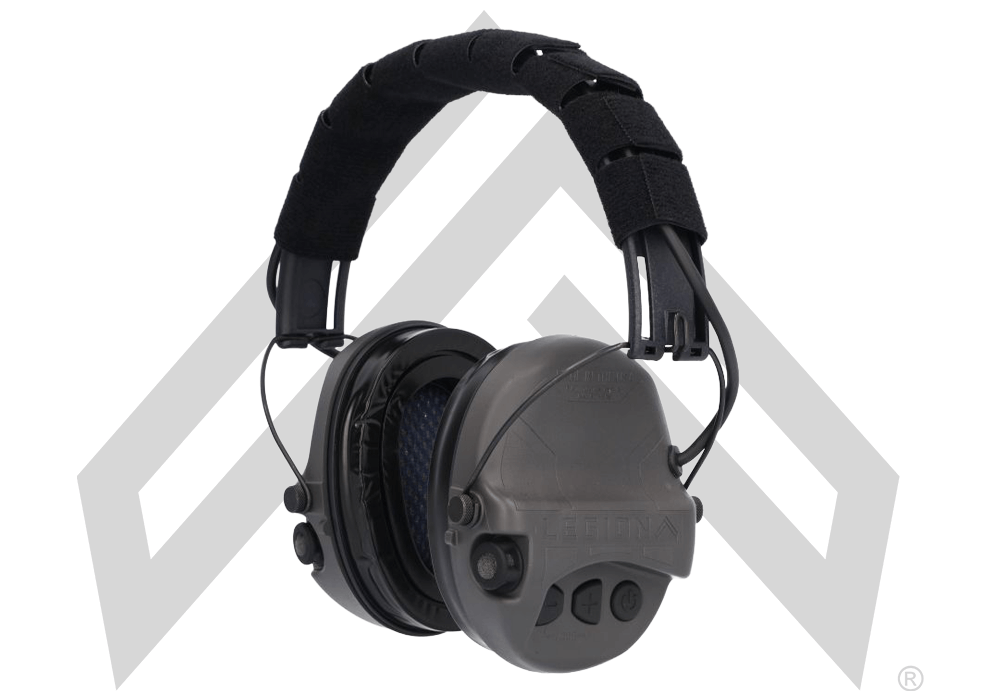
Shooting ear protection is an essential part of every range bag, whether you spend an afternoon practicing with a rimfire pistol, sighting in a rifle outdoors, or introducing a new shooter to the fundamentals of safe firearm handling. Gunfire produces brief, intense sound that can damage hearing even when the shot seems manageable, and repeated exposure may lead to ringing, muffled hearing, or permanent loss. The right protection should reduce dangerous sound while remaining comfortable enough to wear for an entire session. Passive earmuffs offer a straightforward solution: they do not require batteries, electronics, or complicated controls, and they reduce surrounding noise consistently. Foam earplugs are compact, affordable, and easy to keep in a glove compartment, range bag, or pocket as a spare. Reusable molded plugs can provide a more secure, personal fit, while electronic earmuffs and in-ear systems are designed to make quieter sounds—such as conversation, range commands, or the movement of equipment—easier to hear while compressing sudden loud sounds. That distinction can be valuable on a busy firing line, where clear communication matters. When comparing options, consider the Noise Reduction Rating, commonly listed as NRR, but also pay close attention to fit, comfort, adjustability, and the environment where the protection will be used. A strong rating cannot compensate for an earplug inserted incorrectly or an earmuff cushion that does not fully seal around the ear.
Indoor ranges, covered firing points, and areas with hard surfaces can make gunfire seem sharper because sound reflects from walls, ceilings, and other nearby structures. For these settings, many shooters choose to double up by wearing properly fitted foam earplugs beneath earmuffs. This combination can provide additional protection for especially loud environments, larger-caliber firearms, or extended practice sessions. The ratings should not simply be added together as though they were independent measurements; instead, follow the guidance supplied by the manufacturer and the range, and make sure both layers fit correctly. Earmuff seals deserve particular attention. Safety glasses, hat bands, hair, and even the arms of glasses can create small gaps that allow sound to reach the ear. Soft gel cushions may help an over-ear design conform around eyewear more comfortably, while a slimmer profile can reduce interference with a rifle stock and help preserve a consistent cheek weld. In-ear electronic protection is another option for shooters who prefer a low-profile design, especially when wearing a helmet, using a scoped rifle, or moving between stations. Passive plugs remain useful for their simplicity, while electronic models may suit someone who wants to hear a conversation without removing protection. Outdoor shooters may value directional awareness and the ability to hear range instructions over wind, conversation, or natural surroundings. Regardless of style, inspect the seal before shooting, replace worn cushions or damaged plugs, and keep spare batteries or backup passive protection available. Pairing ear protection with properly fitted Shooting Eye Protection helps create a more complete approach to range safety without distracting from the task at hand.
Shooting ear protection also makes a thoughtful gift for a new firearm owner, a frequent range visitor, a hunter preparing for the field, or a family member learning to shoot during the cooler months. A new shooter may not realize how quickly an uncomfortable pair of muffs becomes a distraction: the headband presses, the cups shift when turning, or the seal breaks each time safety glasses are adjusted. Comfortable protection encourages consistent use, which is far more valuable than a pair that remains in the range bag. For a gift, look for practical features such as adjustable headbands, folding frames, replaceable cushions, washable components, secure retention, and controls that are easy to operate while wearing gloves. Electronic protection can be especially convenient for instructors, parents, and guests who need to hear simple instructions while keeping their ears covered. It is still wise to keep passive plugs available for visitors whose ears may not fit the same way, and children should use appropriately sized protection rather than relying on an adult fit. At an outdoor range, protection should stay comfortable through changing temperatures and shifting weather; at an indoor range, a close seal and the option to layer protection may matter most. Store earmuffs away from excessive heat and moisture, keep earplugs clean, and check that electronic units power on before leaving home. A few minutes spent adjusting the fit—pressing foam plugs deeply enough to expand, lowering earmuff cups completely over the ears, and confirming that glasses or hair are not breaking the seal—can make a noticeable difference. The best choice is the one a shooter will wear correctly from the first shot to the last, allowing attention to remain on safe handling, clear communication, and steady practice.