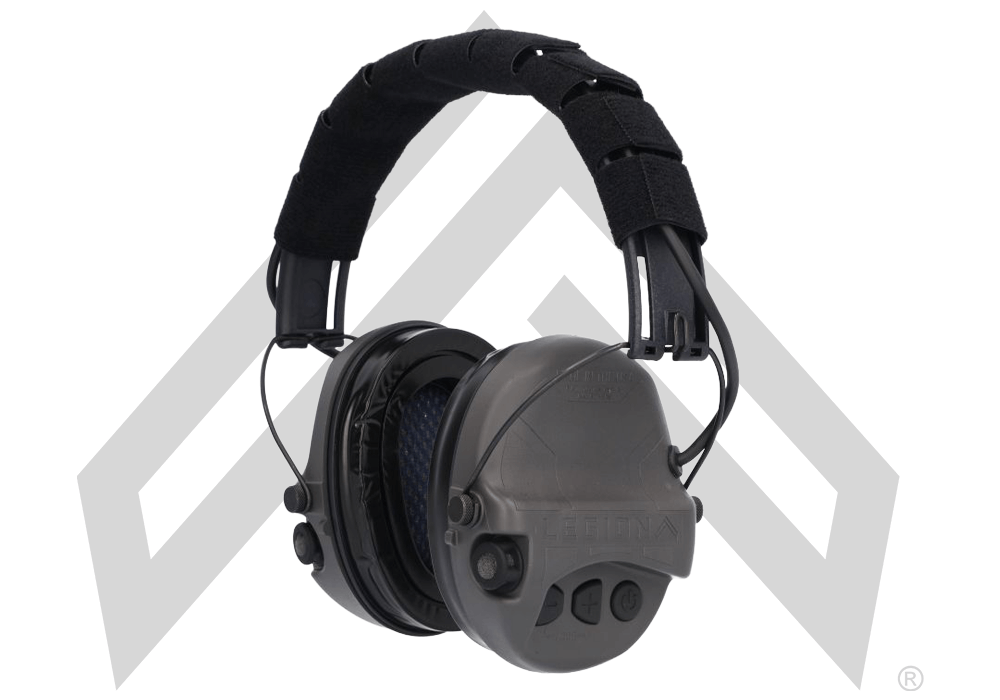
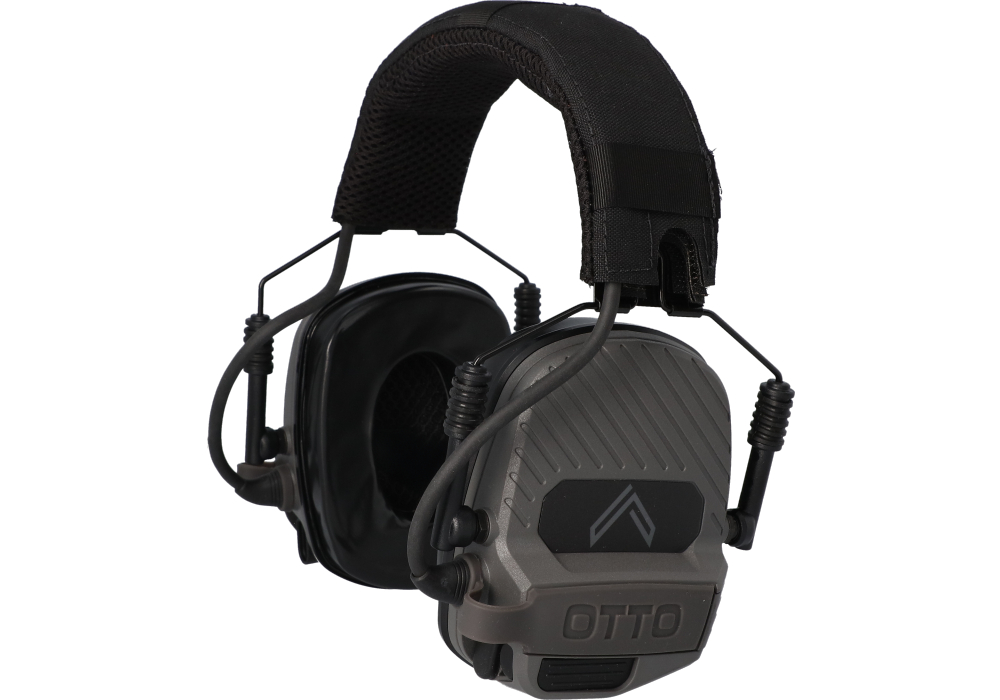
Hearing protection headphones help reduce sound reaching the ears in noisy environments, with designs suited to shooting ranges, workshops, lawn equipment, and other activities involving potentially harmful noise. Unlike ordinary listening headphones, protective earmuffs use sound-attenuating ear cups and sealing cushions to create a physical barrier around the ears. Some also include microphones, communication connections, or audio playback, but those features are separate from their protective function. Consumer active noise cancellation can make steady background sounds less noticeable without providing the tested protection needed for gunfire or loud machinery. A published Noise Reduction Rating, or NRR, is an important specification when comparing hearing protectors in the United States. Expressed in decibels, NRR describes performance under standardized laboratory conditions; it does not guarantee an identical reduction for every wearer or every environment. Fit, exposure duration, sound characteristics, and how consistently the protection stays in place all affect real-world results. Subtracting an NRR directly from a measured noise level is not a reliable way to establish personal protection. On a shooting range, brief, intense impulse noise presents a different challenge from the continuous hum of a power tool, so intended use matters as much as the number on the packaging. Indoor lanes and covered firing positions can reflect sound, increasing the importance of suitable protection and a secure seal. Properly fitted earplugs worn beneath earmuffs can provide additional protection where recommended, though their ratings are not simply added together. Range rules, workplace requirements, and manufacturer instructions should inform the choice. Those comparing related styles can also explore Noise Reduction Headphones, keeping the distinction between protective equipment and everyday audio headphones in mind. The most useful comparison starts with documented hearing-protection performance and the actual task, then considers comfort, electronics, and convenience. No headset eliminates every sound hazard, and a comfortable design only helps when it is worn correctly throughout the exposure. For a range visitor, that includes remaining protected while neighboring lanes are active, not just during a personal firing sequence.
Fit is the foundation of dependable hearing protection, especially during longer practice sessions or repetitive work. Ear cups should surround the ears completely, with cushions resting evenly against the head rather than folding an ear or leaving a gap along the jaw. An adjustable headband helps position both cups at the same height, while sufficient clamping pressure keeps the cushions seated as the wearer looks down, turns toward an instructor, or moves between workstations. More pressure is not automatically better: a painful fit can encourage frequent adjustments or early removal. Cushion materials influence both comfort and upkeep. Foam-filled pads can provide a compliant contact surface, while gel cushions may distribute pressure differently around the ears; either needs to match the headset and maintain the intended seal. Thick eyeglass temples, hair beneath the cushions, earrings, and headwear can interrupt that seal. Slim protective eyewear frames may reduce interference, but the full combination should still be checked together. For rifle and shotgun use, cup shape deserves particular attention because a bulky lower edge can contact the stock and lift away from the head during a cheek weld. A lower-profile shape may provide better clearance, although cup size alone does not establish protective performance. Headband padding, overall weight, and adjustment range also become noticeable over several hours. A headset that feels comfortable for a brief try-on may create pressure points during a full training session, making a stable, balanced fit worth prioritizing over appearance. Durable protective headphones commonly use polymer cup housings, metal or reinforced adjustment components, and resilient cushions, but construction varies. Hinges should move smoothly, headband settings should hold their position, and exposed controls should be easy to reach without disturbing the cups. For younger wearers or adults with smaller heads, the adjustment range must allow a complete seal; an adult-size headset tightened as far as possible is not necessarily an appropriate fit. A protective headset can be a thoughtful gift for a regular range visitor or workshop enthusiast, provided its fit and intended application suit the recipient.
Electronic hearing protection headphones add convenience by using external microphones to reproduce surrounding sounds through internal speakers, with circuitry that limits or reduces electronically reproduced loud sounds. This can help a wearer follow range commands, hear a coach, or maintain conversation without lifting an ear cup, depending on the design and conditions. The physical ear cups and cushions still provide passive attenuation; electronics do not replace a secure seal. Sound reproduction, directional awareness, and control layouts differ, so useful features are those that support the activity rather than distract from it. Large, distinct buttons can be easier to operate by touch, and separate listening-volume controls can help keep speech comfortable. Wireless audio or a wired connection may suit certain work settings, but music and calls should never mask instructions, alarms, or approaching equipment. Volume-limiting features apply to the headset’s audio output, not to a guarantee that every surrounding noise is safe. Battery runtime also varies with listening volume, wireless use, and operating mode. Replaceable batteries offer a different routine from rechargeable systems, while automatic shutoff can help conserve power between sessions. Before use, checking battery status, microphone openings, and the condition of both cushions takes little time and helps prevent avoidable interruptions. Care is usually straightforward: follow the manufacturer’s cleaning directions, wipe contact surfaces with an approved method, and avoid soaking electronics or using solvents that could damage the cushions. Sweat, skin oils, dust, and repeated compression can affect soft components over time. Cracked, stiff, flattened, or torn cushions need attention, and replacement parts should be compatible with the specific headset rather than chosen only by appearance. Store hearing protection somewhere clean and dry, without heavy equipment pressing against the ear seals. Folding designs can simplify transport in a range bag or tool case, but hinges and wiring should not be forced into position. For frequent shooters, instructors, maintenance workers, and hands-on hobbyists, reliable hearing protection is an everyday piece of equipment. Documented attenuation, a consistent fit, serviceable cushions, and controls that work naturally with the task contribute more to lasting usefulness than a long list of entertainment features.