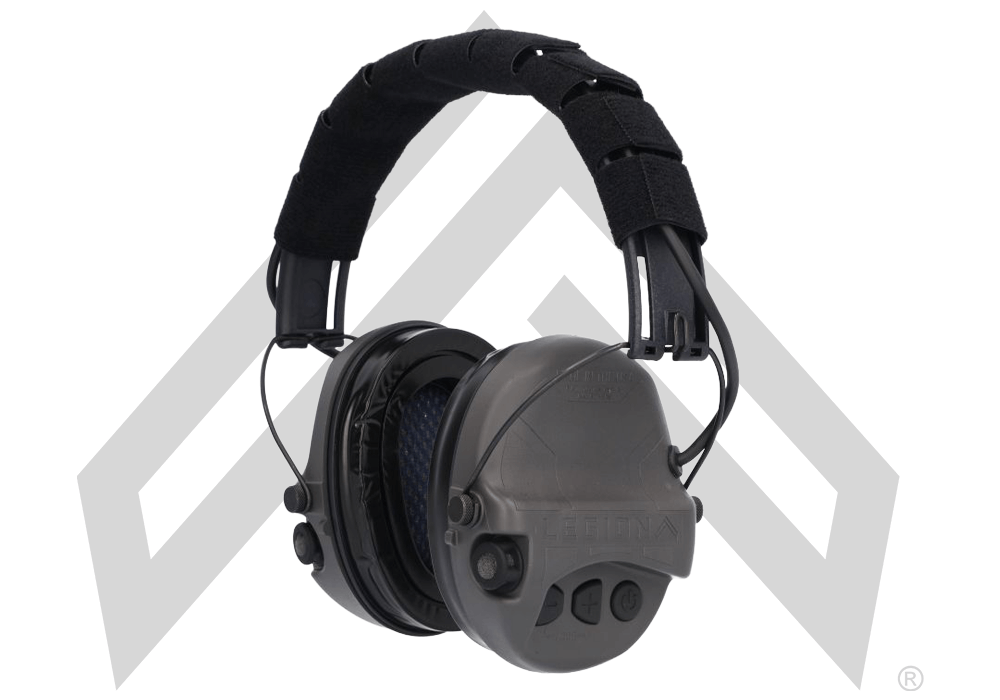
Over-Ear Hearing Protection for Woodworking

Shop over-ear hearing protection for woodworking, with earmuff-style options to help reduce noise exposure around saws, sanders, and other shop tools. Consider noise reduction ratings, fit, and compatibility with safety glasses when choosing protection suited to your workshop tasks.

per page
Over-ear hearing protection for woodworking helps reduce exposure to the sustained noise of saws, routers, planers, sanders, and dust collectors. In a busy shop, those sounds can overlap: a dust collector may run through an entire milling session while individual tools add louder bursts of noise. Earmuffs surround each ear with a cushioned seal, creating a barrier between that noise and the wearer. Their effectiveness depends on both the protection they provide and how consistently they fit during actual work. Passive earmuffs use their cups, cushions, and internal sound-absorbing materials to reduce noise without batteries. Electronic earmuffs combine physical hearing protection with features that may include sound-level-dependent microphones, wireless audio, or communication functions. Those features serve different purposes, so a model intended primarily to manage brief, sharp sounds should not automatically be assumed suitable for prolonged machinery noise. For woodworking hearing protection, the labeled Noise Reduction Rating, or NRR, is a useful comparison point, but it reflects controlled testing rather than a guaranteed reduction at the ear in every shop. Seal quality, wear time, noise frequency, and individual fit all affect real-world results. A higher rating alone does not establish that protection is sufficient for a particular machine or workday; workplace noise measurements and applicable safety requirements provide a better basis for that decision. Some environments call for earplugs beneath earmuffs, although their ratings cannot simply be added together. Wireless headphones and active noise-canceling headphones are not substitutes for rated hearing protectors unless they are specifically designed and labeled for that purpose. Whether the work involves trimming cabinet doors, turning bowls, or sanding a tabletop, the priority is protection suited to the noise exposure and comfortable enough to remain in place throughout noisy tasks. Hearing protection belongs alongside dust control, eye protection, machine guards, and sound working practices, not in place of them.

Fit becomes especially important when a project keeps someone at the bench for hours. The cups should fully surround the ears without pinching their edges, while the headband should hold both cushions securely against the head. Too little pressure can leave gaps; excessive pressure can turn a useful piece of protective equipment into something the wearer repeatedly removes. Cup depth, cushion shape, headband adjustment, and overall weight all influence that balance. Someone who moves between a table saw and a layout bench may appreciate a lighter design, while another woodworker may prefer deeper cups that give the ears more room. Low-profile shapes can offer useful clearance, but a slimmer appearance is not, by itself, evidence of better fit or protection. For extended sessions, Comfortable Hearing Protection is worth considering in terms of cushion contact, secure adjustment, and compatibility with the rest of the equipment worn on the job. Safety glasses, respirator straps, hair, head coverings, and jewelry can interfere with the seal. Thin eyewear temples may reduce interference, but the full combination still needs to fit correctly; essential eye or respiratory protection should never be loosened or removed to accommodate earmuffs. Look for construction details that suit repeated shop use, such as impact-resistant polymer cups, sturdy adjustment points, resilient headbands, and cushions that can be replaced when worn. Foam-filled cushions and gel-style cushions can feel different against the head, and neither material guarantees the best fit for every wearer. Padding should distribute pressure without allowing the cups to shift when looking down at a cut line or reaching across a workbench. Folding designs can simplify storage, while fixed headbands avoid folding joints. Either approach should hold its adjustment reliably. For shared equipment, a broad adjustment range and straightforward cleaning are useful, though each wearer still needs an individual fit check before entering a noisy work area.

Daily care helps preserve both comfort and the condition of the sealing surfaces. Fine sanding dust can settle around cushions and controls, and shop grime can collect where the cups meet the head. Wipe earmuffs according to the manufacturer's instructions, using only approved cleaning methods, and allow them to dry before storage. Solvents, strong cleaners, and immersion can damage materials or electronics unless the instructions specifically permit them. Check cushions for cracks, stiffness, flattening, and separation, and inspect the headband and adjustment hardware for damage. Replace worn parts with compatible components rather than improvising repairs that could change the seal or clamping force. A clean case or designated storage spot helps keep abrasive dust and sharp tools away from the cushions between projects. For electronic hearing protection, battery type, charging method, control layout, and the behavior of the unit when power is depleted are practical considerations. Large, distinct controls may be easier to operate with work gloves, but adjustments should wait until the task can be paused safely. Ambient-listening microphones can help bring through conversation or nearby sounds, yet they do not guarantee that every warning, voice, or machine cue will be audible. Likewise, Bluetooth audio, radio, and call functions add convenience rather than additional noise attenuation. Listening volume should remain appropriate, and entertainment should never compete with attention to a blade, cutter, or moving workpiece. Verify whether a design limits audio output and how its electronic features operate before relying on them during shop work. These considerations matter to professional cabinetmakers, finish carpenters, dedicated hobbyists, and people setting up a first home workshop. Earmuffs can also be a practical gift for someone who spends weekends building shelves or restoring furniture, provided fit and intended use take precedence over extra features. The most useful pair is one that matches the shop's noise exposure, works with other protective equipment, stays comfortable through the task, and can be maintained for dependable repeated use.

FAQ

Related Pages

Compare Products
Items
Launch Compare

Zip Code Verification

Some localities have legal restrictions on products which requires the validation of your ZIP code

Age Verification

Some localities have legal restrictions on products which requires the validation of your age