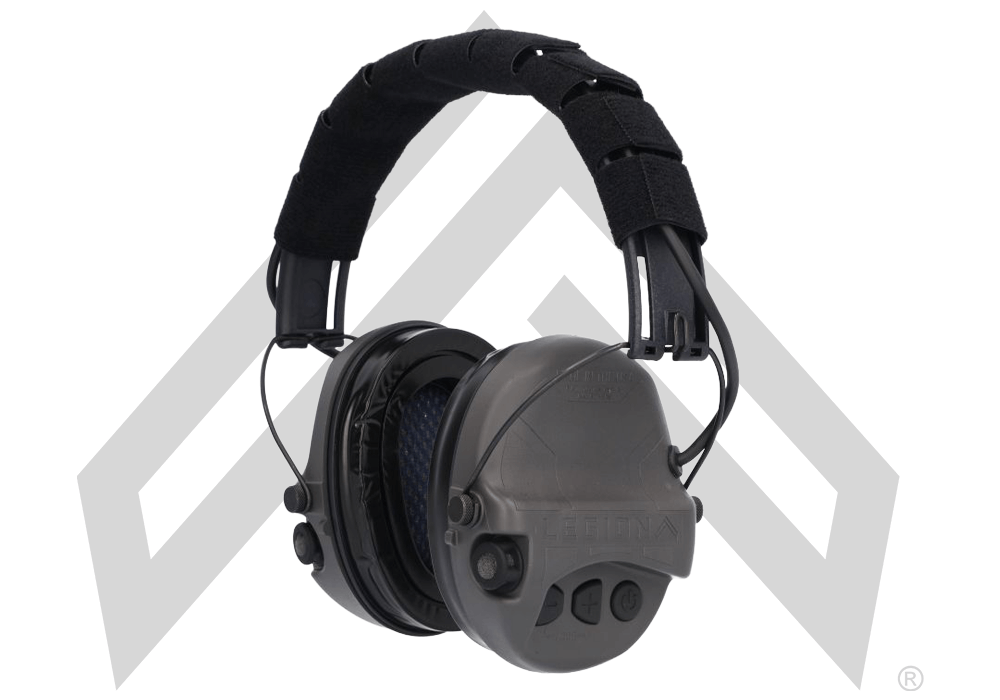
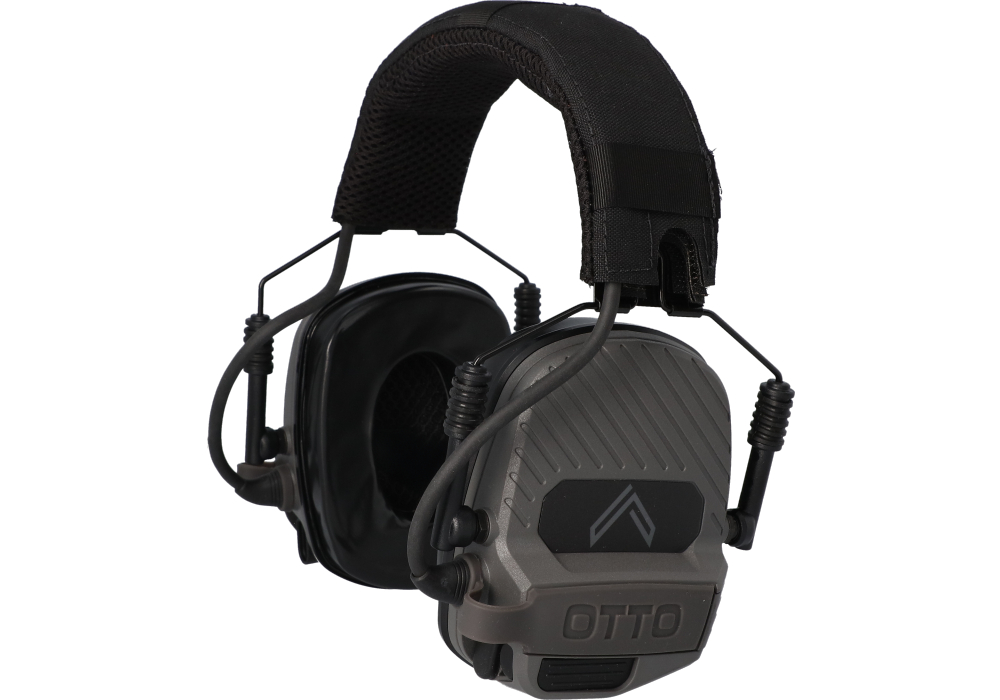
Noise reduction headphones help manage unwanted sound, but the right type depends on the environment and the kind of noise involved. Headphones designed for listening comfort often use active noise cancellation to reduce steady background sounds, such as the hum of an aircraft cabin or office ventilation. Protective earmuffs serve a different purpose: they use sealed ear cups and sound-absorbing materials to reduce the sound reaching the ears. Electronic hearing protection can combine that physical barrier with microphones that relay quieter surrounding sounds, helping wearers hear conversation while circuitry limits amplified loud sounds. These differences matter at a shooting range, where ordinary music headphones should not be treated as a substitute for hearing protection rated for the activity. A comfortable listening experience does not establish protection against firearm noise. For range use, look for a stated Noise Reduction Rating, commonly shown as NRR, along with clear manufacturer guidance about intended applications. That laboratory rating provides a useful comparison point, but actual protection depends on fit, correct use, and the surrounding noise. It is not a promise that every sound will be reduced by the number printed on the package. Indoor shooting lanes, nearby shooters, and extended practice sessions can create demanding conditions; properly fitted earplugs worn beneath protective earmuffs may be appropriate, consistent with range rules and hearing-safety guidance. The two ratings are not simply added together. Shoppers exploring Noise Reducers can keep this distinction between listening comfort and protective performance at the center of their selection. Whether the goal is following an instructor’s voice, maintaining concentration during supervised practice, or reducing distracting background noise in an appropriate everyday setting, intended use should come before entertainment features. No headphone or earmuff eliminates every sound, and a quieter impression alone is not a reliable measure of hearing safety.
Fit is where the specifications meet everyday use. Over-ear hearing protection needs cushions that surround the ears and maintain continuous contact with the head, without gaps around the temples or jaw. An adjustable headband helps position each cup evenly, while pivoting attachments can accommodate differences in head shape. Enough clamping pressure is necessary to maintain the seal, but excessive pressure may become distracting during a full class or a long afternoon at the range. Cushion shape, cup depth, and headband padding all influence whether the equipment stays comfortable enough to remain in place. Foam-filled cushions are common, and some designs use gel cushions that conform around the ears; neither material guarantees a good fit on every wearer. Safety glasses deserve particular attention because thick temples can interrupt the cushion seal. Hair, earrings, and headwear can also interfere with contact, so assess the complete combination rather than trying earmuffs on by themselves. For example, a pair that feels comfortable at home may sit differently once protective eyewear is in place. Cup shape matters as well: a lower-profile design can offer more clearance around other equipment, while a deeper cup may provide welcome space around the outer ear. Neither silhouette, by itself, establishes better protection. Materials and construction should match the expected routine, with resilient cup shells, secure adjustment points, and cushions that retain their shape through repeated use. A folding headband can help with packing, although hinges introduce moving parts that deserve inspection. For electronic styles, controls should be easy to distinguish by touch so that changing a setting does not require removing the protection in a noisy area. Clearly marked left and right cups, accessible battery compartments, and straightforward adjustment mechanisms can make a noticeable difference for beginners and experienced wearers alike. A useful fit check includes opening the jaw, turning the head, and wearing the same eyewear planned for the activity, while following the manufacturer’s fitting instructions in a safe, quiet setting.
Electronic features are most useful when they support the reason for wearing the headphones. At a range, external microphones may help a wearer follow spoken commands or hear an instructor’s feedback without lifting an ear cup and breaking the protective seal. Directional awareness, speech clarity, and the character of reproduced sound vary by design, so microphone count or a long feature list is not enough to establish performance. Volume controls for environmental listening adjust the electronically reproduced sound; they do not increase the passive protection supplied by the cups and cushions. Wireless audio, auxiliary connections, and rechargeable power can add convenience where appropriate, but they should never distract from instructions or the need to recognize important signals. Battery runtime, charge indicators, automatic shutoff, and the choice between replaceable batteries and internal charging are practical considerations for anyone who uses electronic protection regularly. Check how a particular design behaves when power is depleted rather than assuming that every function remains active. Care is equally important to long-term usefulness. Wipe cushions and contact surfaces as directed, allow them to dry before storage, and avoid soaking electronic components or applying harsh cleaners that may damage seals. Inspect cushions for cracks, flattening, or stiff areas, and check headbands and hinges for wear that could affect fit. Replace worn parts with compatible components according to the manufacturer’s guidance; improvised padding can change the seal and undermine performance. A protective case or a separate compartment helps keep ear cushions from being crushed beneath other gear. Noise reduction headphones and protective earmuffs can be thoughtful gifts for recreational shooters, range-class participants, or people whose activities call for rated hearing protection, provided the selection matches the recipient’s needs. Adjustable sizing is helpful, but adult sizing should not be assumed to fit a younger wearer. The most useful choice balances appropriate protection, a dependable seal, manageable controls, and comfort that supports consistent wear—not simply the longest list of features.