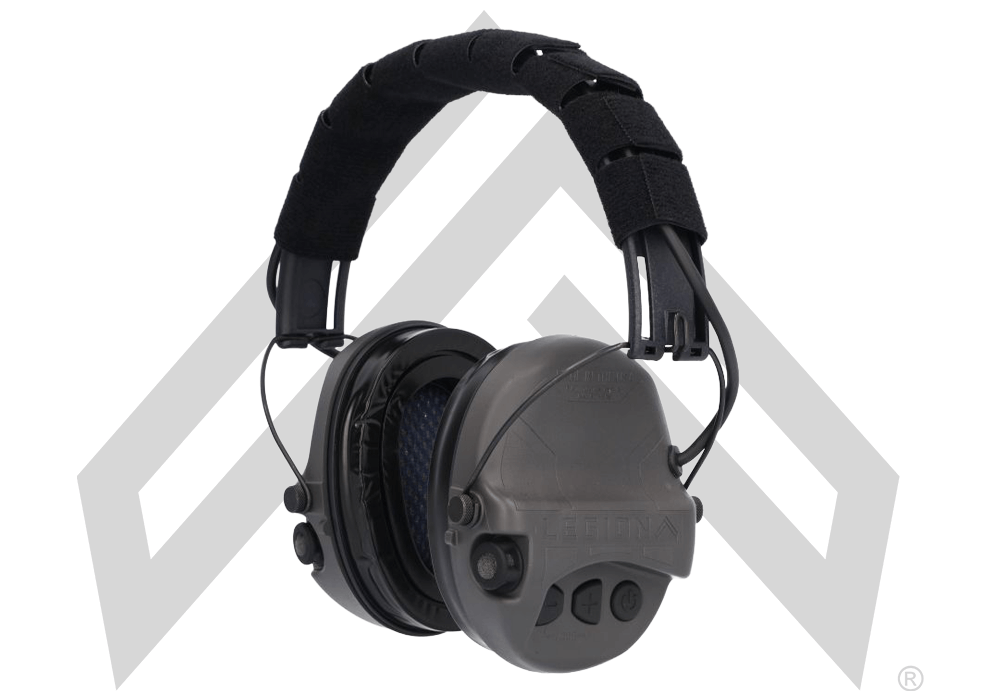
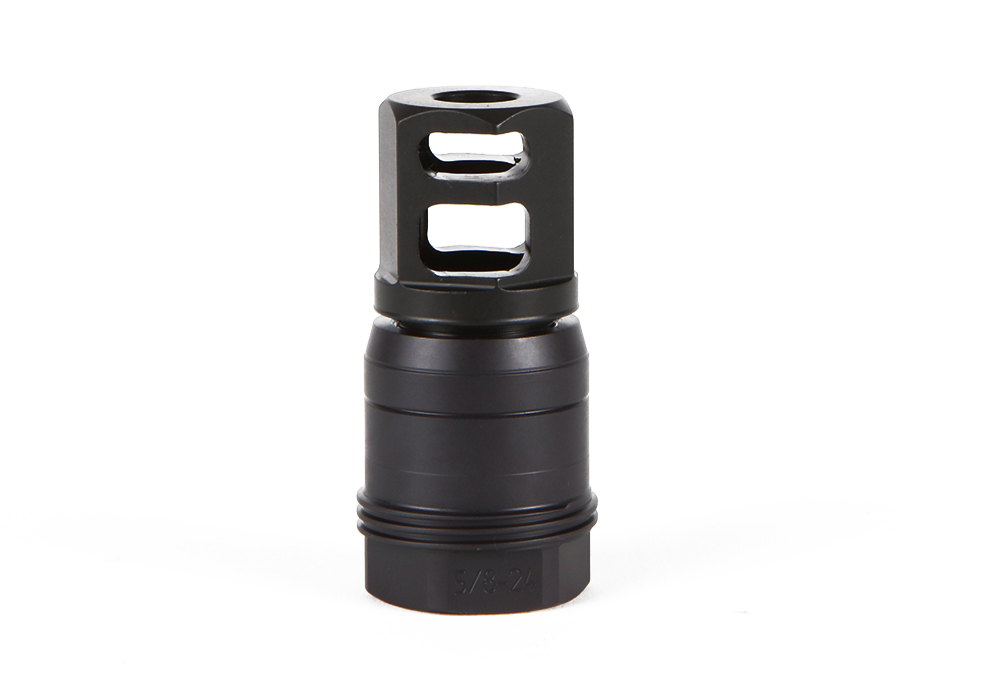
Noise reducers for firearms generally refer to suppressors, also called silencers, designed to reduce the sound of expanding gases as a shot leaves the barrel. A suppressor attaches to a compatible firearm and provides internal space for those gases to cool and slow before they exit, which can make shooting more comfortable and help reduce the sharp report heard by the shooter and people nearby. The result is not complete silence, and a firearm may still produce significant sound from the projectile breaking the sound barrier, the action cycling, or the bullet striking a target. For that reason, a suppressor should always be used with appropriate eye and hearing protection, even when shooting outdoors. These products may be considered by recreational shooters, hunters, competitive shooters, instructors, and property owners who want to manage sound around a range or outdoor shooting area. They can also help make a range session more pleasant by reducing the intensity of each shot, particularly during extended practice. Sound management may be especially welcome during the cooler months, when people spend more time indoors and outdoor sound can carry across quiet fields, wooded areas, and residential surroundings. Suppressors are not a substitute for safe firearm handling, a suitable backstop, or considerate range practices, but they can be part of a broader approach to responsible shooting.
Choosing the right noise reducer begins with compatibility. Confirm the firearm’s caliber, barrel threading, action type, and intended ammunition before making a purchase. The suppressor must be rated for the caliber and pressure of the ammunition being used, and the mounting system should match the firearm securely and precisely. Some shooters prioritize a compact, lightweight design for hunting or field use, while others prefer a more substantial model for frequent range sessions, repeated firing, or use on a semi-automatic platform. Weight and length can affect the balance of a rifle or pistol, so it is useful to consider how the firearm feels from a supported position, while standing, or during extended carry. Construction materials, finish, serviceability, mounting method, and manufacturer specifications also deserve attention. A direct-thread design may appeal to someone who plans to use one suppressor on a dedicated host, while a quick-detach system may be more practical for shooters who move equipment between compatible firearms. Thread protectors, mounts, pistons, boosters, and other accessories may be necessary depending on the host firearm, so reviewing the complete setup is important rather than evaluating the suppressor alone. A qualified dealer or gunsmith can help verify thread dimensions, alignment, and accessory requirements. Alignment is particularly important: improper fitment can damage equipment and create a serious safety hazard. Buyers should also review applicable federal, state, and local laws, along with all required registration, transfer, background-check, and possession procedures before placing an order. Requirements can vary by jurisdiction and may change, so official government resources and a licensed dealer are the best sources for current compliance information.
Noise reducers can be a thoughtful addition to a serious shooter’s equipment, but they are not an impulse purchase or a casual gift. Because suppressors are regulated items, the recipient must be legally eligible to possess one, and the transfer process must follow all applicable rules. A gift-giver may find it more practical to provide a shooting accessory, range membership, hearing protection, or a contribution toward a future purchase rather than attempting to transfer a suppressor directly. For an experienced firearm owner, a suppressor may complement a carefully selected rifle, pistol, or host platform and support quieter, more comfortable practice during training sessions. For a hunter, reduced sound can make a field experience less disruptive, although local hunting regulations and ammunition restrictions should always be checked before use. New shooters may benefit from starting with fundamentals, quality hearing protection, and instruction before adding specialized equipment. Shooters comparing sound-management accessories may also want to review Recoil Reducers as a separate category; recoil control addresses firearm movement and felt kick, while a suppressor is intended primarily to reduce the intensity of the muzzle report. Neither accessory eliminates the need for a stable shooting position, proper maintenance, safe storage, and disciplined muzzle awareness. Before using any noise reducer, inspect the threads and mounting surfaces, follow the maker’s installation and maintenance guidance, and confirm that the suppressor is firmly seated and properly aligned. A measured approach helps ensure that the selected equipment fits the firearm, suits the intended use, and remains dependable from the first range trip through routine practice in every season.