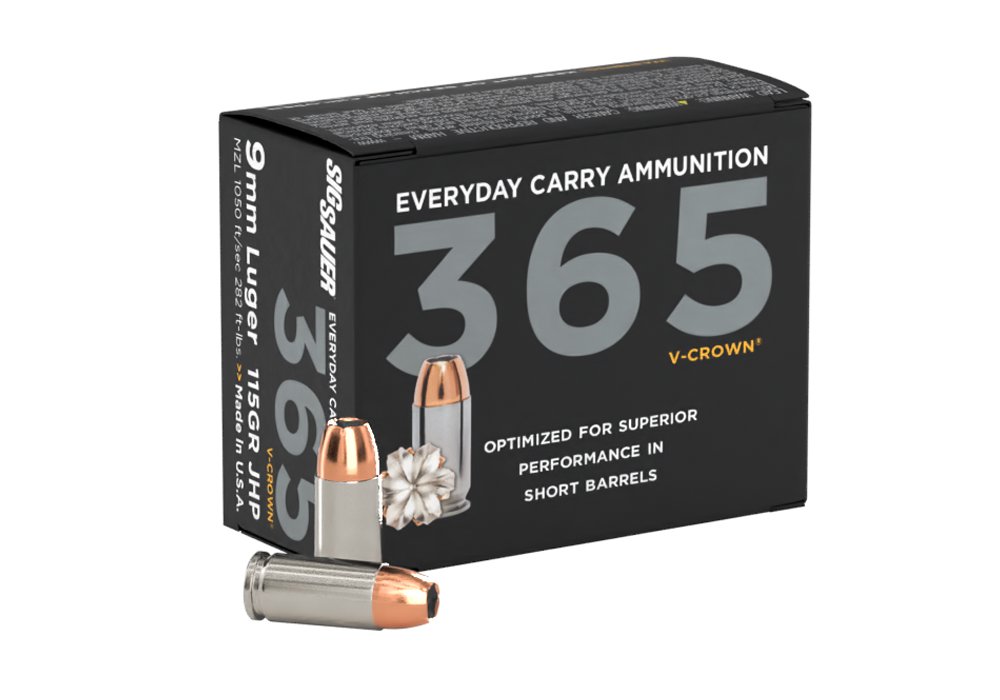
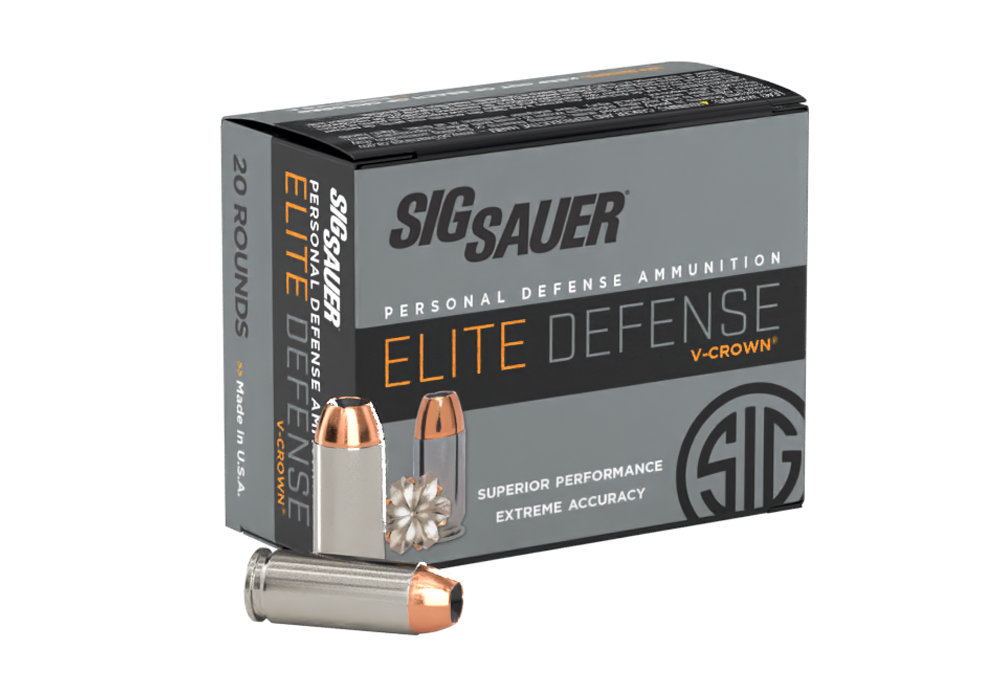
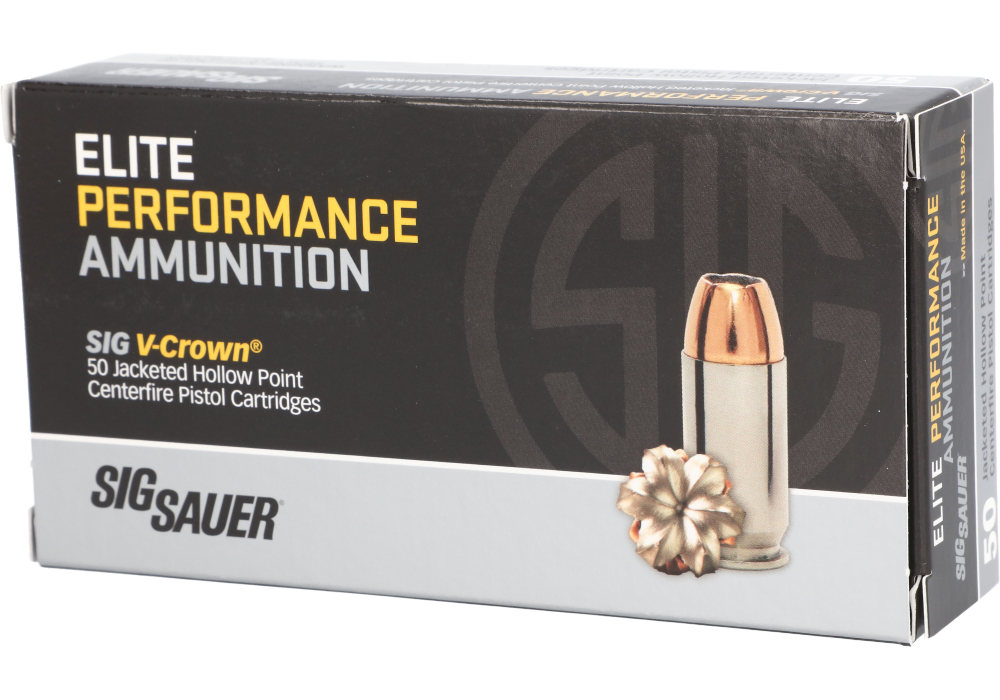
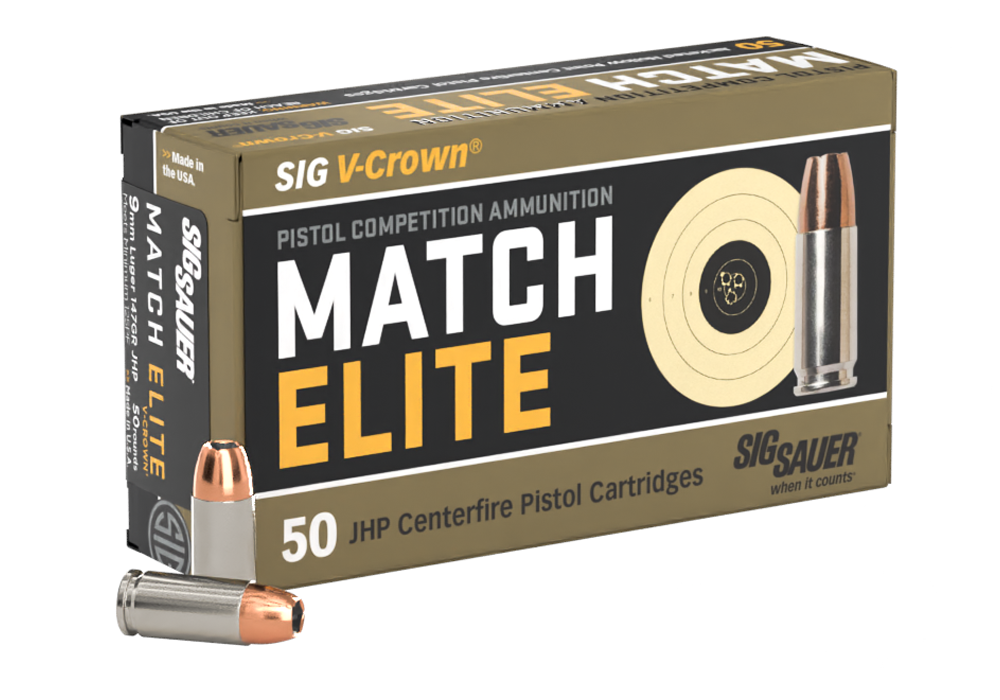
Personal protection hollow point ammo is ammunition designed for lawful defensive use, with a recessed bullet nose intended to promote expansion on impact. That cavity is the defining feature of a hollow point, but the complete cartridge matters just as much: the bullet, case, primer, and propellant work together to support consistent ignition and function in a compatible firearm. Many defensive handgun bullets combine a lead core with a copper or copper-alloy jacket. Some designs bond the jacket to the core, while others use carefully shaped jacket sections to influence how the bullet opens during testing. Certain hollow points also incorporate a polymer insert within the nose cavity. These construction details distinguish different approaches to bullet design; they do not make every hollow point behave alike. Expansion depends on several variables, including bullet construction, impact velocity, and the material encountered. Although expanding bullets can behave differently from full metal jacket ammunition, no bullet design eliminates the possibility of passing through a target or other material. A hollow point designation is not a promise of a particular outcome, and it never replaces safe handling or awareness of what lies beyond the intended target. For shoppers browsing personal defense ammunition, the most useful context comes from clear manufacturer specifications rather than sweeping claims about effectiveness. Descriptions such as jacketed hollow point, bonded core, or plated case identify distinct features, each with a different role in the finished cartridge. Understanding those terms makes it easier to compare ammunition without assuming that a visible nose cavity tells the whole story. This category is relevant to responsible firearm owners considering ammunition for lawful personal protection, including those who carry where permitted or maintain a firearm for home defense. In either setting, dependable function, correct compatibility, secure storage, and informed ownership matter more than dramatic language on a package. Defensive ammunition belongs within a broader commitment to training, sound judgment, and compliance with applicable laws, not as a substitute for any of them.
Fit begins with the exact cartridge designation specified for the firearm, not simply a similar-looking round or a familiar caliber number. Cartridges that appear close in size can differ in dimensions and operating specifications, so the firearm’s markings and owner’s manual remain the primary references. Within a compatible chambering, shoppers will encounter differences in bullet weight, pressure designation, case finish, and published velocity. Bullet weight is expressed in grains, a unit of mass; it does not describe the amount of propellant inside the case. Published velocity generally reflects a particular test setup, often including a stated barrel length, and results can differ in another firearm. These figures are most useful when read with their testing context rather than treated as universal promises. Ammunition carrying a higher-pressure designation also requires explicit confirmation that the firearm manufacturer permits its use. A cartridge fitting into a chamber does not, by itself, establish compatibility. For shoppers comparing a common defensive handgun chambering, 9mm Hollow Point Rounds provides a focused category for reviewing relevant specifications. Across chamberings, bullet profile and overall cartridge dimensions can also influence function in a particular firearm. A compact carry handgun and a larger home-defense handgun may differ in handling, controls, and manufacturer requirements, even when their chamber markings match. Compatibility and dependable operation should be confirmed through the firearm manufacturer’s guidance and appropriate evaluation at an authorized range, with qualified instruction when needed. Practice ammunition and personal protection ammunition serve different purposes, and differences in their construction can affect how they feel and function. Neither packaging language nor another owner’s experience can establish how ammunition will perform in every firearm. Published testing can add useful context, especially when the test method and conditions are identified, but controlled test results are not guarantees for every circumstance. The strongest comparisons keep verified specifications separate from assumptions and give equal attention to firearm suitability, consistent manufacturing, and the owner’s ability to handle the firearm safely.
Materials and care also deserve attention because ammunition may spend considerable time stored between range visits. Brass cases are common, and some cases have a nickel-plated finish associated with corrosion resistance and a smooth exterior surface. Those finishes do not make a cartridge immune to moisture, contamination, or physical damage. Similarly, sealants around certain components, when specified by the manufacturer, should not be interpreted as permission to expose ammunition to water or cleaning chemicals. A box kept in a secure storage area faces different handling conditions from cartridges repeatedly carried in a holster-equipped firearm, where perspiration, lint, and contact with equipment may be concerns. Visible corrosion, a damaged case, or a bullet that appears displaced warrants setting the cartridge aside and seeking manufacturer guidance rather than attempting a repair. Repeated handling is another reason to pay attention to condition and follow the firearm and ammunition manufacturers’ recommendations. Original packaging helps preserve the cartridge designation, bullet weight, lot information, and safety notices, making it easier to identify ammunition accurately later. Labels should remain readable, and different cartridge types should stay clearly separated. Secure storage should prevent access by children and unauthorized people, with storage practices that follow applicable laws and the household’s safety needs. Ammunition should also remain protected from oils, solvents, and other substances that can compromise its condition. For a new firearm owner, professional instruction can connect these ownership responsibilities with safe range habits and a better understanding of equipment limitations. Experienced owners benefit from the same attention to documentation, inspection, and compatibility whenever equipment changes. Personal protection hollow point ammunition is best understood as a carefully specified consumable with a defined purpose, not an accessory selected on appearance alone. Clear labeling, suitable construction, responsible care, and a verified match to the firearm provide a practical foundation for comparing this category while keeping safety and lawful ownership central.