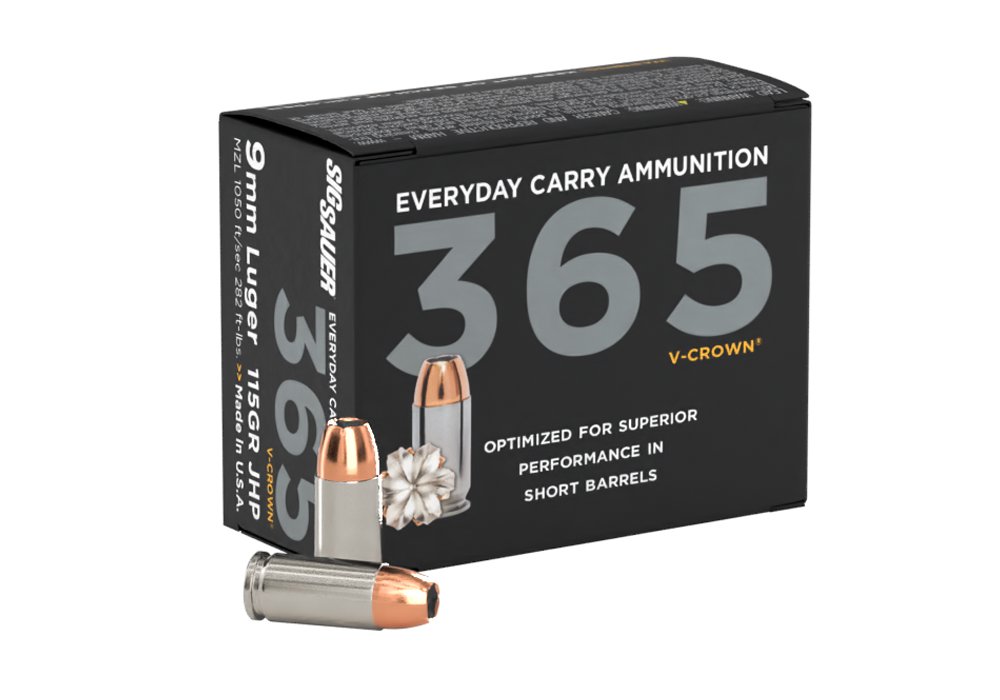
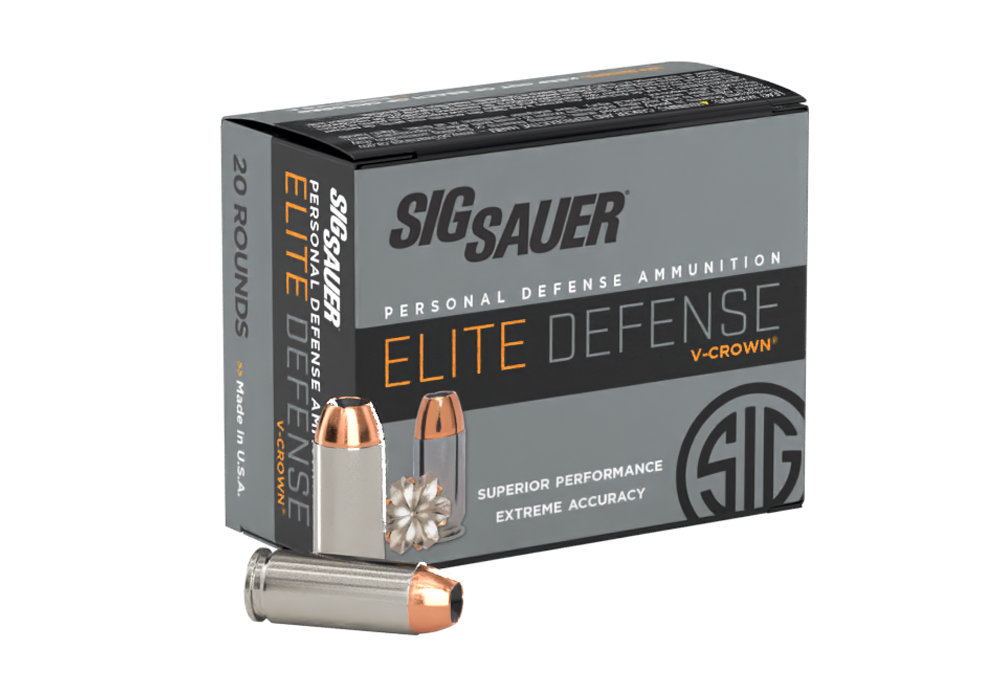
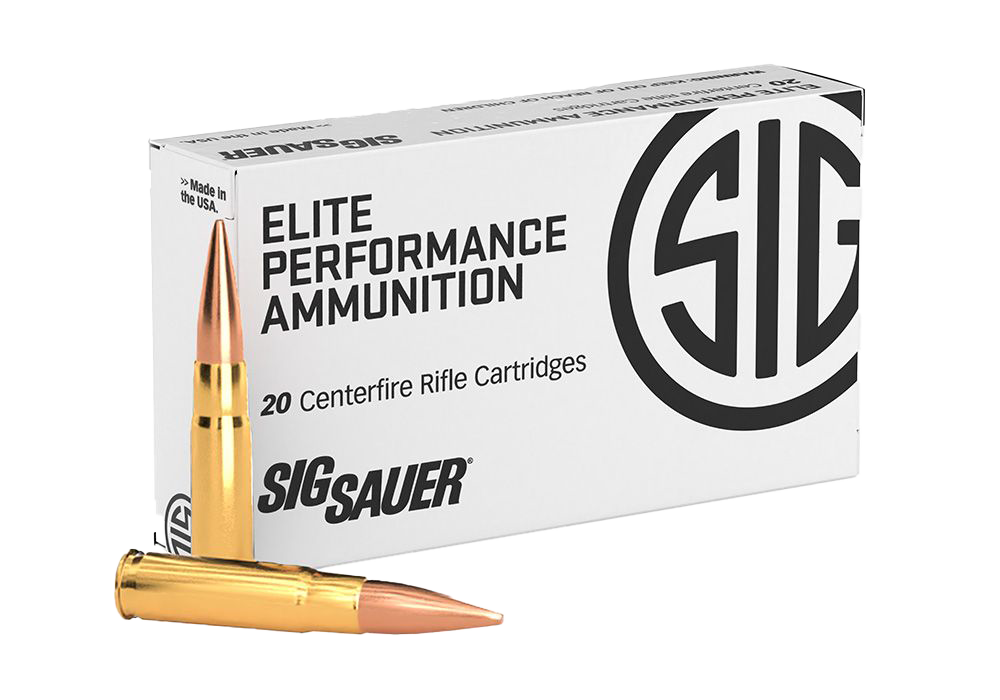
Military-grade hollow points are generally understood as hollow point ammunition associated with military or professional-duty requirements, but the phrase does not establish a universal technical standard or prove military adoption. A hollow point projectile has an opening at its nose; in an expanding design, that cavity helps initiate a change in projectile shape under specified impact conditions. The distinction matters because not every projectile with an open tip is intended to expand. Open-tip match bullets can have a small opening associated with their manufacturing process while being designed primarily for consistency and accuracy. Appearance alone therefore cannot establish a cartridge’s purpose. Military use is also more complicated than the label suggests. International rules, national policies, mission requirements, and formal legal review can influence whether expanding ammunition is authorized for a particular role. The 1899 Hague Declaration concerns expanding bullets in warfare, but a commercial description does not establish compliance with a military requirement or authorization for military use. For shoppers, documented specifications and the stated application provide a more useful starting point than broad claims about military pedigree. Common construction includes a metal jacket surrounding a core, although jacket composition, core material, and the relationship between those components vary. Some designs use bonding to help keep the jacket and core together; others use different construction methods suited to their stated purpose. These distinctions describe engineering choices, not a simple ranking in which one construction is automatically best for every firearm or application. Hollow point ammunition may be considered by qualified professionals with duty requirements and by firearm owners seeking ammunition for lawful personal protection. Its suitability depends on the actual cartridge, the firearm’s requirements, applicable law, and the user’s training. The meaningful comparison is between clearly documented characteristics, rather than between labels that sound authoritative but leave the underlying requirements undefined.
Fit begins with the firearm’s exact chambering and the ammunition specifications permitted by its manufacturer. Cartridges that look similar are not necessarily interchangeable, and a familiar projectile shape does not establish compatibility. The caliber designation, pressure classification, and any restrictions in the firearm’s manual deserve attention before a purchase. Where ammunition carries an elevated-pressure designation, that designation requires explicit consideration rather than an assumption that a duty-oriented firearm can accept it. Projectile weight, cartridge dimensions, and nose profile can also differ across ammunition intended for the same general purpose. A compact handgun and a full-size handgun may have different handling characteristics, and published results from one test setup do not automatically describe every firearm. Manufacturer guidance and supervised range evaluation help owners assess compatibility without relying on appearance or reputation. For lawful defensive applications, Personal Protection Hollow Point Ammo provides a closely related category for comparing stated uses and cartridge specifications. The important distinction is not simply between a hollow point and a nonexpanding projectile, but between ammunition with documented characteristics and ammunition chosen on an unsupported assumption. Published testing can provide useful context when it identifies the test conditions, equipment, and evaluation method. A headline result without that context offers a limited picture. Expansion, penetration, accuracy, and reliable function are separate characteristics, and a claim about one does not establish the others. No hollow point design guarantees expansion in every circumstance or prevents a projectile from passing through a target. Safe handling, a secure storage plan, and appropriate instruction remain essential regardless of projectile construction. Range practice also serves a different purpose from a military label: it helps an owner become familiar with a firearm’s controls, handling, and behavior within a controlled setting. Ammunition selection should support that responsible ownership framework, not substitute for it. Professional users may have additional agency testing, documentation, and authorization requirements that take precedence over general retail descriptions. Individual owners likewise benefit from keeping their decisions grounded in the firearm manual, clearly identified ammunition, and applicable local requirements.
Care and durability concern the entire cartridge, not just the visible projectile. The case, primer, propellant, and projectile must remain in serviceable condition, and an intact-looking jacket does not reveal everything about how ammunition has been handled. Packaging helps protect cartridges during ordinary storage while preserving identification details such as caliber, projectile weight, and lot information. Keeping those details with the ammunition makes it easier to distinguish cartridges that look alike and to respond accurately if a manufacturer issues a safety notice. Storage should be secure, dry, and inaccessible to children or unauthorized people, with ammunition separated from firearms in accordance with applicable law and established safety guidance. Avoid exposing cartridges to cleaning solvents, oils, household chemicals, or unnecessary handling. Ammunition is not a component to polish, modify, or repair at home. A cartridge with visible corrosion, a damaged case, an unusual projectile position, or uncertain identification should be set aside for assessment by a qualified professional rather than treated as acceptable because its exterior still resembles the others. Disposal questions belong with the manufacturer or an appropriate local authority. Repeated handling can also wear packaging and obscure labels, so maintaining clear identification is part of practical care. For an owner organizing a locked storage cabinet or a professional accounting for duty ammunition, a legible box label can be more useful than a vague description remembered later. Durability claims should likewise be read precisely: a particular case finish or sealing feature does not justify assuming indefinite protection from moisture or contamination. Follow the ammunition manufacturer’s storage recommendations instead of treating military-oriented language as a promise of unlimited shelf life. Responsible selection brings these details together: correct fit, a clearly stated purpose, credible performance information, careful storage, and an understanding of the limits of commercial terminology. Those considerations give military-grade hollow points a useful context while keeping the focus on what the ammunition actually is, how it is documented, and whether it belongs in the intended lawful application.