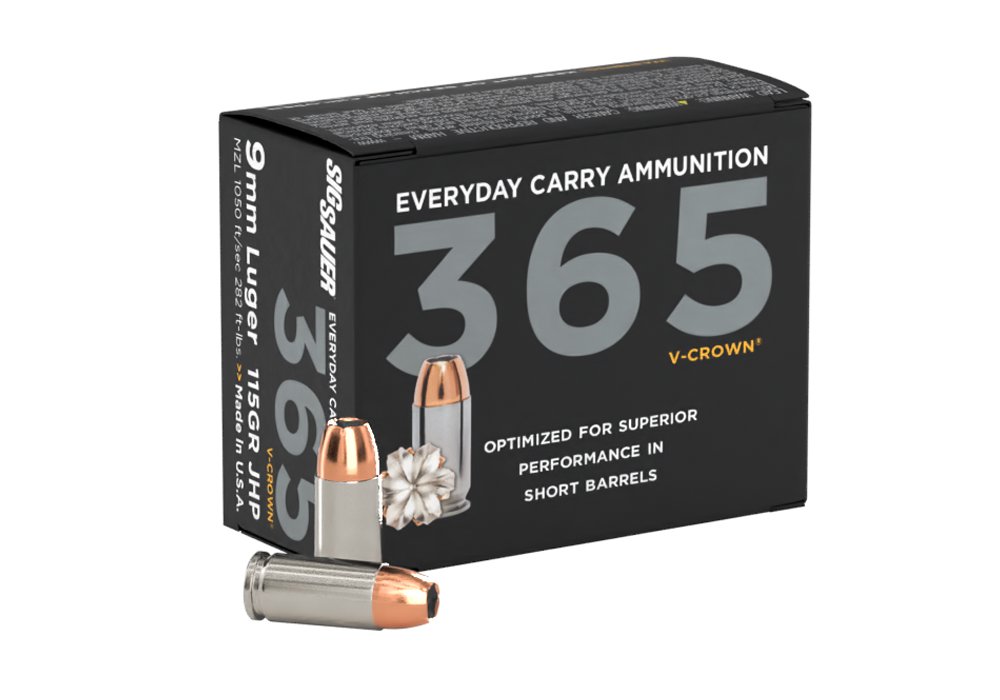
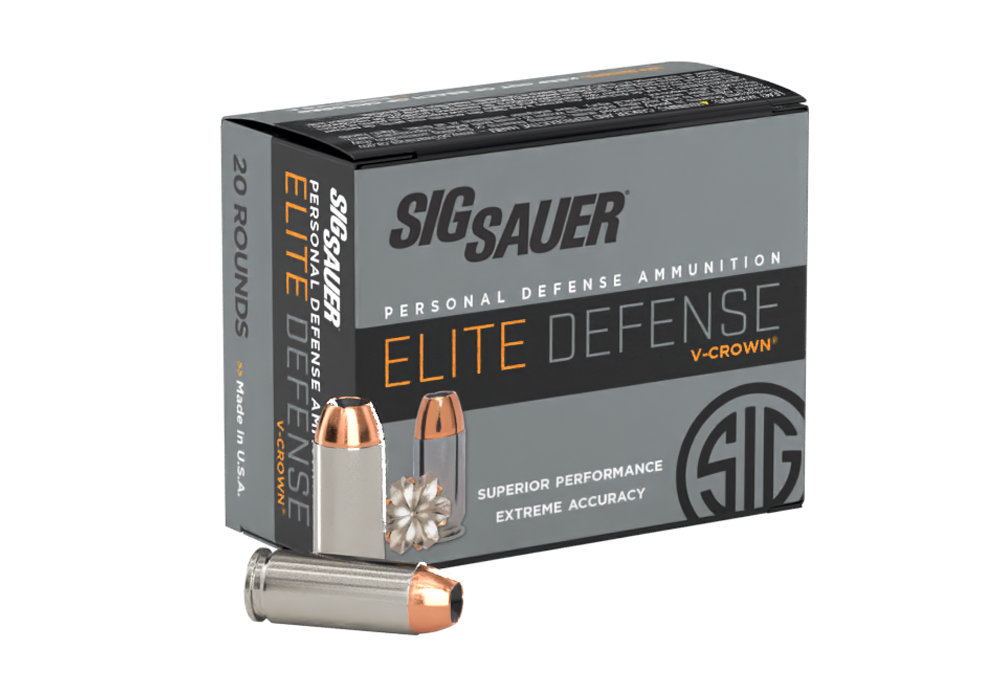
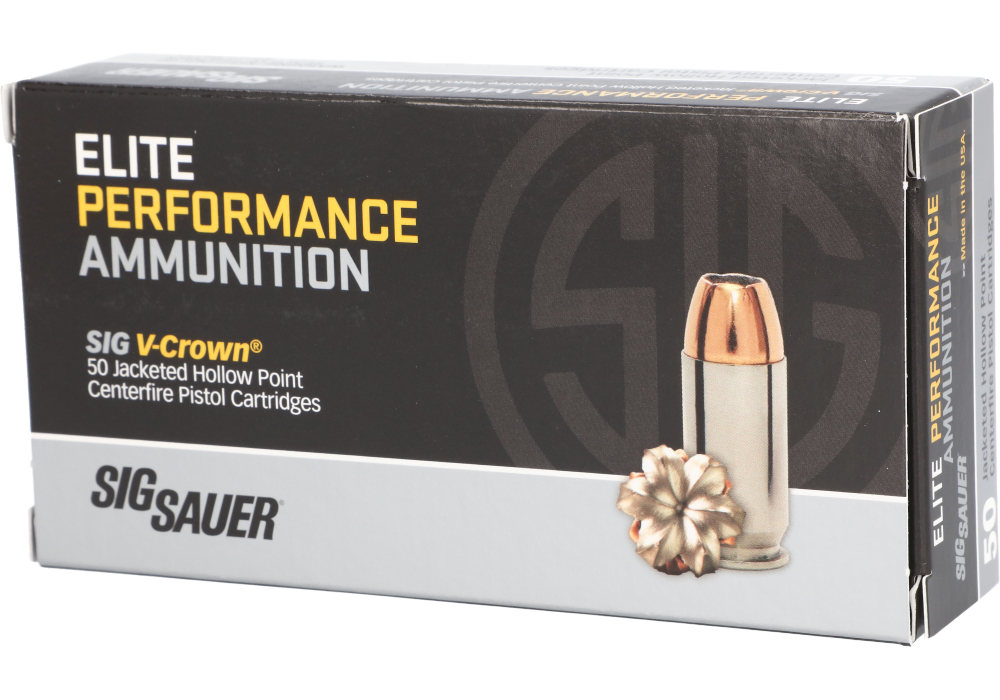
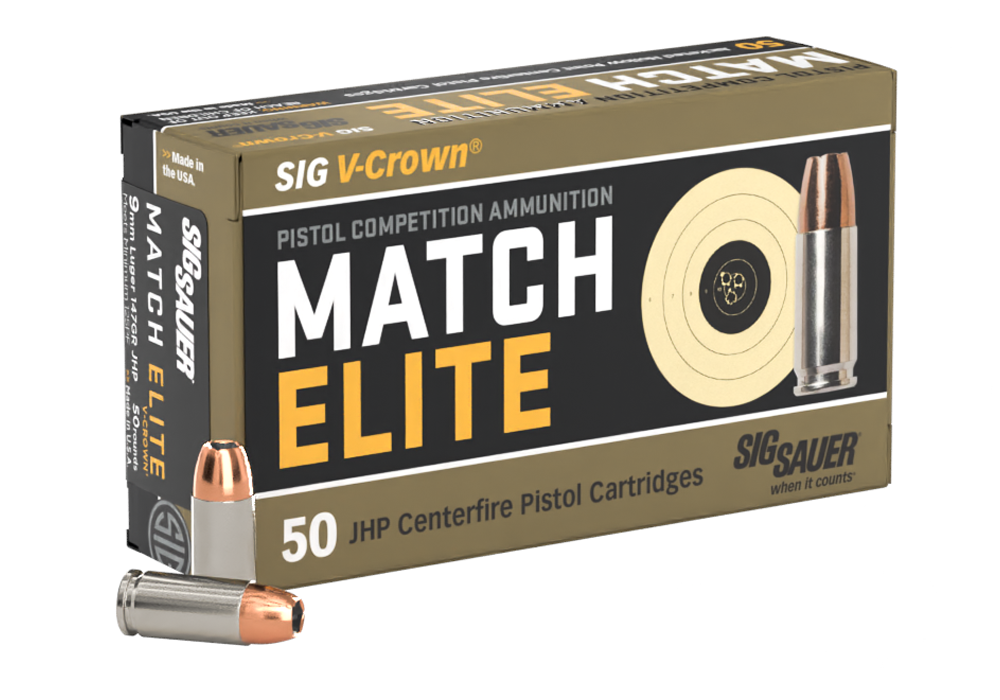
Hollow point rounds are ammunition loaded with a projectile that has a recessed cavity in its tip, a feature commonly intended to encourage expansion on impact. Under suitable conditions, the nose opens outward into a wider profile, often described as mushrooming. That behavior distinguishes an expanding hollow point bullet from a typical full metal jacket bullet, whose enclosed nose generally favors retaining its original shape. Expansion can influence how a projectile slows and penetrates, but it does not guarantee a particular result or eliminate the possibility of passing through a target. Materials encountered, impact velocity, and projectile construction all affect performance. Hollow point ammunition is commonly associated with lawful personal protection, professional duty use, and certain hunting applications, although those uses call for different design characteristics and legal considerations. The category also includes meaningful differences in construction. A jacketed hollow point typically combines a metal jacket with a core, while some expanding projectiles use a solid copper construction. Jacket thickness, core design, and the shape of the cavity can vary, so the visible opening alone does not tell the full story. Some designs incorporate a bonded core and jacket intended to help those components remain together during expansion. Others use different construction methods to achieve their stated performance characteristics. Not every bullet with an opening at its tip is an expanding hollow point: certain open-tip match projectiles have an opening related to their manufacturing process and are primarily intended for accuracy. Manufacturer descriptions are therefore more informative than appearance alone. It also helps to distinguish the bullet from the complete round. The bullet is the projectile; the cartridge includes the case, primer, propellant, and bullet assembled together. Clear terminology makes specifications easier to compare and helps separate projectile features from characteristics of the cartridge as a whole. For shoppers browsing hollow point rounds, these distinctions provide useful context without relying on sweeping claims about stopping power, guaranteed expansion, or guaranteed protection.
Fit begins with the firearm’s exact chambering and the ammunition specifications approved by its manufacturer. Similar cartridge names or dimensions do not establish interchangeability, and a hollow point profile does not change the need for correct ammunition. Pressure markings also matter: ammunition bearing a higher-pressure designation should only be considered where the firearm manufacturer expressly permits it. Bullet weight, usually expressed in grains, describes the projectile’s weight rather than the amount of propellant inside the case. Different weights can have different recoil characteristics and points of impact, but weight alone does not establish quality, compatibility, or suitability for an intended use. Published velocity and ballistic information also need context because test equipment and barrel length can differ from the firearm in which the ammunition will be used. Those figures describe particular test conditions rather than a promise of identical results in every firearm. For lawful defensive ownership, Personal Protection Hollow Point Ammo offers a related category to explore while keeping compatibility, responsible storage, and documented manufacturer guidance central to the decision. Hollow point rounds are not exclusively defensive ammunition, however, and their name alone does not establish suitability for hunting. Hunting use depends on applicable regulations, the intended game, and whether the ammunition manufacturer identifies that load for the purpose. Professional users may also have agency requirements that govern ammunition selection. Across these applications, reliable function matters alongside projectile design. A firearm that operates consistently with one bullet shape may behave differently with another, which is why manufacturer guidance and supervised range evaluation remain relevant. Practice with the intended ammunition can help a responsible owner become familiar with its recoil and point of impact; hollow points are not inherently unsuitable for range use. Facility rules still apply, and any ammunition used for practice should be compatible with both the firearm and the range’s requirements. The strongest foundation for selection is a clear intended use supported by accurate specifications, not an assumption that every hollow point round performs alike.
Materials and condition deserve attention throughout ownership. Cartridge cases are commonly brass, and some feature nickel plating that can provide an additional measure of corrosion resistance. Neither finish removes the need for careful handling and appropriate storage. A clean-looking case is only one part of the picture: corrosion, cracks, unusual deformation, or a projectile that appears displaced are reasons to set ammunition aside and seek manufacturer guidance rather than attempt a repair. Live cartridges should not be soaked, lubricated, or treated with firearm-cleaning chemicals. Oils and solvents belong in the maintenance process specified for the firearm, not on ammunition. Original packaging helps protect cartridges during ordinary handling and preserves important information such as chambering, bullet weight, pressure designation, and lot number. Keeping that information with the ammunition reduces confusion when similar-looking cartridges share a storage area. A secure storage location should prevent access by children and unauthorized individuals while protecting ammunition from moisture and contamination. Manufacturer storage recommendations remain the best reference for preserving condition over time. Ammunition carried or handled regularly also warrants periodic inspection, particularly when cartridges have repeatedly been loaded and unloaded. Any concern about a change in appearance or condition should be addressed before further use, without attempting to reshape or modify a cartridge. Durability in this category means maintaining the integrity of the complete round through proper storage and handling, not assuming that a protective finish makes ammunition immune to damage. Responsible ownership also includes understanding local possession, transport, and use requirements, since hollow point ammunition is subject to restrictions in some jurisdictions. For experienced firearm owners, newer shooters working with qualified instruction, and professionals following established policies, the relevant considerations remain consistent: correct fit, trustworthy technical information, sound condition, and a clearly defined lawful purpose. Hollow point rounds are best understood as a broad ammunition category with distinct designs and applications, rather than a single performance standard. Careful attention to those differences supports informed comparisons and responsible ownership.