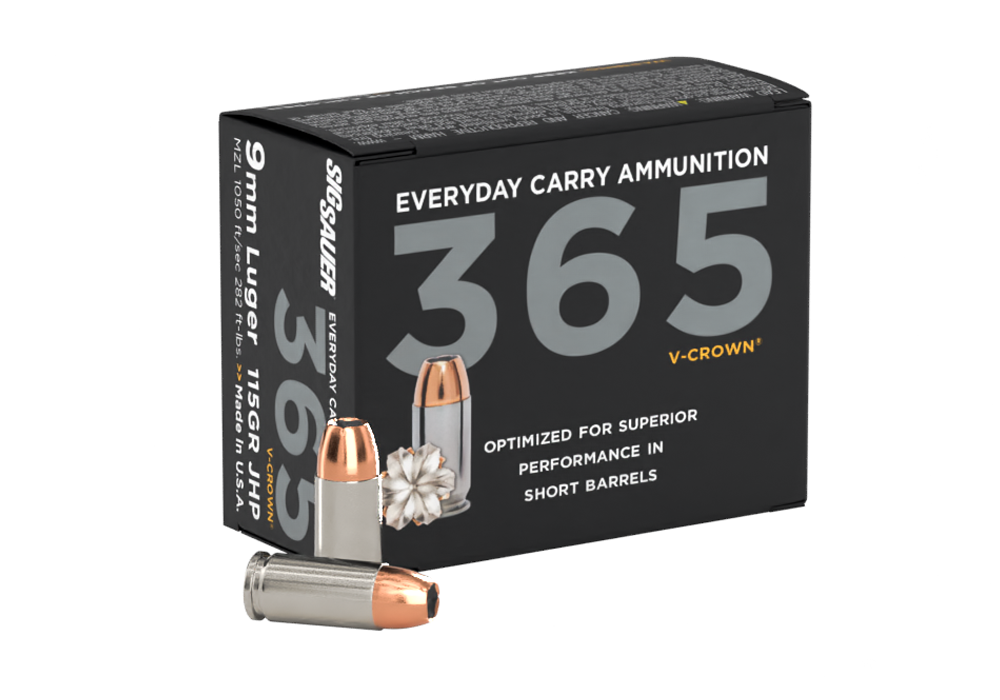
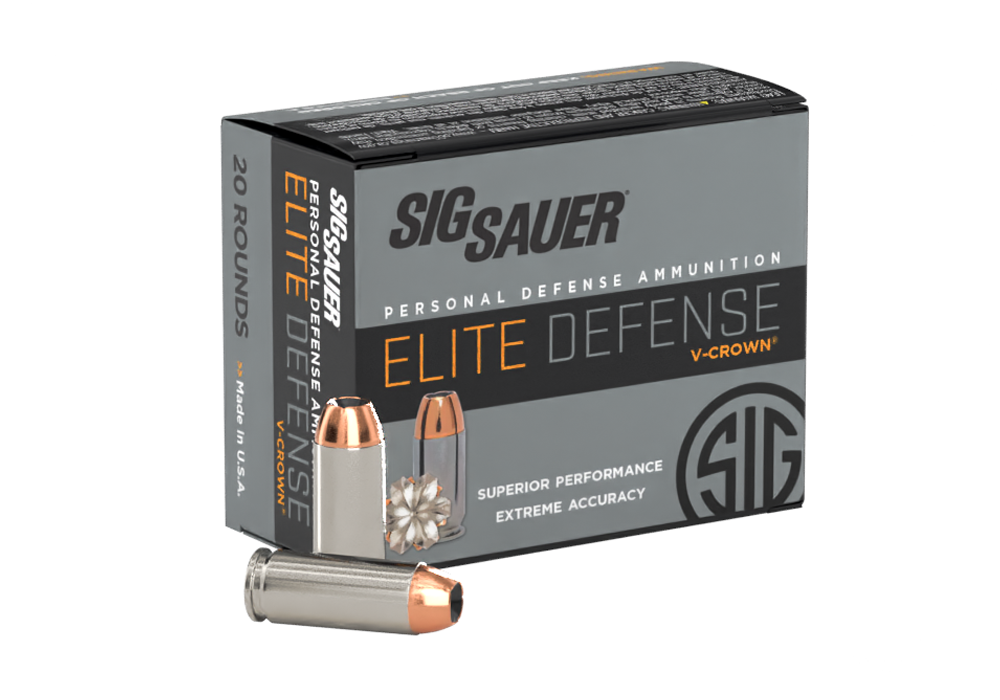
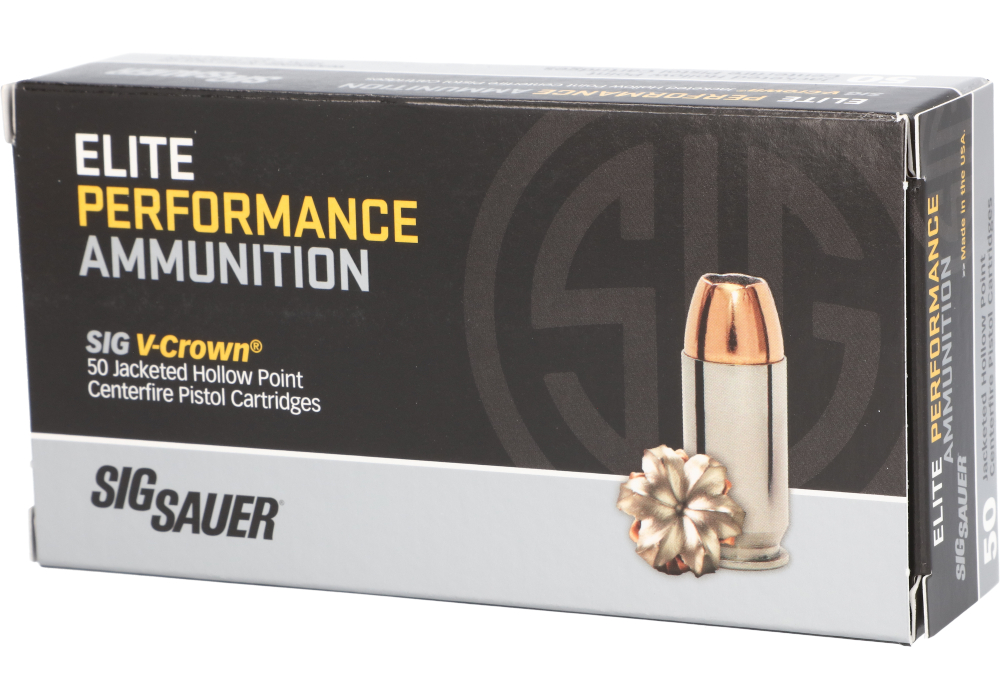
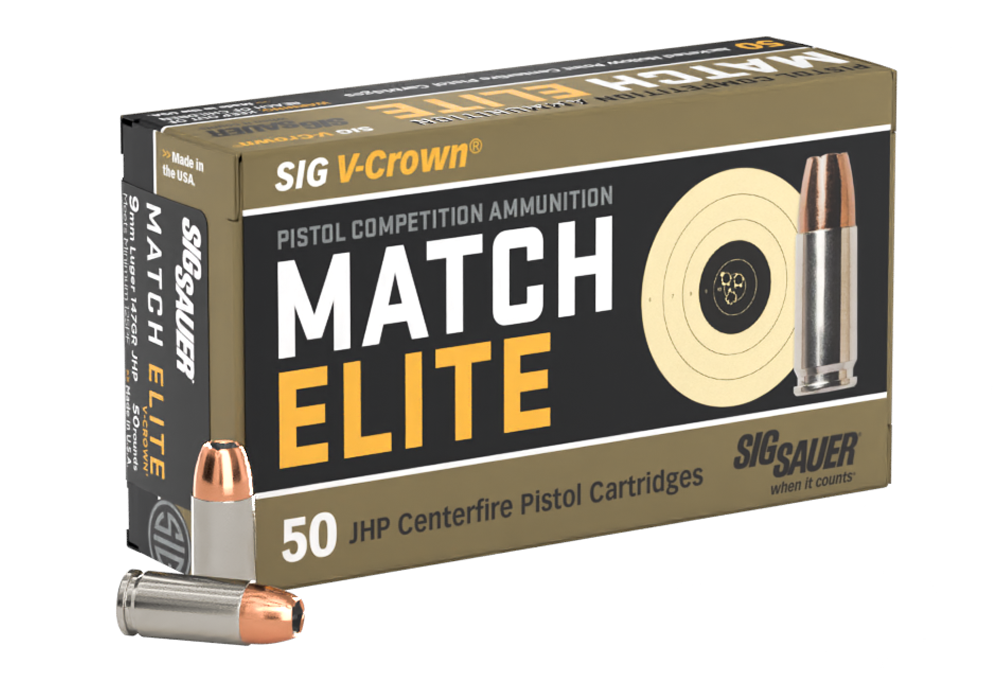
High-retention hollow point rounds are designed for shooters who want controlled expansion with dependable weight retention after impact. Unlike traditional jacketed bullets that may separate or fragment as they expand, bonded hollow points join the lead core and copper jacket through a specialized bonding process, helping the projectile stay together as it mushrooms. Solid copper hollow points take a different approach by using a single-piece monolithic construction, eliminating the separate core-and-jacket interface altogether. In both cases, the goal is consistent performance: the bullet opens to create a broader wound channel while preserving enough mass for meaningful penetration. A properly engineered hollow point may also include a skived jacket, scored petals, or a polymer insert that helps the cavity expand instead of becoming clogged by heavy clothing. These design details matter during cooler months, when coats, layered garments, and dense fabrics can challenge a projectile’s ability to expand. High-retention ammunition is commonly selected for personal protection, home-defense firearms, duty use, and carefully maintained training programs, although no ammunition can guarantee a particular result in every firearm or situation. Some loads are evaluated against recognized testing protocols involving clothing and intermediate barriers, but real-world performance depends on the firearm, barrel length, distance, angle, and the material encountered before the projectile reaches its intended target. Terms such as “nearly 100% weight retention,” “bonded,” “barrier-capable,” and “monolithic” describe construction and design goals rather than a promise of identical results in every circumstance. Shooters comparing high retention hollow point rounds should consider how those features fit their own firearm, carry method, and training routine rather than choosing by bullet weight or packaging alone.
A practical starting point is compatibility. Confirm the cartridge designation stamped on the firearm and select ammunition that matches it exactly; a cartridge that appears similar is not necessarily interchangeable. Bullet weight, overall length, pressure rating, and projectile profile can influence feeding, recoil, point of impact, and reliability, particularly in compact pistols with short barrels or tighter feed ramps. It is sensible to test a sufficient quantity at the range before relying on any defensive load, checking whether each round feeds smoothly from every magazine and whether the firearm locks open and cycles consistently. Compare the point of impact with the sights at realistic distances, paying attention to the difference between practice ammunition and your chosen defensive round. A load that feels manageable and groups well is often more useful than one selected solely for impressive specifications. Shooters should also inspect ammunition for damaged cases, loose bullets, corrosion, or other signs of improper storage, and should follow the firearm manufacturer’s instructions for approved ammunition. For those seeking additional options within a specialized selection, Military Grade Hollow Points can provide a useful point of comparison when reviewing bullet construction and intended application. High-retention designs are especially relevant when a shooter wants the projectile to maintain structural integrity after passing through heavy fabric or other common barriers, but barrier performance is not a substitute for safe handling, sound judgment, or a clear understanding of the environment. Drywall, glass, wood, and similar materials can alter a bullet’s path and energy in unpredictable ways, so ammunition should never be chosen with the expectation that it makes an unsafe backstop acceptable. For range sessions, bring the same magazines, holster, and equipment used during normal practice; small differences in setup can reveal whether a load is genuinely dependable in the complete system.
Choosing ammunition can also be part of preparing a household, outfitting a professional kit, or assembling a thoughtful gift for an experienced shooter. Because ammunition purchases may be subject to age, shipping, and local legal requirements, it is best to confirm the recipient’s preferences and eligibility before giving it as a present. A gift card, range session, or conversation about cartridge compatibility may be more appropriate than selecting a box without knowing the recipient’s firearm. For a new owner, quality instruction and secure storage are just as important as the ammunition itself. Keep defensive rounds in their original packaging or another clearly identified container, stored in a cool, dry place away from children and unauthorized users, and rotate stock according to the manufacturer’s recommendations. Avoid leaving ammunition exposed to prolonged heat, moisture, or vehicle conditions that can degrade components over time. Many experienced shooters maintain separate practice and defensive supplies, periodically confirming that the defensive load remains clean and serviceable while using less expensive ammunition for routine drills. That approach makes it easier to build familiarity with recoil, sight recovery, and trigger control without needlessly consuming specialized rounds. Whether preparing a compact everyday-carry pistol, a full-size handgun kept for home protection, or a duty firearm used during the cooler months, look for high retention hollow point rounds with clear specifications, reliable feeding characteristics, and a construction suited to the intended application. Responsible selection combines bullet design with firearm fit, realistic testing, secure storage, and ongoing training—practical details that help turn a promising product specification into dependable equipment.