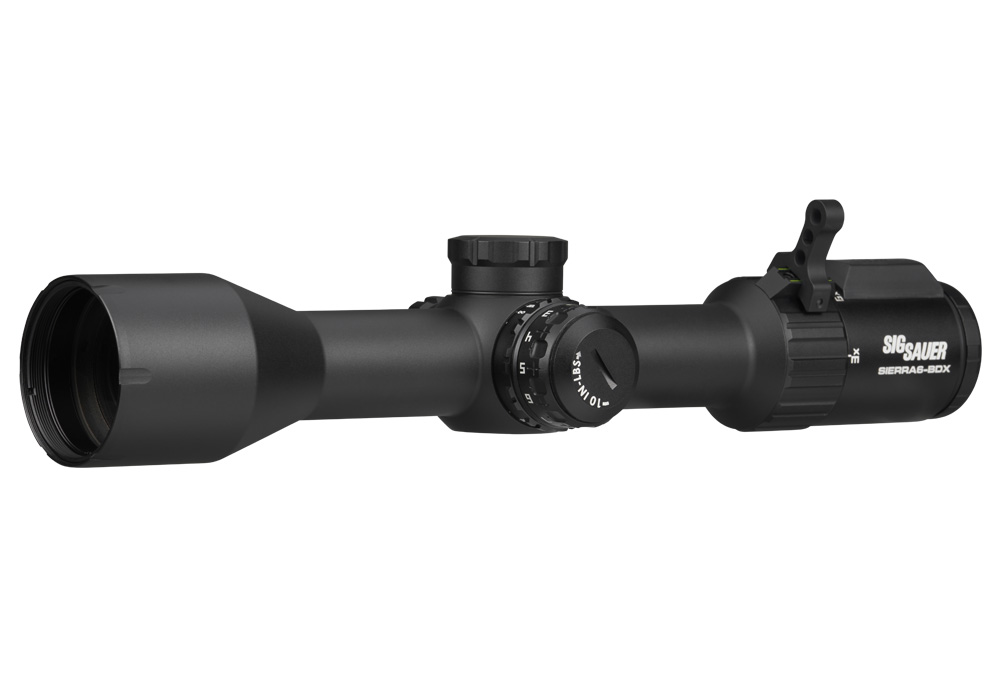
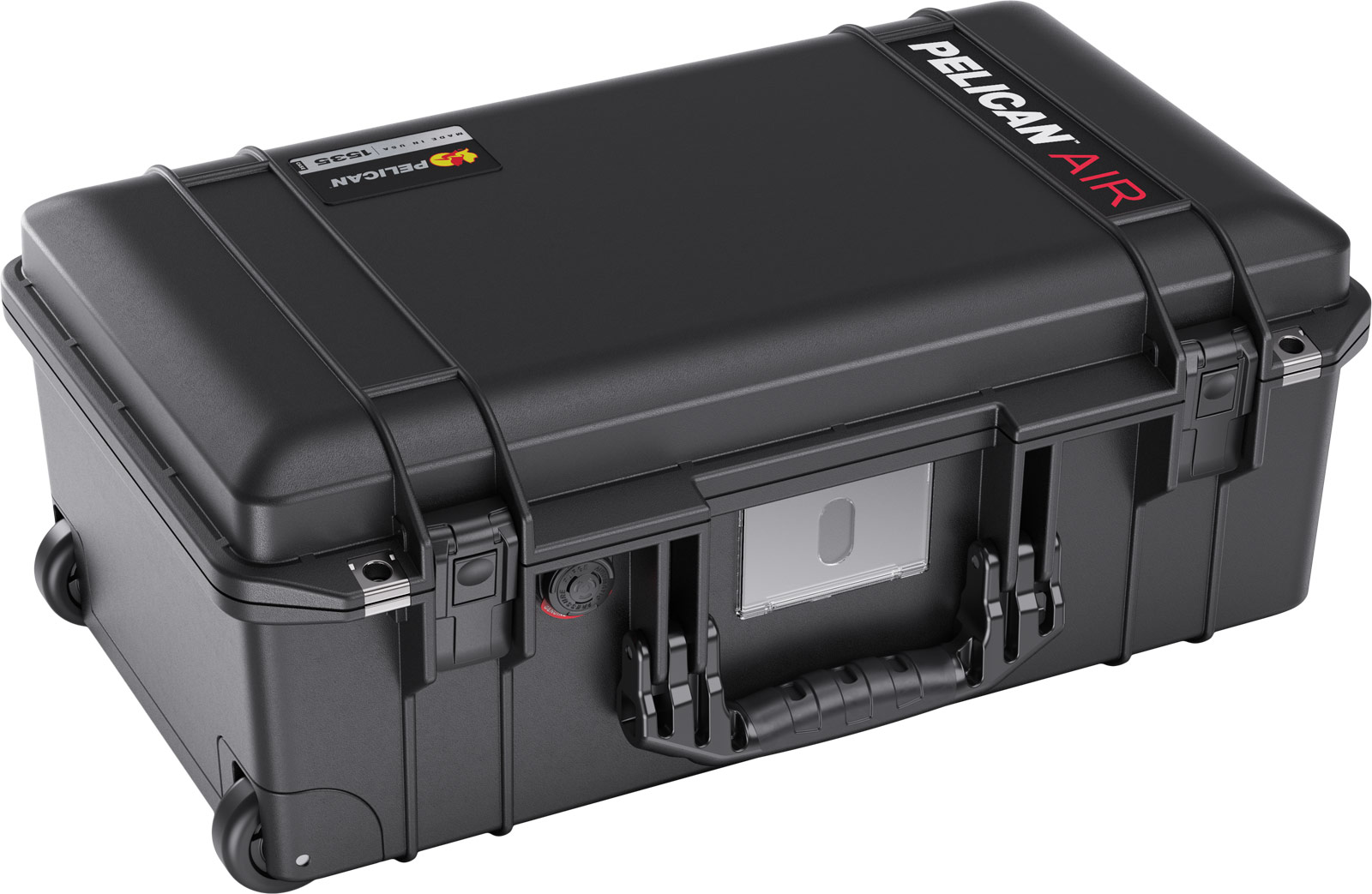
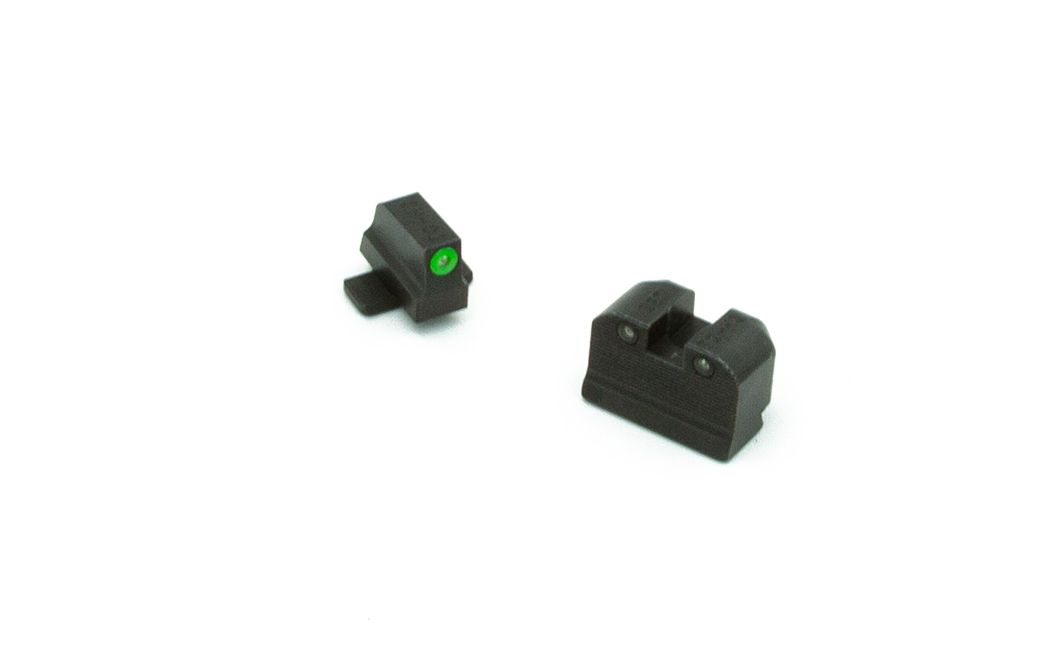
Field equipment encompasses the practical tools and supporting gear used outside a traditional indoor setting, where changing weather, uneven ground, limited storage, and long hours can influence every decision. Depending on the application, field equipment may support outdoor recreation, range use, hunting, training, sports-field maintenance, agricultural work, construction, field service, or environmental and scientific operations. The most useful equipment is selected with the job in mind: observation gear helps users see and assess conditions at a distance; carry and storage solutions keep essential items organized and protected; maintenance accessories help equipment remain ready for repeated use; and protective gear supports safer, more comfortable work in demanding surroundings. For anyone preparing for a day outdoors, the details matter. A secure case can prevent damage during transport, dependable lighting can make a dark vehicle or equipment area easier to navigate, and a weather-resistant accessory can be the difference between staying organized and searching through wet, muddy gear. Field conditions are rarely perfectly predictable, particularly during the cooler months, so durable construction, straightforward operation, and compatibility with existing equipment are important considerations. When comparing field equipment, consider how it will be carried, where it will be stored, how often it will be used, and whether it needs to perform while wearing gloves or working with limited visibility. A compact option may suit short outings or a carefully organized range bag, while an extended-capacity storage solution may be better for longer trips or shared equipment. Buyers should also review dimensions, attachment methods, adjustment range, power requirements, and material durability before making a selection.
The right choice often depends less on having the most features and more on having the features that make a particular task simpler. Someone spending early fall mornings outdoors may value equipment that can be handled easily with cold fingers and layered clothing, while a user working through damp grass or dusty access roads may place greater emphasis on sealed construction and easy cleaning. Equipment used around a sports field, farm, construction site, or research area may need to withstand frequent transport, repeated setup, and exposure to dirt, moisture, and incidental impacts. For range and field applications, users may also consider how equipment fits into a broader system that includes firearms, optics, ammunition, protective clothing, and transportation cases. Secure organization reduces unnecessary handling and helps keep essential items in their intended place. A product that serves more than one purpose can be especially useful for people who move between a workshop, vehicle, range, and outdoor location during the same outing. Safety remains central in every setting, which is why field users often pair practical accessories with equipment selected specifically for responsible handling and protection. Explore Equipment For Safety when building a setup intended to support safe, controlled use. Whether the goal is preparing a training kit, refreshing a field bag, organizing equipment for a property, or assembling dependable outdoor essentials, look for intuitive controls, solid attachment points, comfortable handling, and materials that can withstand the conditions in which the equipment will actually be used.
Field equipment can also be a thoughtful gift for an outdoorsperson, range enthusiast, hunter, professional tradesperson, coach, landowner, or anyone who spends meaningful time working away from a desk. The best gifts are often the items that solve small frustrations: a better way to carry essentials, a more orderly storage method, a tool that is easier to access in low light, or an accessory that protects valuable equipment during travel. Gift buyers who are unfamiliar with a recipient’s exact setup should favor broadly useful, non-size-specific items and confirm compatibility whenever mounting systems, cases, batteries, or other accessories are involved. A practical gift becomes even more valuable when it fits naturally into established routines rather than requiring a complete change in how someone works. Picture a field bag placed beside a truck before dawn, equipment checked and arranged before the first task begins, or a compact accessory pulled from a pocket when weather turns and visibility fades. Those are the moments when thoughtful design earns its place. During the warmer and cooler parts of the year alike, reliable field equipment helps users stay prepared as conditions shift from bright, dry afternoons to wet ground, fading light, and colder air. Browse the available recommendations with the intended environment, frequency of use, transport needs, and safety practices in mind, and choose equipment that supports confident preparation without unnecessary complexity.