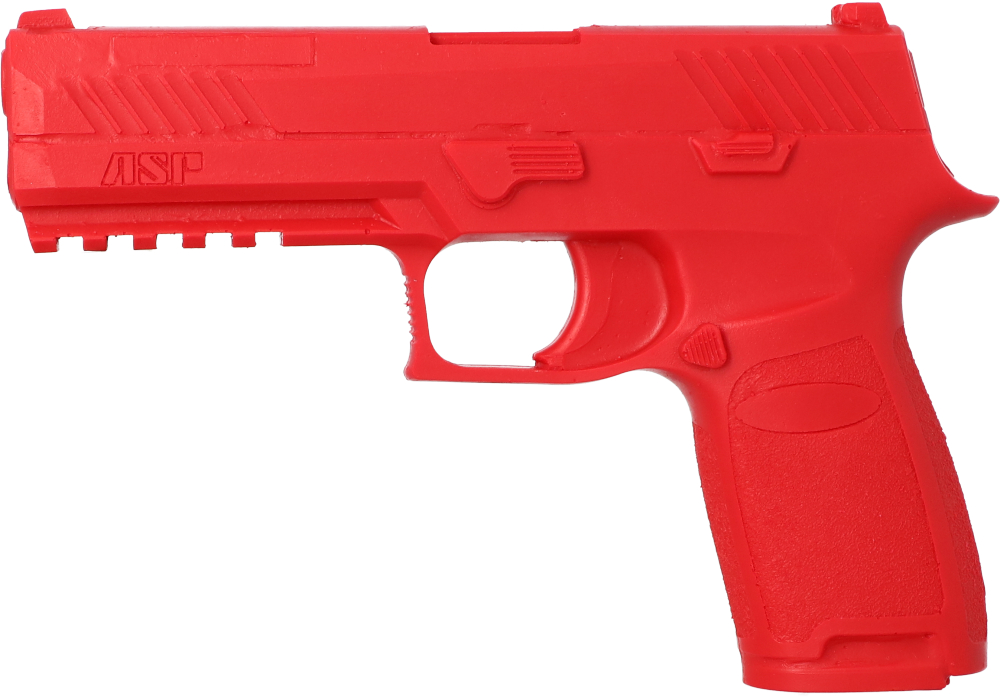
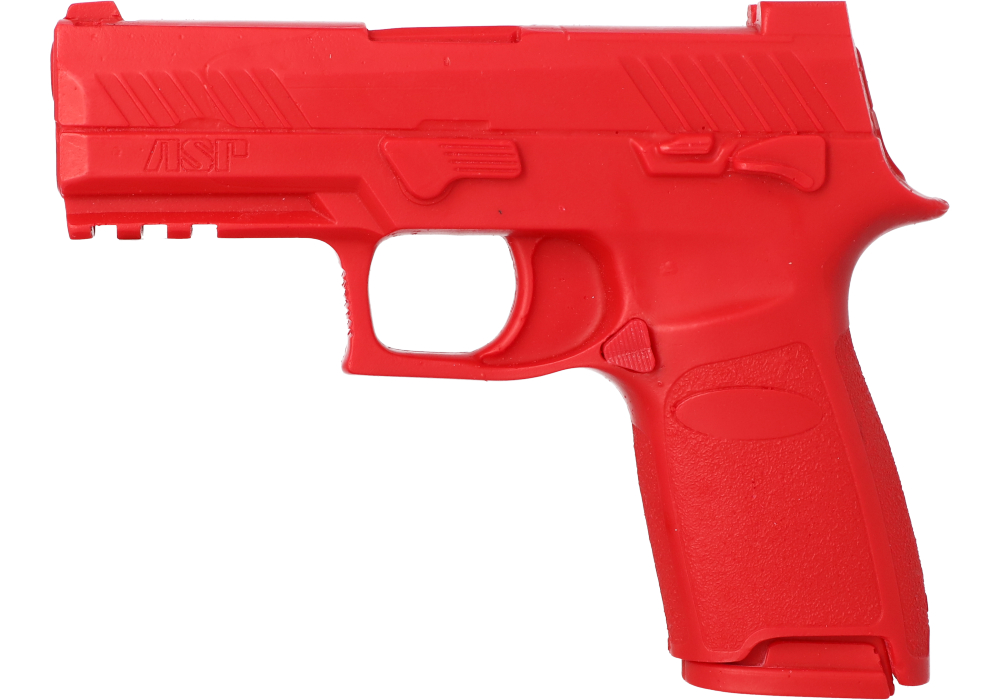
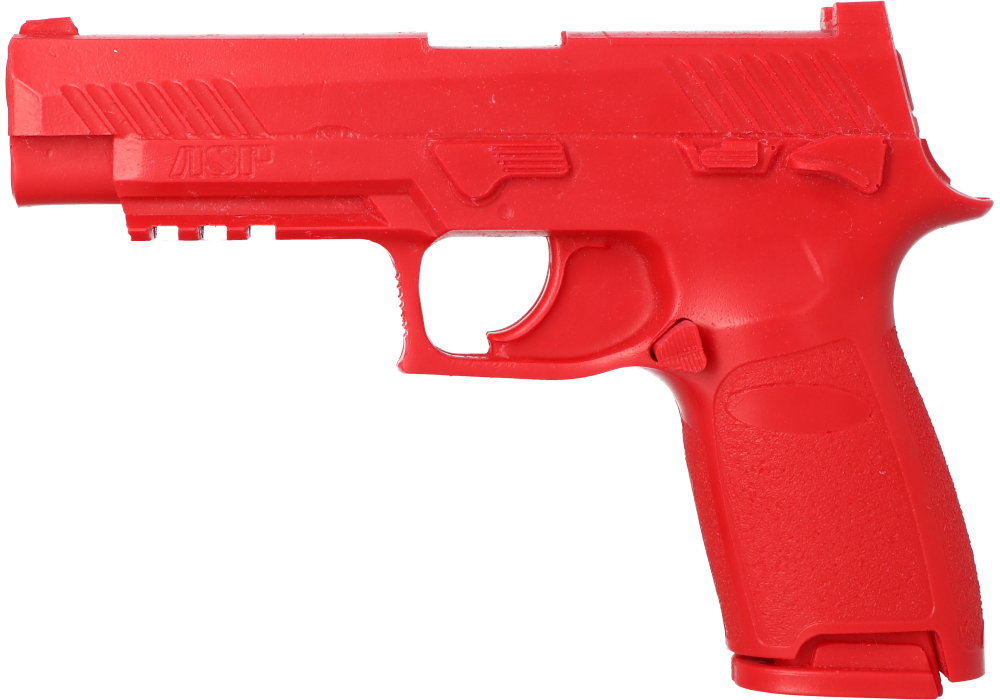
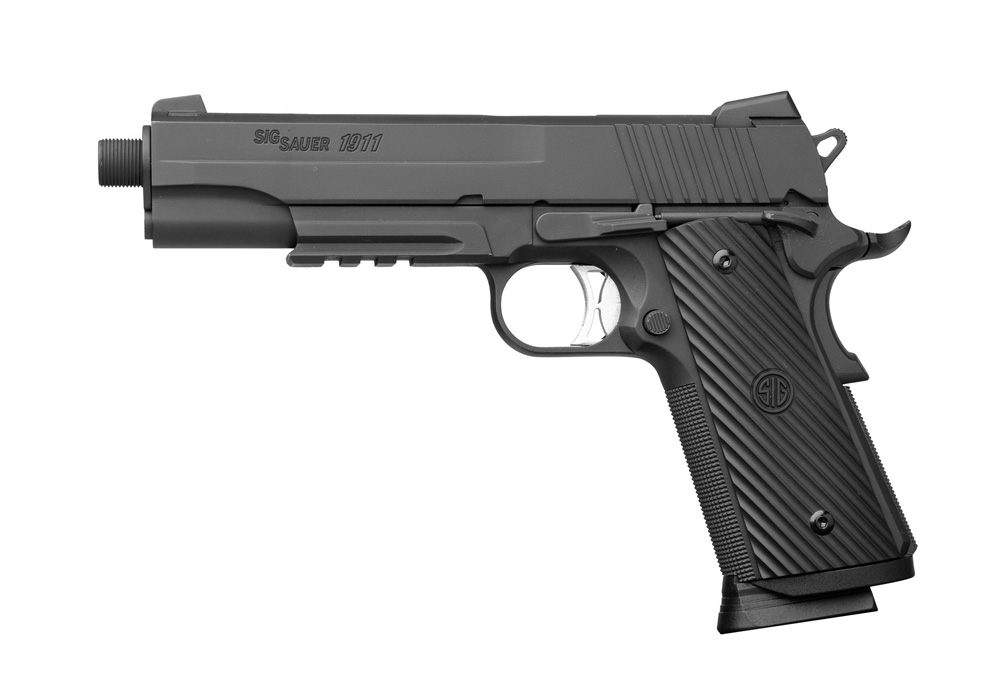
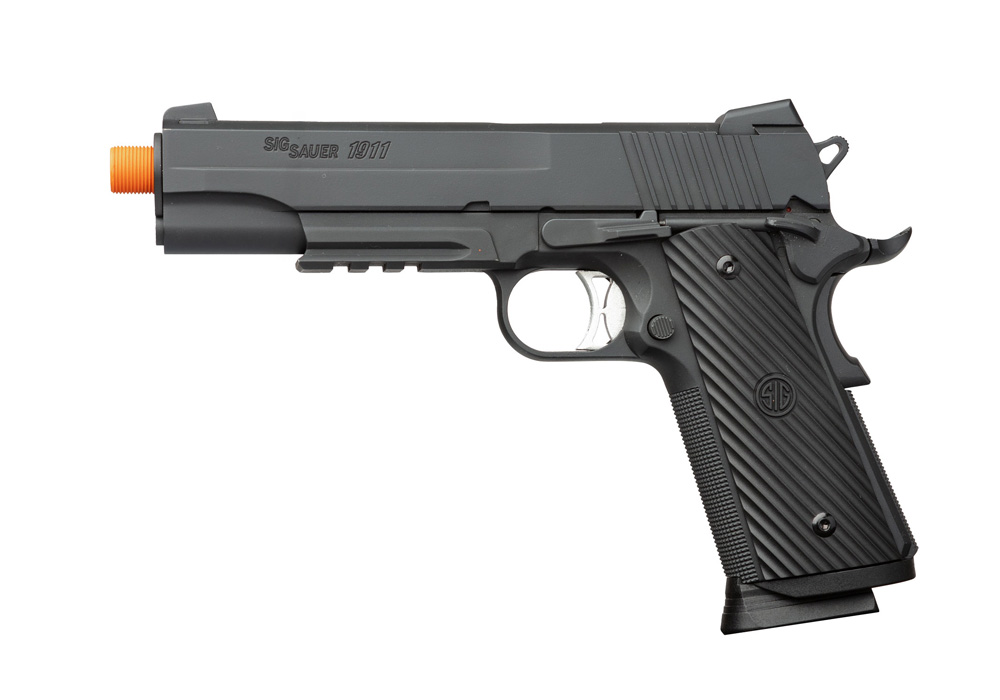
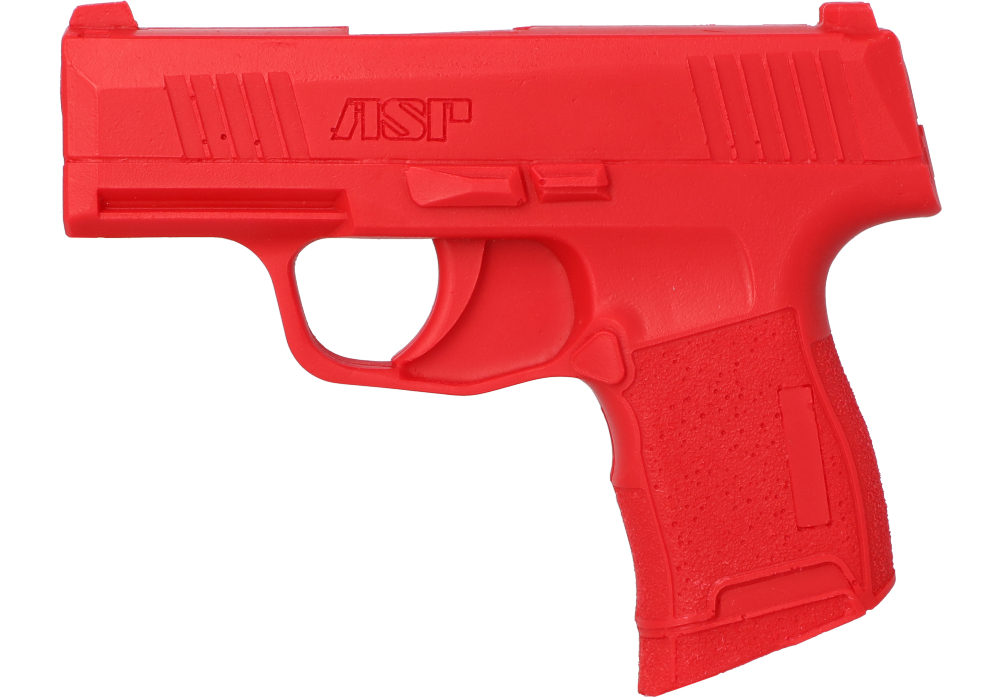
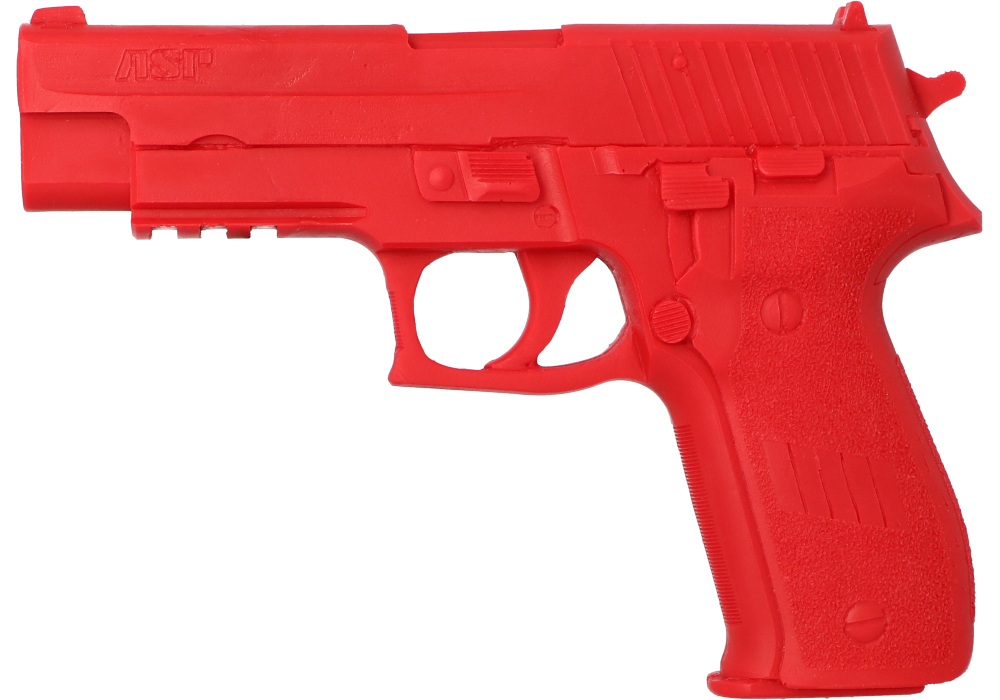
Inert training guns for self defense provide a practical way to rehearse firearm handling, presentation, retention, and safe movement without using a live firearm or ammunition. Constructed from solid polymer, rubber, or other durable materials, these non-firing trainers can replicate the dimensions, contours, controls, and balance of a corresponding handgun or long gun, allowing practice to feel more natural while keeping the session focused on technique. Their value comes from repetition: a careful draw from a holster, a controlled presentation toward a designated training area, a safe reholster, or a deliberate response to a simulated threat can become familiar through consistent practice. Because the trainer contains no live firing components, it is well suited to dry practice in an appropriate space, provided the area is cleared of live ammunition and everyone present understands the safety rules. A trainer can also help new firearm owners become comfortable with the shape and operation of a platform before beginning supervised live-fire instruction. For experienced owners, it offers an accessible option for refreshing essential movements during the cooler months, when an indoor practice area may be more convenient. Selecting the correct form factor is important, since a trainer should support the same grip, holster position, sight picture, and carry setup used with the firearm it represents.
The best choice depends on how the trainer will be used and who will handle it. Look for a model that matches the dimensions and controls of the intended firearm as closely as possible, especially when practicing from a holster or working with a belt, magazine pouch, training clothing, or a vehicle setup. Weight and balance also matter. A lightweight trainer may be comfortable for repeated drills and introductory sessions, while a heavier construction can offer a more realistic sense of presentation and retention. A clearly identifiable training color or other visual distinction helps prevent confusion with a live firearm, particularly when several people share a practice space. Durable construction is helpful for repetition involving a padded floor, training mat, holster work, or supervised partner exercises, while a smooth finish can reduce snags during a controlled draw. Buyers should also confirm compatibility with the holster and accessories already in use rather than assuming that a similar-looking outline will fit correctly. For those building a training setup around a compact carry firearm, the collection can be paired with options such as Lightweight Handguns for Training to support a consistent progression from familiarization to supervised practice. A trainer can be a thoughtful gift for a first-time firearm owner, a family member attending a safety course, or an experienced enthusiast who wants a simple way to practice at home. It is also useful for instructors, range staff, security professionals, and organized training groups that need repeatable equipment for demonstrations and scenario-based work.
Inert trainers are especially useful for the parts of self-defense practice that occur before live firing begins or outside a range environment. With proper supervision, they can support rehearsals for drawing from concealment, working around a seat belt, navigating a narrow hallway, moving through a doorway, or keeping control of a firearm during close physical contact. These situations require calm body mechanics and awareness of where the muzzle, hands, and surrounding people are positioned; a non-firing trainer allows those concepts to be explored at a slower pace. Partner drills should use clear commands, protective equipment where appropriate, and an agreed-upon stop signal, with no force or technique introduced beyond the participants’ training level. A trainer is not a substitute for qualified instruction, live-fire fundamentals, or a thorough understanding of local laws, but it can reinforce lessons between formal sessions. Store it separately from live firearms, keep it visibly distinct, and establish a consistent routine for checking the practice area before and after use. Whether selected for personal preparation, a structured class, or a gift for someone beginning a responsible ownership journey, an inert training gun brings useful repetition to the home, classroom, or dedicated training space. The result is a more deliberate approach to handling, with practice centered on awareness, control, safe direction, and confident movement rather than speed alone.