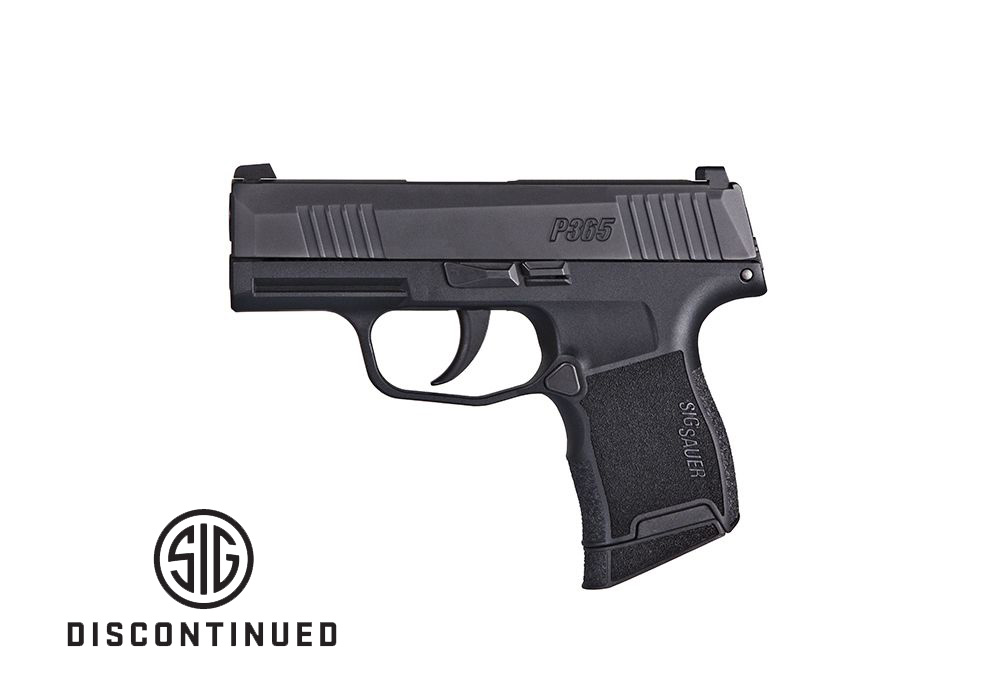
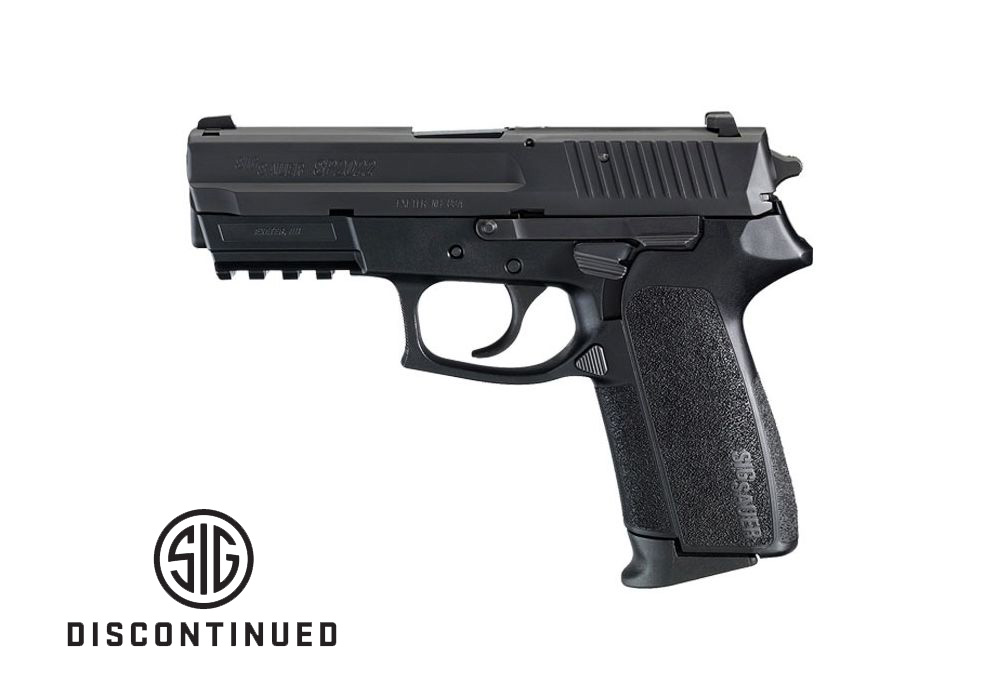
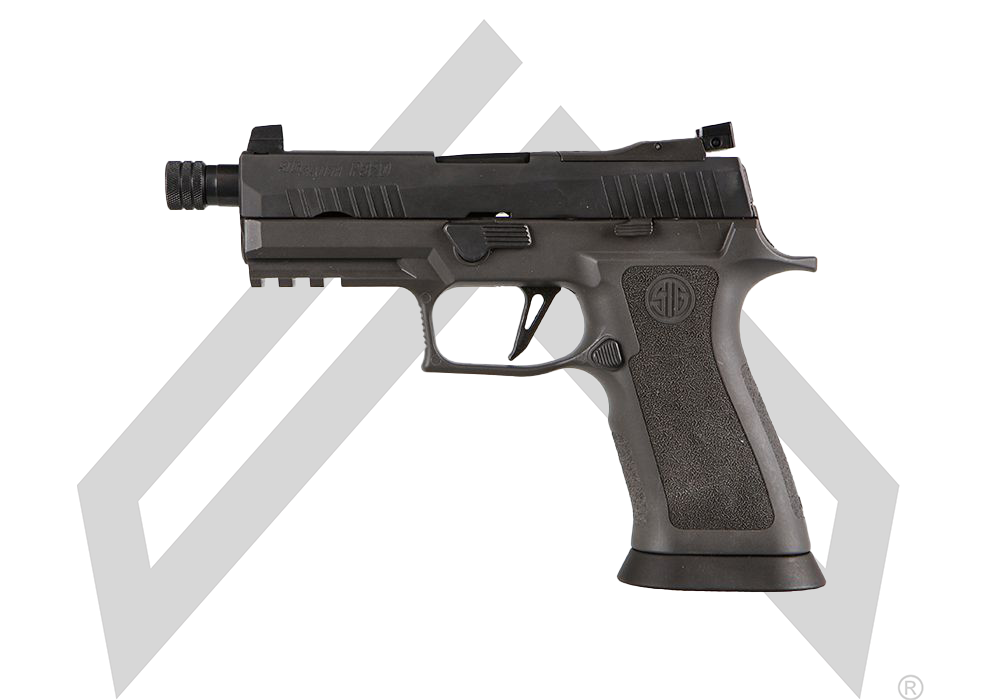
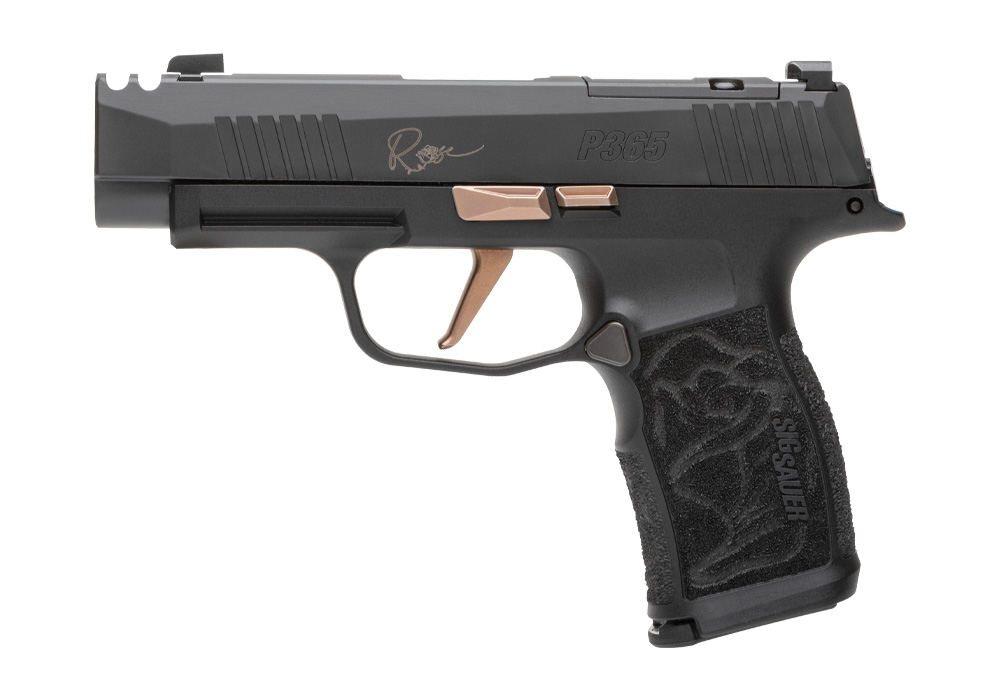
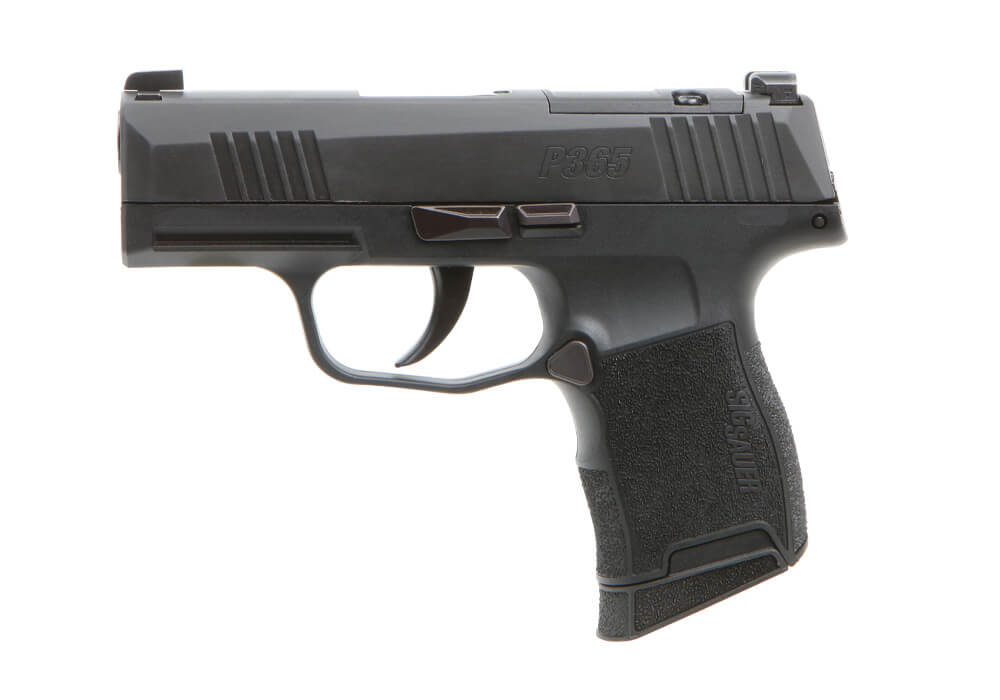
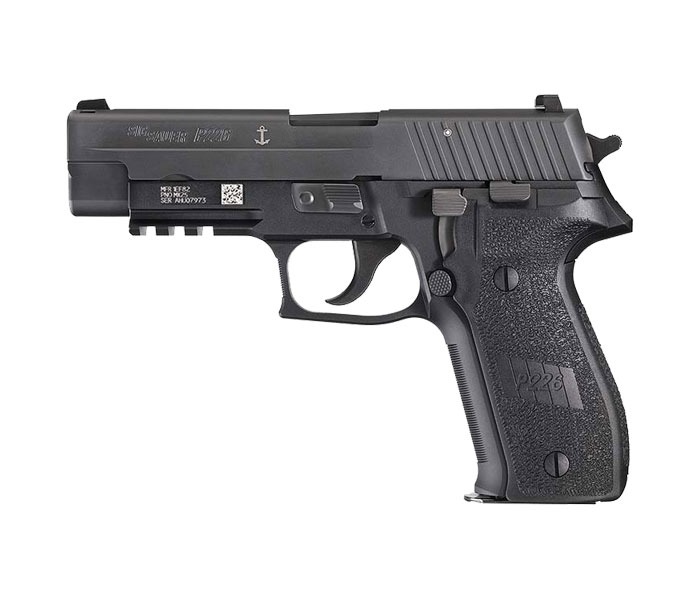
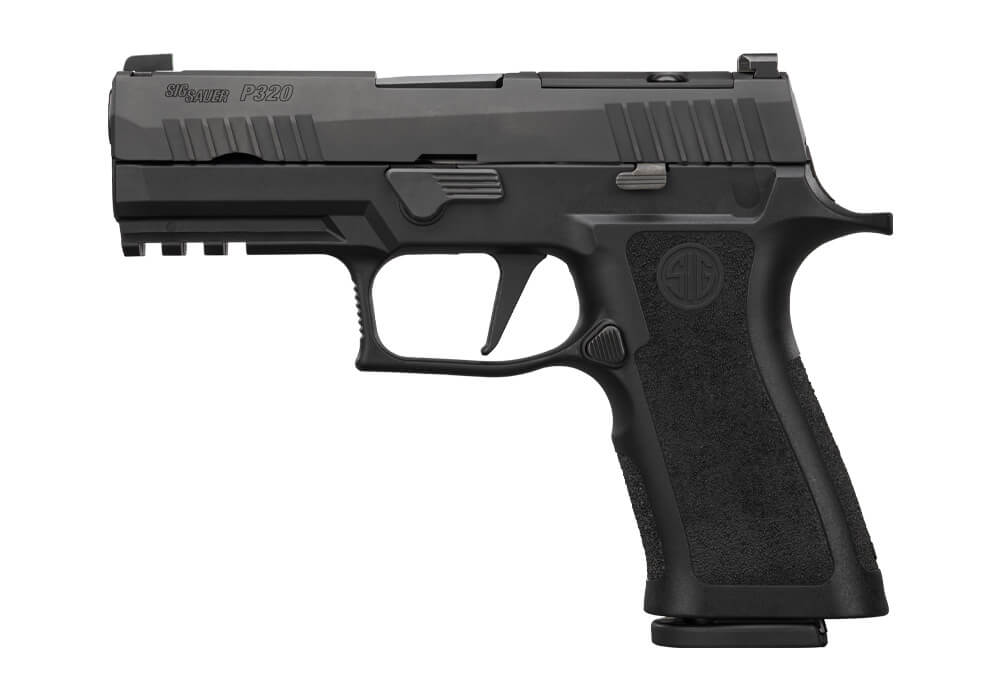
Lightweight handguns for training pair manageable weight with features that support comfortable, repeatable target practice. They appeal to newer shooters learning firearm safety and range routines, as well as experienced shooters who prefer a less tiring handgun for regular practice. Models chambered in .22 LR are a common consideration because that cartridge generally produces mild recoil compared with many centerfire handgun cartridges. Low overall weight and low recoil are not the same thing, however: a lighter handgun can feel sharper under recoil than a heavier handgun chambered for the same cartridge. The most useful balance depends on the shooter, the ammunition, and the intended practice. Someone attending an introductory range session may appreciate a straightforward layout and easily visible sights, while a frequent target shooter may place more emphasis on grip comfort and a consistent trigger feel. Compact dimensions can make transportation more convenient, but the smallest handgun is not automatically the easiest training choice. A shorter grip may leave less room for the hand, and closely spaced sights can make small alignment differences more noticeable. A slightly larger, lightweight handgun can provide a fuller grip and a clearer view of the sights without feeling cumbersome. For a shooter whose hands tire during a supervised lesson, that distinction can matter more than a small difference on a specification sheet. Balance also affects the experience: two handguns with similar listed weights may feel quite different when held, depending on where that weight sits. Comparing published weights on the same basis, such as unloaded weight, helps keep those differences in perspective. A suitable training handgun should feel manageable throughout an ordinary range visit rather than merely feeling light when first lifted from a counter. Weight is a useful starting point, but fit, recoil characteristics, visibility of the sights, and ease of safe handling determine how well the overall package suits its owner.
Materials contribute to both handling and long-term durability. Polymer grip modules or frames can reduce weight, while aluminum-alloy frames offer another approach to a lighter overall build. Steel remains common in components exposed to repeated mechanical stress, including barrels and slides. Each material serves a different purpose, and a lightweight design does not mean every component should be as light as possible. The combination of materials, dimensions, surface treatments, and construction matters more than any single material label. Grip texture is another detail that becomes more noticeable with use. A sharply textured surface may feel secure but uncomfortable against sensitive hands, while a smoother surface may require a closer assessment of fit. The grip should provide enough usable contact area without forcing the fingers into an awkward position. Shooters with smaller hands often pay particular attention to trigger reach and access to controls; those with larger hands may need more grip length or a different contour. Adjustable grip features can help accommodate individual preferences, but they do not replace a careful assessment in a safe retail or supervised range setting. Sight design deserves similar attention. A clearly defined front sight and a rear sight that is easy to distinguish can be more useful than an elaborate arrangement that looks busy to the individual shooter. Vision, corrective lenses, and the lighting at a typical indoor range all influence what feels clear. For shoppers comparing manageable dimensions with target-oriented features, Accurate Small Handguns provides a related selection to consider. Control layout also matters, particularly for someone who already trains with another handgun and prefers familiar placement. Familiarity can make practice feel less distracting, although each firearm still requires its own manual and appropriate instruction. A comfortable match brings these details together: the hand settles naturally, the sights are readily distinguishable, and the controls suit the shooter without uncomfortable stretching or unnecessary shifts in grip.
Regular care helps preserve the qualities that make a lightweight training handgun pleasant to use. Cleaning and lubrication should follow the manufacturer’s instructions, with products appropriate for the firearm’s metals, polymers, and finishes. A protective finish can improve resistance to wear or corrosion, but it does not eliminate the need for inspection, proper storage, and attention after range use. Repeated contact with a case, bench surface, or holster can leave visible wear over time; cosmetic marks and functional concerns are not necessarily the same thing. Unusual wear, damaged components, or changes in operation warrant evaluation by a qualified professional rather than an improvised repair. Ammunition should match the firearm’s specified chambering, and any ammunition recommendations in its manual deserve attention, particularly for rimfire designs. Some rimfire firearms also have restrictions on practice without live ammunition, so assumptions based on another handgun may not apply. For routine transportation, a secure case that protects the firearm and keeps accessories organized supports a more orderly range visit. Storage should prevent unauthorized access, especially where children or visitors may be present, and applicable laws and range rules remain part of responsible ownership. Eye and hearing protection belong in every live-fire training setting, regardless of the handgun’s size or chambering. These practical considerations matter for a first handgun, a dedicated target-practice firearm, or a gift intended for an eligible adult who enjoys recreational shooting. When a firearm is being considered as a gift, the recipient’s fit preferences and applicable transfer requirements should shape the decision. A light handgun that looks appealing may still be uncomfortable in that person’s hand. Whenever feasible, a supervised opportunity to handle or try a comparable configuration can reveal more than dimensions alone. The strongest choice for regular training is not simply the lightest option; it is a handgun whose weight, fit, materials, and maintenance needs make it a sensible match for its owner’s experience and intended range use.