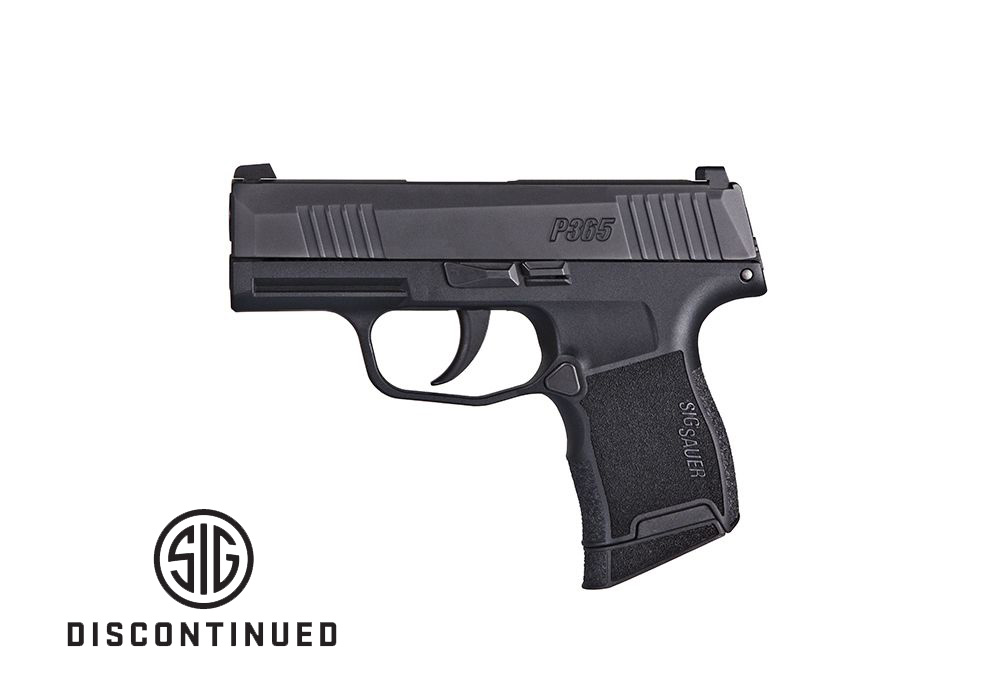
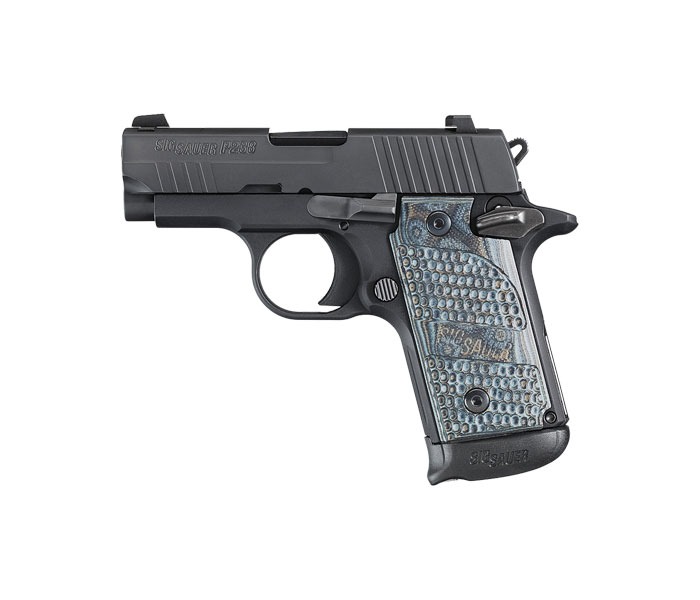
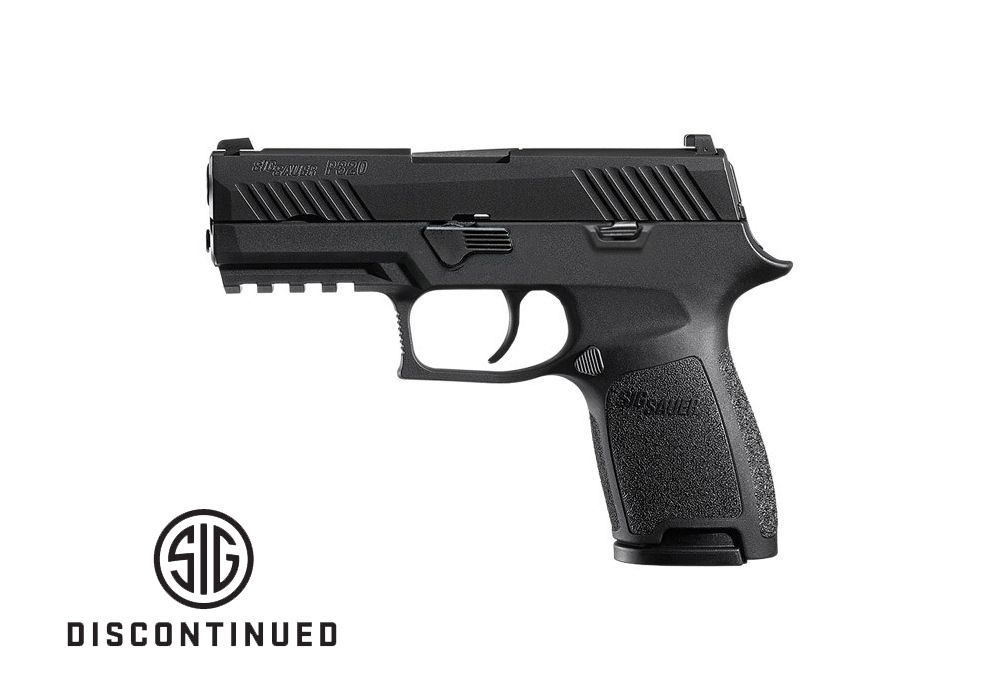
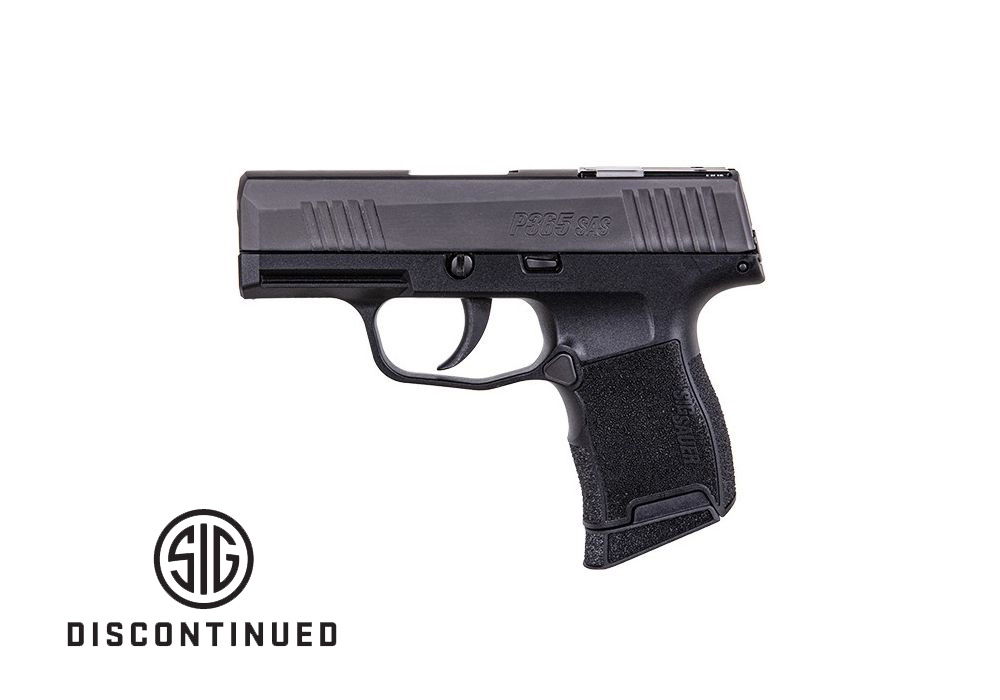
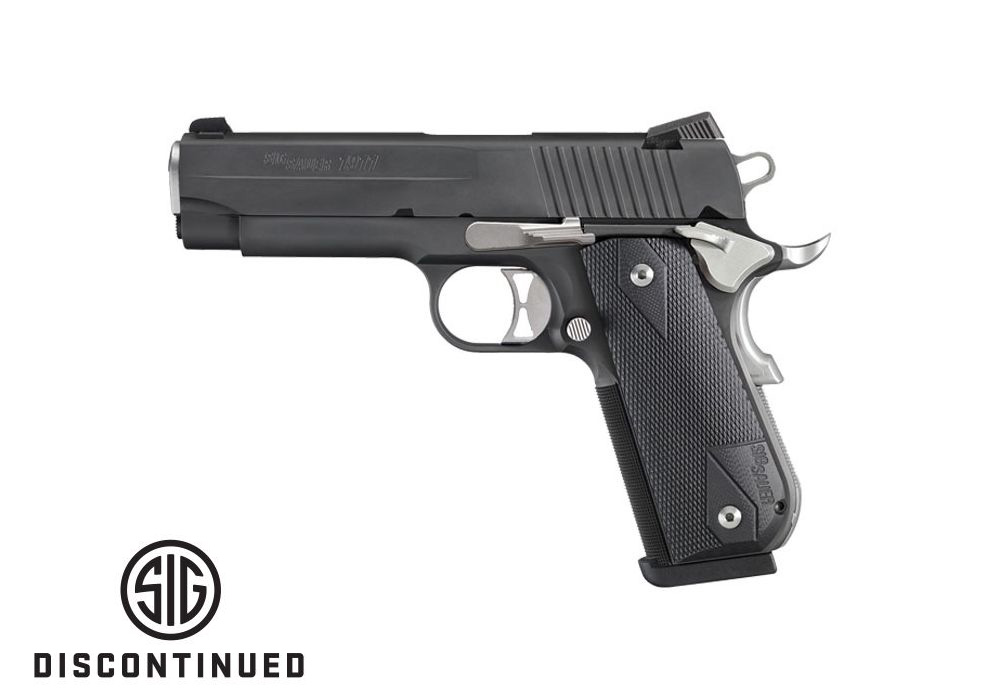
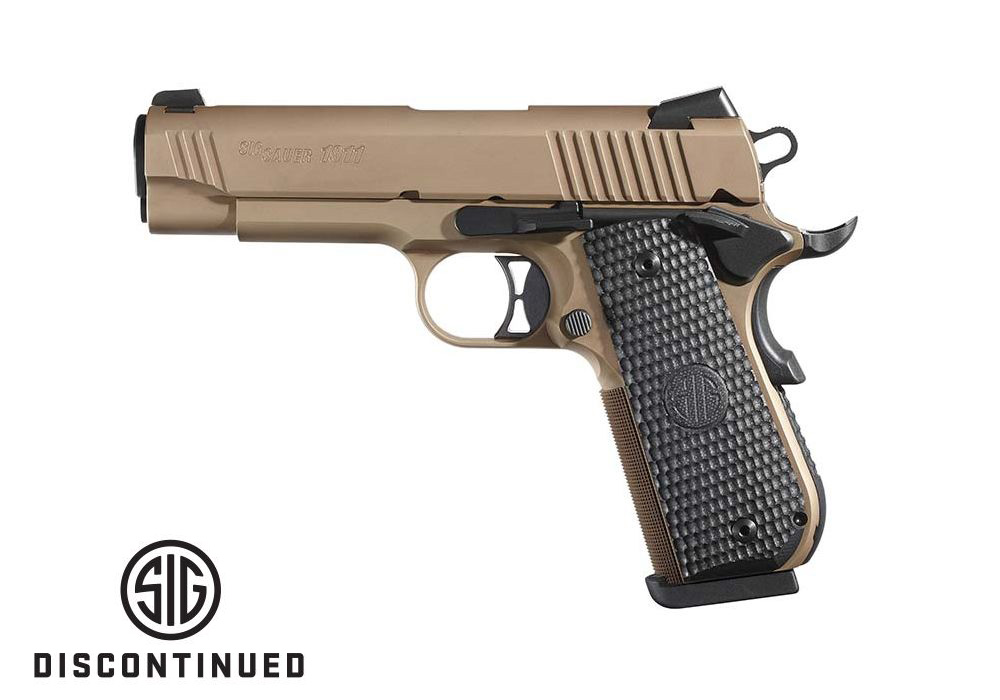
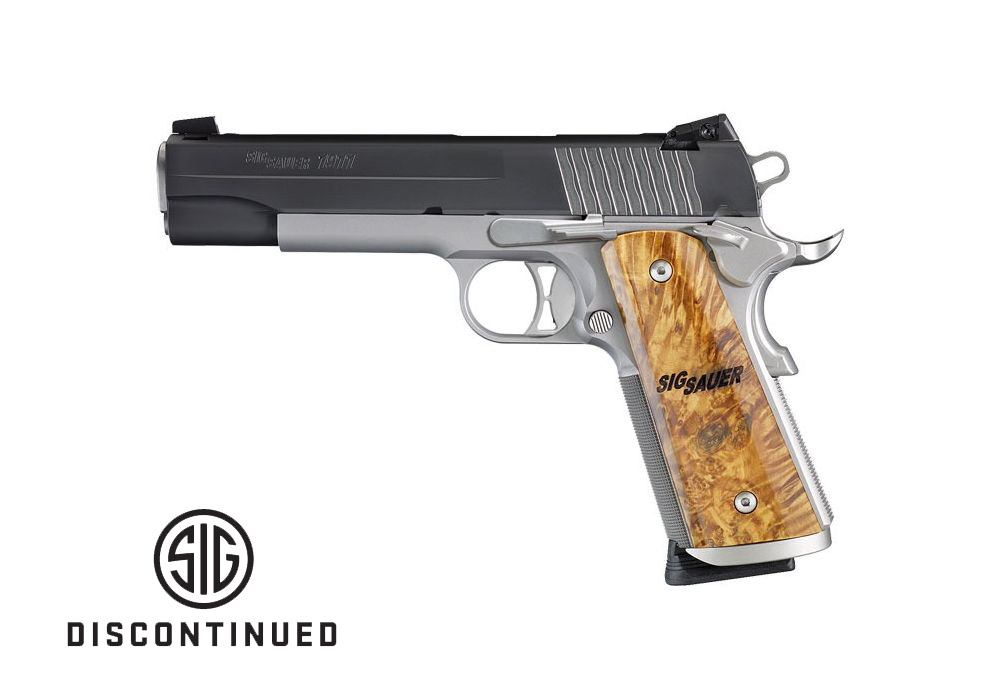
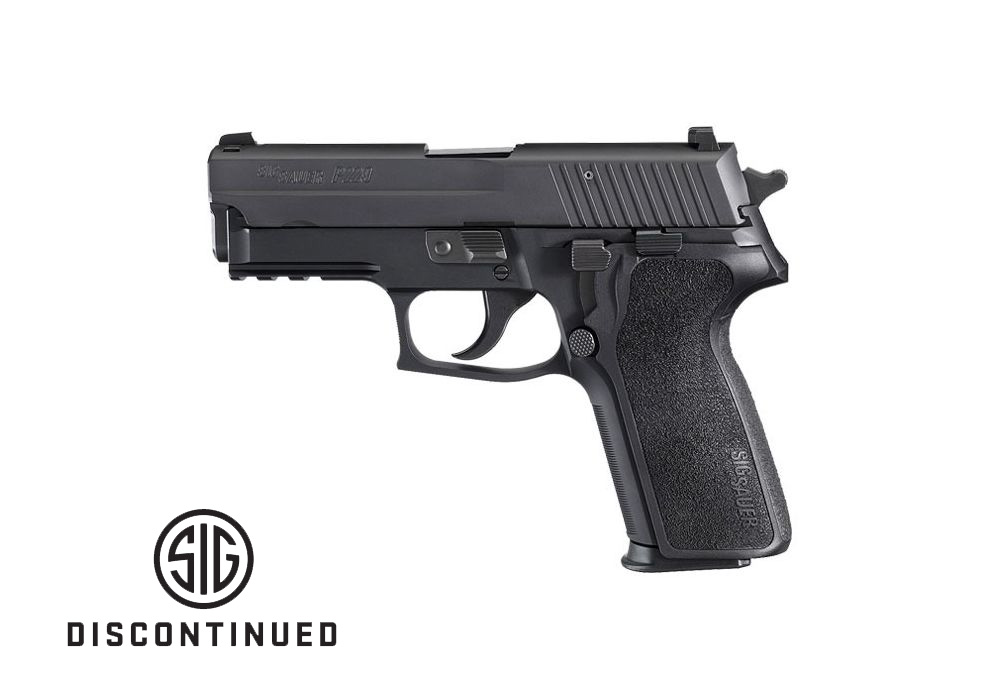
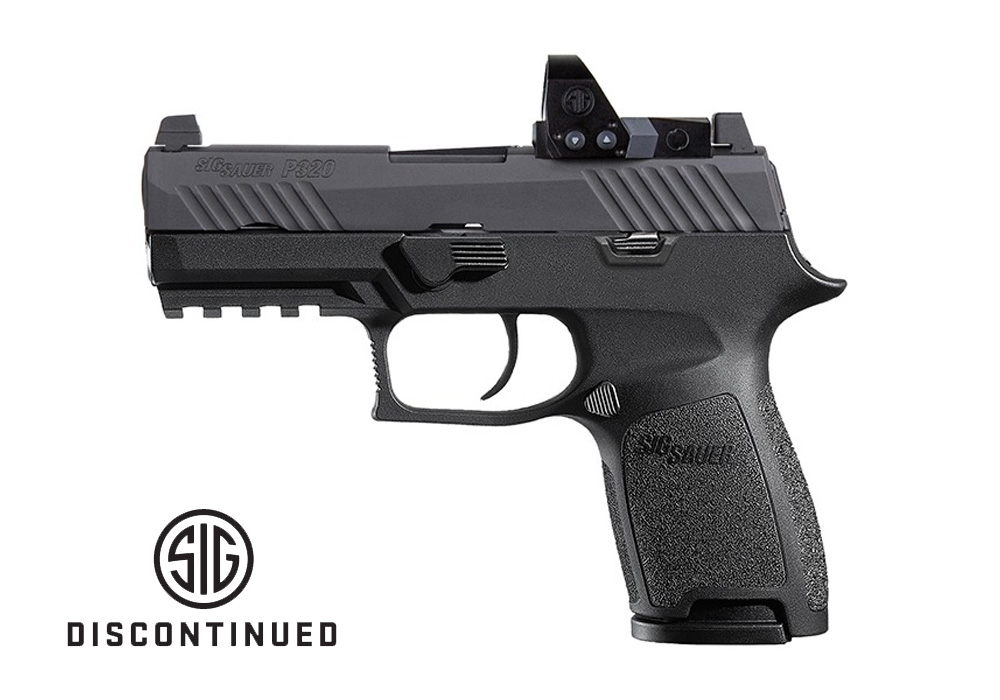
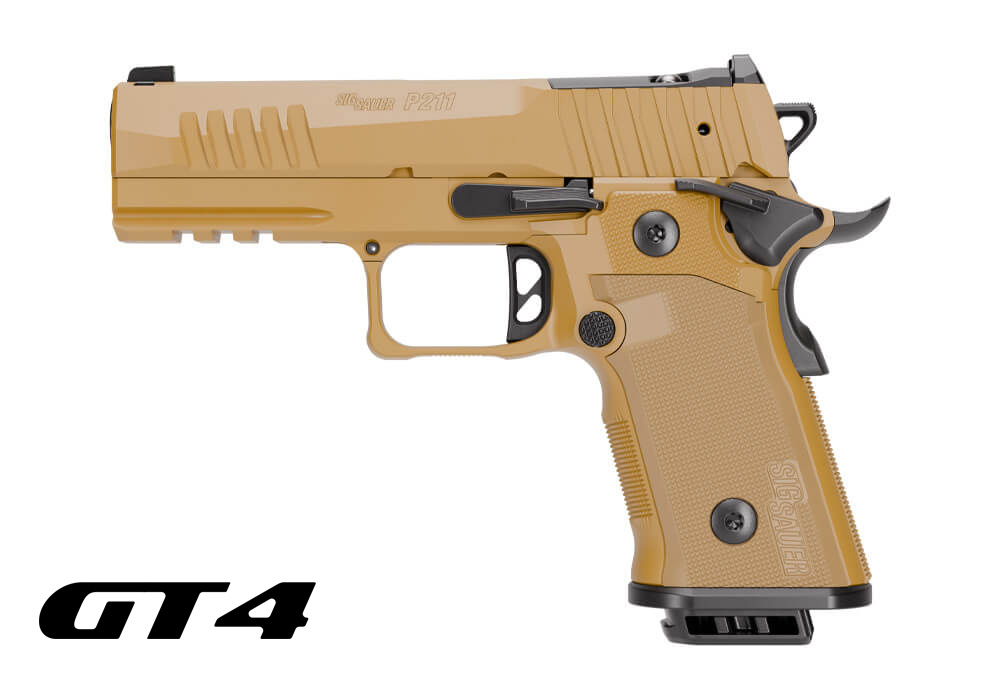
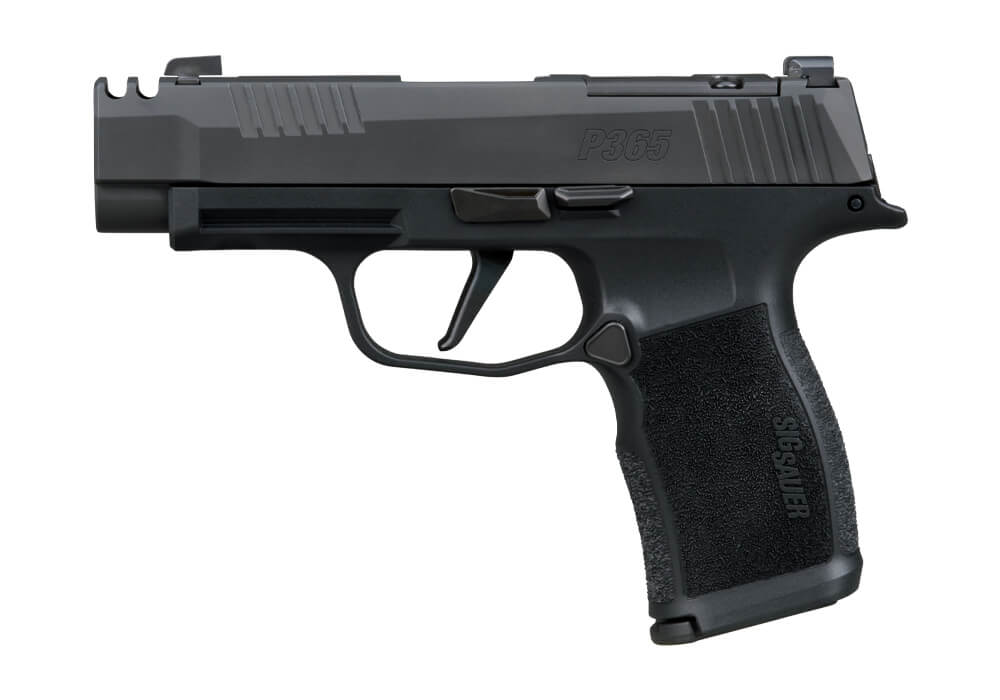
Accurate small handguns bring together a compact profile, dependable controls, and the practical precision many shooters want from a defensive or recreational firearm. Their shorter dimensions can make them easier to carry, store, and handle in confined spaces, while a carefully designed grip, consistent trigger, and clear sight system can support steady shot placement. The most suitable choice depends on how the handgun fits your hand, how naturally you can operate its controls, and how comfortably you can keep the sights aligned through a complete practice session. A small frame should not feel like a compromise in control. When the grip fills the palm without forcing the fingers into an awkward position, the shooter can maintain a more stable hold and manage recoil with less strain. As you compare options, consider the overall width, unloaded weight, barrel length, magazine size, trigger reach, and the position of the magazine release and slide stop. A slimmer profile may be useful for discreet carry, while a slightly fuller grip can offer improved comfort during range work. Standard and extended magazines may provide different balances between concealment, grip length, and reload frequency, so it is worth considering how each configuration feels rather than focusing on dimensions alone. Sight design also deserves close attention. Fixed sights with a bright front reference can help the eye settle quickly, while precision sights may offer a sharper point of aim for deliberate practice. If you are reviewing options for a compact pistol with an emphasis on sight quality, explore Compact Pistols With Precision Sights for a focused selection. During the cooler months, clothing layers can affect how a small handgun rides in a holster, how easily it can be accessed, and whether the grip remains clear of fabric. Holster selection, belt support, and secure storage should be considered alongside the handgun itself, not treated as afterthoughts.
These handguns may suit experienced carriers seeking a compact backup option, recreational shooters who appreciate a lighter setup, or newer owners who want a manageable platform for learning fundamental skills. They can also be considered as a gift for an eligible adult who has expressed a genuine interest in responsible firearm ownership, though the giver should confirm all applicable laws, transfer requirements, and the recipient’s ability to receive and possess the firearm before completing a purchase. For anyone newer to handguns, ease of operation is especially important. A slide that can be grasped securely, controls that are easy to identify by touch, and a trigger that feels predictable can help reduce unnecessary tension during practice. Recoil perception varies from person to person, and a handgun that feels comfortable in one shooter’s hands may feel brisk or difficult in another’s. The best way to evaluate this is through supervised range time with proper instruction. Begin with a firm two-handed grip, a balanced stance, and slow, deliberate shots at a suitable target distance. Watch how the sights return after each shot, whether your hands remain relaxed, and whether the trigger movement causes the muzzle to shift. A short session can reveal more than a specification sheet: the right handgun should feel controllable as the session continues, not only during the first few magazines. Ammunition selection matters as well. Use quality ammunition that matches the firearm’s chambering, and confirm that any defensive load functions reliably through supervised testing before relying on it. Routine cleaning, lubrication, and inspection help preserve consistent operation, while a qualified instructor can identify grip or sight-alignment habits that are difficult to notice alone. New owners should also learn the four universal firearm safety rules, keep the muzzle pointed in a safe direction, keep the trigger finger outside the trigger guard until ready to fire, and treat every firearm as loaded.
Accuracy is influenced by far more than mechanical design. A clear sight picture, a stable grip, a smooth trigger press, appropriate ammunition, and regular practice all work together. Small handguns can be particularly rewarding at the range because they encourage efficient technique; even a minor change in grip pressure or trigger control becomes visible on the target. Use paper targets that show your group clearly, begin at a distance where you can maintain reliable form, and gradually extend the distance as your confidence grows. Keep notes about the ammunition used, sight settings, and any changes in performance so you can identify patterns over time. If the handgun is intended for personal protection, practice from realistic but controlled positions, including the way you would establish a safe grip after retrieving it from its secured storage location. Avoid hurried practice and focus instead on repeatable movements, safe handling, and clear decision-making. Secure storage is essential in every season, particularly in homes where children, visitors, or unauthorized users may be present. A locked container or locking device should prevent access by anyone who is not authorized, while ammunition should be stored in accordance with local requirements and the firearm manufacturer’s guidance. Before purchasing, review state and local regulations covering eligibility, permits, background checks, transport, storage, carry, and transfers. With the right fit, dependable equipment, and ongoing training, an accurate small handgun can provide a practical range companion and a compact option for responsible ownership.