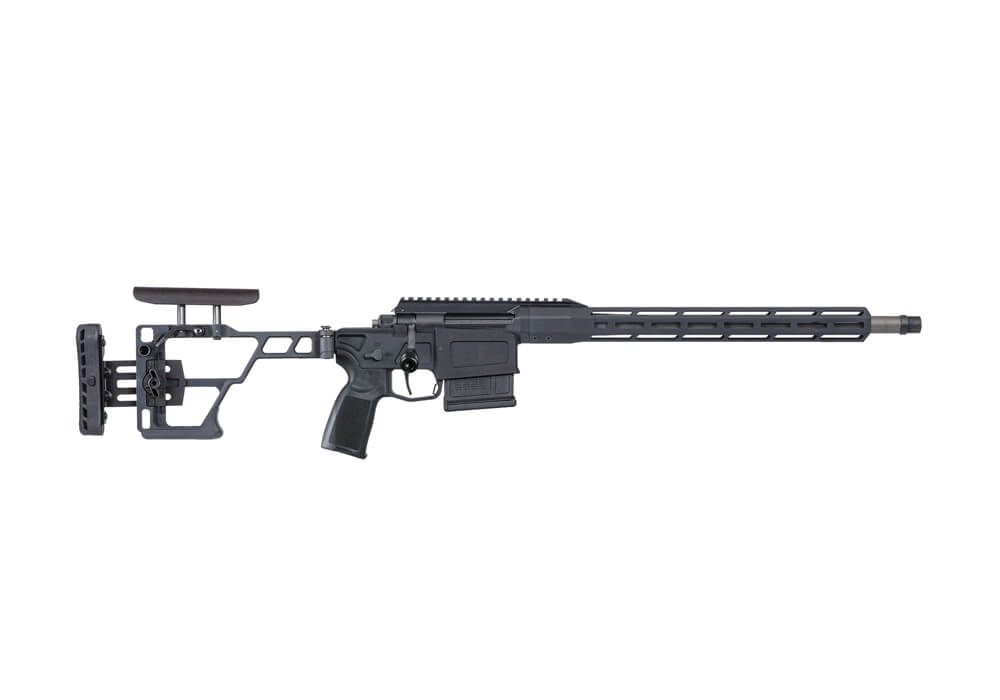
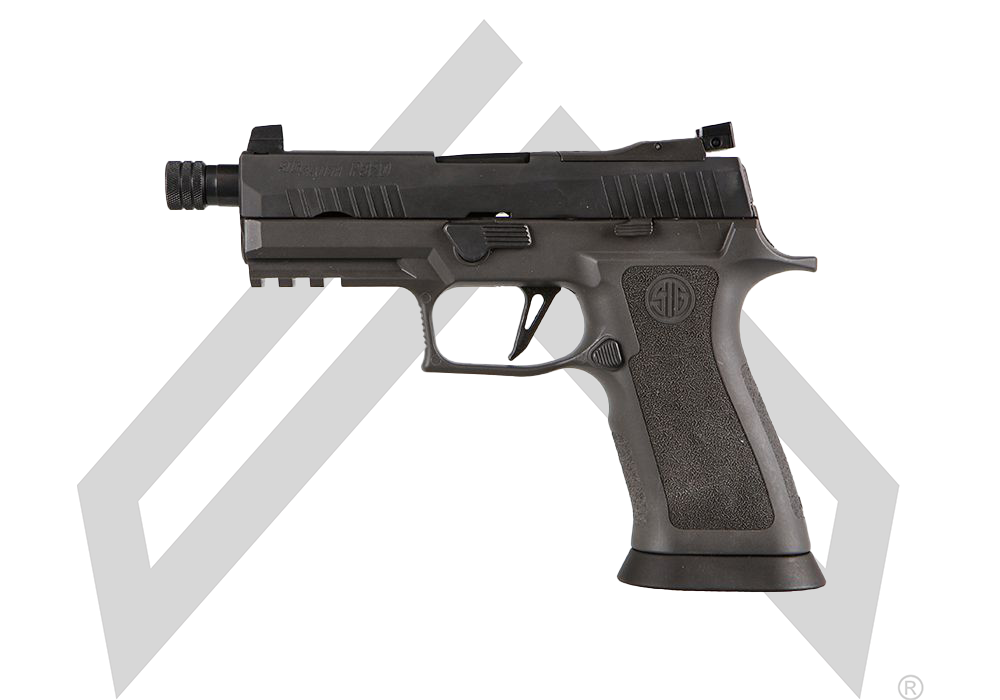
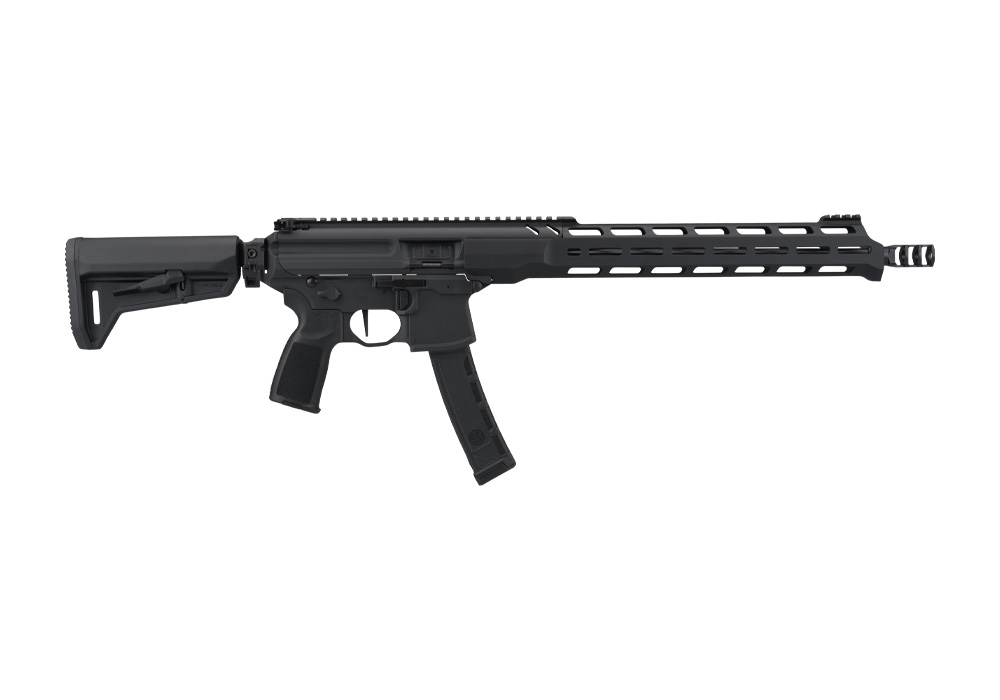
Firearms for military personnel may include civilian-legal versions of familiar service-style platforms, personal-defense pistols, sporting rifles, training ammunition, optics, suppressors, and the supporting equipment that helps keep a firearm protected and ready for responsible use. Active-duty service members, reservists, National Guard members, veterans, and qualified military family members may shop these categories for a variety of reasons: maintaining proficiency away from duty, participating in lawful target shooting or hunting, building a collection around service experience, or selecting a meaningful gift for a retiring service member or veteran. A firearm chosen for personal use should be evaluated as an individual system rather than by appearance alone. Consider the intended purpose, local laws, fit, controls, chambering, barrel configuration, sighting system, standard or extended capacity options, and the availability of compatible magazines and ammunition. A platform that feels natural in the hand and allows the user to reach the controls without shifting grip is often more useful than one selected solely for its resemblance to issued equipment. The same principle applies to rifles: overall length, weight, stock adjustment, sling attachment points, recoil characteristics, and the way the firearm balances when carried or shouldered can make a noticeable difference during a long range session. Personnel familiar with duty weapons may appreciate a similar manual of arms, but civilian firearms can differ in configuration, markings, operating features, and legal limitations. Semi-automatic civilian variants do not provide the select-fire functions of military arms, and regulations may differ by state, municipality, installation, and individual circumstances. Before placing an order, confirm eligibility, complete all required background-check and transfer procedures, and review current federal, state, and local requirements. If the firearm will be transported across state lines, stored in military housing, or used near an installation, check the applicable rules before bringing it onto the property. Familiarity with service procedures is valuable, but it does not replace the need to understand the exact firearm being purchased.
Optics and sighting equipment can help military personnel tailor a firearm to its intended role, whether that means a straightforward setup for range practice, a durable arrangement for field use, or a carefully configured hunting rifle for time outdoors during the cooler months. Choosing an optic involves more than magnification. Eye relief, reticle design, adjustment method, illumination, mounting height, weight, battery life, and resistance to dust, rain, and temperature changes all affect practical performance. A compact sight may suit a fast-handling carbine, while a variable-power optic can offer flexibility for users who move between shorter and longer distances. For a broader selection, explore Military Firearm Optics. Ammunition should be selected to match the firearm’s chambering and the purpose of the session, with training loads, defensive loads, and hunting loads treated as distinct choices rather than interchangeable purchases. It is wise to begin with a modest quantity for function testing and practice before purchasing more, paying attention to reliable feeding, ejection, recoil, and point of impact. Suppressors, where legal, may be considered by customers seeking a more comfortable range experience or reduced muzzle report, but they involve additional regulations, paperwork, waiting periods, and equipment requirements. A suppressor is not a substitute for hearing protection, safe handling, or a suitable backstop. The same practical mindset applies to accessories: a secure sling, properly fitted holster, protective case, chamber flag, cleaning supplies, and eye and ear protection can matter just as much as the firearm itself. These items can also make thoughtful gifts for a service member, especially when the buyer knows the recipient’s preferred chambering, training environment, or storage setup. When those details are uncertain, a durable range bag, quality hearing protection, or a gift card may be more useful than guessing at a magazine pattern or optic mount.
Storage and installation deserve careful attention, particularly for anyone living in military housing or maintaining a privately owned firearm near an installation. Base commanders and local authorities may impose rules for registration, transportation, storage, and possession that are separate from the laws governing the surrounding community. Requirements can include prompt registration with the installation’s designated office, storage in an approved arms room or authorized quarters, locked transport, separate storage of ammunition, and notification before bringing a firearm onto the property. Policies vary by installation and can change, so military personnel should consult the current regulation, provost marshal, security office, housing office, or other official authority responsible for privately owned weapons before purchase or transport. Permission to own a firearm does not automatically authorize carrying it on base, storing it in a vehicle, or taking it into a workplace or duty area. Off-duty carry, when permitted at all, generally requires explicit authorization under local policy and should never be assumed from a state carry permit alone. At home, secure the firearm from unauthorized access, use a locked container appropriate to the household, and consider the needs of children, visitors, roommates, and pets. Transport it unloaded and secured in accordance with applicable law, and keep records of the owner’s manual, serial number, maintenance, and any required registration. A service member returning from a range on a crisp afternoon may think first about wiping away dust and packing equipment for the next drill, but a few extra minutes spent confirming the firearm is unloaded, documenting its condition, and placing it in approved storage can prevent avoidable problems later. Whether selected for practice, recreation, collection, or a milestone gift, every firearm purchase should support safe ownership, lawful use, reliable maintenance, and a clear understanding of the responsibilities that accompany personal possession.