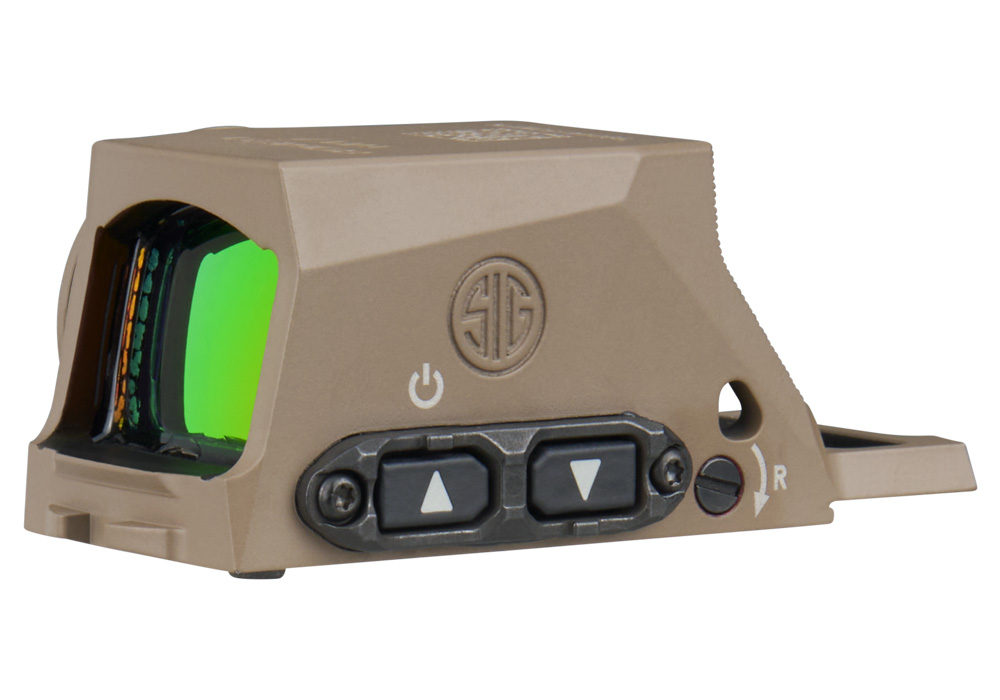
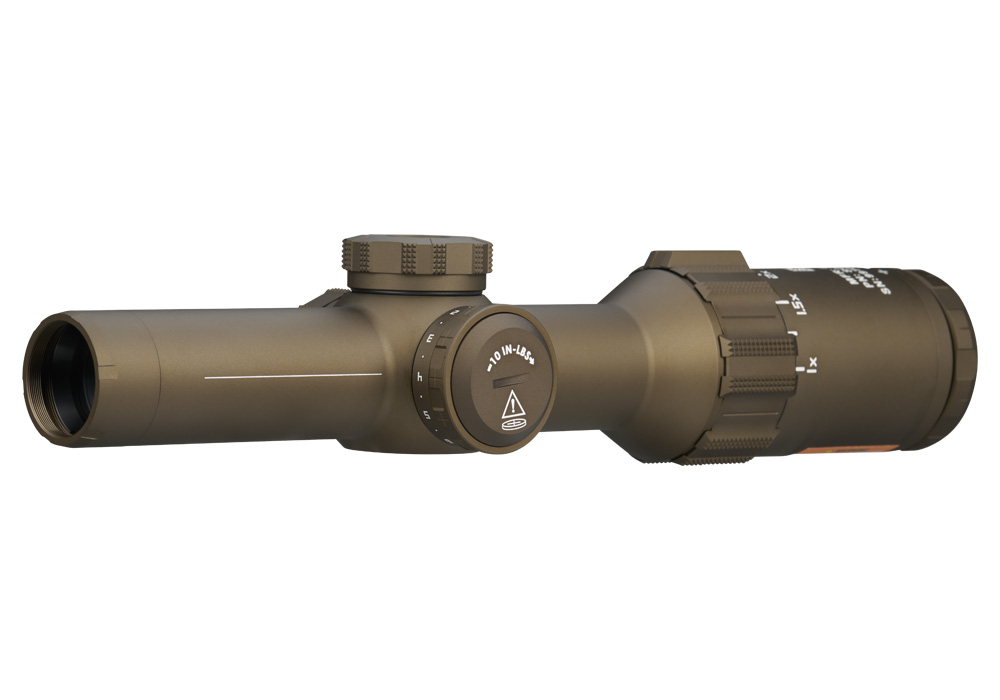
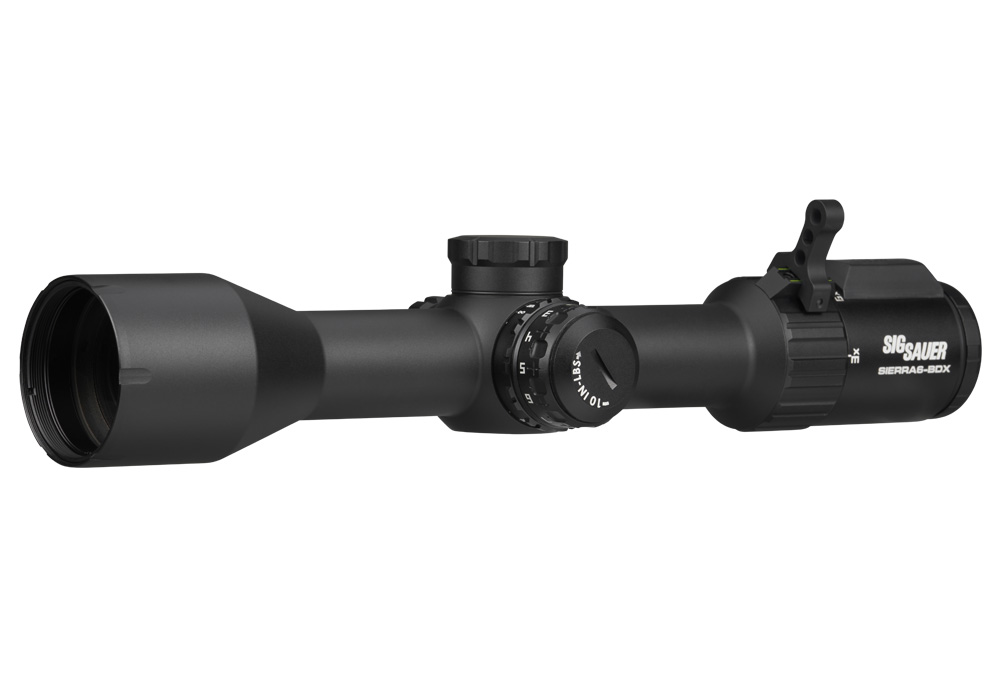
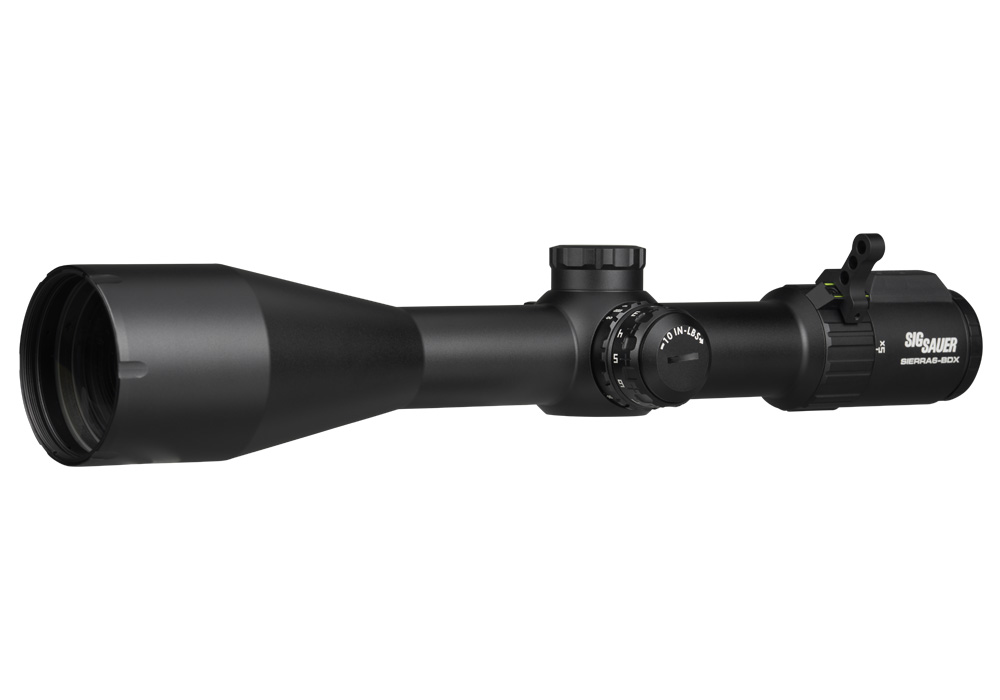
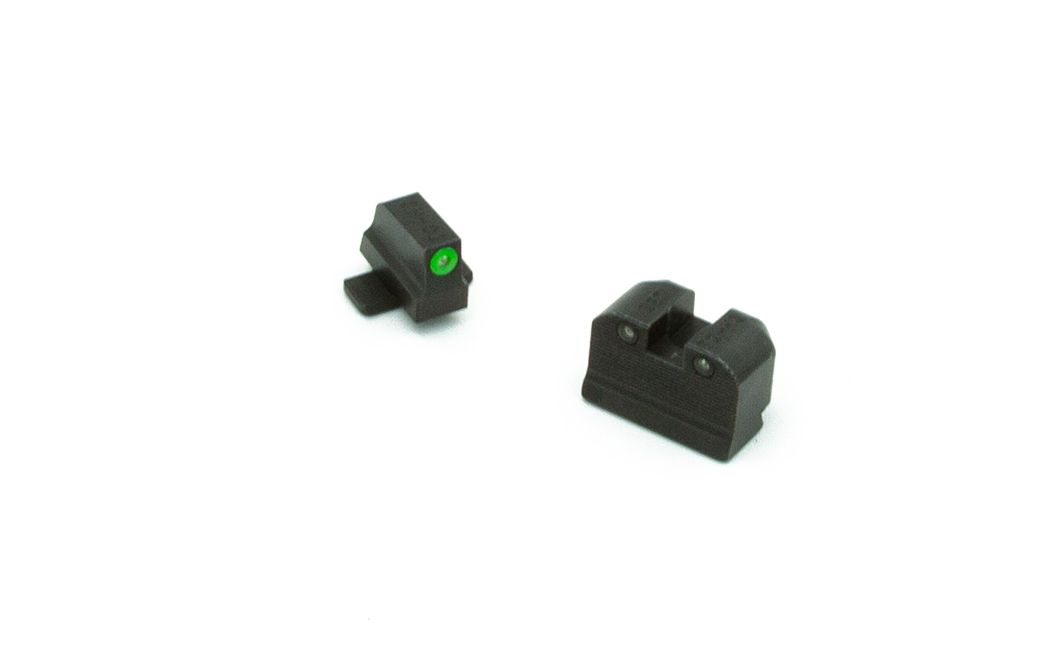
Military firearm optics are purpose-built sighting systems intended to improve target acquisition, aiming consistency, and field awareness in demanding conditions. Unlike basic iron sights, an optic can give the shooter a clearer aiming reference while helping maintain a wider view of the surrounding environment. Military-style configurations commonly include non-magnified red dot sights, holographic weapon sights, fixed-power combat scopes, variable-power scopes, and advanced fire-control optics that combine several functions in one housing. Red dot and holographic sights are often selected for close-range applications because they allow rapid reticle acquisition with both eyes open, making it easier to track movement and maintain awareness around the firearm. Fixed-power combat scopes provide a more detailed sight picture at moderate distances while remaining compact and straightforward to operate. Variable-power optics extend that flexibility by allowing the user to transition between a broad field of view at lower magnification and a more refined sight picture at higher magnification. Some advanced systems may incorporate ranging, ballistic data, or other electronic features, although the right level of technology depends on the firearm, intended use, training, and operating environment. Across these categories, military firearm optics are generally valued for durability, repeatable performance, secure mounting, and visibility in changing light. A well-designed optic should remain useful when the shooter is moving between bright outdoor conditions, shaded terrain, indoor spaces, or the low light found during the cooler months. Reticle design also plays an important role: a simple illuminated dot can support speed and clarity, while a graduated or bullet-drop-compensating reticle may provide additional reference points for users who need more information in the sight picture. Buyers should consider whether the optic will serve a patrol rifle, tactical carbine, shotgun, precision-oriented platform, or a collection built around a military-inspired configuration, since each firearm places different demands on size, weight, eye relief, recoil resistance, and field of view.
Choosing military firearm optics begins with matching the sight to the firearm and the way it will be used. A lightweight carbine carried over long distances may benefit from a compact optic that keeps the rifle balanced and easy to handle, while a designated marksman-style setup may justify additional magnification and a larger objective lens. Shotgun users often prioritize a forgiving sight picture, quick reticle presentation, and a housing that can withstand repeated recoil. For a general-purpose rifle, a low-power variable optic can offer useful versatility, but a non-magnified sight may be the better choice when speed, close-range awareness, and minimal visual obstruction matter most. Durability deserves particular attention. Look for construction intended to withstand impacts, vibration, rain, dust, and temperature changes, along with controls that can be operated while wearing gloves. Battery life is another practical consideration, especially for illuminated reticles and electronic systems. Features such as automatic brightness adjustment, night-vision compatibility, motion activation, and backup illumination can be valuable, but they should support the user’s needs rather than add complexity without a clear purpose. Mounting height, attachment method, and co-witness compatibility also affect how naturally the optic aligns with the shooter’s head position. A quality optic cannot compensate for a loose or poorly matched mount, so users should confirm the firearm’s mounting interface and choose dependable hardware such as Firearm Optics Mounting Kits when completing a setup. After installation, the optic should be checked for secure attachment and properly zeroed according to the firearm, ammunition, and intended distance. Regular inspection is worthwhile after transport or extended storage, particularly when equipment has been exposed to moisture, grit, or hard use. Keeping lenses protected with caps when the firearm is stored, using a soft lens cloth, and avoiding harsh cleaning materials can help preserve clarity without damaging coatings.
Military firearm optics can appeal to service members, law enforcement professionals, competitive shooters, hunters seeking a rugged sighting solution, and responsible firearm owners who prefer a military-inspired configuration. They are also a thoughtful gift for an experienced shooter who has already identified the platform and mounting standard needed for an upgrade, although optics are highly personal and compatibility should be confirmed before purchase. For collectors, the appeal may center on recreating the appearance and functionality of a particular service-era setup, while practical users may focus more heavily on fast acquisition, dependable illumination, or magnification range. The best choice is rarely determined by the most features alone. An optic should feel natural behind the firearm, present a reticle that is easy to see without becoming distracting, and support the distances and lighting conditions the user actually encounters. During periods of bright sun, overcast weather, and early darkness, reticle contrast and brightness control can make a noticeable difference in usability. Weight can become equally important during extended training sessions or field carry, where even a modest increase may affect handling and fatigue. Buyers should also account for lens protection, warranty support, replacement batteries, spare parts, and the availability of compatible mounts or accessories. Whether the goal is a fast close-range sight, a magnified combat optic, or an integrated fire-control system, military firearm optics are best viewed as part of a complete setup that includes the firearm, ammunition, mount, sling, and the shooter’s established training routine. Thoughtful selection brings the sight picture, controls, balance, and intended role together, creating equipment that remains familiar and dependable from the first range session through demanding outdoor use.