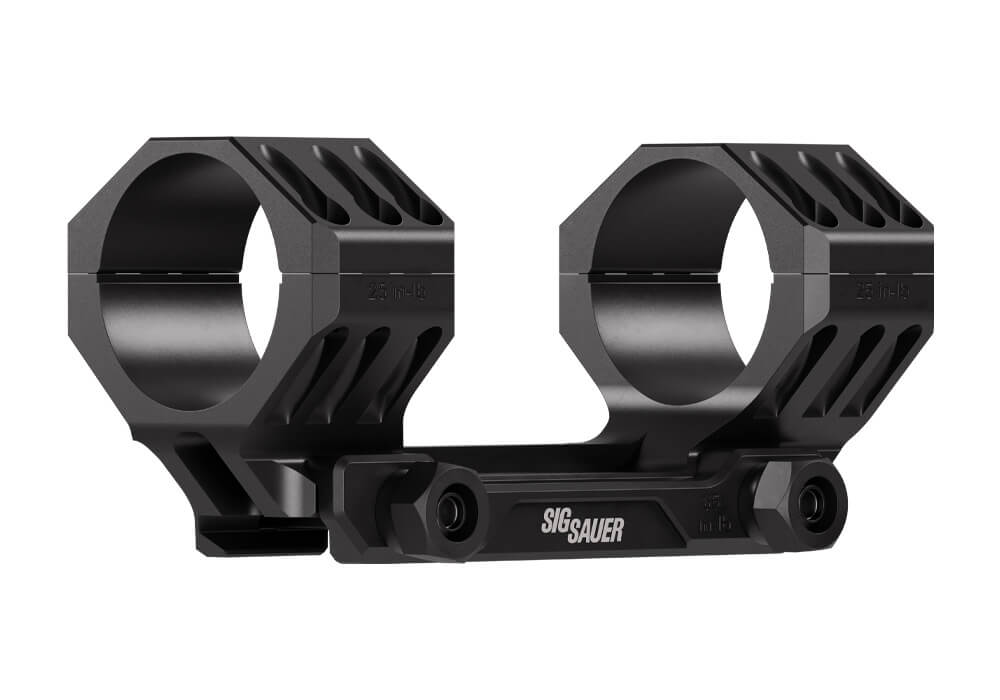
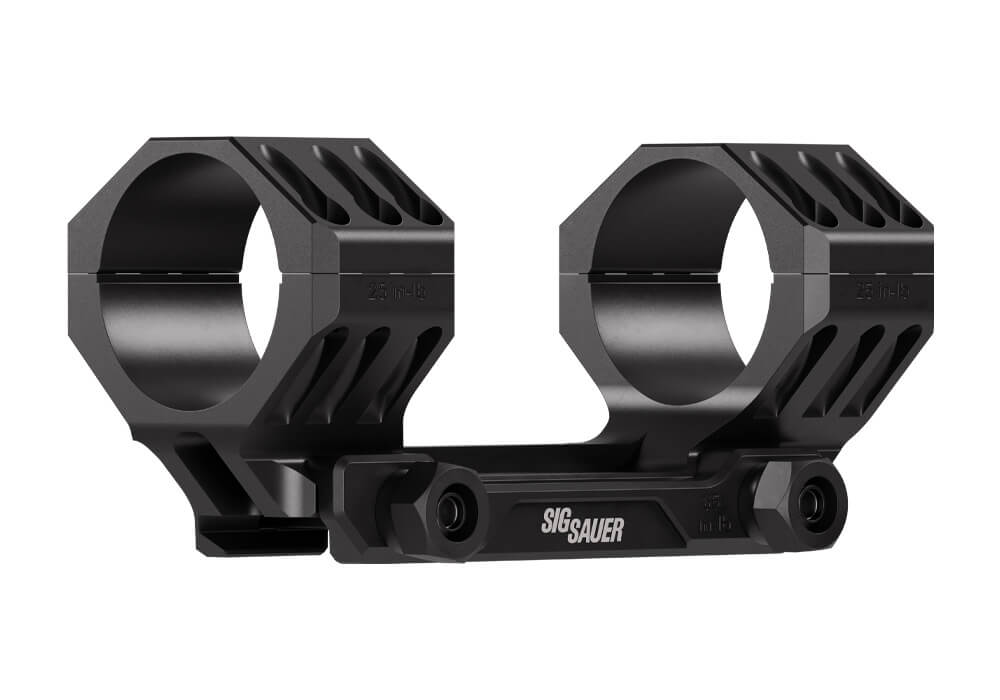
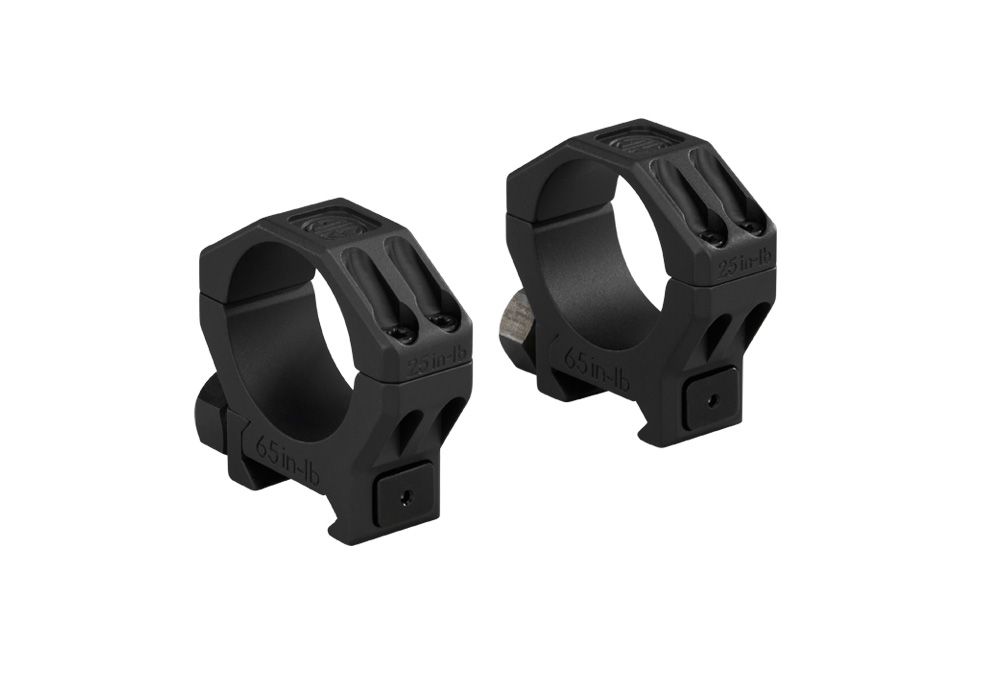
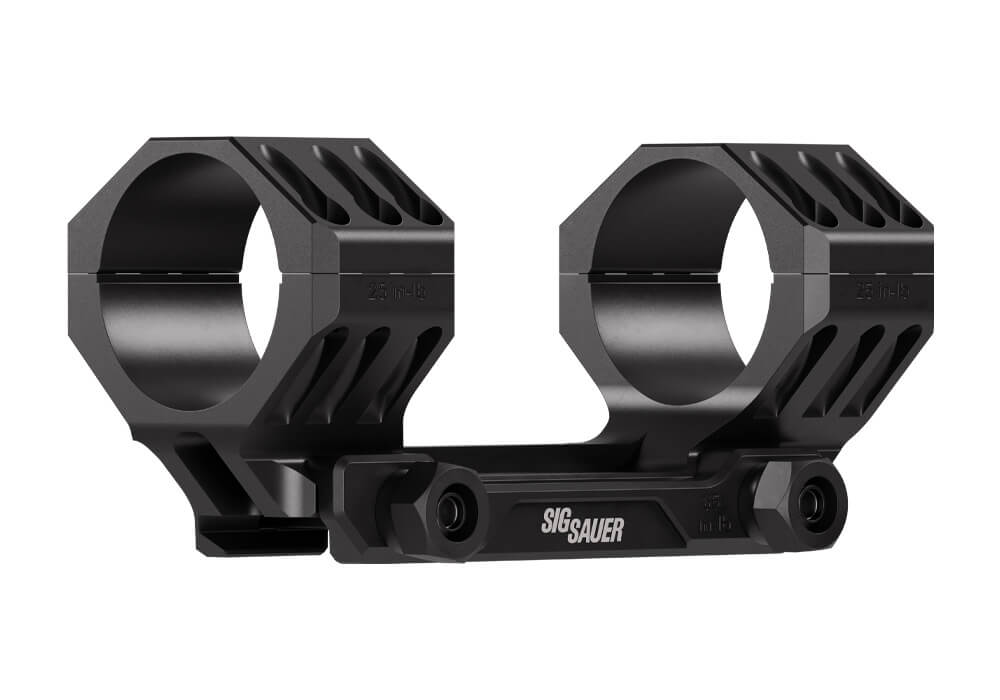
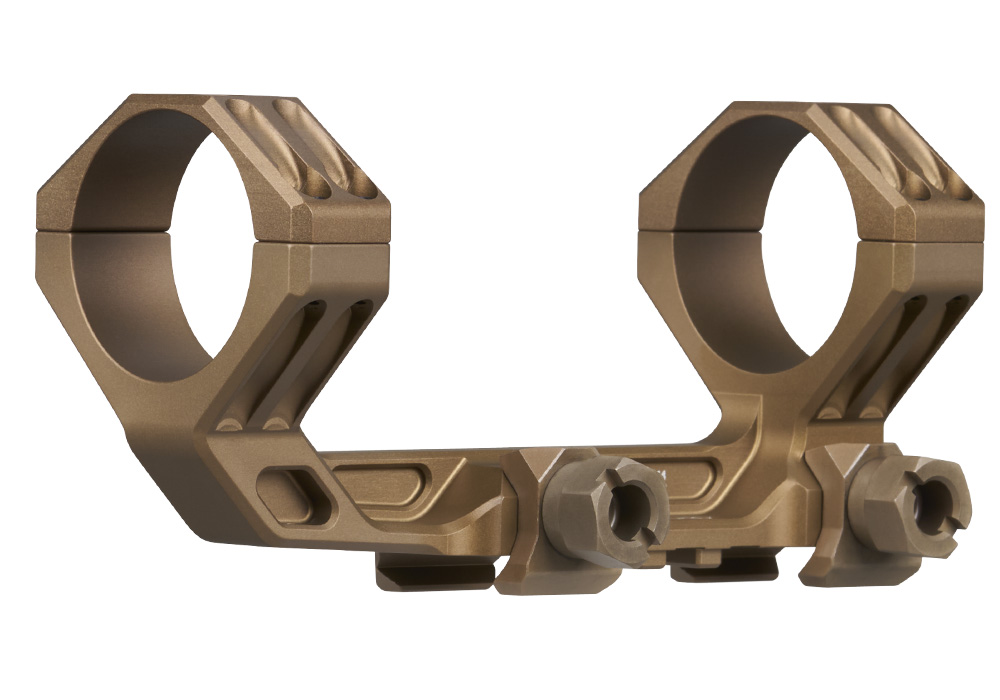
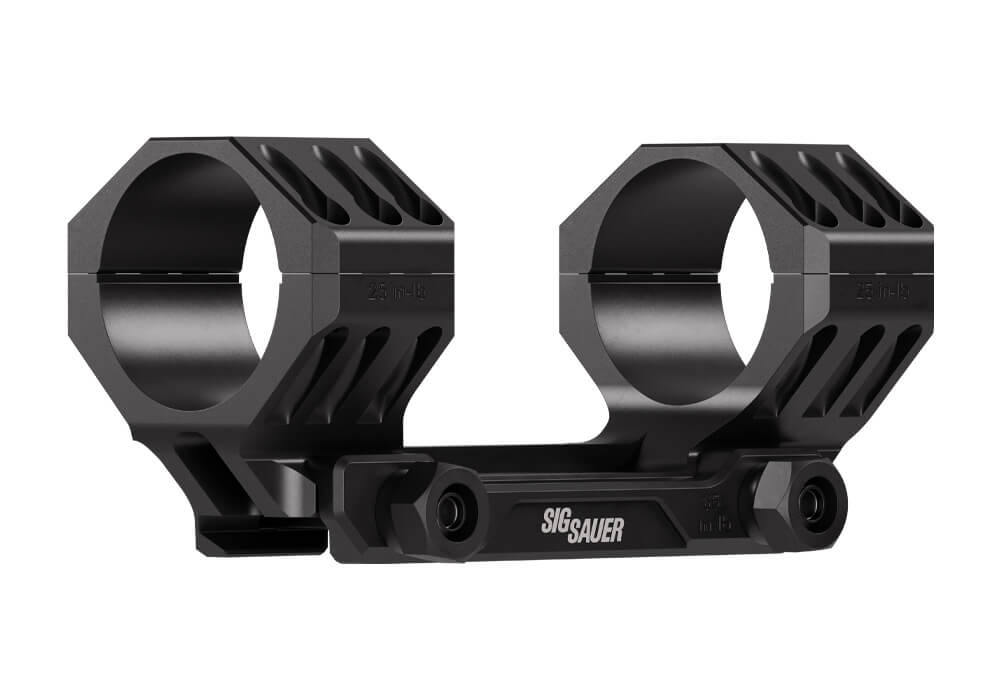
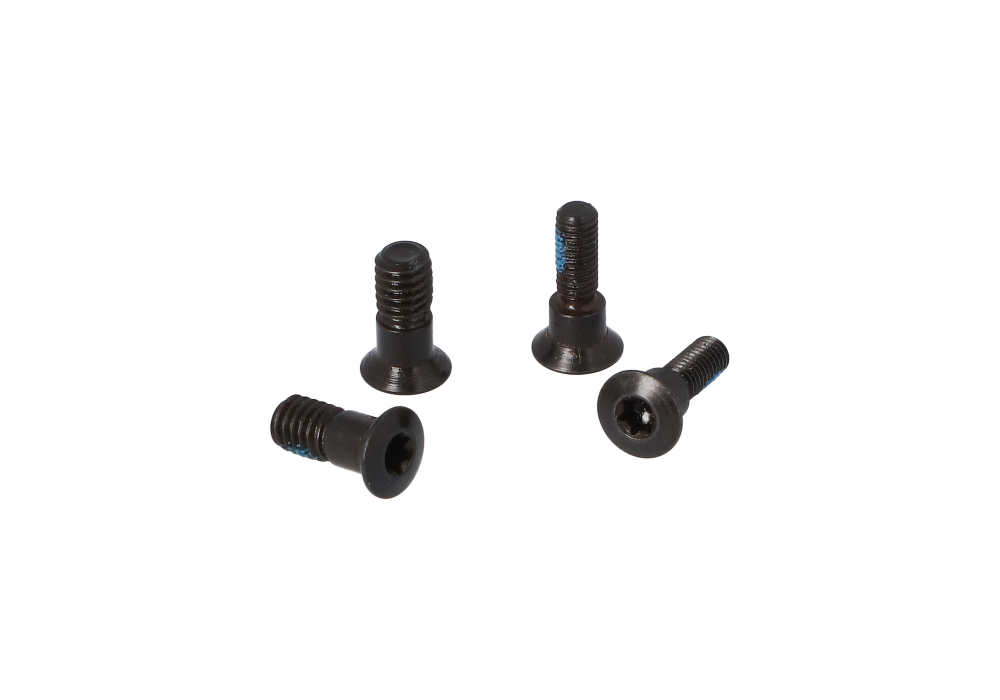
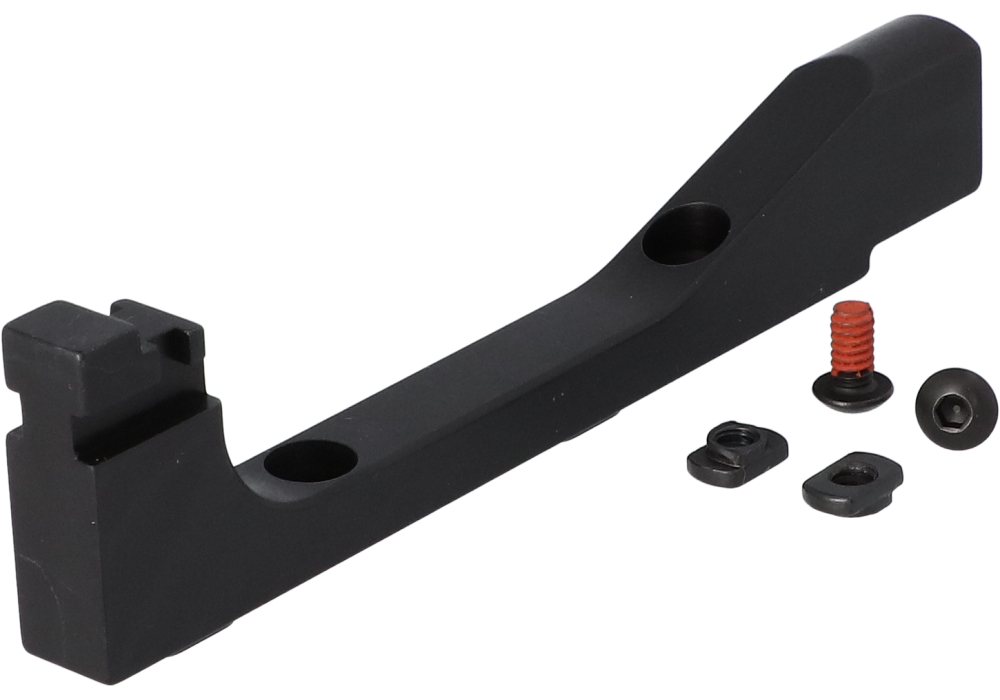
Firearm optics mounting kits provide the connecting components that secure a compatible sight or scope to a firearm. Depending on the application, a kit may include mounting plates, bases, scope rings, screws, spacers, or tools intended for the specified hardware. The important distinction is compatibility: an optic, its mount, and the firearm’s mounting interface must work together as a system. Similar-looking plates can have different screw locations, thread specifications, or locating features, while scope rings must match the scope tube diameter and suit the mounting surface. A kit intended for a handgun-mounted red dot serves a different purpose from a ring-and-base arrangement for a rifle scope, even though both establish the connection between the sight and the firearm. Understanding those differences helps narrow the selection without treating every mounting kit as interchangeable. An optics-ready firearm also does not necessarily accept every optic directly; some combinations require a compatible adapter plate or other specified components. Kit contents deserve equal attention because the word “kit” can describe anything from a small hardware package to a more comprehensive mounting assembly. Included tools, fasteners, and accessories vary, so the component list matters more than the label alone. Matching the exact firearm configuration and optic specifications helps distinguish a suitable mounting solution from one that merely looks similar in a photograph. For shoppers comparing complete mounting kits with individual bases, plates, or rings, the broader Firearm Sight Mounts category offers related mounting options to consider alongside the hardware a particular setup requires. The goal is a compatible connection with the appropriate geometry and supporting components, rather than a collection of parts that need unverified substitutions. Manufacturer documentation is especially useful when two mounting systems share a general appearance but differ in the details that determine fit. A clearly identified application and a well-defined component list provide a stronger basis for comparison than appearance, finish color, or the number of pieces in the package.
Materials and construction influence how a firearm optics mounting kit handles repeated use, routine handling, and the stresses associated with firing. Aluminum alloys are common where reduced weight is a priority, while steel components can offer strength and wear resistance in applications that call for those characteristics. Neither material alone establishes the quality of a mounting system. The specific alloy, machining, surface treatment, hardware quality, and overall design all contribute to performance. Cleanly machined contact surfaces and correctly specified fasteners matter because a mount depends on consistent engagement between its components. Protective finishes can help resist corrosion and surface wear, but they do not eliminate the need for care, and cosmetic similarity does not establish equivalent durability. Mount dimensions also affect how an optic fits within the firearm’s overall layout. With a telescopic sight, ring height and mounting geometry influence clearance and the sight’s relationship to the shooter’s normal viewing position. With a handgun optic, plate thickness and sight placement can affect the relationship between the optic and existing iron sights. These are compatibility considerations rather than universal preferences; the lowest, lightest, or most substantial mount is not automatically the right choice for every application. Clearance around adjacent components, access to controls, and compatibility with the optic’s service requirements can also shape the selection. A mounting arrangement that suits one firearm configuration may not suit another version with different dimensions or features. Hardware should correspond to the specified application, including screw length and thread type, rather than simply fitting into an opening. Manufacturer instructions and qualified gunsmith support are valuable where fit or installation requirements are uncertain. Properly matched components support dependable use, but no mounting kit can compensate for incompatible interfaces, damaged mounting surfaces, or hardware outside the relevant specifications. Thoughtful selection therefore balances material, dimensions, finish, and intended application instead of relying on a single feature or a broad claim of universal fit. That balance is especially important when comparing compact assemblies with larger mounting systems that serve different purposes.
The intended use of the firearm provides useful context when comparing optics mounting kits. Someone setting up a rifle for recreational target shooting may value a straightforward mounting arrangement that suits a comfortable, repeatable viewing position. A participant in organized shooting sports may place greater emphasis on how the mount fits within a particular equipment configuration and the applicable event rules. A hunter may prioritize a secure, manageable setup that remains practical to carry, while a handgun owner attending supervised training may need mounting hardware compatible with both the selected optic and the firearm’s configuration. Across these uses, the mount is a supporting component whose suitability depends on the complete setup, not an isolated accessory choice. Routine care helps preserve that relationship. Exposed surfaces can collect dust, residue, and fingerprints, and cleaning products suitable for one component may not suit every coating or nearby optic surface. Care should follow the relevant manufacturer recommendations, with attention to visible wear, corrosion, damaged hardware, or changes that warrant professional evaluation. A mount that has been removed, transferred between firearms, or subjected to significant impact deserves assessment rather than an assumption that its previous fit remains unchanged. Keeping the original documentation and clearly identifying compatible hardware can also simplify future service and reduce confusion between similar-looking components. For a gift recipient, an optics mounting kit is most useful when the exact firearm configuration, optic interface, and intended application are already known. Without those details, even a carefully chosen kit may not fit the recipient’s equipment. Experienced owners, newer shooters working with an instructor, and enthusiasts organizing a dedicated range setup can all benefit from mounting components selected around documented compatibility. The lasting value lies in the details: appropriate materials, sound construction, correctly matched hardware, sensible care requirements, and a mounting arrangement suited to the firearm and optic. Together, those considerations help turn a broad category of plates, rings, bases, and accessories into a purposeful, coherent setup.