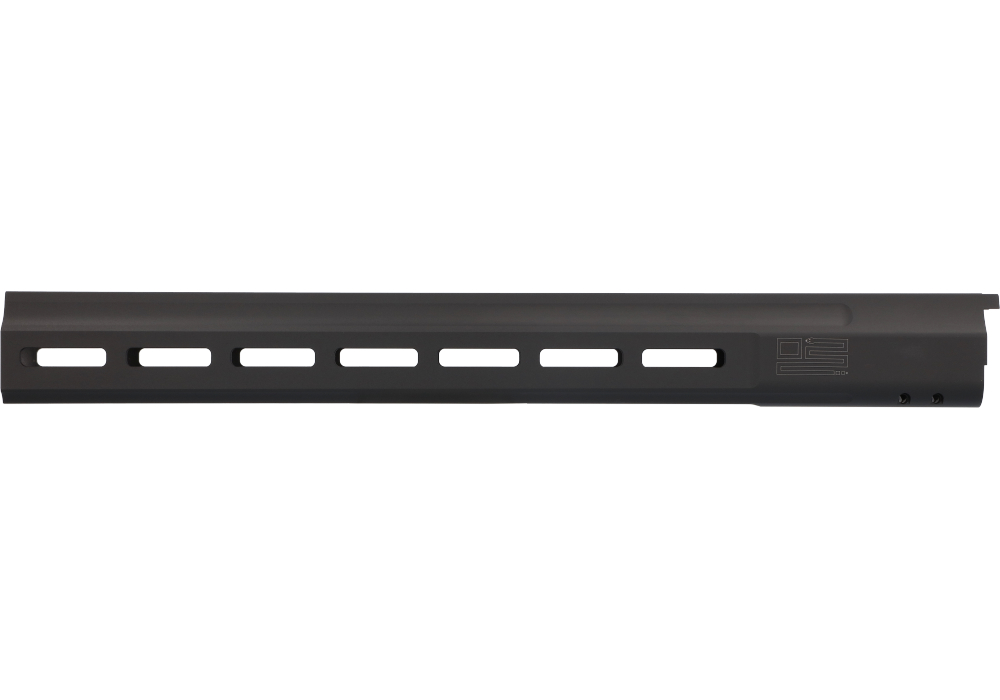
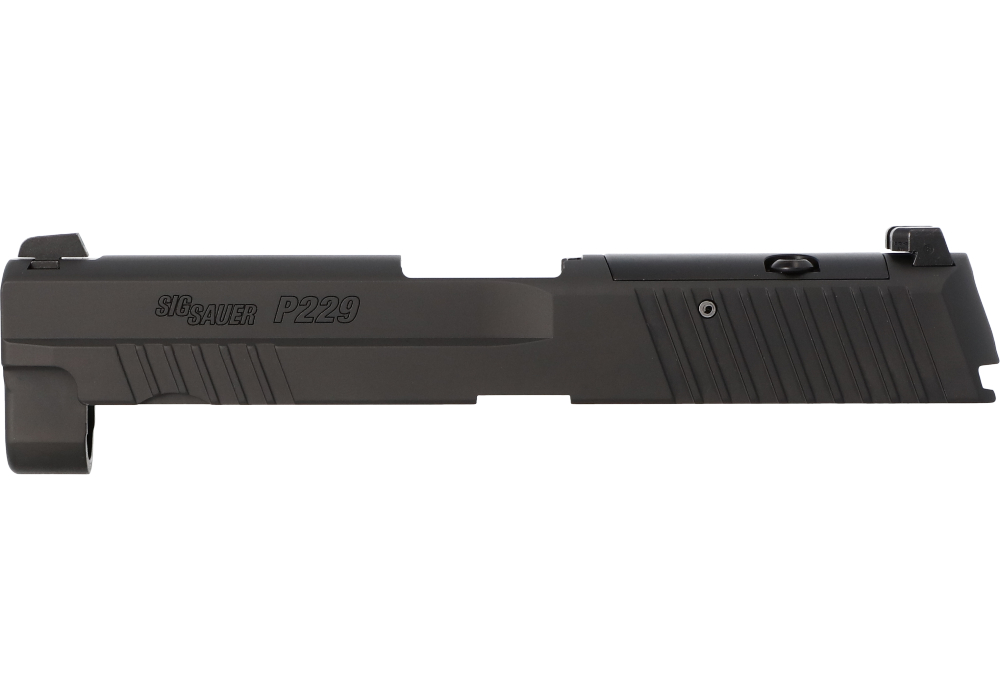
Firearm sight mounts provide the essential connection between a firearm and the optic or sighting system selected for it. A properly matched mount helps keep a scope, red dot, reflex sight, or auxiliary iron sight secure through recoil, handling, and repeated use, while also placing the sight at a practical height and position. The right choice begins with the firearm itself: a mounting solution for a rifle’s tactical rail may not fit a shotgun rib, and a handgun adapter plate must correspond with the pistol’s slide cut or rear-sight dovetail. Picatinny rails use a standardized slot-and-recoil-lug design and are often selected for their broad compatibility, while Weaver-style rails may have narrower slots and different spacing that can limit which accessories fit. Handgun dovetail plates offer a way to add a compatible red dot to certain pistols without permanently modifying the slide, although the correct plate must match both the firearm’s sight cut and the optic’s mounting footprint. Ring mounts and one-piece cantilever mounts are commonly used with traditional cylindrical rifle scopes, with cantilever designs extending the optic forward to help achieve proper eye relief on modern sporting rifles. Offset mounts, often positioned at an angle alongside a primary optic, can provide a convenient secondary sighting option without removing the main scope. Across these categories, materials such as aluminum and steel offer different balances of weight, strength, and durability, and the design should be appropriate for the firearm’s recoil and intended use. A mount can be a practical addition for a hunter refining a familiar rifle, a recreational shooter setting up a range firearm, or a new firearm owner receiving an optic as a thoughtful gift. It may also be useful for someone updating an older setup, changing from a scope to a red dot, or configuring a firearm for a more heads-up shooting posture. During the warmer months and into cooler outdoor seasons, a secure, correctly positioned sight mount can make transport, practice, and sight alignment more consistent from one session to the next.
Compatibility deserves careful attention before any purchase. Start by identifying the exact firearm model, receiver or slide configuration, existing rail system, and intended optic. Red dot sights are not built around one universal interface; their footprints vary, and the mount or adapter must match the optic’s screw pattern, recoil lugs, and contact surfaces. For a rifle scope, confirm the tube diameter, ring height, rail type, and available adjustment range. Ring height affects more than appearance: a lower setup may support a familiar cheek weld and minimize the sight’s height-over-bore offset, while a taller mount can provide additional clearance for a larger objective lens, a folding front sight, or a more upright shooting position. Cantilever mounts can help place an optic at the correct distance from the eye, but the forward extension should still leave adequate room for charging handles, backup sights, and other controls. On a shotgun, the rib dimensions and mounting method are especially important, since a rib adapter is not interchangeable with a receiver rail. Offset mounts should be checked for clearance around the primary optic, ejection path, safety controls, and stock or chassis. Rail accessories also benefit from a close look at slot spacing and recoil engagement; a mount that appears similar may not lock into the rail correctly. For a broader selection of compatible hardware, explore Firearm Optics Mounting Kits, then compare the specifications supplied for the firearm, mount, and optic rather than relying on a general appearance match. Before installation, verify that the firearm is unloaded, remove the magazine, inspect the chamber, and follow the firearm and optic manufacturers’ instructions. A clean mounting surface is important because oil, residue, or protective manufacturing film can keep hardware from seating evenly. Wiping contact surfaces and fasteners with an appropriate solvent, then allowing them to dry fully, helps create a more reliable connection. Medium-strength thread locker may be recommended for some fasteners, but it should only be used when permitted by the manufacturer and should never replace correct torque. Permanent compounds can make future service difficult and may damage small optic screws or mounting components.
Installation quality has a direct effect on how well a sighting system holds its position. Use the supplied screws or the exact replacement length specified for the mount, since screws that are too long can interfere with internal components and screws that are too short may not provide adequate engagement. A calibrated inch-pound torque wrench is preferred over guesswork; tighten fasteners gradually and evenly in a crisscross pattern when the design calls for it, following the manufacturer’s torque values rather than applying a generic setting. Over-tightening can strip threads, distort an optic housing, or damage a small screw, while under-tightening may allow movement during recoil. After the mount is installed, confirm that the optic sits squarely, that the reticle or sight picture is unobstructed, and that controls remain accessible. If the setup includes a scope, check eye relief from a normal shooting position before final tightening. Once mounted, sight in at an appropriate range and recheck the fasteners after the first shooting session, particularly if the firearm has substantial recoil or the mount was installed on a new setup. Periodic inspection is useful after transport, hard use, or extended storage; look for shifting, damaged screw heads, unusual marks around the contact points, or a change in zero. A compact red dot mount may be ideal for a handgun carried to the range, while a sturdy ring or cantilever mount may better suit a scoped rifle used for field practice. The best selection is the one that fits the firearm and optic precisely, supports a natural shooting position, preserves access to the controls, and matches the demands of the intended activity. With the right mount and careful installation, an optic can become a more integrated part of the firearm rather than an awkward add-on, giving the owner a setup that feels familiar in the hands and dependable through changing conditions.