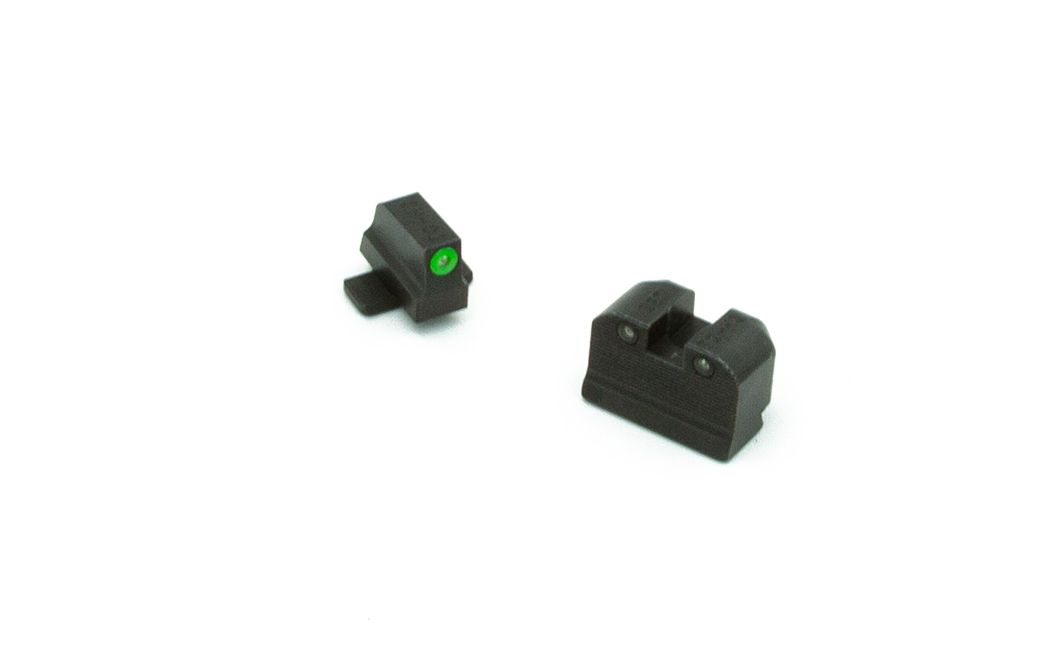
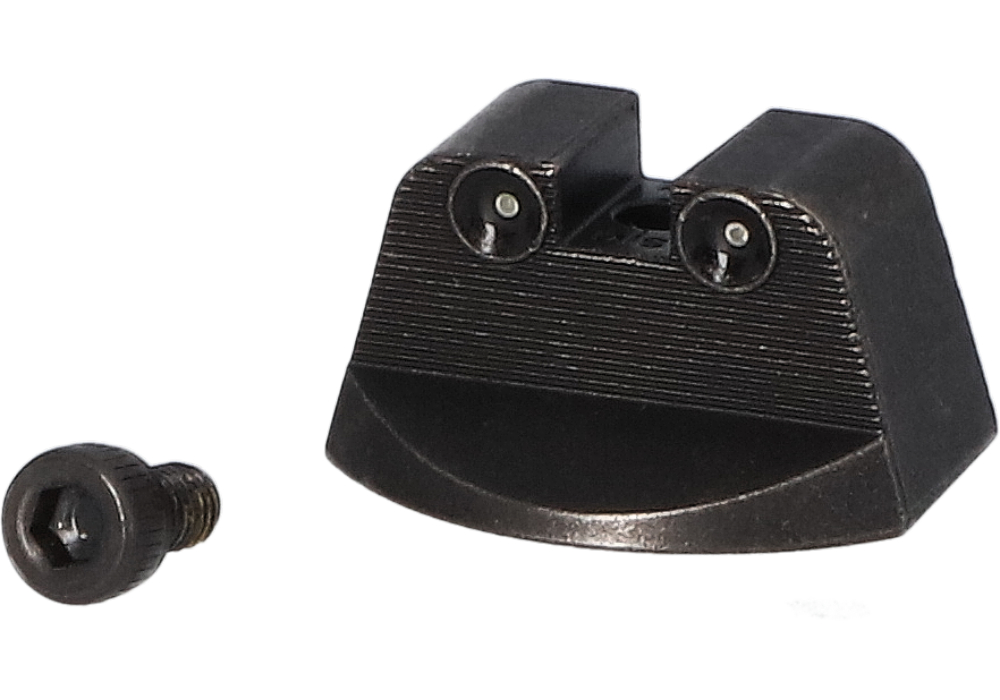
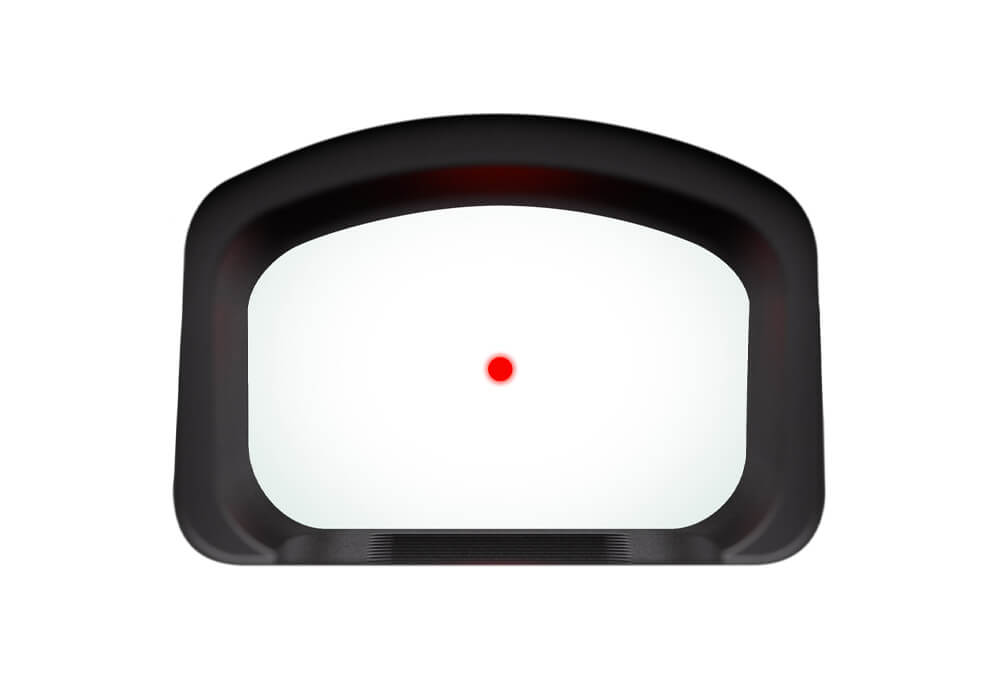
Firearm sight parts are the small, purpose-built components that help a shooter establish a consistent sight picture and keep an aiming system properly secured. This category may include front sights, rear sights, sight blades, posts, beads, apertures, fiber optic rods, tritium inserts, adjustment screws, detents, pins, set screws, springs, and related mounting hardware. A front sight is positioned toward the muzzle end of the barrel, while a rear sight sits closer to the shooter; together, they provide the reference points used to align the firearm with the intended point of aim. Some shooters choose replacement parts to restore a worn or damaged sight, while others select upgraded components to suit changing conditions, preferences, or shooting disciplines. Fiber optic rods gather available daylight and present a bright aiming reference, making them useful for range sessions, field use, and other well-lit environments. Tritium inserts are self-luminous components designed to remain visible in low-light settings without requiring an external power source, although their appearance and visibility can vary with surrounding conditions. Adjustable sights may use windage and elevation screws to refine point-of-impact settings, while fixed sights rely on their installed position and a consistent sight picture. Because these parts are small and often specific to a particular firearm, fit should be confirmed by reviewing the manufacturer’s specifications, sight cut, mounting pattern, dimensions, and compatibility notes before ordering. A replacement component that appears similar may not share the same dovetail profile, screw spacing, height, or retention method, and even a minor difference can affect installation or zero.
Choosing firearm sight parts begins with identifying the firearm, its existing sight configuration, and the intended use. A shooter who spends cooler months at an outdoor range may value a crisp, easy-to-reference sight picture that remains familiar through repeated practice, while someone who trains in changing light may focus on contrast and visibility across a broader range of conditions. Front and rear sight combinations should be considered together, since the height and shape of one can influence alignment with the other. A narrow front post may offer a precise reference, while a wider blade or bright insert can be easier to acquire quickly. Rear sight options can include notches, apertures, or other profiles, each providing a different visual relationship between the front reference and the target. For firearms with adjustable sights, replacement screws, detents, and springs can be important when restoring dependable adjustment or replacing parts affected by wear. Set screws and pins help secure sight bodies in place, but they must be correctly sized and properly seated to prevent movement during normal handling and recoil. Dovetail-mounted sights deserve particular attention: many slide into a tapered groove and may require a dedicated sight-pusher tool or carefully selected gunsmithing equipment rather than improvised force. A brass or polymer punch can help protect finished surfaces in some installations, but the correct method depends on the firearm and sight design. When a component uses threaded hardware, only a small amount of removable thread locker may be appropriate, and it should be applied only where permitted by the manufacturer’s instructions. Over-tightening, excess compound, or using permanent adhesive can complicate future service and may damage delicate threads. Anyone unfamiliar with sight installation should consider having the work completed by a qualified gunsmith, followed by a careful function check and confirmation of zero at a safe, authorized range.
Firearm sight parts can be useful for new firearm owners, experienced range users, hunters, competitive shooters, instructors, and anyone maintaining a training or duty setup. They may also be a practical gift for a responsible adult who already owns a compatible firearm and has expressed an interest in improving visibility, replacing worn hardware, or keeping essential spares on hand. For a gift, compatibility is especially important; the firearm’s make, model, generation, caliber designation where relevant, existing sight cut, and mounting arrangement should be known before selecting a component. A gift card or carefully verified replacement part can be more useful than choosing solely by appearance. Shooters who practice regularly often appreciate keeping small replacement items organized with their cleaning and maintenance supplies, particularly because screws, pins, detents, and fiber optic rods can be easy to misplace during service. Before installation or adjustment, unload the firearm completely, remove all ammunition from the work area, and follow the owner’s manual and applicable laws. After any sight change, confirm that the sight is secure and establish zero with a deliberate process at a safe range; a firearm that has been transported, dropped, or serviced should also be inspected before use. Sight accessories and compatible mounting solutions can be explored alongside Firearm Sight Mounts, helping shoppers compare the parts needed for a stable, properly fitted aiming system. With the right specifications and careful installation, replacement sight components can refresh a familiar firearm, support consistent practice as daylight changes through the seasons, and help preserve the clear, repeatable sight picture that makes each session more productive.