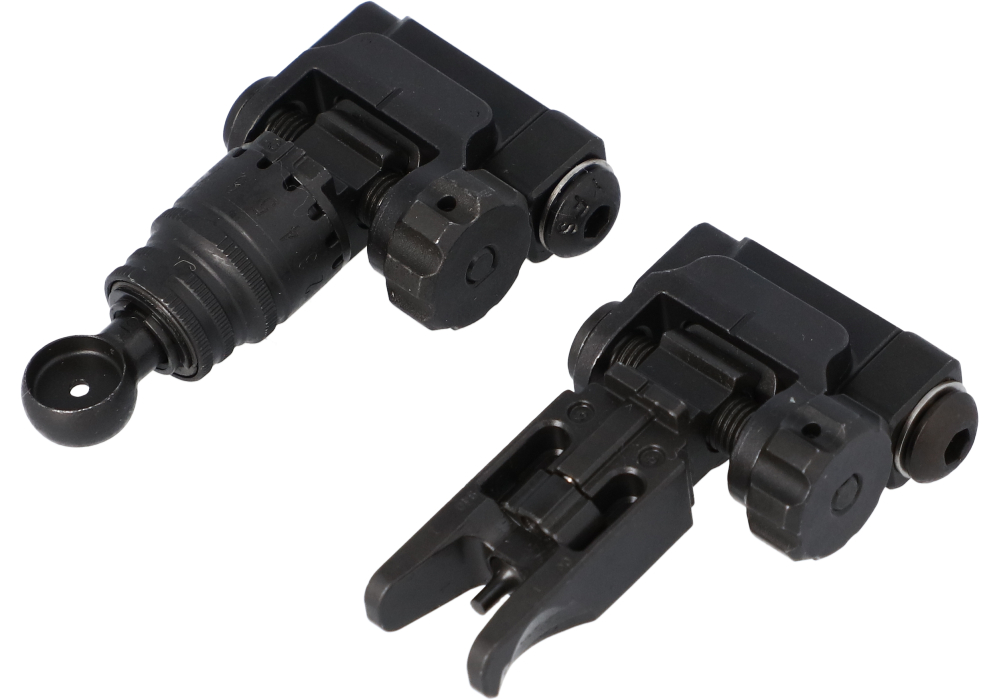
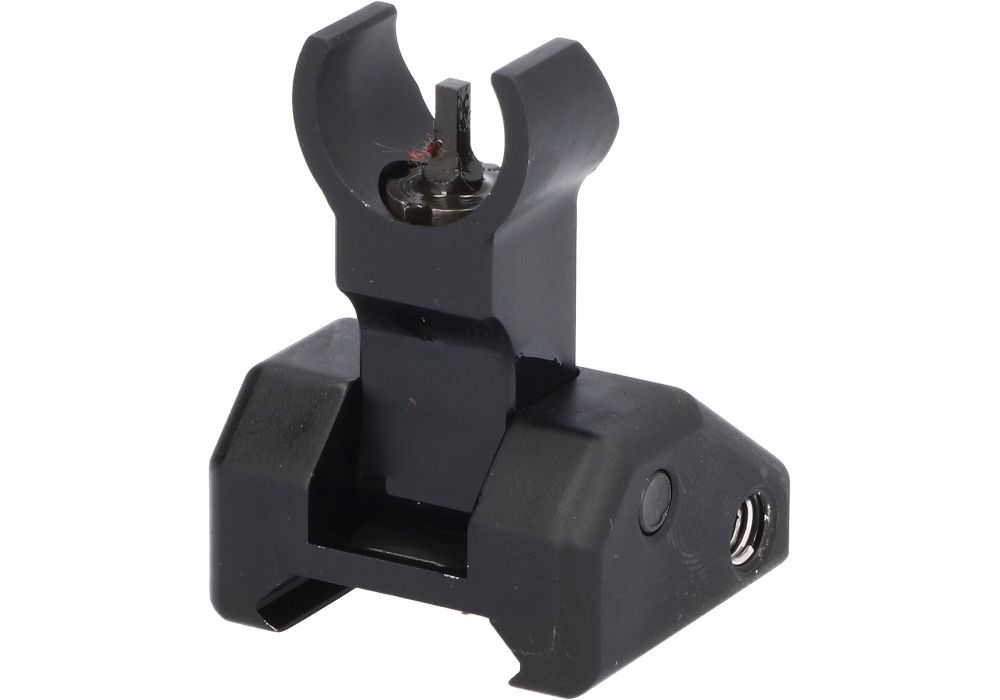
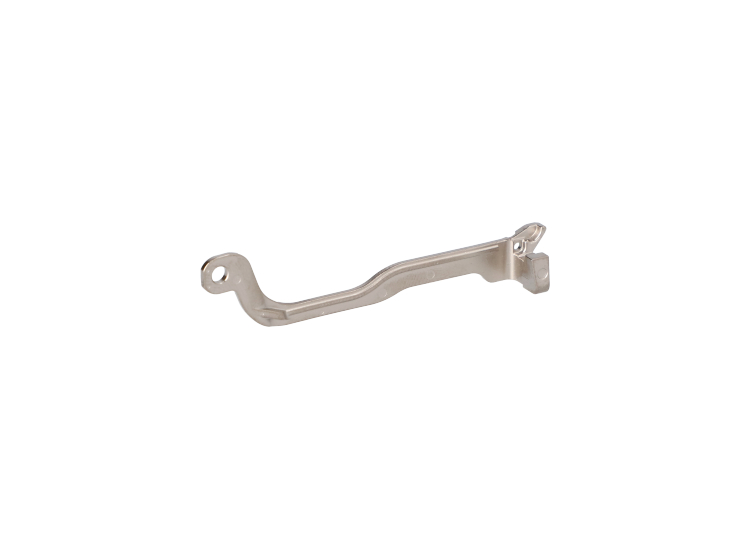
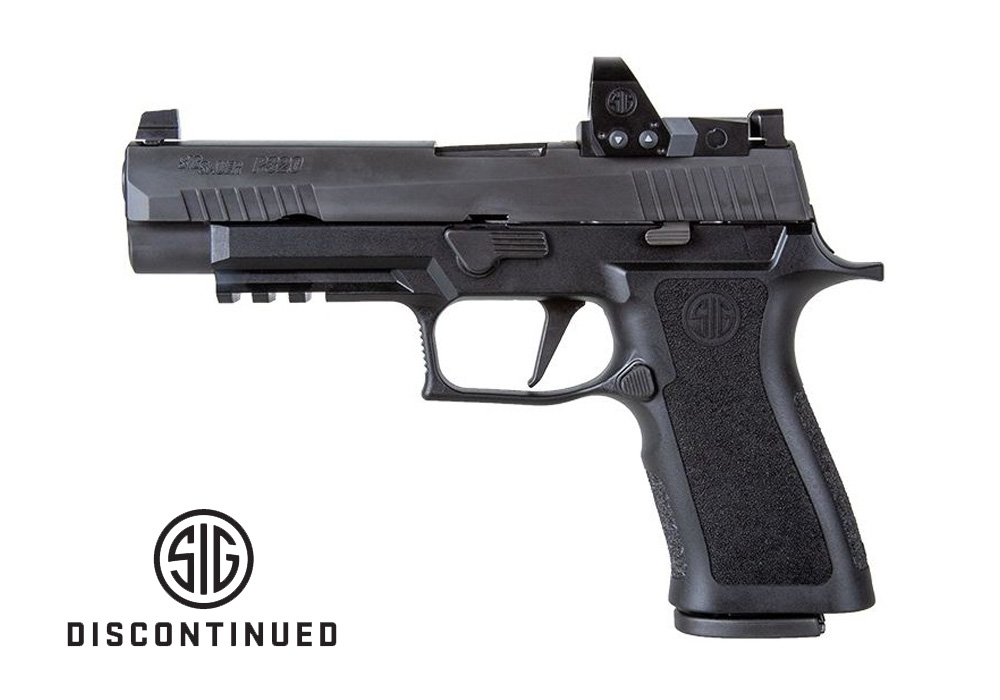
Front sight parts provide the foundation for a clear, dependable aiming reference on many rifles, pistols, and other firearms that use a front sight assembly. This category may include the sight post, front sight base, detent, spring, taper pins, roll pins, and related replacement components. The sight post is the visible aiming element positioned at the front of the firearm, while the front sight base or housing supports and aligns the post on the barrel or slide. A detent and spring work together to hold an adjustable post in place, allowing controlled elevation changes without unwanted movement. Taper pins and roll pins may secure the sight base or gas block, depending on the firearm’s design. When selecting front sight parts, begin with the exact make, model, generation, caliber, barrel configuration, and sight system of the firearm. Dimensions that appear nearly identical can differ in fit, height, thread pattern, pin size, or adjustment method, and even a small mismatch may affect alignment. Factory-style replacement components are often chosen to restore a worn or damaged sight, complete a new build, or keep spare parts available for routine maintenance. Owners who spend time at the range, train with their firearm, hunt during the cooler months, or keep equipment prepared for field use may appreciate having the correct spring, detent, or retaining pin on hand. These small pieces can be easy to overlook until a sight becomes loose or an adjustment no longer holds, so careful identification before purchase is an important part of a successful repair.
Front sight posts are available in several configurations to suit different lighting conditions and shooting preferences. A standard post offers a familiar, durable aiming point and is commonly selected for a traditional sight picture or a straightforward replacement. Tritium front sight elements are designed to provide a visible reference in low-light environments, using a self-luminous insert that can help the front sight stand out when the surrounding scene is dim. Fiber-optic posts use a colored light pipe to gather available ambient light and create a bright, fast-to-see aiming point, which can be useful during daylight range sessions or other well-lit settings. The best choice depends on the firearm, rear sight, intended use, lighting conditions, and the sight picture that feels most natural to the shooter. Sight height is especially important: the front post must correspond with the rear sight and the firearm’s intended zero. A post that is too tall or too short may require excessive adjustment or prevent proper zeroing. Fixed and adjustable front sight systems also have different installation and setup requirements. Some assemblies are designed to be secured directly to a compatible base, while others rely on a slide cut, barrel interface, or mounting platform specific to the firearm. For shoppers comparing Front Sight Kits, a kit can be a practical way to keep matching components together, particularly when a replacement requires more than the visible post alone. Review the included parts, compatibility information, finish, construction, and adjustment method so the selection fits the firearm rather than simply matching its appearance.
Front sight parts can serve experienced shooters, firearm owners restoring an older setup, builders completing a compatible configuration, and anyone replacing components affected by wear, impact, corrosion, or repeated adjustment. They can also make a thoughtful gift for a knowledgeable firearm owner when the recipient’s exact firearm and sight dimensions are known; a gift card or carefully confirmed part is generally more useful than a component chosen by appearance alone. Before installation, verify that the firearm is unloaded, remove ammunition from the work area, and consult the manufacturer’s instructions for the specific model. Front sight bases and retaining pins can require precise alignment, specialized punches, sight tools, a torque specification, or professional fitting. Improper installation may damage the barrel, slide, sight housing, or finish, and an incorrectly aligned front sight can make reliable zeroing difficult. After any sight work, inspect the assembly for movement, confirm that the detent and spring function correctly, and verify the sight picture at a safe, appropriate range in accordance with applicable laws and range rules. It is also worth checking the sight periodically after transport, cleaning, extended practice, or exposure to rough field conditions. A compact set of compatible spare front sight parts can be useful in a range bag or maintenance kit, while protective storage helps prevent small springs, pins, and posts from being misplaced. From a simple standard replacement to a low-light or fiber-optic configuration, the right front sight components can help maintain a consistent sight picture and keep a well-maintained firearm ready for responsible use as weather and shooting conditions change.