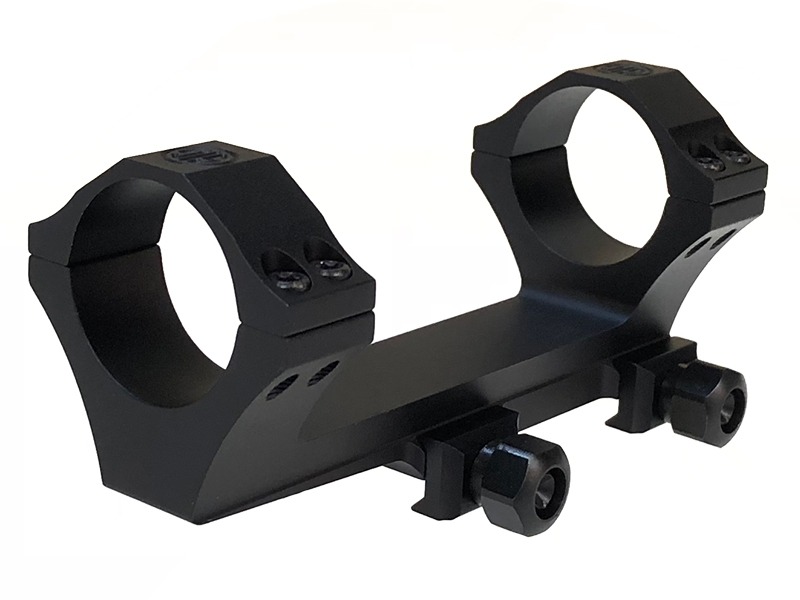
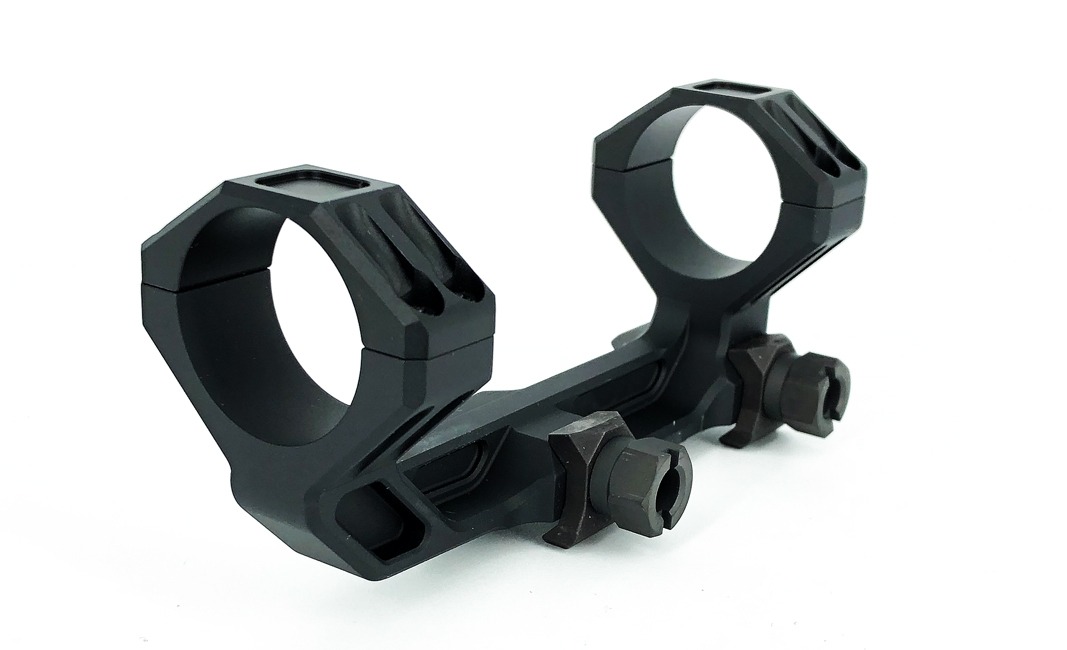
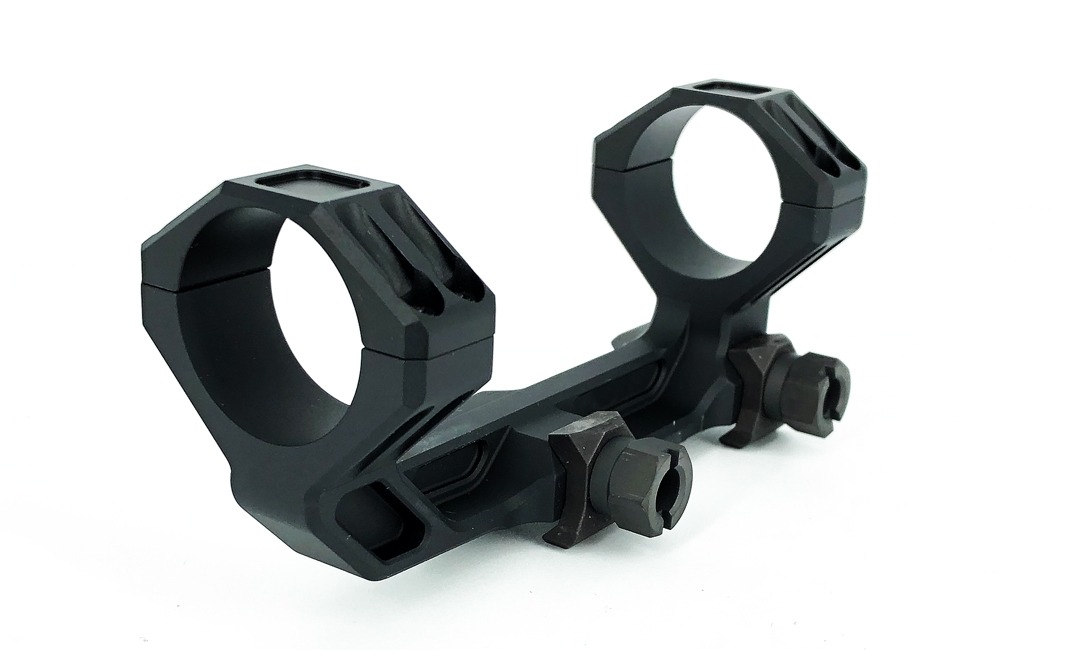
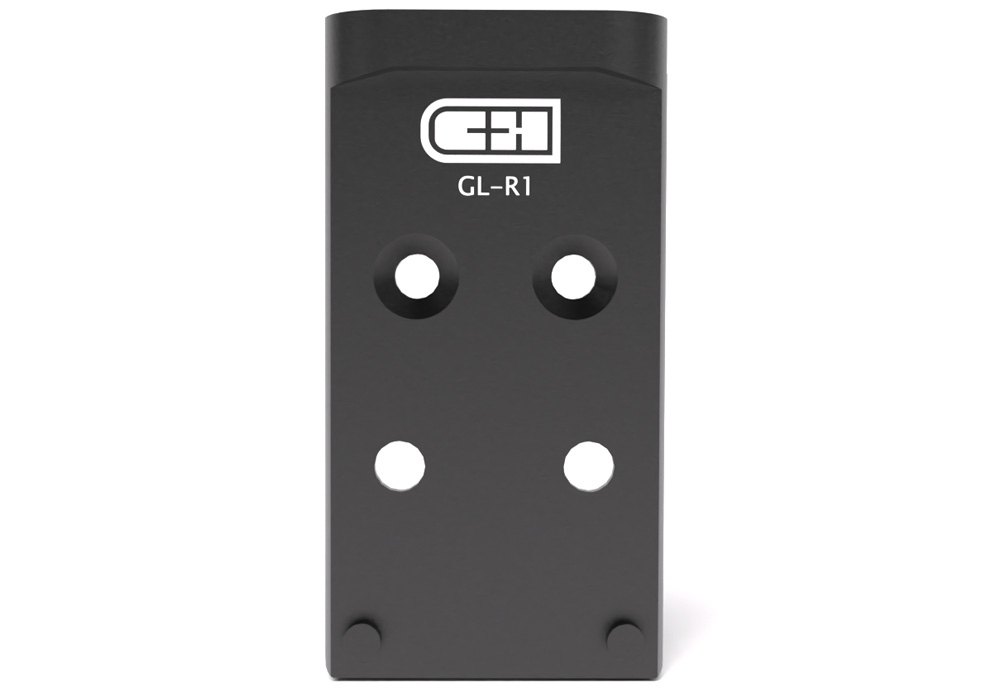
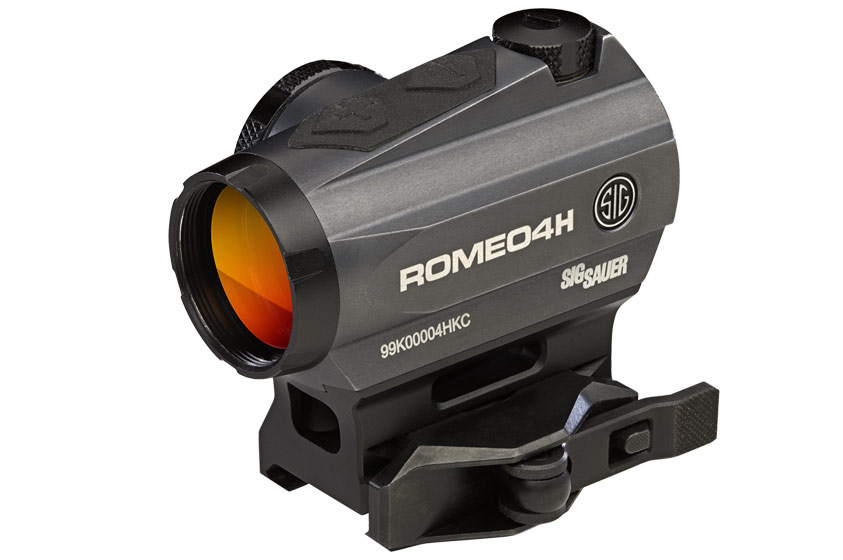
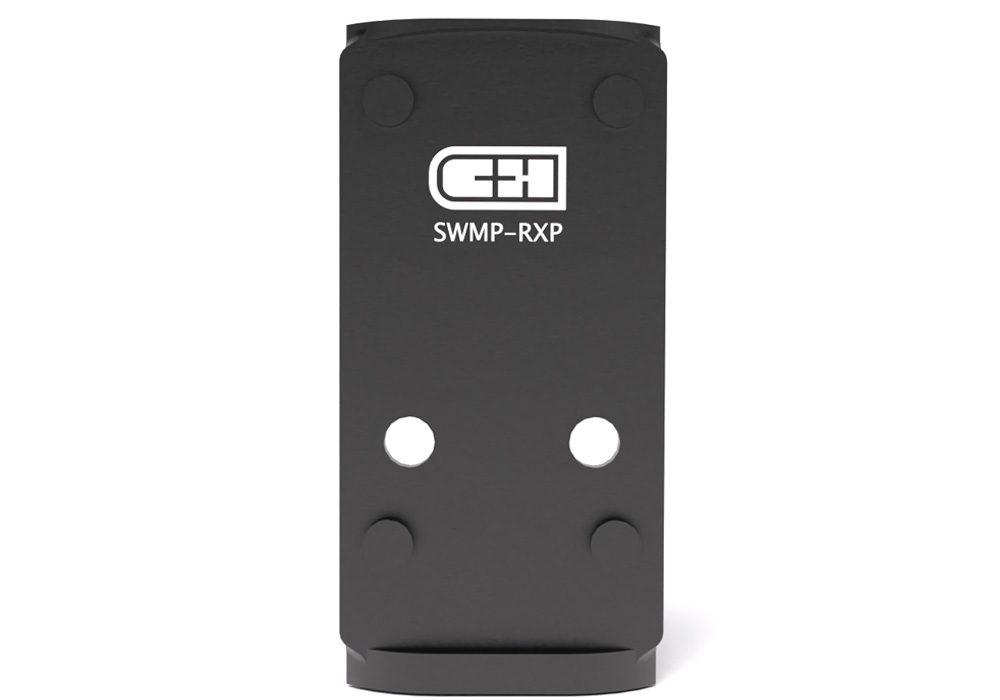
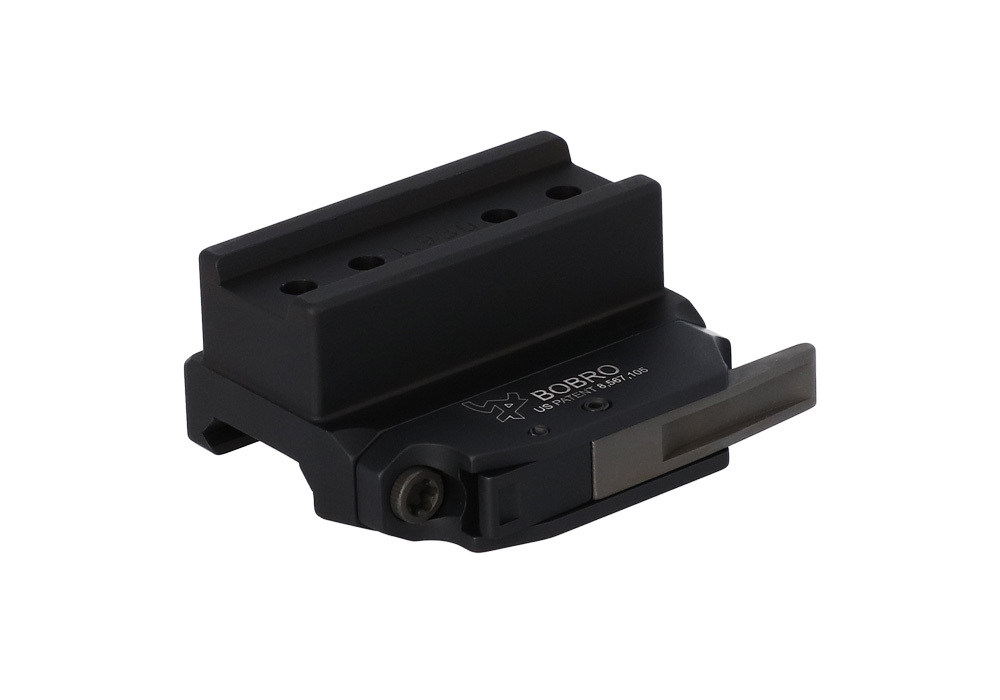
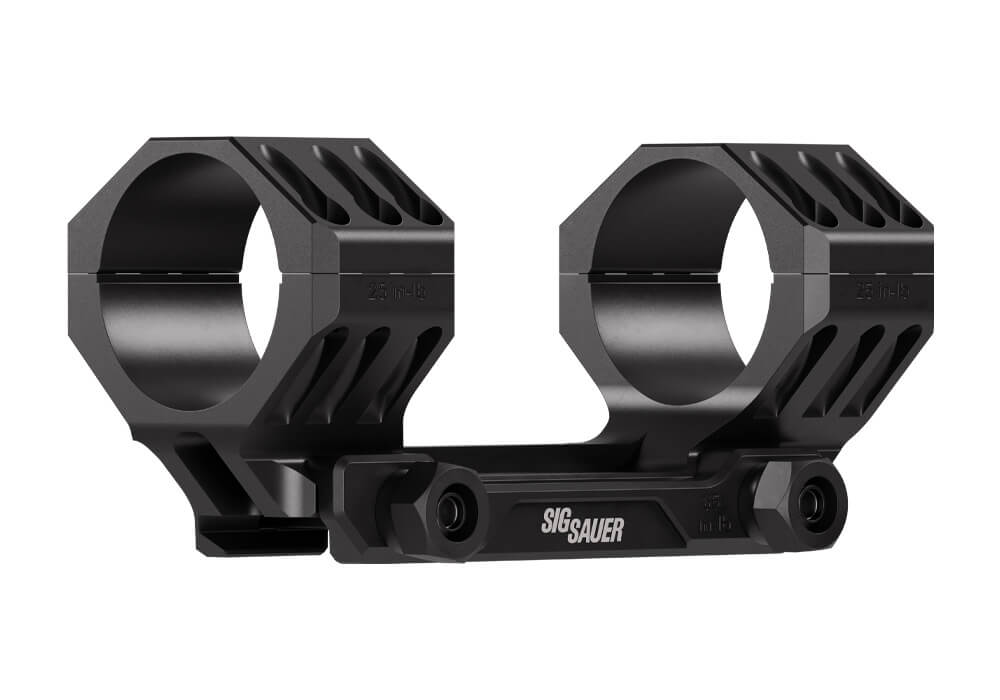
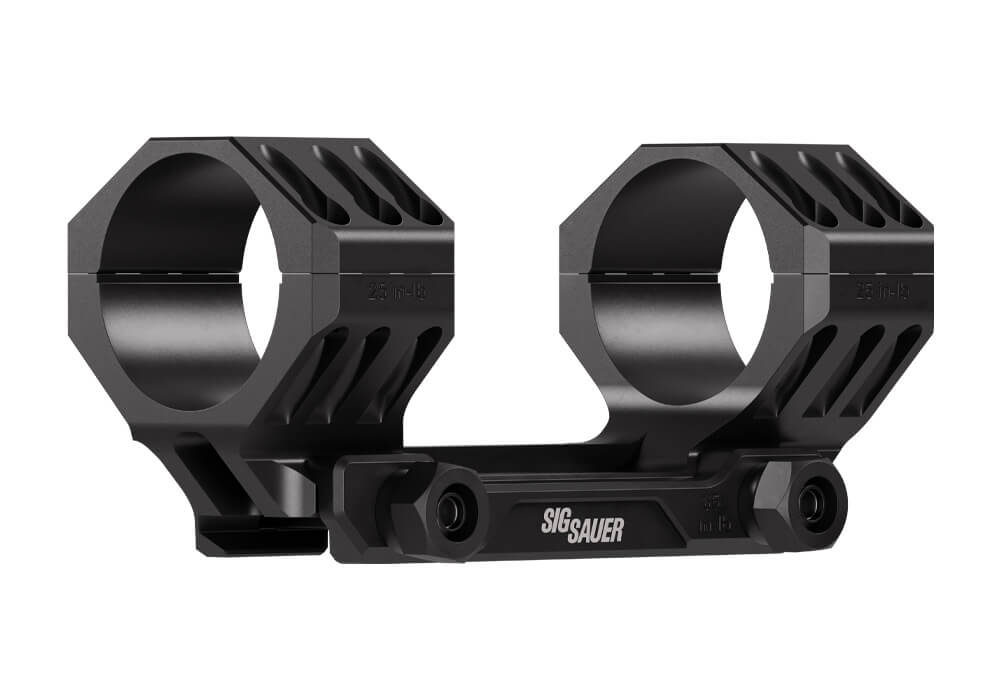
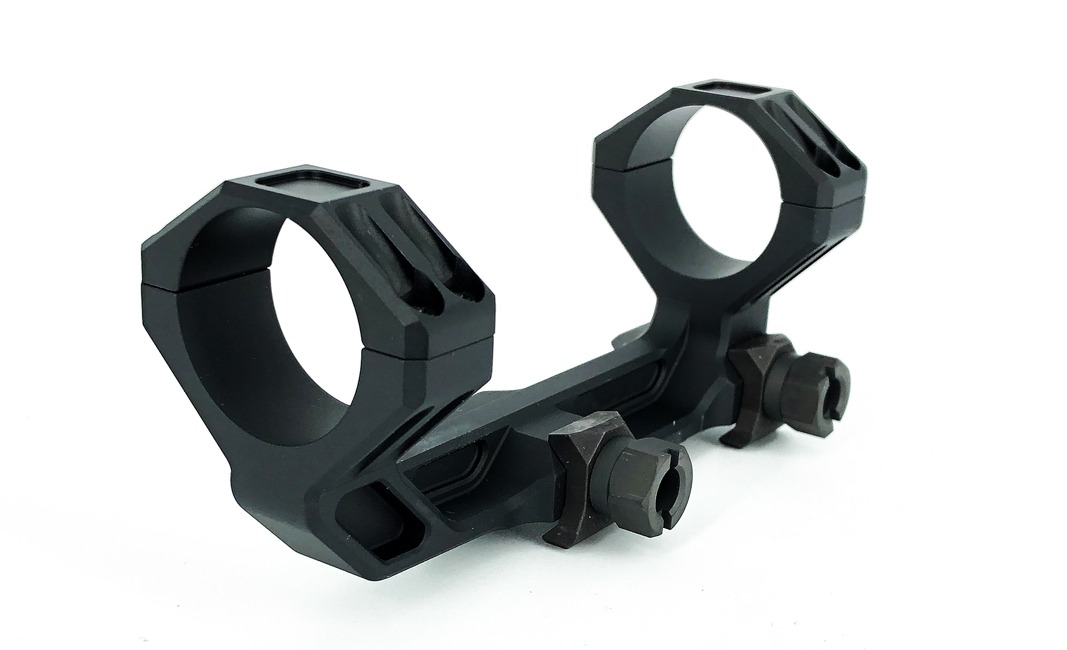
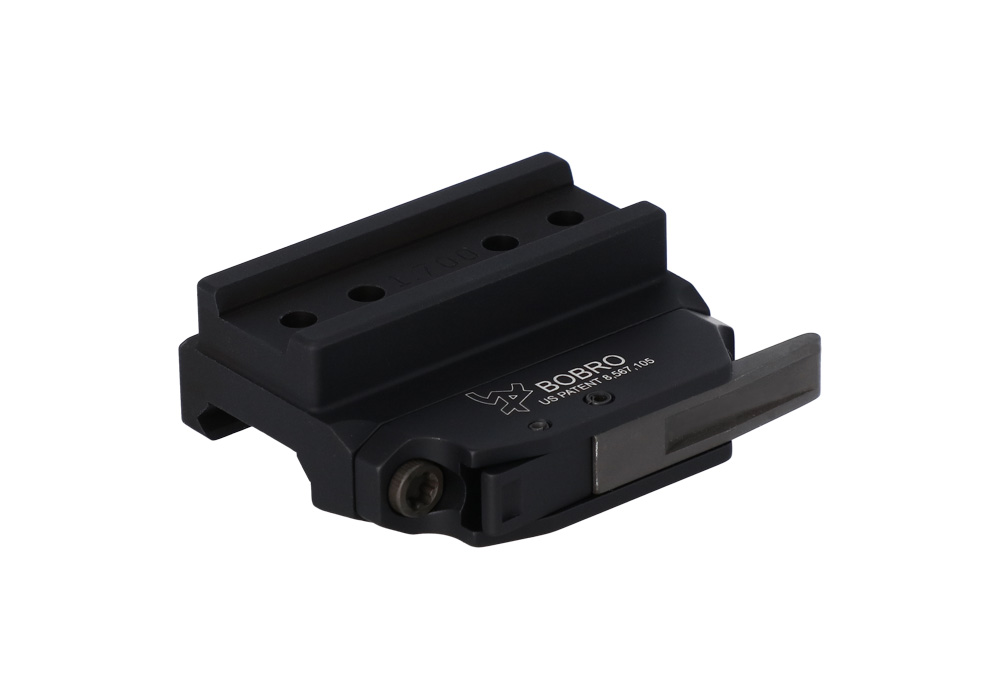
Sight mounting options connect a sight or optic to a firearm through rail mounts, scope rings, mounting bases, dovetail adapters, or optic mounting plates. The right interface supports secure attachment, suitable sight height, and a clear view without interfering with the firearm’s controls or normal operation. Picatinny rails use standardized cross-slot dimensions and spacing, giving compatible mounts multiple attachment positions along the rail. Weaver rails typically have narrower cross-slots, and their spacing can vary, so the two systems should not be treated as interchangeable. Some Weaver-style mounts fit Picatinny rails, while Picatinny-style crossbolts may be too wide for Weaver slots; the stated compatibility of the mount and rail remains the deciding factor. Dovetail mounts fit matching grooves on a receiver or slide, offering an alternative to a cross-slot rail when the firearm supports that interface. Dovetail dimensions vary, however, and a mount intended for one groove or firearm configuration may not fit another. Direct mounting secures a compatible optic to a dedicated mounting surface without a separate adapter plate, reducing the number of interfaces between the optic and firearm. Plate-based systems bridge specific firearm mounting surfaces and optic footprints, providing another option when those patterns do not match directly. Neither arrangement is automatically better for every application: fit, fastener engagement, recoil requirements, and the intended sight picture all matter. For magnified optics, separate rings and one-piece mounts offer different ways to support the scope tube and position the eyepiece. For compact optics, a mount or plate establishes the relationship between the optic’s base and the firearm’s attachment surface. These distinctions are useful when comparing sight mounting hardware because a familiar-looking shape does not establish compatibility. A rail clamp, an optic footprint, and a receiver attachment pattern are separate interfaces, each with its own requirements. Hardware that matches all of them provides a more dependable starting point than a mount selected only by appearance or by a broad description such as “universal.”
Fit involves more than whether a mount attaches to a rail. Scope rings must match the optic’s tube diameter, while the mounting height needs to accommodate the objective housing, any protective cover, and the surrounding firearm components. A low position can support a comfortable cheek weld on some configurations, but the lowest mount is not necessarily the most practical choice. A larger objective housing, a different stock profile, or the location of a charging handle can change the clearance needed. Eye relief and fore-and-aft positioning also influence comfort: a scope that sits too far forward or rearward can leave the shooter shifting position to find a full sight picture. Cantilever mounts provide forward positioning where the mounting surface and optic layout call for it, while separate rings depend on suitable attachment locations and spacing. With nonmagnified optics, mounting height can affect whether existing iron sights are visible through the viewing window. That relationship depends on the complete firearm, sight, and mount combination rather than the mount alone. Plates likewise require matching hole patterns, locating features, and specified fasteners; similar outlines can conceal meaningful differences in those details. Materials contribute another layer to the comparison. Aluminum alloys are common where lower weight is a priority, while steel components can suit applications that emphasize strength and wear resistance. Material alone does not determine durability. Machining quality, clamp design, surface finish, and support around the attachment points also influence how the assembly handles regular use. Protective finishes can help limit corrosion and surface wear, although no finish eliminates the need for inspection and care. A streamlined mount may suit a firearm carried over longer distances, while a more substantial assembly may be appropriate for a setup used primarily from a supported position. Neither extra weight nor a larger profile guarantees better performance. The useful balance is a mount that meets the equipment’s requirements without adding unnecessary bulk, obstructing controls, or forcing an awkward viewing position. Published dimensions and compatibility information make those differences easier to evaluate before choosing hardware.
Sight mounting hardware serves recreational range users, hunters, competitive shooters, and others who need an optic positioned consistently for its intended use. A rifle used from a bench may benefit from mounting geometry that supports a relaxed head position behind a magnified optic. A firearm carried in the field places greater emphasis on manageable weight, secure attachment, and clearance around controls. Competition setups may prioritize a particular sight height or room for more than one sighting system, but the same underlying need for compatible interfaces remains. Quick-detach designs can be useful when equipment must be removed for transport or access, while fixed mounts offer a straightforward attachment arrangement when frequent removal is unnecessary. Any return-to-zero performance depends on the mount’s design, the mating rail, and consistent attachment conditions; removal and reinstallation should not be assumed to preserve alignment without confirmation. Long-term care centers on keeping contact surfaces clean, watching for corrosion or damaged hardware, and following the manufacturer’s specifications for fasteners and compatible cleaning products. Excessive tightening can damage threads or distort components, while insufficient fastening can allow movement, so specified torque values matter more than a general impression of tightness. Visible gaps, loose components, or a changing sight picture warrant attention rather than continued reliance on the assembly. Related Sight Installation Parts can support compatible mounting and maintenance needs, with the same emphasis on matching the firearm, sight, and hardware specifications. For anyone purchasing mounting hardware as a gift, the recipient’s exact firearm interface, optic footprint or tube diameter, and preferred configuration are more useful than a guess based on the optic’s appearance. These are practical accessories for an enthusiast who already has a defined setup or a confirmed equipment change in mind. A well-matched mounting arrangement keeps the optic appropriately supported and leaves the firearm usable as intended. Its value is often most apparent in ordinary moments: settling behind the sight without searching for the viewing window, reaching a control without interference, or inspecting an assembly whose components fit together cleanly.