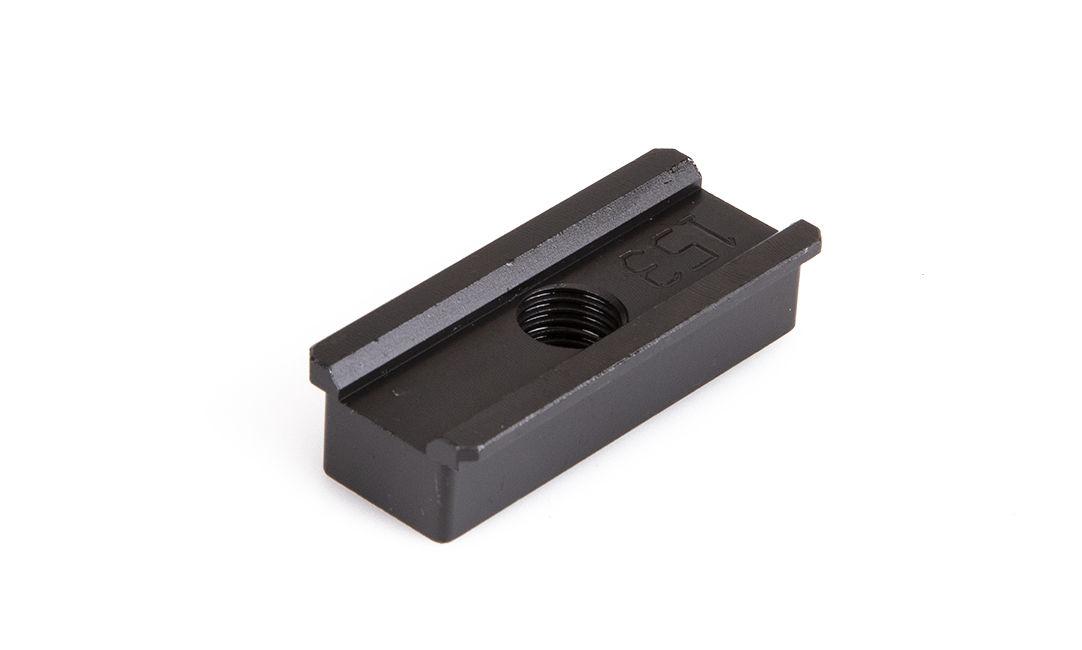
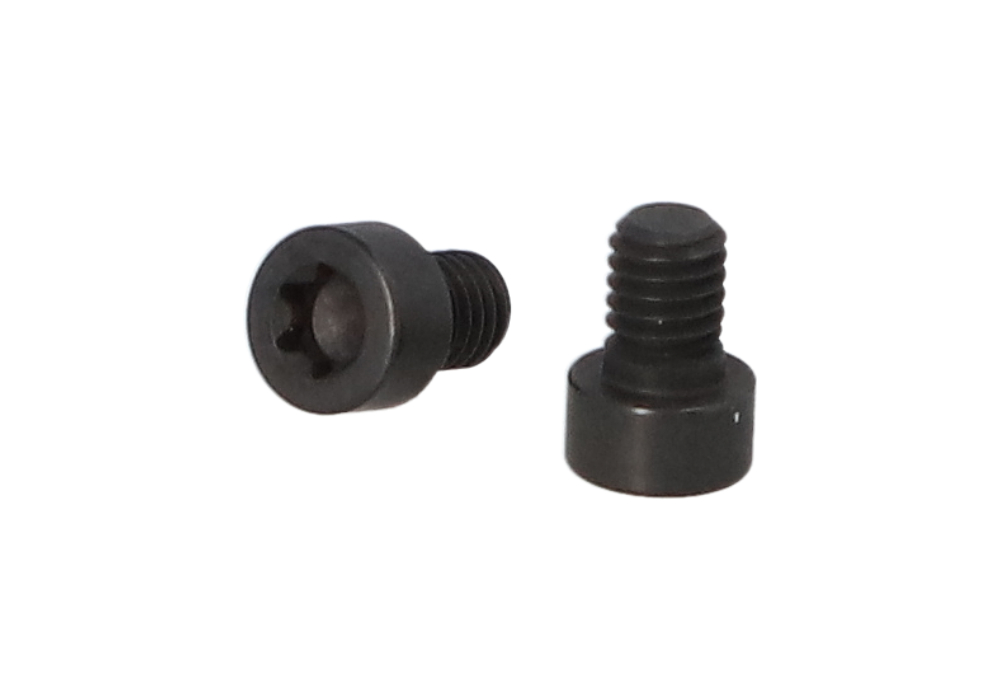
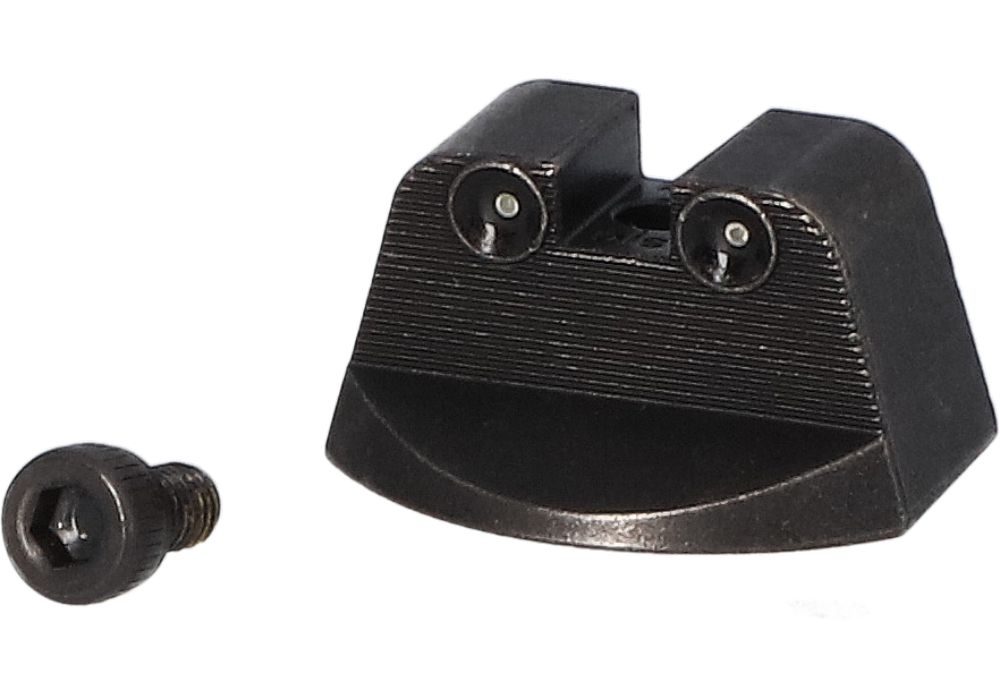
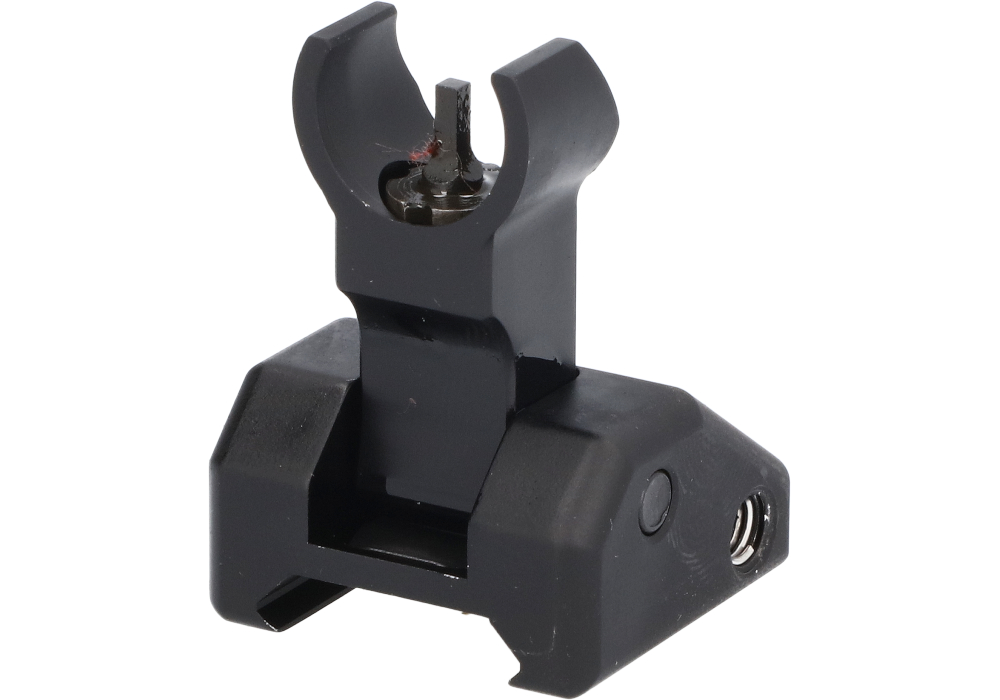
Sight installation parts are the hardware components that secure compatible sights, sight rails, and optic mounts to a firearm or mounting assembly. Depending on the design, these parts can include mounting screws, nuts, cross bolts, retainers, and other fasteners with a specific role in the attachment system. Their size can make them easy to overlook, but their dimensions and condition matter to the stability of the sighting setup. A replacement screw is more than a fastener that happens to fit through a hole: its thread pitch, length, head profile, and seating surface must match the intended application. A cross bolt may work with a particular clamp and retaining component, while a nut may require a specific shape to sit correctly in its recess. Hardware that looks similar can differ in ways that are difficult to judge from a photograph alone. Compatibility therefore begins with the firearm model, sight or optic model, mounting interface, and the specifications supplied by the relevant manufacturer. Even within the same general platform, different configurations can require different hardware. A screw suitable for one mounting arrangement may be too long or too short for another, and an apparently matching head may not seat as intended. These distinctions are especially important when replacing a missing fastener, restoring an existing setup, or preparing for a change in sighting equipment. Sight installation hardware should also be distinguished from the sight itself and from the mount that supports it. Iron sights, red dot optics, and mounting rails do not necessarily use interchangeable attachment methods. Some assemblies rely on threaded fasteners, others use a clamping arrangement, and certain iron sights fit into a dovetail rather than attaching with a separate screw. Understanding which connection needs attention keeps the purchase focused on the correct component rather than a broadly similar accessory. The most useful product details are those that identify the intended fit, included components, and any requirements for use with an existing mount or sight assembly.
Materials and construction influence how sight installation parts perform over repeated use, handling, and maintenance. Steel is common in fastening applications where strength and resistance to wear are important, while aluminum frequently appears in supporting mounts and adapters where weight is also a consideration. Protective finishes can help resist corrosion and surface wear, although no finish eliminates the need for appropriate care. Material alone does not establish suitability: the component’s geometry, thread quality, dimensions, and intended application remain essential. Cleanly formed threads and properly shaped seating surfaces help hardware engage as designed, while damaged threads, rounded drive recesses, or distorted retainers can complicate service and compromise the attachment. A durable sighting setup depends on the parts working together, not simply on choosing the hardest material or the largest fastener. For example, hardware that sits flush in a recessed mounting surface serves a different requirement from hardware designed to bear against an external clamp. The surrounding assembly also matters, including any designated plate, spacer, washer, or retaining element. Substituting a visually similar component can change how those surfaces meet. Product descriptions and manufacturer documentation are more reliable references than appearance alone when evaluating these relationships. Installation tools have a separate but related role. Properly fitting driver bits support engagement with screw heads, while sight-specific tools and protective fixtures can help a qualified professional handle components without unnecessary damage to adjacent surfaces. Tool suitability depends on the sight design and firearm configuration; a general-purpose tool is not automatically appropriate for every mounting system. There is also an important distinction between purchasing replacement hardware and undertaking a complete sight installation. Components that require fitting, alignment, or assessment of an unfamiliar attachment system may warrant attention from a qualified gunsmith. For shoppers, the practical goal is a compatible set of parts with clear specifications, supported by the correct documentation and professional service when needed—not a collection of fasteners selected solely because their dimensions seem close.
Sight installation parts are relevant to recreational range users, competitive shooters, firearm owners maintaining an established setup, and professionals servicing compatible equipment. A competitor replacing worn mounting hardware may prioritize an exact match to a familiar assembly, while a recreational shooter changing sight configurations may need to confirm how the new sight connects to the existing platform. A qualified gunsmith may be concerned with the condition of mating surfaces and the completeness of the attachment system as much as the replacement component itself. In each case, intended use helps define the purchase, but it does not replace compatibility checks. Hardware supports the mounting arrangement; it cannot correct an incompatible sight, an unsuitable mounting interface, or damaged surrounding components. For projects that also call for an interface between the firearm and the sight, explore Sight Mounting Options alongside the installation hardware. Care between service intervals is another part of long-term durability. Small components benefit from clean, organized storage that keeps matching pieces together and protects threads and finished surfaces from unnecessary contact. Original packaging or a labeled compartment can preserve useful identification details, particularly when several similar screws or retainers are present. Cleaning products should be suitable for the materials and finishes involved, with care taken around optical surfaces and other sensitive components. Visible wear, corrosion, looseness, or changes in sight position deserve evaluation rather than assumptions about continued fit. Manufacturer guidance should govern maintenance and any required checks following service. These parts can also be a thoughtful, practical gift for someone who maintains a particular sighting setup, provided the exact application is known. A small hardware component has little value to the recipient if it belongs to a different mounting system, so confirmed specifications matter more than a general interest in shooting. Whether the purchase supports routine upkeep, professional repair, or a planned equipment change, well-matched sight installation parts help preserve the relationship between the sight, its attachment hardware, and the firearm beneath it.