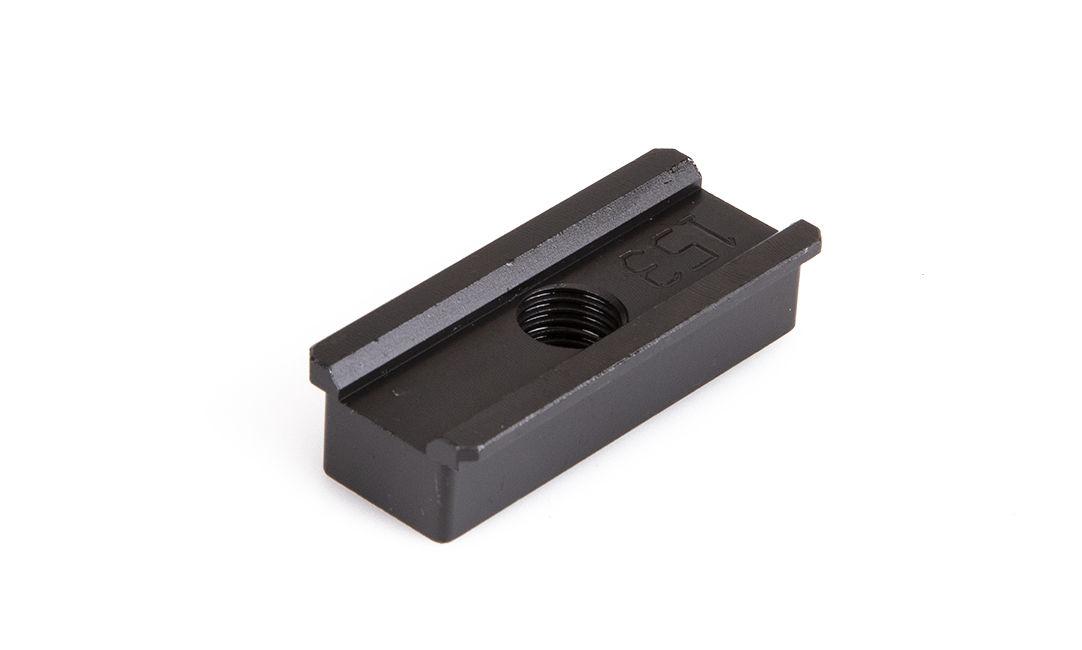
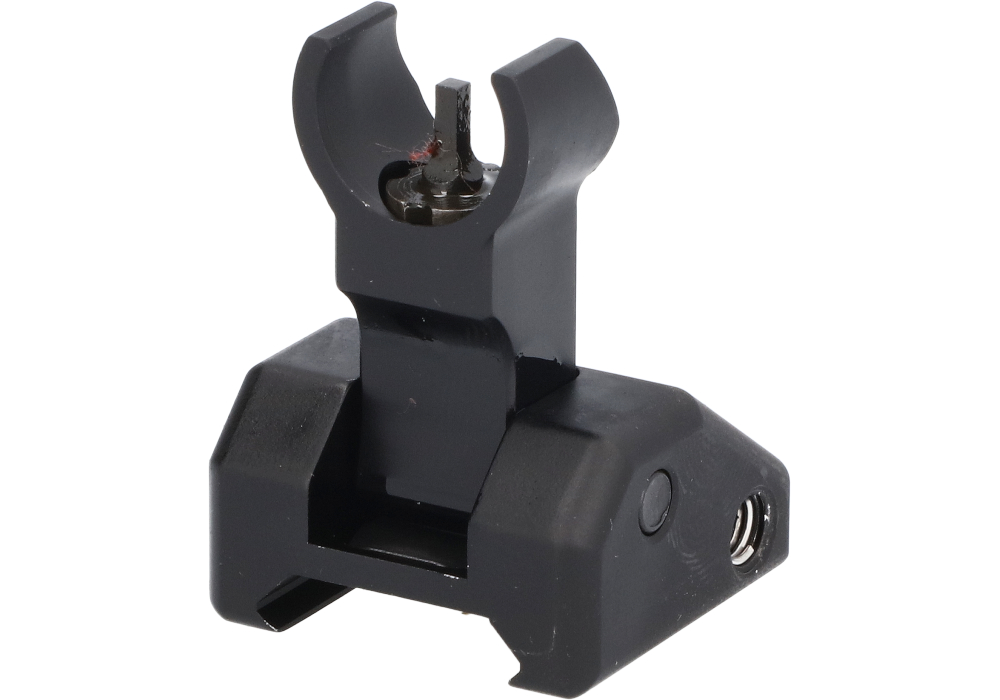
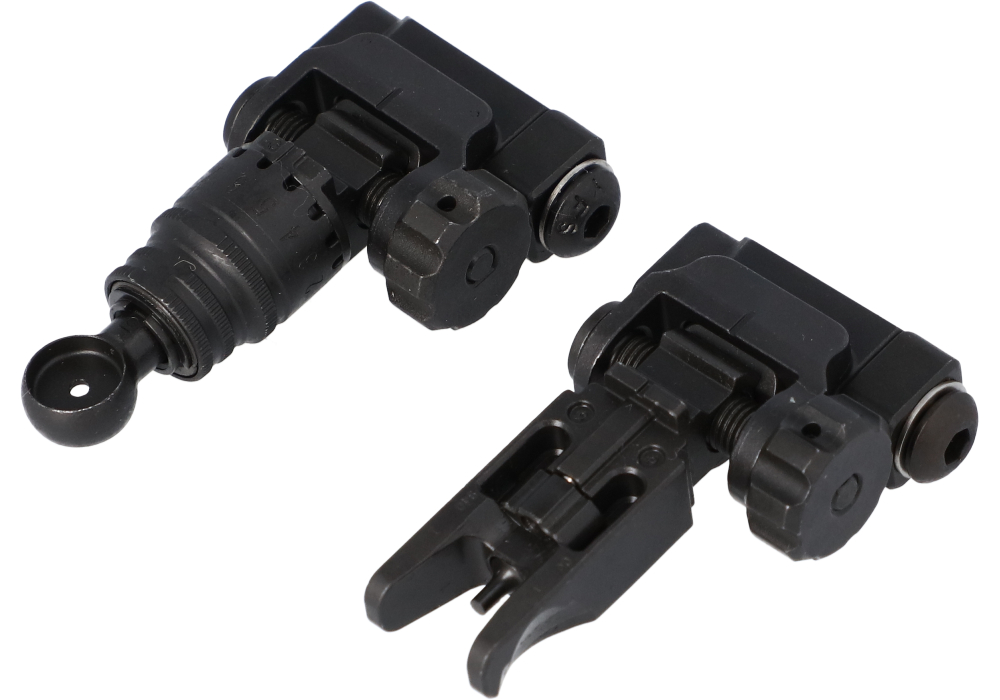
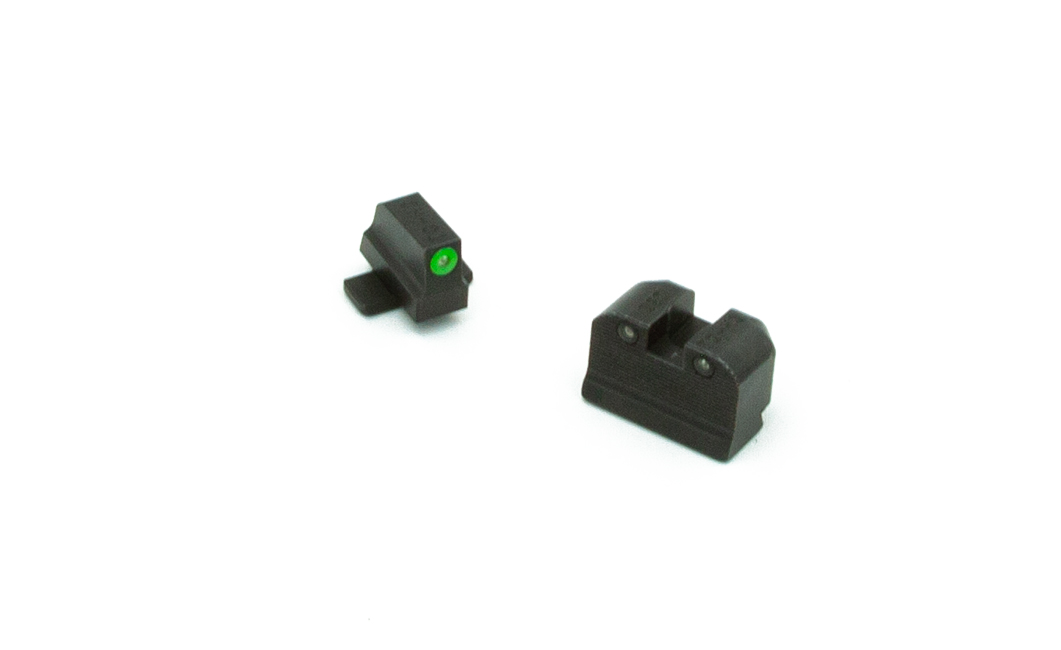
Sight adjustment parts are the components that support alignment changes in a firearm’s sight system, helping maintain the relationship between the sight picture and the intended point of impact. Depending on the design, this category can include elevation screws, windage screws, sight elevators, springs, detents, pins, and related hardware for adjustable front or rear sights. Elevation components govern vertical adjustment, while windage components govern horizontal adjustment. A sight elevator typically supports a rear sight leaf at different heights; threaded adjustment assemblies use a different mechanical arrangement to position the sight. Springs and detents may provide tension or help retain a selected setting, although their function varies by sight design. Replacement hardware is not interchangeable simply because it looks similar, and an adjustment tool is distinct from the component it engages. These differences matter when choosing between a replacement for worn hardware, a missing component, and a tool intended for routine sight service. For target shooters, recreational range visitors, and firearm owners maintaining familiar equipment, the value of the right part lies in dependable fit and predictable operation. A rear sight with a damaged screw head or missing tension component can turn otherwise straightforward maintenance into a compatibility problem. The useful starting point is the identity of the sight itself, not just the firearm on which it sits. Factory sights and replacement sights may use different adjustment mechanisms even when they fit the same firearm model. General descriptions such as “adjustable rear sight” help identify a category, but they do not establish compatibility. The strongest product information identifies the applicable sight family, component function, dimensions where relevant, and any restrictions on use. Understanding those details helps distinguish hardware that belongs inside an adjustment assembly from mounting hardware that secures the sight to the firearm, keeping the selection focused on the actual maintenance need.
Fit deserves particular attention because sight adjustment hardware often combines small dimensions with closely matched mechanical surfaces. Thread diameter, thread pitch, overall length, head profile, and the shape of a screw’s contact surface can all affect whether a replacement belongs in a particular assembly. A screw that appears correct from above may have a different underside profile or a length that prevents the mechanism from operating as intended. Pins, springs, and detents likewise depend on more than a rough visual match. Spring dimensions and tension characteristics must suit the assembly, while pins require the correct diameter and retention arrangement. Firearm model, sight manufacturer, sight version, and front or rear position are useful compatibility details, especially when equipment has been changed by a previous owner. A familiar-looking sight on a previously owned firearm should not be assumed to use the original hardware. Materials and finishes also deserve consideration, but neither can compensate for an incorrect fit. Steel is common in small adjustment components because it can provide durable threads and contact surfaces; other metals may appear in sight bodies, supporting structures, or tools according to the design. Surface treatments can help resist corrosion and wear, though their effectiveness depends on the material, finish, handling, and care. Precise machining matters where a tool engages a screw head and where moving surfaces meet. Cleanly formed engagement surfaces help support proper servicing, while damaged edges or distorted threads warrant professional evaluation rather than extra force. For hardware associated with securing a sight rather than regulating its adjustment, Sight Installation Parts provides a related category to consider. Some maintenance projects involve both functions, but adjustment components and installation components should still be evaluated separately. Manufacturer documentation remains the best reference for part compatibility, approved tools, and service requirements. When identifying information is incomplete, a qualified gunsmith can help determine the assembly and assess whether an individual component or broader repair is appropriate.
Long-term durability depends on the condition of the complete sight assembly as well as the replacement component. A new adjustment screw cannot resolve every issue associated with worn mating threads, a damaged sight body, or missing internal hardware. Likewise, movement in a sight assembly should not automatically be attributed to the most visible screw. Careful inspection and an accurate diagnosis help prevent unnecessary replacement and protect surrounding surfaces from further damage. Routine care generally centers on keeping the sight clean, checking for visible wear, and following the manufacturer’s recommendations for cleaning products, lubrication, and inspection. Residue and debris can collect around small recesses, while unsuitable chemicals or excessive lubricant may affect finishes or attract additional buildup. Any maintenance should take place with the firearm unloaded and ammunition kept separate from the work area. Tasks involving spring-loaded assemblies, damaged threads, or uncertain fit are appropriate reasons to seek professional service. For owners who visit the range regularly, serviceable adjustment hardware supports consistent equipment upkeep and makes it easier to distinguish a mechanical concern from other factors that influence results. Competitive target shooters may pay especially close attention to repeatable settings and the condition of frequently used adjustment interfaces, while occasional shooters may primarily need a correct replacement that restores the sight’s intended function. Collectors and owners of older firearms often have another consideration: preserving the original configuration when suitable components and qualified service permit it. In each case, intended use helps frame the purchase, but documented compatibility should determine the final selection. Sight adjustment parts can also be a thoughtful gift for someone who maintains their own sporting equipment, provided the exact sight and required component are known beforehand. Guesswork is less useful here than a confirmed part reference or a clear maintenance request. Whether the need involves replacing missing hardware or addressing wear found during inspection, attention to fit, materials, condition, and proper care keeps the focus on reliable function rather than appearance alone. Small components deserve the same care in selection as the larger assemblies they serve.