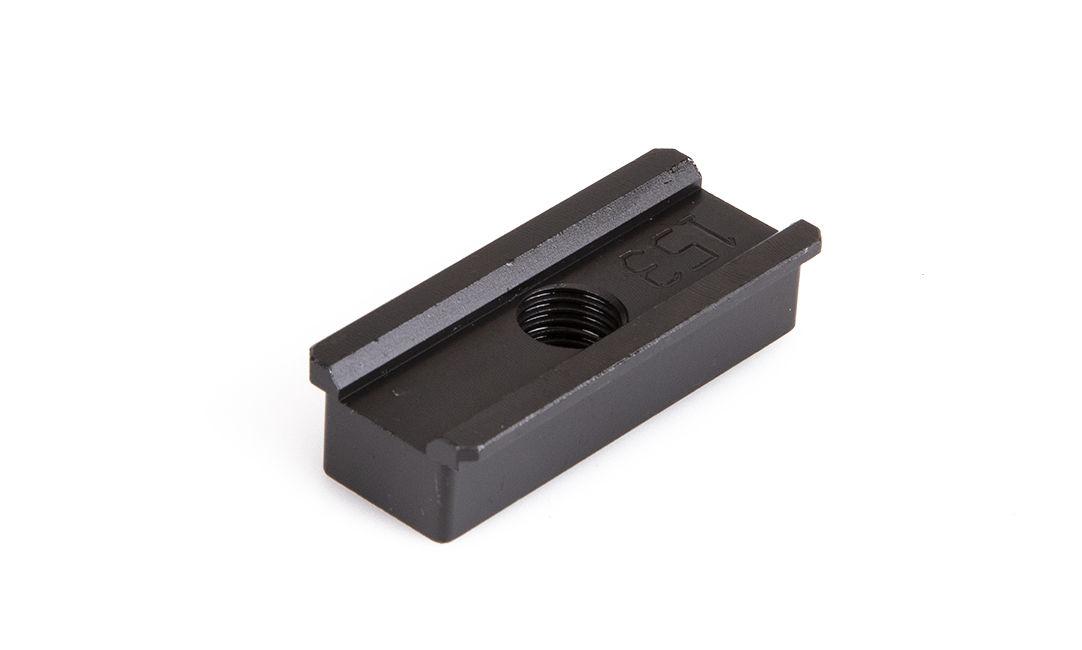
Sight adjustment tools are purpose-built tools for aligning compatible firearm sights, with many sight pushers also supporting the removal and installation of dovetail-mounted sights. Their central advantage is controlled mechanical pressure: a supported frame and an adjustment mechanism help manage movement more consistently than improvised methods. The category includes sight pushers, dedicated adjustment tools, and drivers for sight hardware, but these designs are not interchangeable. A tool intended for a dovetail-mounted pistol sight serves a different purpose from one designed for a threaded front sight post or a screw-secured assembly. Compatibility is therefore the most important consideration, beginning with the firearm’s sight system and extending to the dimensions and contours of the parts the tool must accommodate. Slide width, slide height, sight profile, and the location of raised surfaces can all affect fit. A broad compatibility description does not necessarily mean a tool suits every configuration, particularly when tall sights, unusual slide contours, or other mounted accessories are involved. Front and rear sights may also require different contact surfaces or support arrangements. Windage refers to horizontal sight alignment, while elevation refers to vertical alignment; whether a tool addresses either depends on the sight design. A sight pusher should not be assumed to provide both types of adjustment. Clear compatibility information is more useful than a general claim of versatility because it helps distinguish a suitable tool from one that merely looks similar. For a recreational shooter maintaining a familiar pistol, a focused design may offer the fit needed without unnecessary complexity. For a gunsmith working across several compatible platforms, a design with a broader adjustment range and interchangeable supports may be more practical. In either setting, the right tool is the one that matches the sight, supports the firearm component appropriately, and provides access without interference. That relationship between tool and firearm matters more than size, weight, or an imposing appearance alone.
Materials and construction influence how a sight adjustment tool feels at the bench and how well it holds up to repeated use. Steel and aluminum are common structural materials, with performance depending on the design, machining, and quality of the working components rather than material name alone. A rigid frame helps maintain alignment under pressure, while well-fitted threads support smooth, predictable movement. The adjustment screw, contact block, and slide supports deserve particular attention because they carry or direct the working load. Excessive play, rough movement, or poorly matched contact surfaces can undermine the control that a dedicated tool is intended to provide. Protective pads and nonmarring interfaces can help protect finishes, but no surface treatment eliminates the need for correct fit and a clean workspace. Even a small piece of grit between a support and a finished surface can leave a mark. Features such as reference markings, visible contact areas, and adjustable supports can make positioning easier to assess when those features are included. They are useful aids, not substitutes for the firearm and tool manufacturers’ specifications. Ergonomics matter as well: a comfortable handle, accessible controls, and a stable footprint can make a tool less awkward on a crowded bench. The distinction becomes apparent beside a parts tray and bench light, where clear access and secure support are more valuable than extra bulk. Compact designs may be easier to transport, while larger fixtures may better suit a dedicated work area; neither format is automatically preferable. Care should follow the tool manufacturer’s recommendations, including any guidance for thread lubrication, cleaning, and storage. Keeping contact surfaces free of residue, protecting exposed metal from corrosion, and storing small adapters together help preserve function and prevent frustrating searches for a missing component. Periodic inspection can also reveal worn pads, damaged threads, or loose hardware before the next use. Unusual resistance, uncertain compatibility, or a damaged sight calls for professional assessment rather than additional force. All firearm-related tool work belongs in a controlled workspace with the firearm verified unloaded and ammunition kept separate.
These considerations make sight adjustment tools relevant to several kinds of owners, from a target shooter who values a consistent sight picture to a professional maintaining firearms for customers. Competitive shooters may appreciate tools that support repeatable positioning and an orderly bench routine, while recreational owners may place greater emphasis on straightforward compatibility and convenient storage. An enthusiast with several firearms should consider the actual sight systems involved rather than assume one fixture will cover an entire collection. For someone who regularly transports equipment to a range, secure storage for the tool and its accessories can be as important as compact dimensions. A dedicated bench setup places different demands on the purchase, including stability, access around the fixture, and room to keep protective components organized. Sight work also has limits that deserve recognition. A sight that appears centered does not by itself establish the firearm’s point of impact, and a tool’s reference marks do not replace appropriate verification at a suitable range. Likewise, a tool intended for alignment is not necessarily suitable for installation, and an installation fixture may require additional components for a particular application. For related equipment focused on mounting compatible pistol sights, Pistol Sight Installation Tools offers a more specific category to explore. A sight adjustment tool can also be a thoughtful gift for an experienced firearm owner or gunsmith when the recipient’s equipment and preferences are known. In that situation, confirmed compatibility is more meaningful than choosing the largest or most elaborate design. Documentation, replacement wear components, and clearly identified adapters can contribute to usefulness over time, especially for equipment expected to remain part of a bench setup for years. The strongest choice balances fit, controlled movement, durable construction, and manageable upkeep. Those qualities support a practical goal: equipment that handles a defined sight system predictably, protects the parts it contacts when used correctly, and remains dependable through repeated maintenance tasks without unnecessary complication.