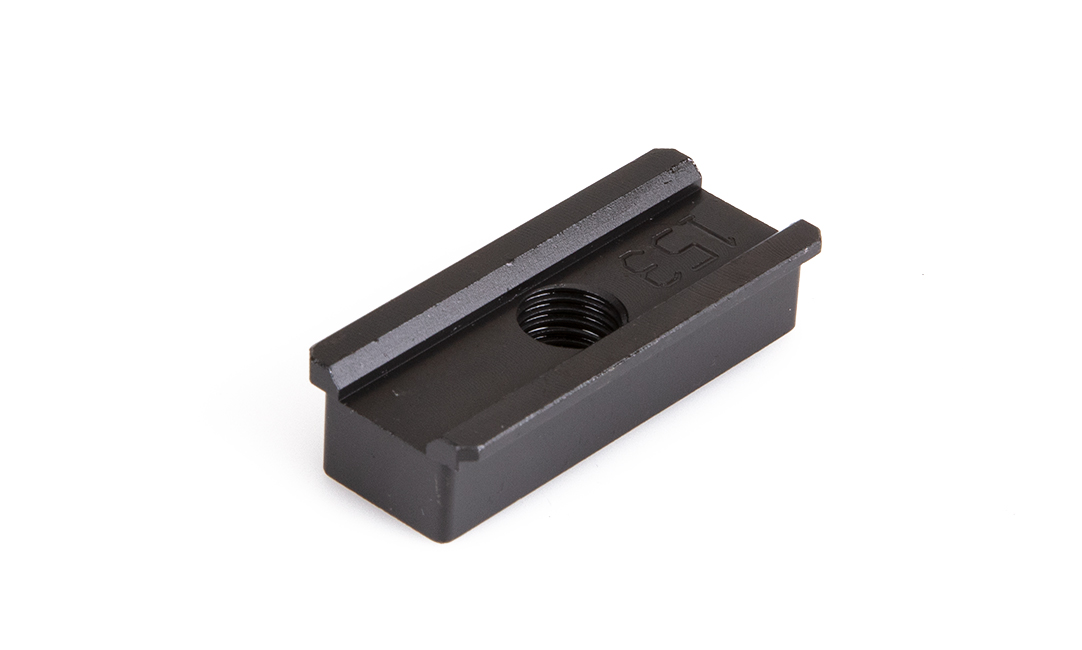
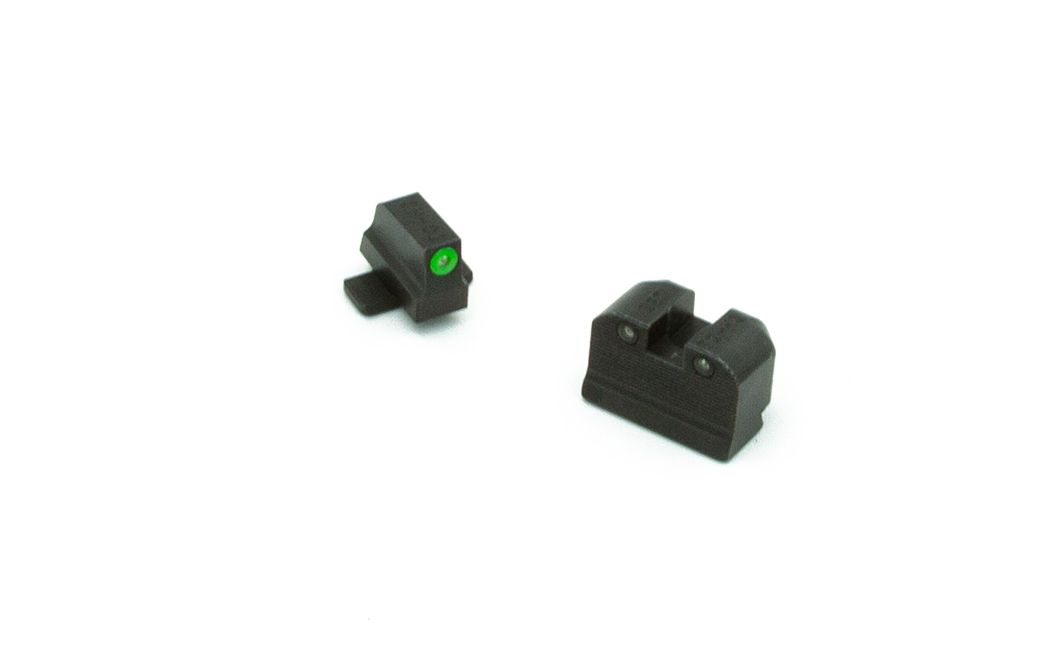
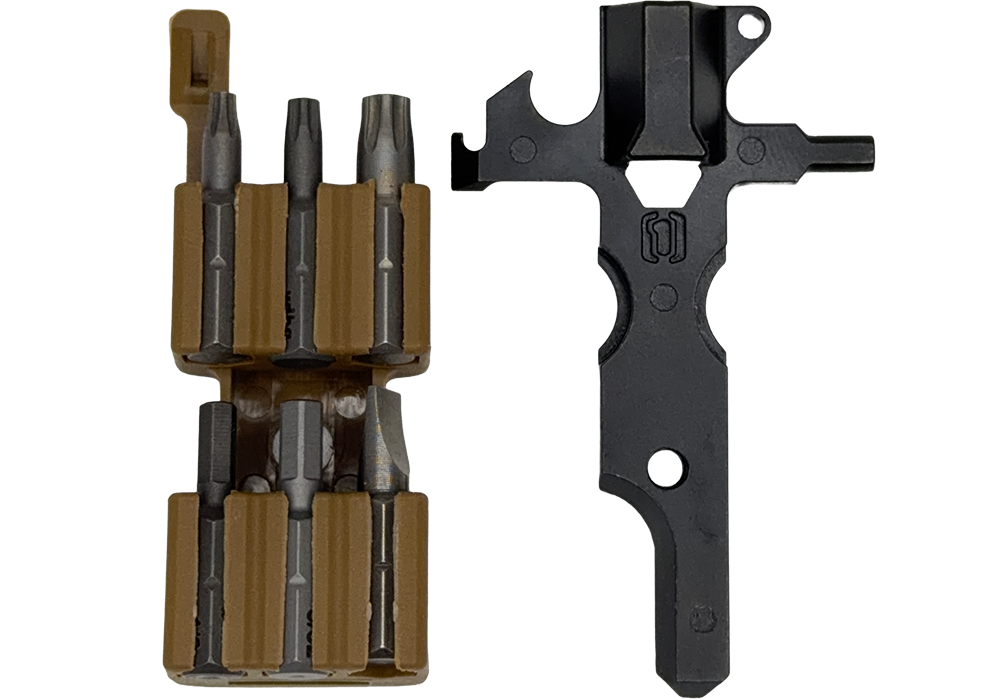
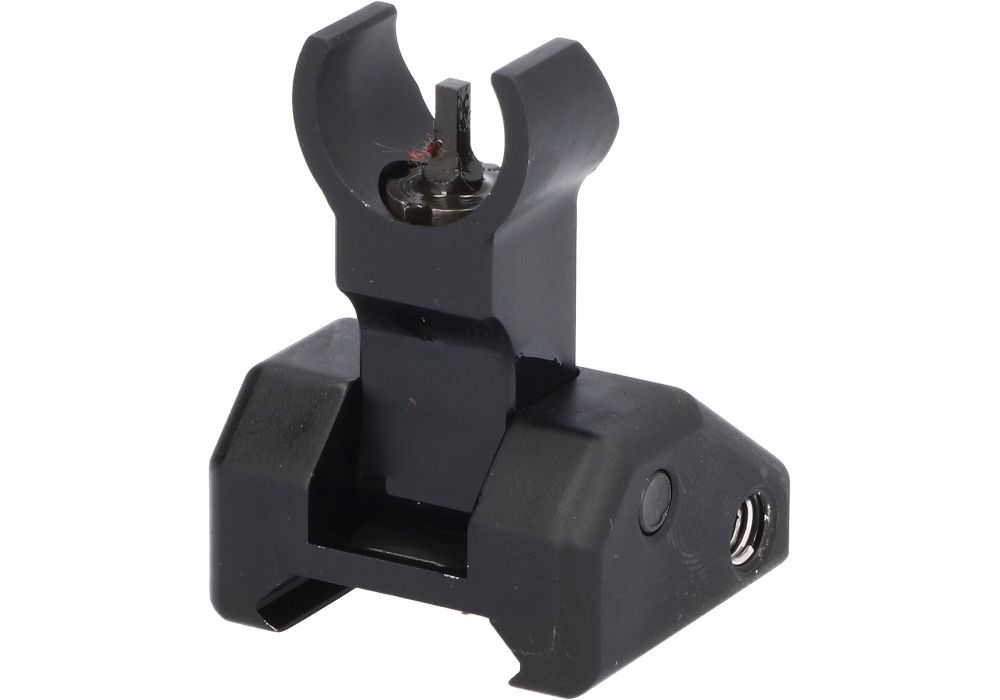
Pistol sight installation tools are designed to make one of the most precise jobs on a handgun more controlled, repeatable, and respectful of the slide’s finish. Whether a shooter is replacing standard iron sights, installing a different sight picture, or servicing a slide after routine wear, the right tool can help move a sight through its dovetail slot without relying on improvised methods that may bend, mar, or distort the component. A sight pusher is often the most practical choice because its threaded adjustment screw applies steady pressure instead of a sudden impact, while interchangeable blocks or a broad adjustment range can make a universal tool useful across multiple handgun configurations. Model-specific tools may offer an especially close fit for a particular slide and sight arrangement, which can be valuable for armorers, competitive shooters, instructors, and anyone who frequently works on the same firearm family. Brass, nylon, or other soft-metal punches remain useful for careful drift work, particularly when a pusher cannot access a tight area, and a lightweight gunsmithing hammer can provide measured taps when used with patience. A stable bench vise is equally important for keeping a slide from shifting during the process; padded jaws, leather, polymer, or a folded microfiber cloth can help protect the finish while maintaining a firm hold. Shoppers should compare the tool’s adjustment range, contact surfaces, construction, compatibility with slide shapes, and ability to accommodate front and rear sight dimensions. Some front sight designs also require a thin-walled nut driver or compact wrench for securing a threaded post, so a complete setup may include both a sight pusher and a dedicated driver rather than a single all-purpose implement.
Choosing pistol sight installation tools also depends on the user’s experience, workspace, and intended frequency of use. A first-time firearm owner may appreciate a straightforward tool with clear alignment, a broad base, and protective contact surfaces, while an experienced armorer may prioritize durable threads, replaceable parts, precise adjustment, and compatibility with several slide profiles. These tools can be thoughtful gifts for a recreational shooter, range enthusiast, gunsmithing student, or responsible firearm owner who enjoys maintaining equipment at a well-organized bench. They are especially useful for someone preparing a handgun for training, competition, duty, or personal practice, since a properly positioned sight can support a consistent sight picture and help the shooter make the most of their chosen ammunition and shooting technique. Sight work is not a task to rush. Before beginning, confirm that the firearm is unloaded, remove the magazine, inspect the chamber and workspace, and follow the firearm and sight manufacturer’s instructions. Many dovetails are tapered, and removal and installation directions can vary, so the correct movement should be verified for the specific slide rather than assumed. As a general reference, rear-sight removal is often performed from left to right when looking from the rear of the slide toward the muzzle, with installation commonly proceeding in the opposite direction, but this is not universal. Applying a small amount of appropriate lubricant to a threaded pusher screw can help it turn smoothly, while gradual pressure allows the installer to notice unusual resistance before a part is damaged. Sight plates and related mounting components may also be relevant when a handgun is configured for a different sighting system; shoppers comparing those options can explore Pistol Sight Plates alongside installation accessories to better understand how the parts work together.
Careful handling matters most when working with finished slides, fragile sight inserts, and self-illuminated night sights. A narrow steel punch or direct hammer strike can leave marks on a sight or slide, and impact applied to a tritium vial may crack the vial or compromise the sight. Soft punches are generally preferred for drift work, but even brass or polymer tools should be sized correctly so they contact the sight body squarely rather than slipping against an edge. A sight pusher should likewise be aligned with the sight before pressure is applied; an offset contact point can cant the sight, damage its protective housing, or place unnecessary stress on the dovetail. A padded vise should hold the slide securely without crushing or rubbing it, and a clean bench helps prevent grit from entering small channels or scratching a coated surface. After installation, inspect the sight from above and both sides, confirm that it is seated evenly, and check that any retaining screw or front sight fastener is tightened according to the applicable specifications. Marking the original sight position before removal can provide a useful reference, although final alignment should be confirmed at the range by a qualified shooter or gunsmith. During the warmer months and into cooler fall conditions, a dedicated tool set can stay ready in a range bag, workshop drawer, or maintenance cabinet, making sight changes easier to plan when a practice session reveals a loose, damaged, or poorly suited sight. For anyone uncertain about compatibility, fit, torque, or the correct direction of movement, professional installation is a sensible choice. The best pistol sight installation tools support deliberate work, protect valuable components, and give the user a dependable way to maintain a clear, consistent sighting system.