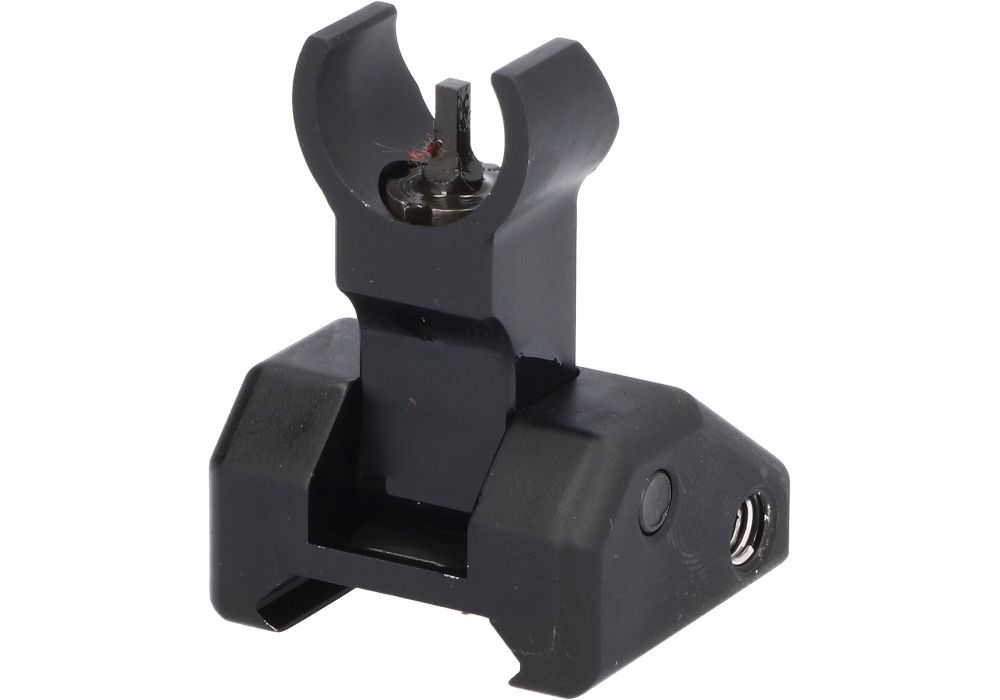
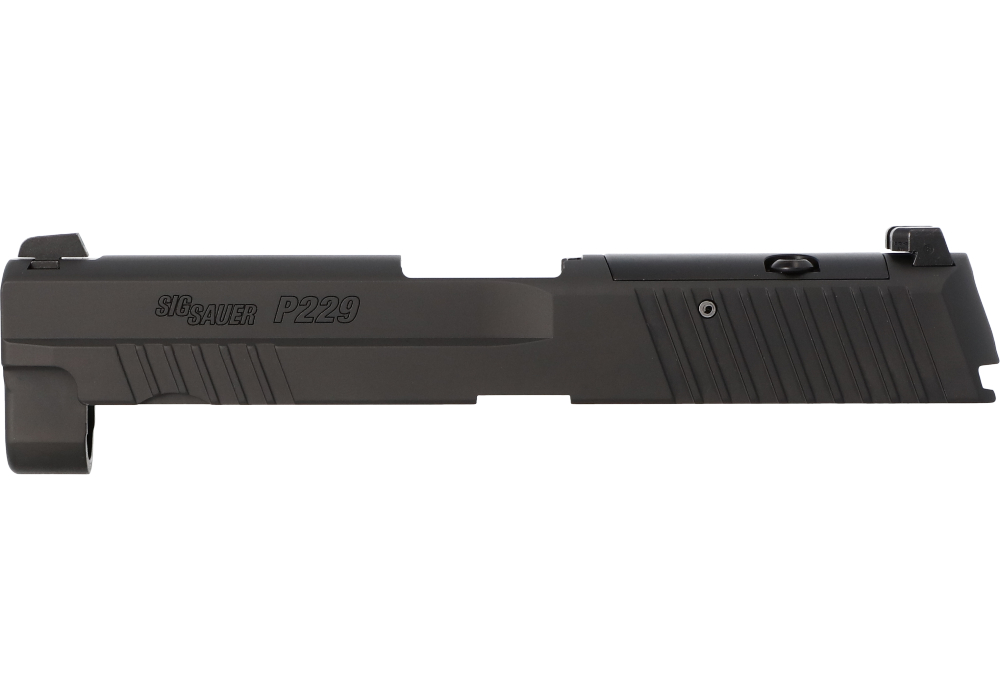
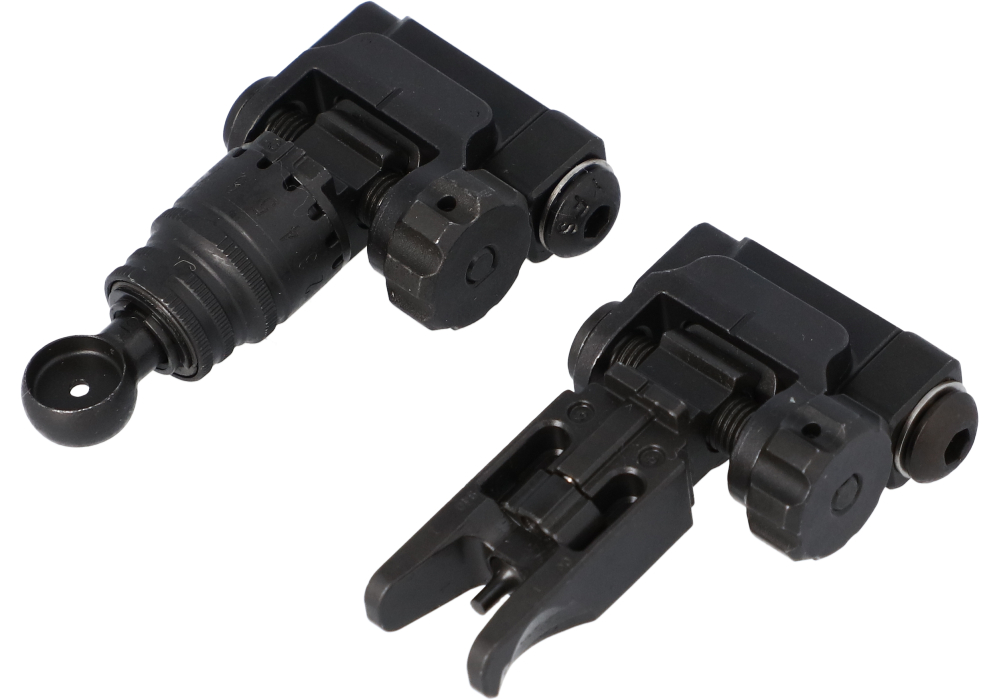
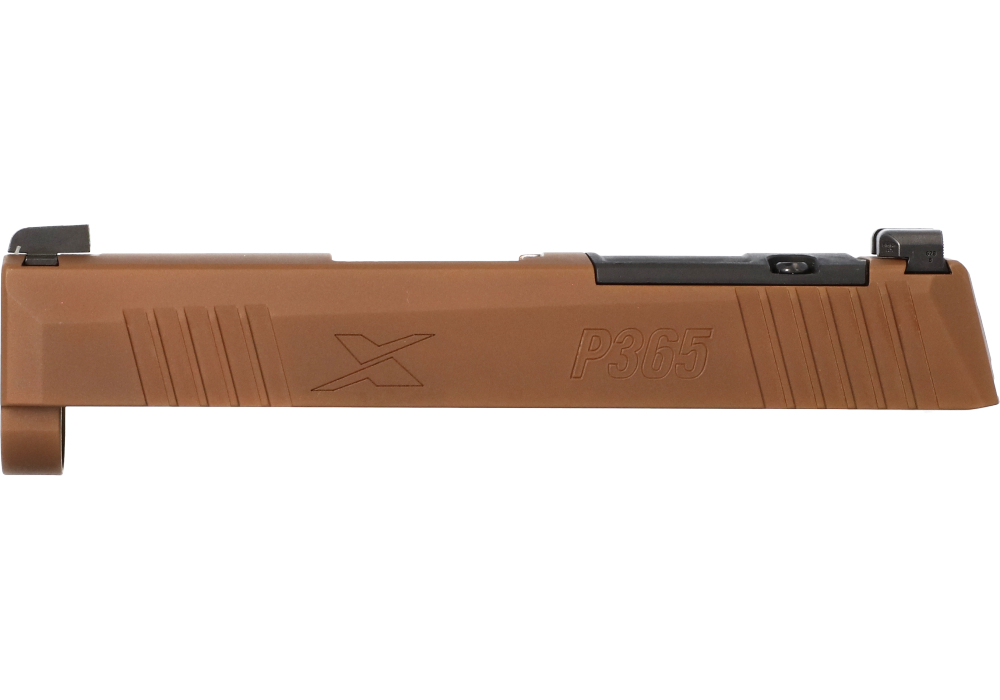
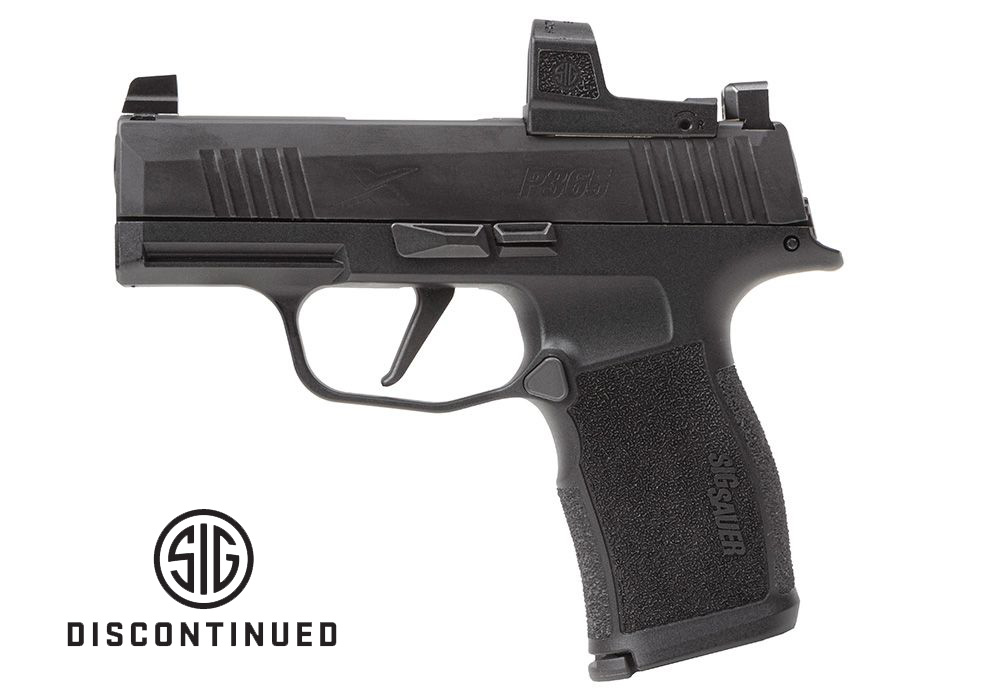
Pistol mounting sights help handgun owners configure a practical, repeatable aiming system that fits the way they train, carry, compete, or spend time outdoors. Depending on the pistol and optic, a sight may attach through a direct slide cut, an interchangeable adapter plate, or a rear-dovetail mounting system. Direct-milled slides generally provide the lowest profile and a secure interface designed around a particular optic footprint, while factory-cut slides with adapter plates offer flexibility when changing between compatible sight patterns. Dovetail mounts can be useful when avoiding permanent slide modification, although they typically position the optic higher and may affect the relationship between the optic and existing iron sights. The most important first step is confirming compatibility among the pistol model, slide cut, mounting plate, optic footprint, screw pattern, and included hardware. Similar-looking footprints are not always interchangeable, and even a small mismatch can prevent a sight from seating correctly or maintaining zero. A careful comparison of the manufacturer’s specifications is worthwhile before ordering, particularly when selecting a mounting solution for a pistol that has already been customized. Shoppers may also want to consider sight height, access to the slide, co-witnessing with iron sights, protective features around the lens, and whether the mounting system allows the optic to be removed without disturbing the pistol’s original configuration. A compact, low-profile setup may be well suited to concealed carry, while a more visible and easily acquired sight picture can be useful for range practice, competition, or field use. The right choice should feel like a natural extension of the pistol rather than an accessory added as an afterthought.
Installation deserves the same attention as product selection. Before mounting a sight, unload the pistol completely, remove the magazine, inspect the chamber and follow the firearm and sight manufacturers’ safety instructions. Work on a clean, stable bench with good lighting so small screws, plates, and springs remain easy to account for. The mounting surface should be free of oil, debris, and grease; a clean, residue-free surface helps the plate or optic sit flush and reduces the chance of fasteners loosening during use. Screw length is another essential consideration. Screws should engage the intended threads without bottoming out, interfering with internal slide channels, or protruding into moving parts. As a general reference, properly fitted mounting screws commonly leave a few usable threads engaged, but the exact requirement depends on the slide, plate, optic, and fastener design. If removable threadlocker is recommended, use only a small amount on clean screw threads and avoid allowing it to spread into the optic or mounting interface. Tighten fasteners evenly with an inch-pound torque driver and use the specification supplied by the manufacturer; many pistol optic systems fall in the approximate range of 12 to 15 inch-pounds, but that range is not a substitute for the exact instructions. Over-tightening can strip threads, damage a plate, or place stress on the optic, while under-tightening can allow movement and a shifting point of impact. After installation, inspect the sight from every angle, confirm that it is seated squarely, and allow any threadlocker to cure as directed. A sensible setup process continues at the range: begin with confirmation at a short distance, verify that the sight remains secure through repeated handling and firing, and periodically check the fasteners as part of normal maintenance. Those small habits can make the difference between a sight that looks properly installed on the bench and one that remains dependable through long practice sessions and changing conditions.
Pistol mounting sights can be a thoughtful addition for new shooters, experienced handgun owners, instructors, competitors, and anyone refining a familiar sidearm. They may also make a useful gift for a shooter who has recently purchased an optic-ready pistol, provided the recipient’s exact firearm and preferred sight footprint are known. A gift selected by appearance alone can create a frustrating mismatch, so confirming the model and mounting pattern is more valuable than choosing the most elaborate-looking option. For someone who prefers a traditional sight picture, a mounting solution that preserves or complements iron sights may be especially appealing; browsing compatible Pistol Rear Sights can help complete a balanced setup. For someone who spends time practicing during warm afternoons or checking equipment during the cooler months, a clear, consistent aiming reference can make drills feel more deliberate and help expose small changes in grip, trigger control, or alignment. A well-fitted sight is not a replacement for safe handling or regular practice, but it can offer a crisp reference point when the pistol is presented from the holster or brought up from a ready position. Consider the intended use, the shooter’s experience, the pistol’s existing configuration, and the amount of adjustment or installation work involved before making a selection. Buyers should also review return policies and mounting hardware details, especially when the pistol has a nonstandard slide, aftermarket machining, or an existing plate system. With the right compatibility checks and careful installation, pistol mounting sights can provide a clean, purposeful upgrade that supports confident practice, straightforward maintenance, and a more consistent sight picture each time the handgun is handled.