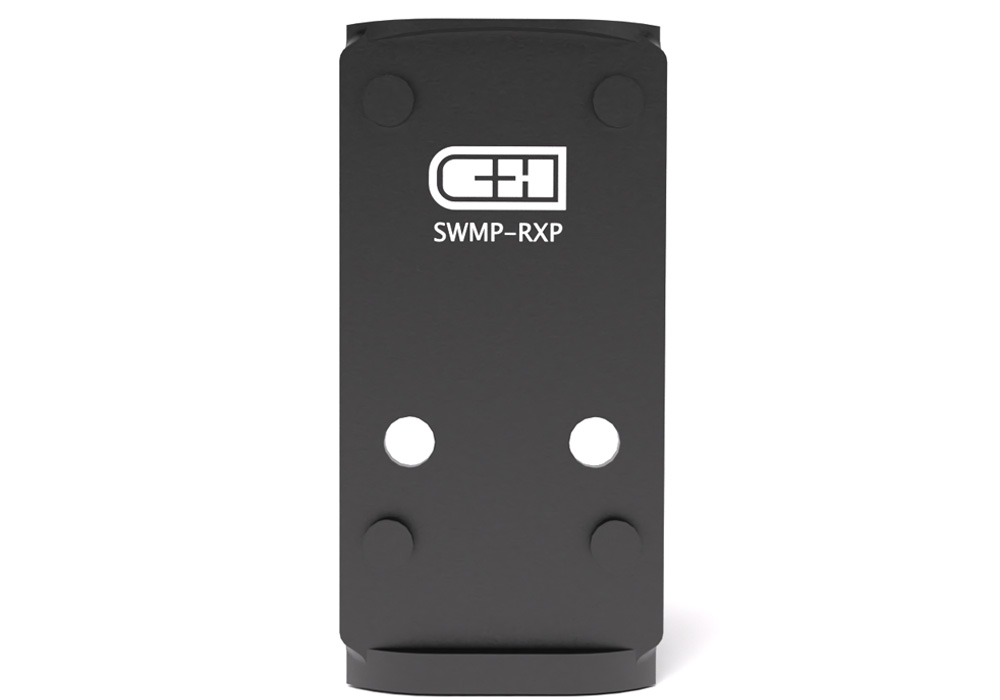
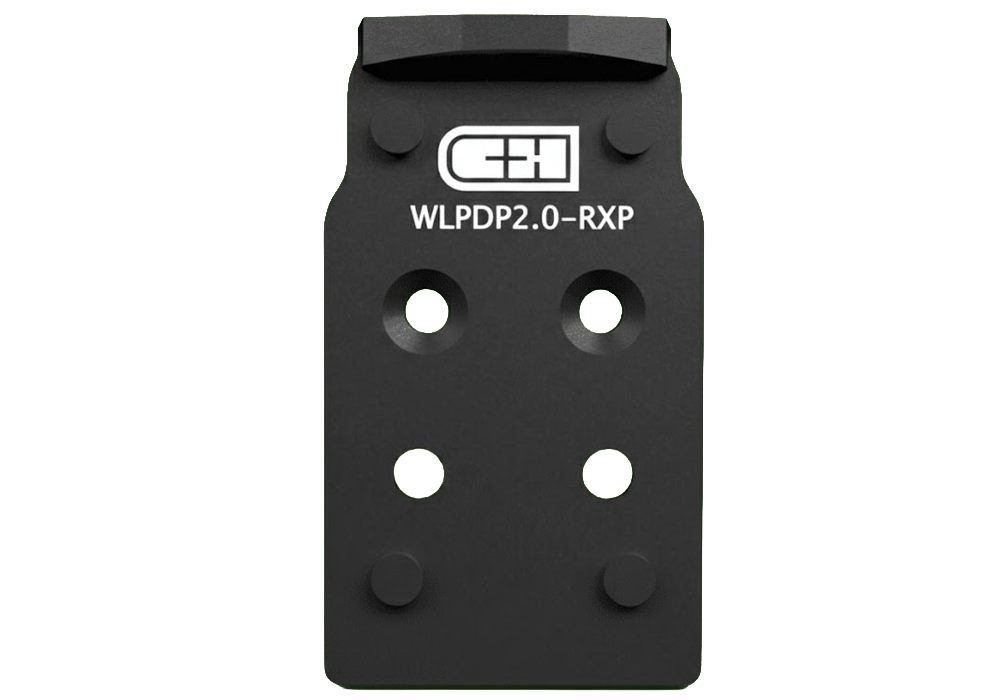
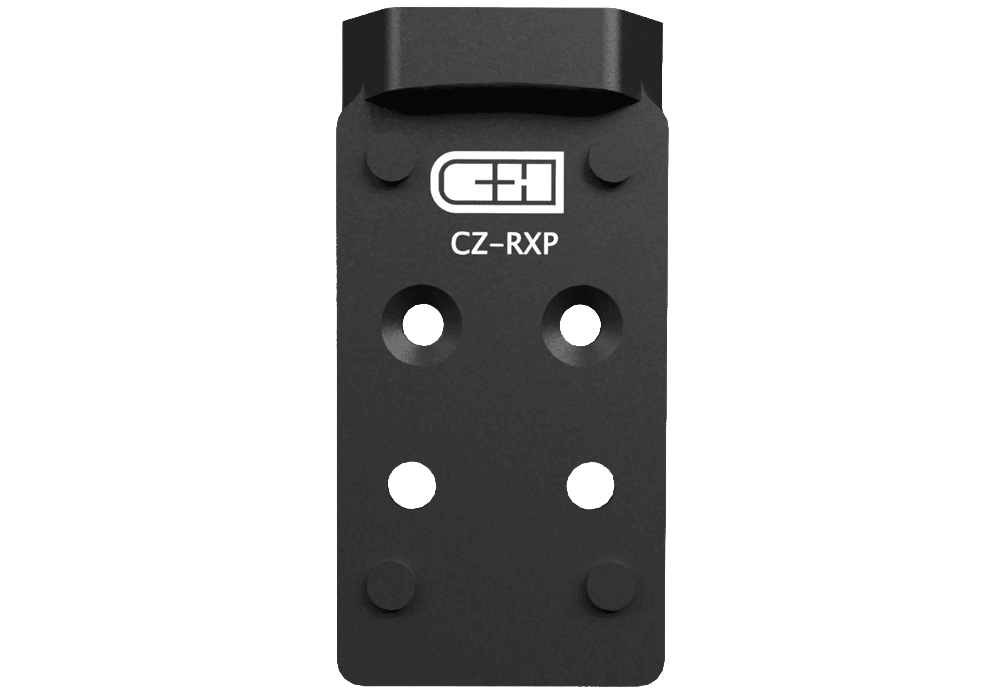
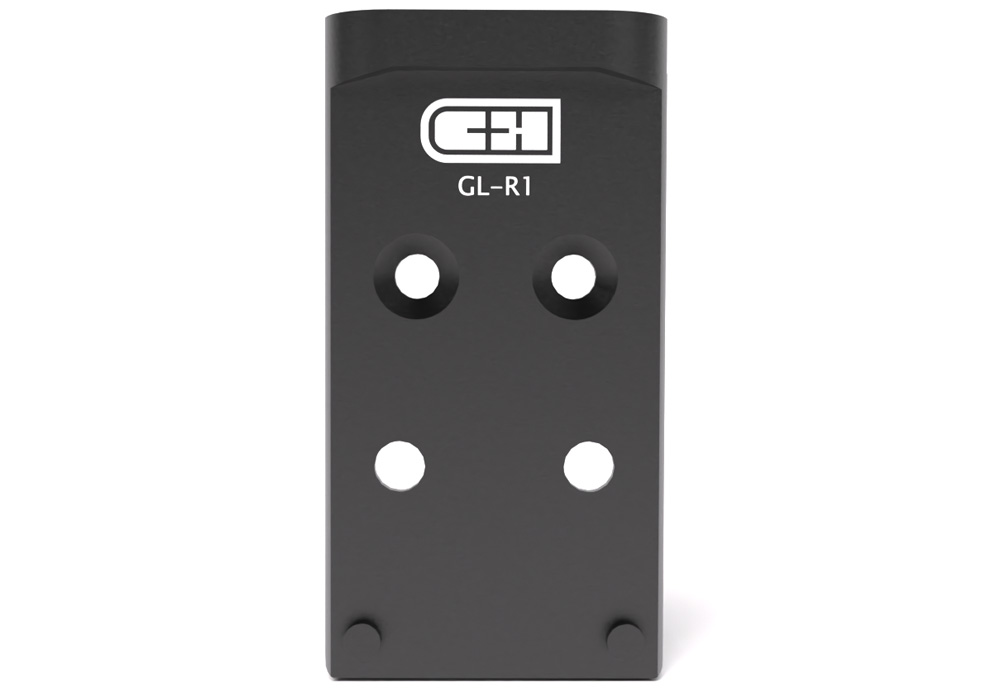
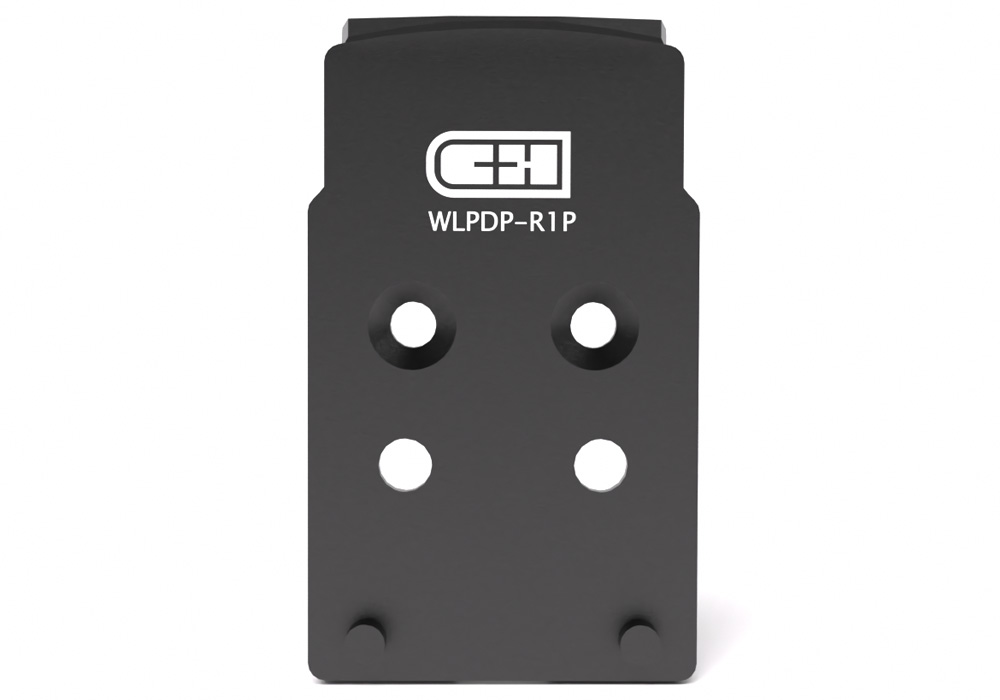
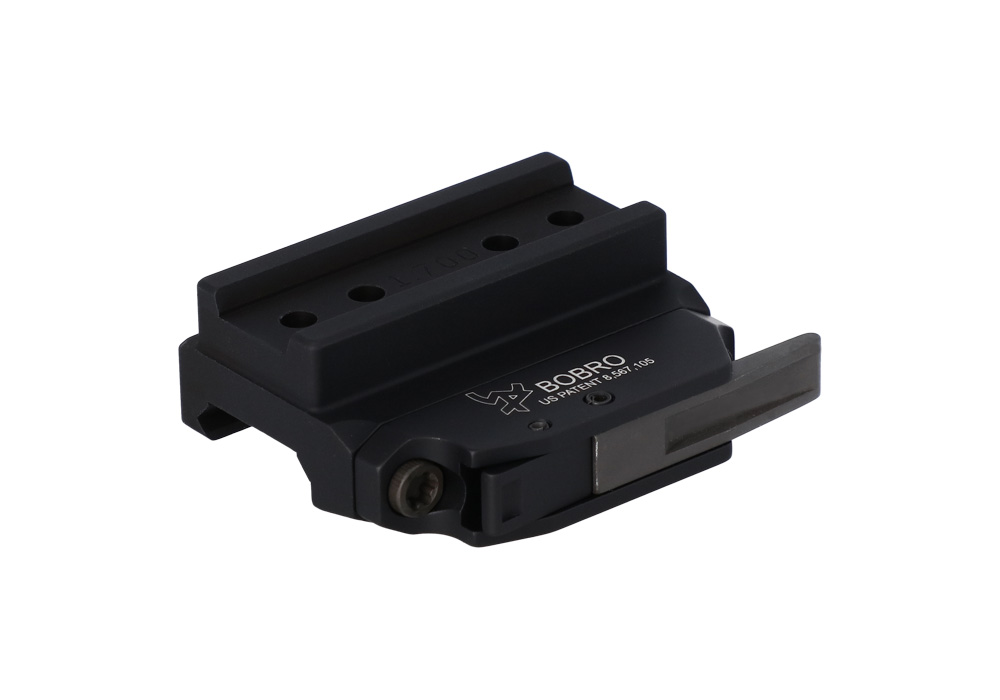
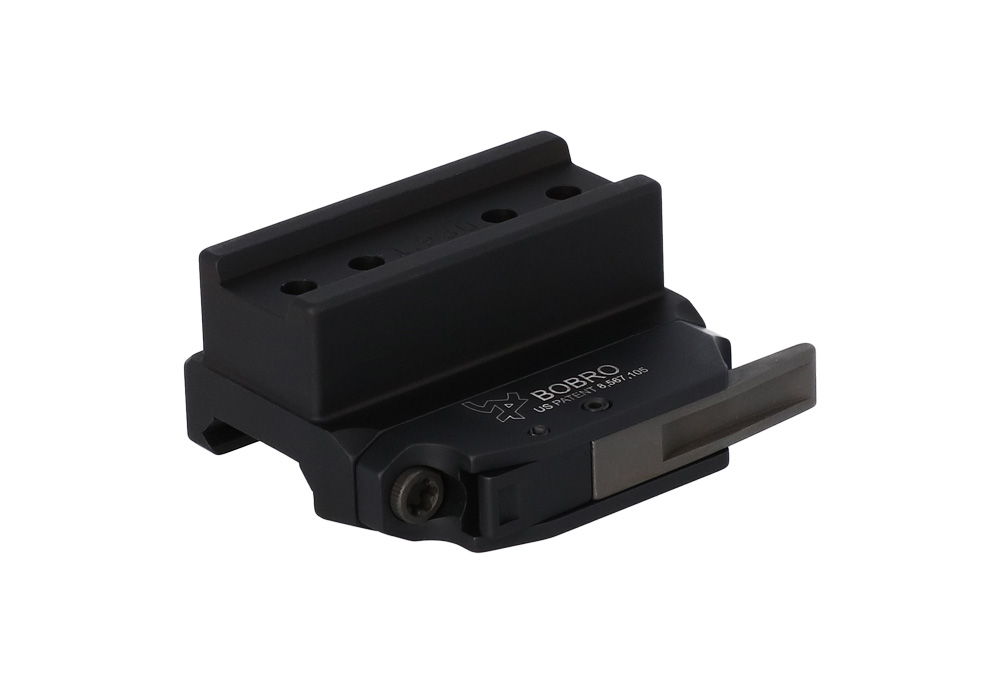
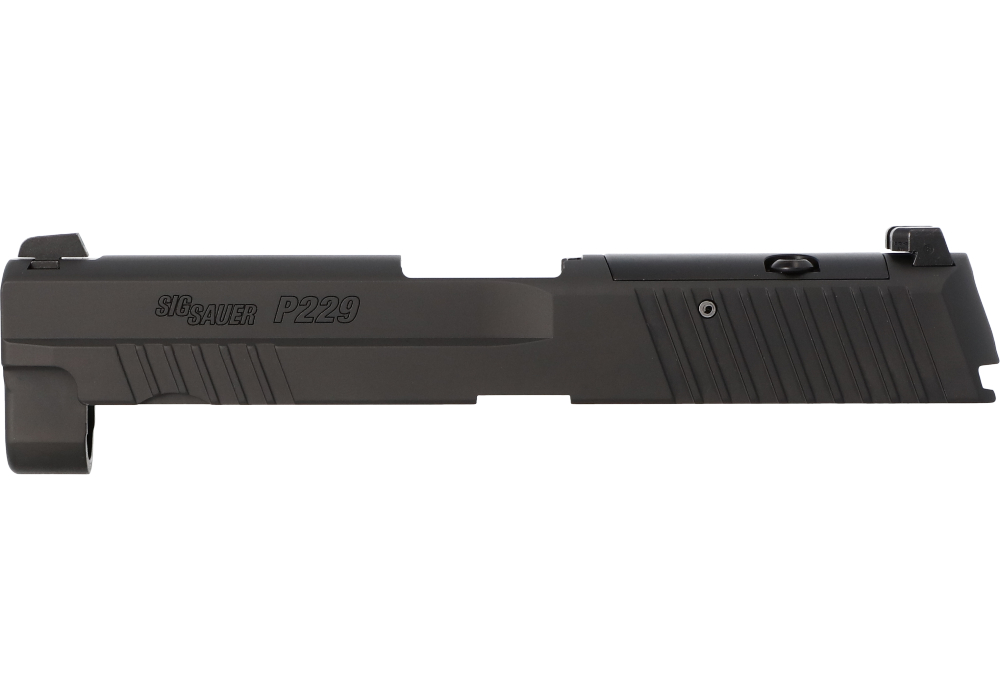
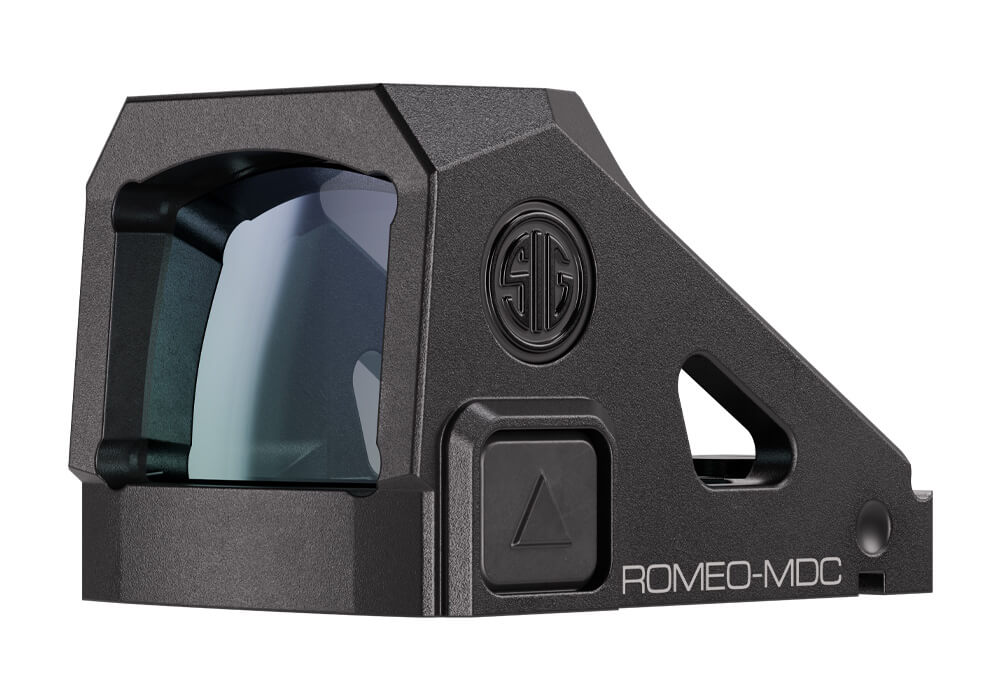
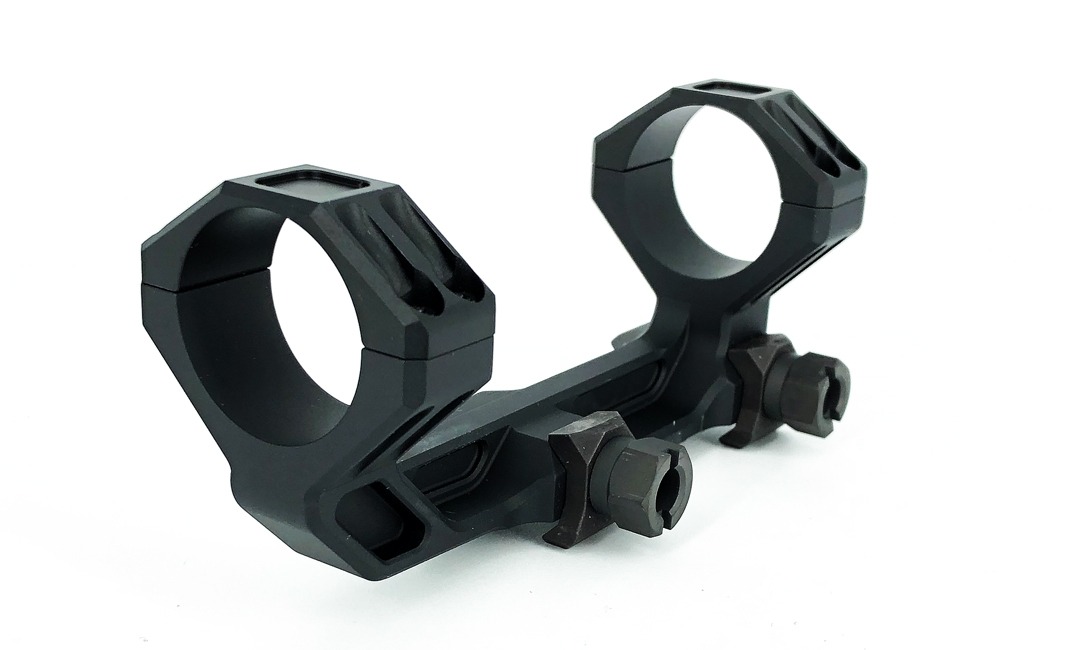
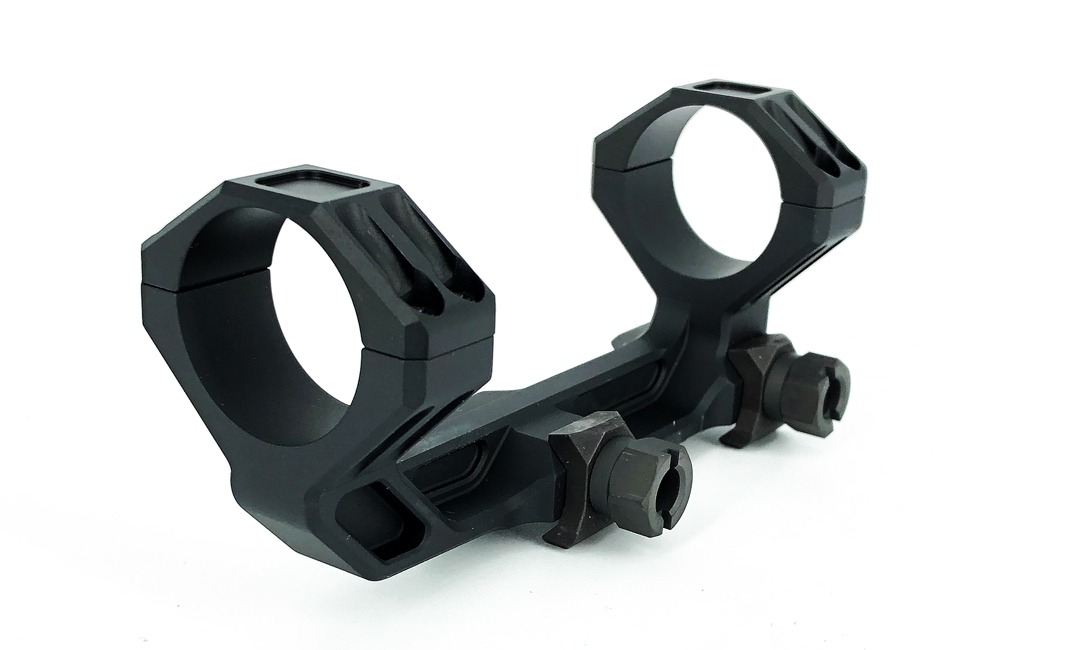
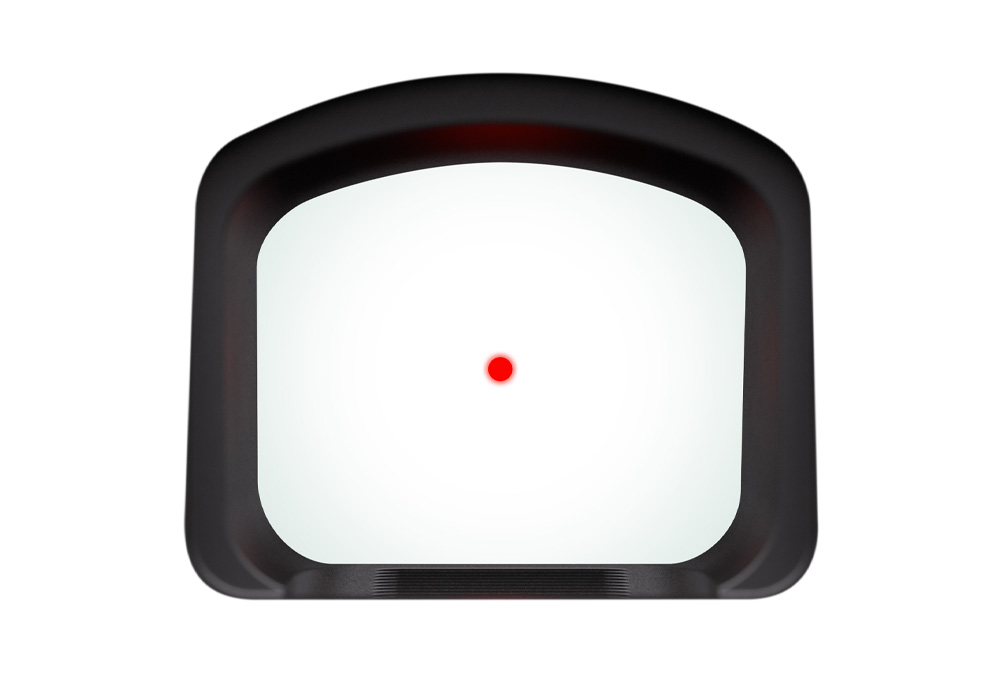
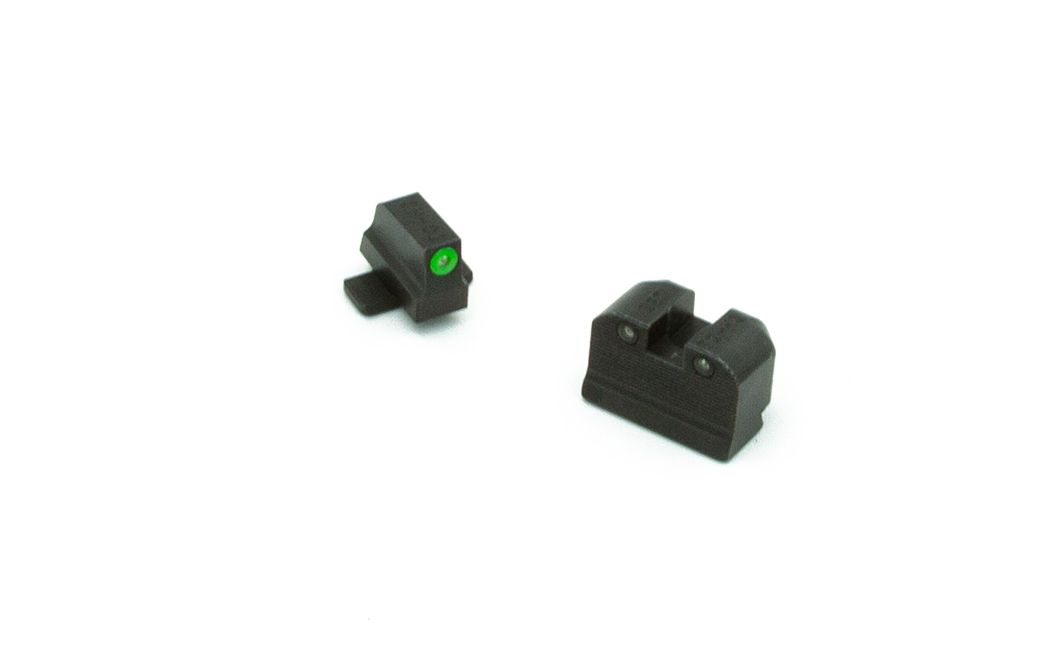
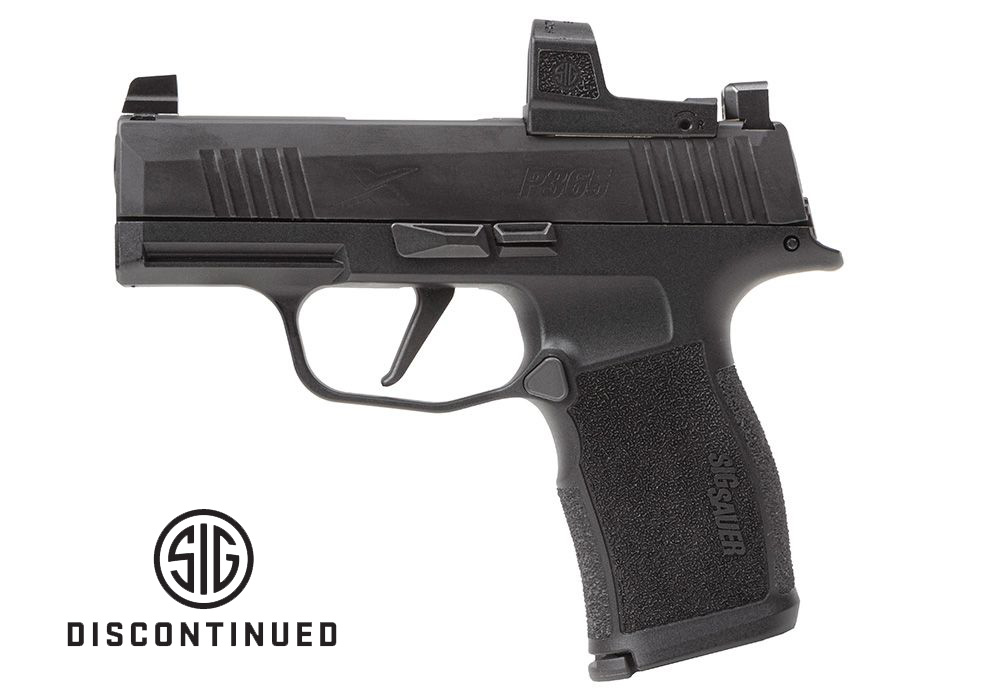
Pistol optics mounts provide the connection between a handgun and a compatible red dot sight, giving shooters a practical way to configure their pistol for faster, more consistent sight alignment. The right mounting solution depends first on the pistol’s slide, frame, and intended role. Some handguns are manufactured with an optics-ready slide that accepts a mounting plate matched to a particular footprint, while others require a rear-sight dovetail adapter that installs in place of the factory rear sight. Rail-mounted solutions attach to the accessory rail beneath the barrel and are generally used when an optic is positioned forward of the slide, often alongside a light or laser. Each approach has its own balance of height, durability, installation requirements, and sight picture. A direct-cut or optics-ready slide typically keeps the optic closer to the bore and can preserve a clean, streamlined profile. A dovetail mount avoids permanent slide modification and may appeal to owners who want a reversible setup, though the optic generally sits higher and may require a taller co-witnessing sight arrangement. A rail clamp offers flexibility for certain configurations but can alter the pistol’s balance and overall dimensions. When browsing pistol optics mounts, begin by confirming the exact handgun model, slide configuration, mounting method, optic footprint, screw pattern, and clearance around the ejection port. Even pistols that appear nearly identical can use different slide cuts or plate interfaces, and a mount that fits one configuration may not align correctly on another. Shoppers comparing mounting accessories can also review Pistol Mounting Sights for additional options related to handgun sight setups.
Footprint compatibility is one of the most important details in selecting a pistol optics mount. The footprint describes the location of the mounting screws, alignment lugs, and contact surfaces on the bottom of the optic and the top of the plate or slide. Compact carry pistols commonly use a slim micro-optic pattern, while full-size duty and competition pistols may use a larger pattern designed for a wider viewing window or an enclosed optic housing. Some mounts are made for a single footprint, and others use an interchangeable or adaptable plate system. Checking the optic manufacturer’s dimensional drawing and the mount’s specifications before ordering helps prevent mismatched screw holes, unsupported overhang, or interference with the slide and extractor. It is also worth considering the environment in which the pistol will be used. A concealed-carry setup may benefit from a low-profile mount that minimizes snag points and keeps the pistol comfortable against the body during daily movement. A range or competition setup may place greater value on a generous sight window, adjustable positioning, or compatibility with backup iron sights. For duty, training, or outdoor use during the cooler months, a robust interface and an enclosed optic may offer advantages where the pistol could encounter dust, moisture, clothing, or equipment. A mount can also make a thoughtful gift for a shooter who has recently purchased an optics-ready handgun, upgraded from iron sights, or started building a dedicated range pistol. Because fitment is highly specific, gift buyers should confirm the recipient’s pistol model and optic footprint rather than relying on appearance alone. A gift card or carefully matched mounting accessory is often more useful than a universal part that may not work with the intended handgun.
Installation quality matters just as much as selecting the correct mount. Before beginning, unload the pistol completely, remove the magazine, inspect the chamber, and follow the firearm manufacturer’s safety instructions. If the pistol requires slide disassembly, modification, or removal of a fixed rear sight, consult a qualified gunsmith when the procedure exceeds your experience or tools. Mounting surfaces and screw threads should be clean and free of oil; isopropyl alcohol can help remove residue, followed by adequate drying time. Apply only the threadlocker specified or recommended by the mount and optic manufacturers, typically a removable medium-strength formulation rather than a permanent compound. Screws should be the correct length for the plate, optic, and slide combination, since screws that are too long can interfere with internal components while screws that are too short may not provide secure engagement. Tighten fasteners in a balanced sequence with a calibrated inch-pound torque driver, following the manufacturer’s specification; many small optic mounting screws fall in the approximate range of 12 to 15 inch-pounds, but the published specification always takes priority. After installation, verify that the optic is seated evenly, the plate has no visible movement, and the dot remains aligned with the pistol’s bore and backup sights when applicable. Confirm that the slide cycles normally and that the optic, plate, and screws do not contact moving parts. A careful inspection after initial range use, followed by periodic checks during routine maintenance, can help identify loosening before it affects performance. With the right mount, a compatible optic, and a thoughtful installation, a pistol can be configured for a clear, repeatable sight picture that feels natural whether practiced on a bright summer range, carried beneath a jacket, or kept ready for training during the cooler seasons.